The Week The Week
flag of US
US
flag of UK
UK
https://cdn.mos.cms.futurecdn.net/flexiimages/jzblygzdxr1769609154.gif

SUBSCRIBE

Try 6 weeks free

Sign in
  • View Profile
  • Sign out
  • The Explainer
  • Talking Points
  • The Week Recommends
  • Podcasts
  • Newsletters
  • From the Magazine
  • The Week Junior
  • More
    • Politics
    • World News
    • Business
    • Health
    • Science
    • Food & Drink
    • Travel
    • Culture
    • History
    • Personal Finance
    • Puzzles
    • Photos
    • The Blend
    • All Categories
  • Newsletter sign up Newsletter
  • WeekDay AM: 10 Things you need to know this morning
    Burnham promises change, Germany points finger at Russia, and a ‘deadly’ rollercoaster

     
    today’s politics story

    Burnham vows change, but refuses to rule out tax rises

    What happened
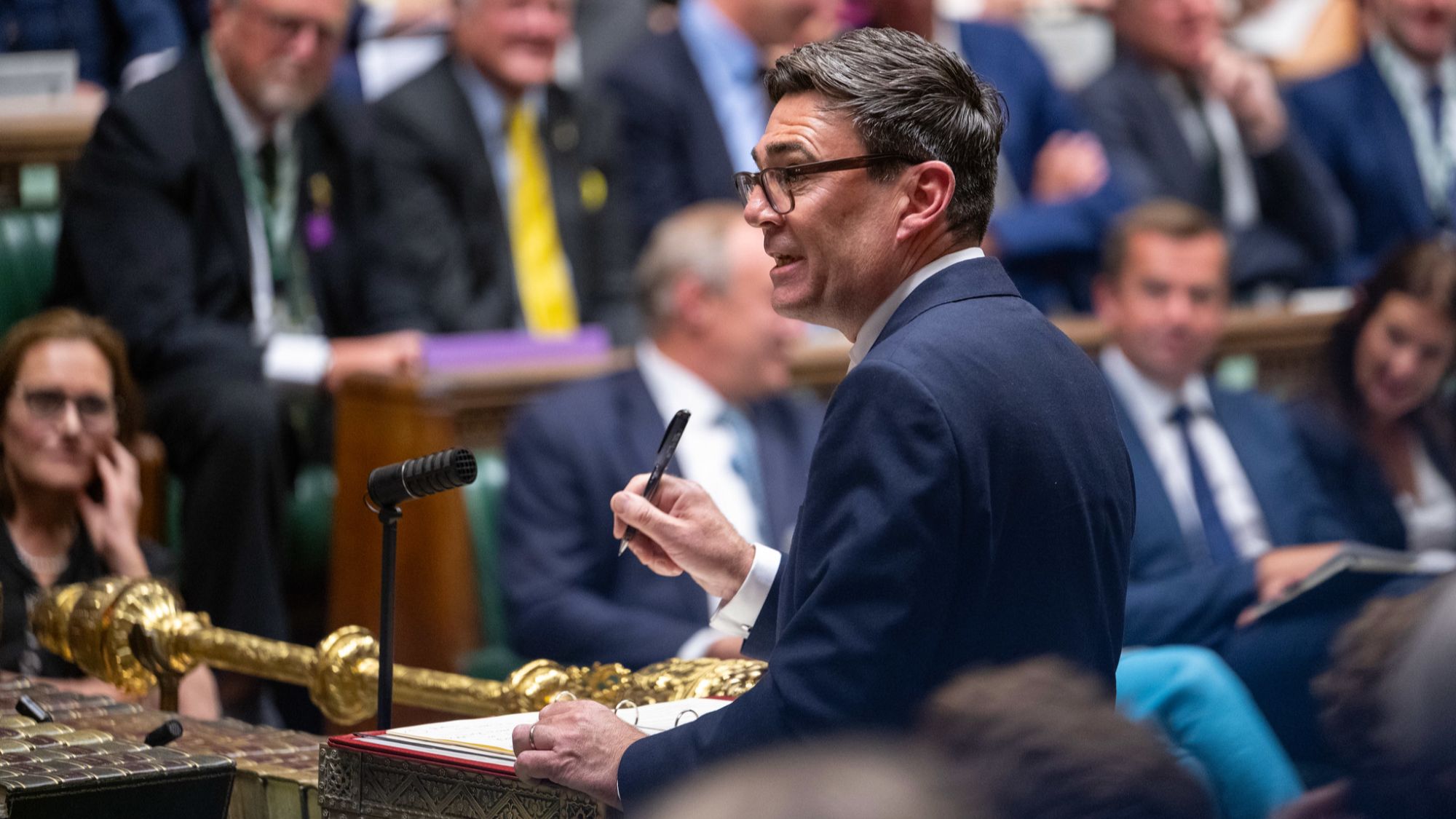
    Andy Burnham used his first appearance in the Commons as prime minister to promise a major reset of the British economy, saying the country was failing to deliver for too many people.

    He pledged greater public control over water and energy, more powers for local government and an increase in defence spending to 3% of GDP by 2030.

    However, “he repeatedly declined to answer questions on whether he would raise taxes in his first budget on 28 October in an attempt to balance the books”, said Steven Swinford and Oliver Wright in The Times. Higher oil and gas prices, increased government borrowing costs and turmoil in global bond markets have sharply reduced the £24 billion cushion previously available to the Treasury, according to economists.

    Who said what
    Burnham said Britain was “not where any of us would wish it to be” and that life was “too expensive and too hard for too many”. He blamed Thatcher-era reforms, austerity and Brexit for years of weak growth.

    Conservative leader Kemi Badenoch accused him of “living in the past”.  With his “bounce falling flat”, the new prime minister “must commit himself and his party to better government as the only path left to win approval from voters”, said The Independent’s editorial board.

    What next?
    Burnham repeatedly refused to rule out tax rises in his first budget. The government must also find billions for defence and measures designed to reduce living costs.


    today’s international story

    Germany blames Russia for airport drone attack

    What happened
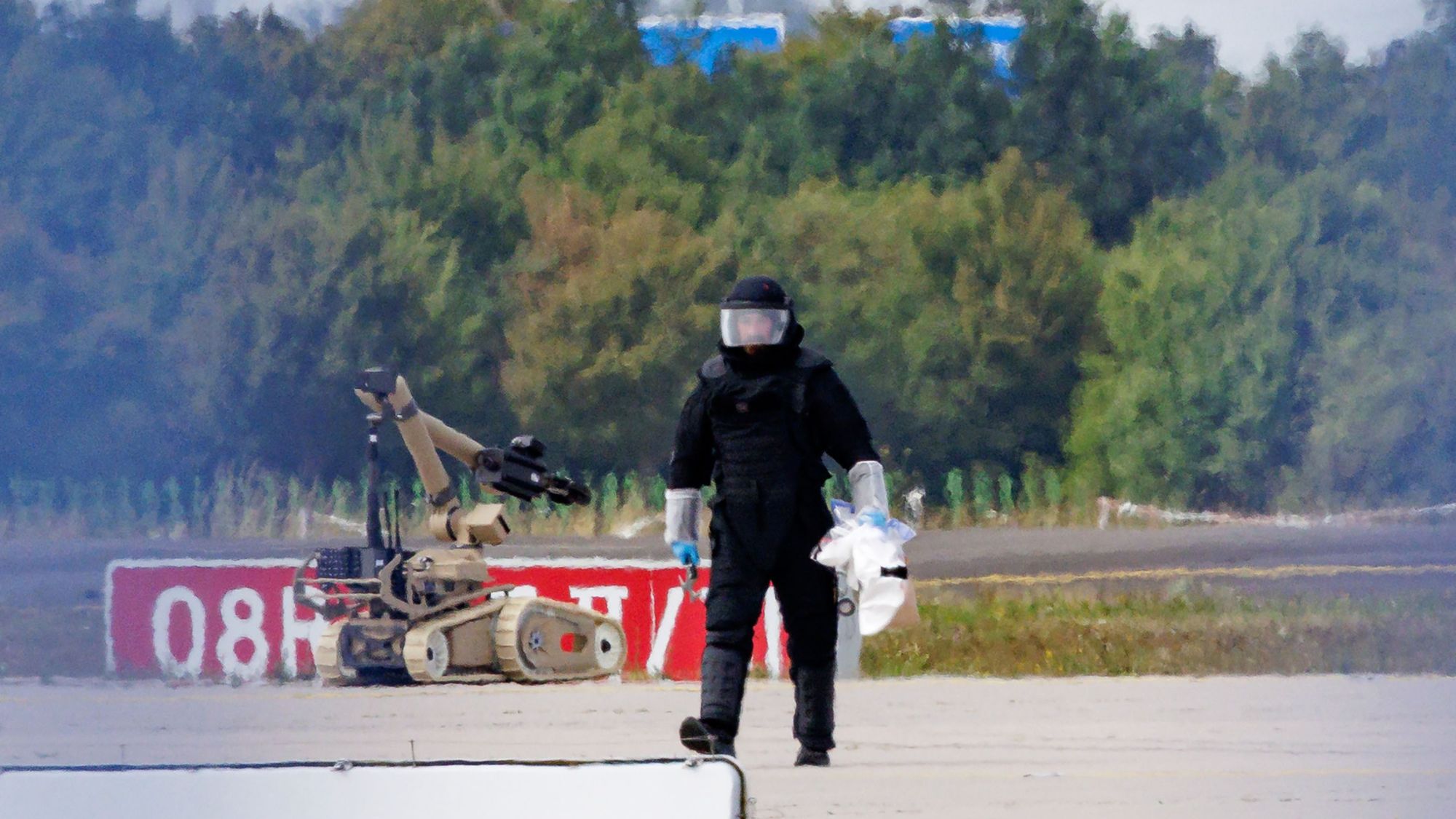
    Germany has accused Russia of orchestrating a drone operation at Leipzig/Halle Airport last month, saying investigators have found evidence linking Moscow to the incident.

    A drone equipped with an explosive was discovered at the eastern German airport on 4 August near Ukrainian cargo aircraft. The device did not detonate, apparently because it malfunctioned. Investigators believe another drone struck a nearby cargo plane, while a third was reportedly located close to the facility 10 days later.

    The airport is an important logistics centre for German and Nato military supplies, and is also used by Ukraine’s Antonov Airlines.

    Who said what
    Germany’s Interior Minister Alexander Dobrindt said the attack matched a “well-established pattern of Russian hybrid operations in Europe”. Russia has rejected the accusations as “absurd”. So “how will Germany respond?” asked Matt Ford on DW.com. Dobrindt insisted that Germany was “not at war”, yet was “a daily target of hybrid warfare”. Therefore, he said, Germany would respond to the attack in Leipzig in a “proportionate and measured, yet resolute manner”.

    What next?
    Germany plans to close Moscow’s consulate in Bonn, end a Russian House contract in Berlin and tighten entry rules for Russian citizens. Berlin also plans further action against Russia’s sanctions-busting oil fleet, while the EU is preparing additional sanctions.


    Today’s health story

    Newborn benefits from Scotland’s SMA screening

    What happened
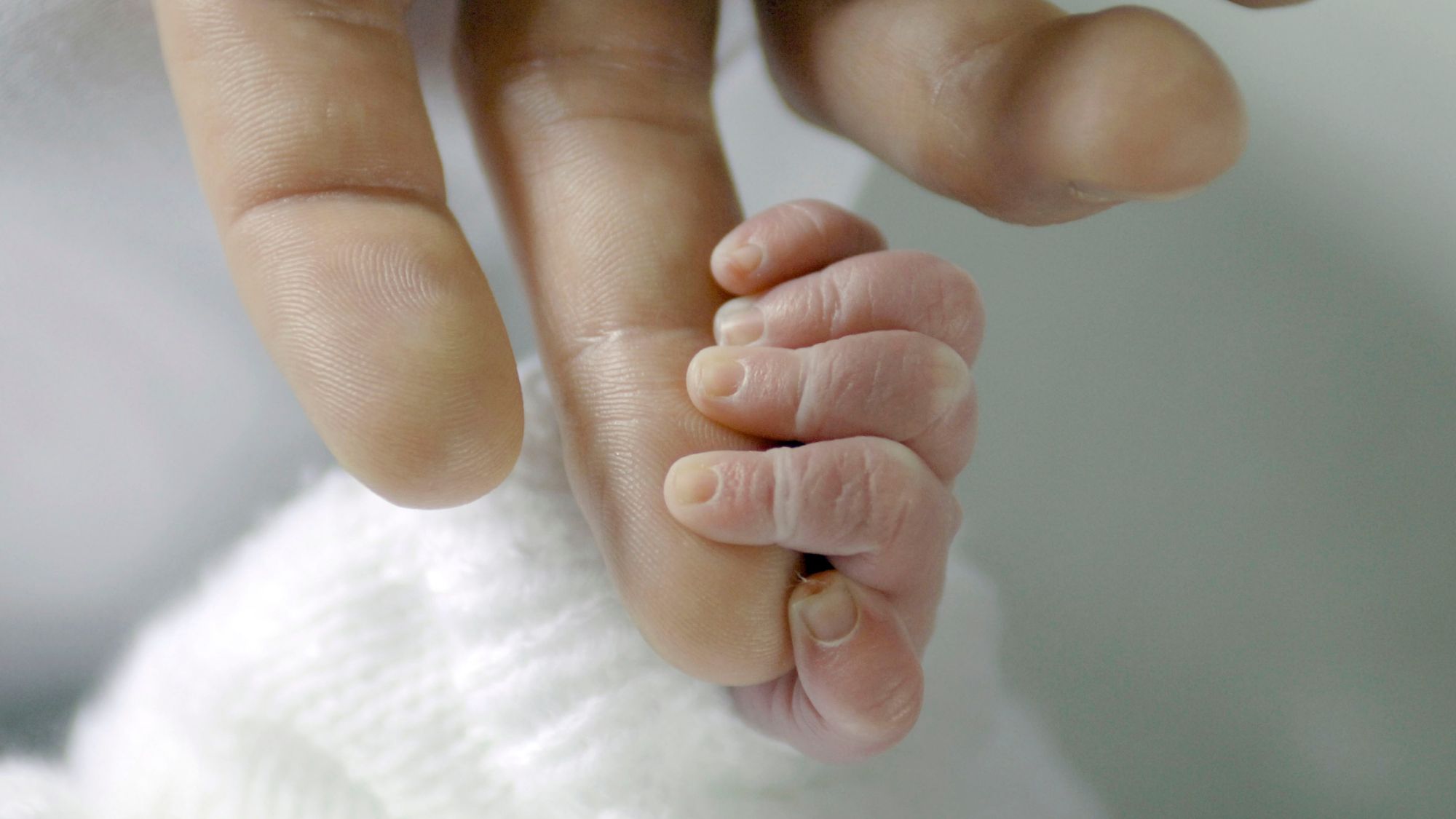
    The first baby to be identified through Scotland’s Spinal Muscular Atrophy (SMA) screening programme has begun treatment. The pilot scheme that launched in March, the first of its kind in the UK, offers an optional check for the rare genetic condition as part of the routine newborn blood spot test. This baby was diagnosed at five days old and then referred to specialist services.

    Who said what
    SMA, which affects about 70 infants a year in the UK, causes “progressive muscle weakness and wasting” that can affect movement and breathing, said Sky News. Newborn screening means SMA can be detected and treated in its earliest stages, “profoundly improving quality of life”, said Scotland’s Minister for Public Health Maree Todd.

    This “milestone” demonstrates “the real-life impact” such checks can have, said Dr Sarah Smith, director of the Scottish Newborn Screening Laboratory in Glasgow, which carries out the testing.

    What next?
    The pilot scheme, funded by the Scottish government and pharmaceutical company Novartis, will run for two years. The UK National Screening Committee will then decide whether SMA testing should be offered nationwide.


    It’s not all bad

    New Zealand’s endangered kākāpō population has surpassed 300 birds for the first time in roughly 75 years following a record breeding season. Ninety chicks have been added, bringing the total to 325. The flightless parrot – the heaviest in the world – breeds only every two to four years when native rimu trees produce abundant berries. Its numbers have risen from just 51 birds when the recovery programme began in 1995, offering fresh hope for the species’ survival.


    under the radar

    Why an infamous thrill ride has closed

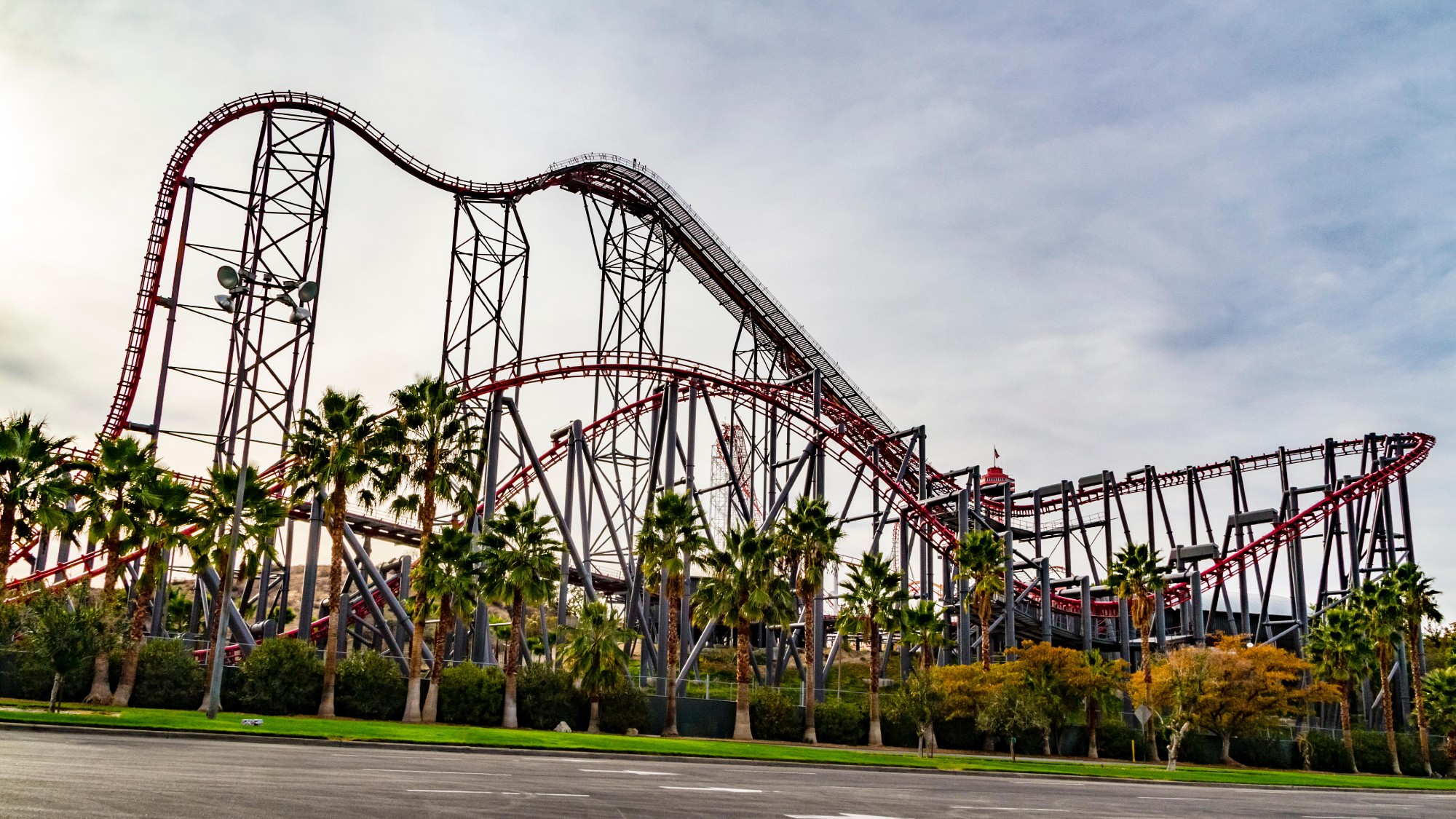
    A notorious rollercoaster at Six Flags Magic Mountain theme park in Santa Clarita, California has been shut down following claims that two people suffered brain injuries while riding it. An investigation by CNN found a dozen serious complaints spanning two decades, including customers who suffered life-altering disabilities or fell into comas after riding the X2 – with two dying of their injuries.

    The Six Flags Magic Mountain website had described the X2 rollercoaster as a “right (sic) of passage for the ultimate daredevil”. What distinguishes this type of rollercoaster from others is its fourth-dimensional quality, meaning that seats are rotating 360 degrees around the track, turning riders upside down as the carriages reach speeds of nearly 80mph (129km/h) for approximately two minutes.

    Pamela Guillen said she lost consciousness after banging her head against the seat’s headrest “multiple times” during an X2 ride in July. A CT scan revealed that she had a severe subdural haematoma (bleeding inside the brain) and brain compression. A few days later Naomi Greer-Wilkinson rode the X2 and lost consciousness. She was admitted to hospital with a traumatic brain injury and remains in a coma.

    Last month the family of Christopher Hawley, who died after riding the rollercoaster in 2022, reached a settlement with the park and ride manufacturer S&S Worldwide Inc, said KTLA. During his ride the coaster “suddenly, abruptly and violently jolted to a halt”, according to the lawsuit filed by the family. Afterwards, Hawley was rushed to hospital where a CT scan showed that he had suffered a catastrophic right subdural haematoma, which the lawsuit alleged was caused by the X2, and he died the following day. His father, William Hawley, said legal action was the only way to get answers, adding: “We want to make sure that ride isn’t going to kill somebody else.”


    on this day

    2 September 1752

    Britain and its overseas colonies abandoned the Julian calendar and adopted the Gregorian – skipping 11 days overnight – to better align with European trading partners and the Earth’s natural seasons. As of this year, only four countries do not use the Gregorian calendar: Ethiopia, Nepal, Iran and Afghanistan.


    Today’s newspapers

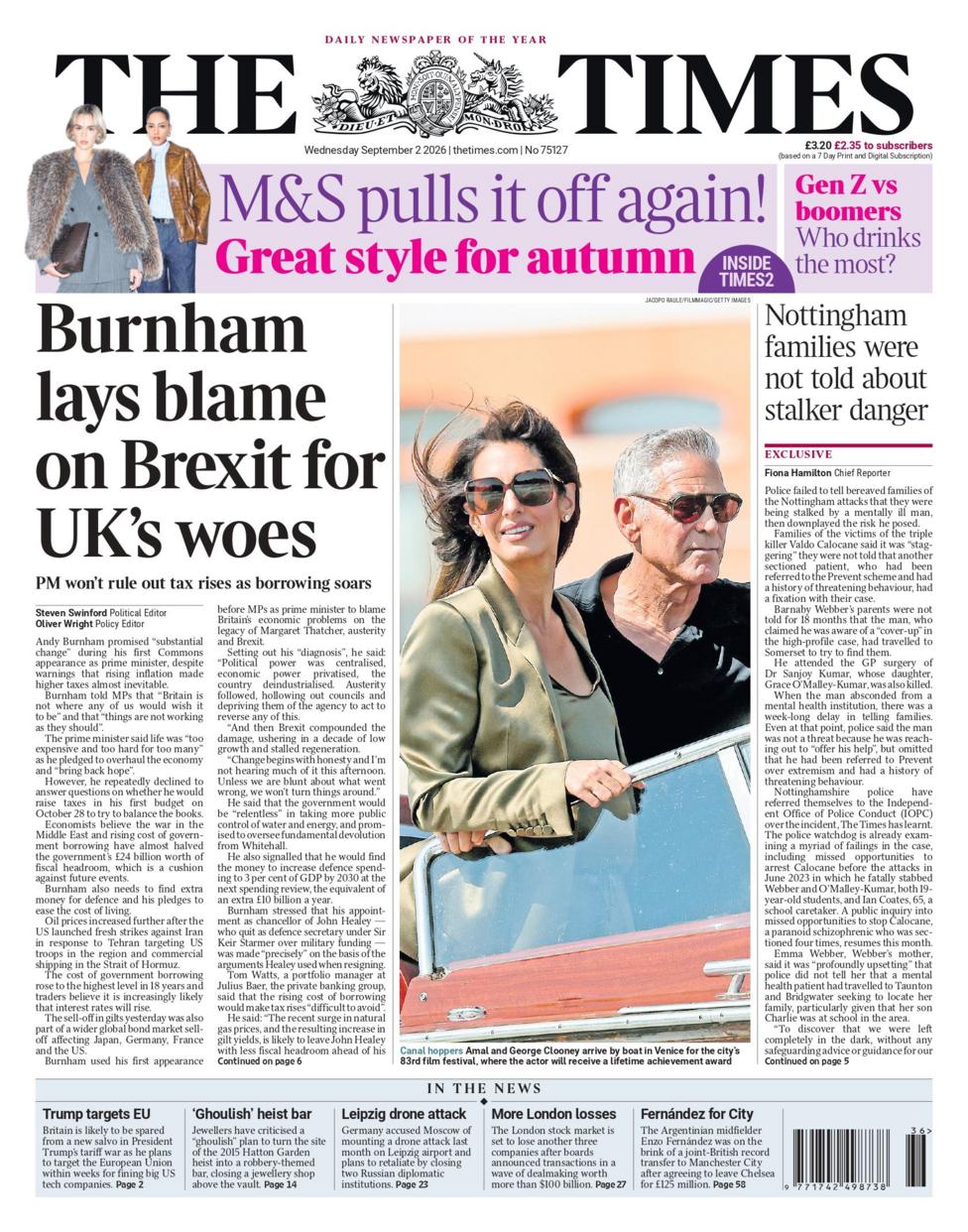
    ‘Burnham blames Brexit’

    Andy Burnham has blamed Brexit for the “UK’s woes”, reports The Times. He also pointed the finger at Margaret Thatcher for “a decade of low growth”, says The Guardian. “No wonder Kemi mocked him for ‘living in the past’”, says the Daily Mail. The two party leaders had a “historic battle”, says Metro, but Burnham’s “Commons debut” as PM was “overshadowed by a market rout”, says The Telegraph. “Phew! What scorchers,” says the Daily Star after 2026 was named the UK’s “hottest summer”.

    See the newspaper front pages


    tall tale

    Crime on tap

    A US brewery has asked a thief who stole $25,000 (£18,500) of beer by impersonating a delivery driver to return their ill-gotten cargo. Pabst Brewing Company said the unknown individual used false documents to drive off with a truckload of its Blue Ribbon beer from a distribution centre in California. The business said the person responsible had 18 days and 44 minutes to turn over the loot – a reference to the brewery’s founding in 1844.


    Morning Report was written and edited by Arion McNicoll, Rebecca Messina, Harriet Marsden, Ross Couzens and Chas Newkey-Burden.

    Image credits, from top: House of Commons; Jens Schlueter / Getty Images; Jeff Overs / BBC News & Current Affairs / Getty Images; California Dreamin / Alamy.

    Morning Report and Evening Review were named Newsletter of the Year at the Publisher Newsletter Awards 2025
     

    Recent editions

    • Evening Review

      Will the Burnham bounce deflate?

    • Morning Report

      The race to save hundreds trapped in Nepal tunnels

    • Morning Report

      The return of the Sussexes

    VIEW ALL
    TheWeek
    • About Us
    • Contact Future's experts
    • Terms and Conditions
    • Privacy Policy
    • Cookie Policy
    • Advertise With Us
    • FAQ
    Add as a preferred source on Google Add as a preferred source on Google

    The Week UK is part of Future plc, an international media group and leading digital publisher. Visit our corporate site.

    © Future Publishing Limited Quay House, The Ambury, Bath BA1 1UA. All rights reserved. England and Wales company registration number 2008885.