The Week UK
flag of US
US
flag of UK
UK
https://cdn.mos.cms.futurecdn.net/flexiimages/jzblygzdxr1769609154.gif

SUBSCRIBE

Start your trial today

Sign in
  • View Profile
  • Sign out
  • The Explainer
  • Talking Points
  • The Week Recommends
  • Podcasts
  • Newsletters
  • From the Magazine
  • The Week Junior
  • More
    • Politics
    • World News
    • Business
    • Health
    • Science
    • Food & Drink
    • Travel
    • Culture
    • History
    • Personal Finance
    • Puzzles
    • Photos
    • The Blend
    • All Categories
  • Newsletter sign up Newsletter
  • WeekDay AM: 10 Things you need to know this morning
    French curfews begin, excessive parking fines, and photosensitive tattoos

     
    today’s international story

    France resorts to curfews as unrest continues

    What happened
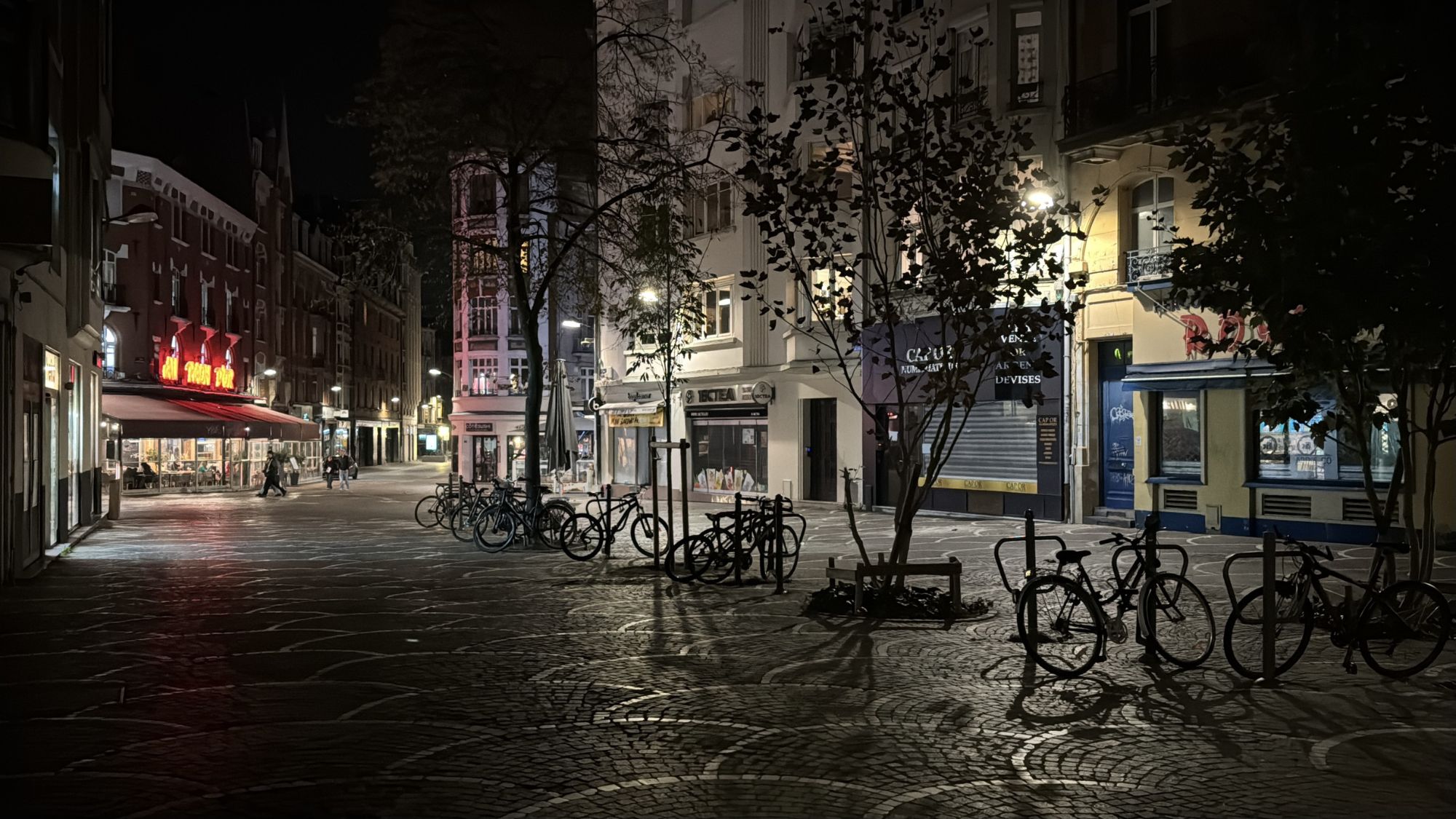
    French authorities have imposed overnight curfews and restrictions on public gatherings in a bid to curb demonstrations over living costs and education that have escalated into widespread violence. The crackdown affects parts of Paris, Lyon, Marseille, Nice and several northern towns. Some measures apply specifically to minors, while others completely prohibit demonstrations or gatherings.

    Who said what
    Emmanuel Macron has condemned the violence that took place over the weekend while also acknowledging protesters’ grievances. “Those who destroyed must pay,” said the French president, promising further discussions on possible responses. Interior Minister Laurent Nuñez admitted that the authorities had underestimated the scale of the unrest and offered to resign, but Macron has rejected the idea that he himself should stand down.

    Still, “ferocious criticism from all sides underlines Macron’s isolation”, said Jon Henley in The Guardian. The French leader has “compounded the impression of arrogance with strategic errors – and the consequences could be profound”. For one thing, France is now “bracing for the return of the Yellow Vests”, said Grégoire Sauvage on France 24.

    But the riots could affect the UK, too, said Daniel Johnson in The Telegraph. “As Europe burns, Rejoiner dreams are going up in smoke.” The “chaos across the Continent is blowing apart Andy Burnham’s push to reverse the 2016 referendum”.

    What next?
    The French government faces pressure to address the high level of public anger ahead of next spring’s presidential election. Similar demonstrations and unrest have spread to Italy, Belgium and other European countries, raising concerns about a wider regional backlash over living costs and public services.


    today’s politics story

    Drivers get more safeguards against private parking fines

    What happened
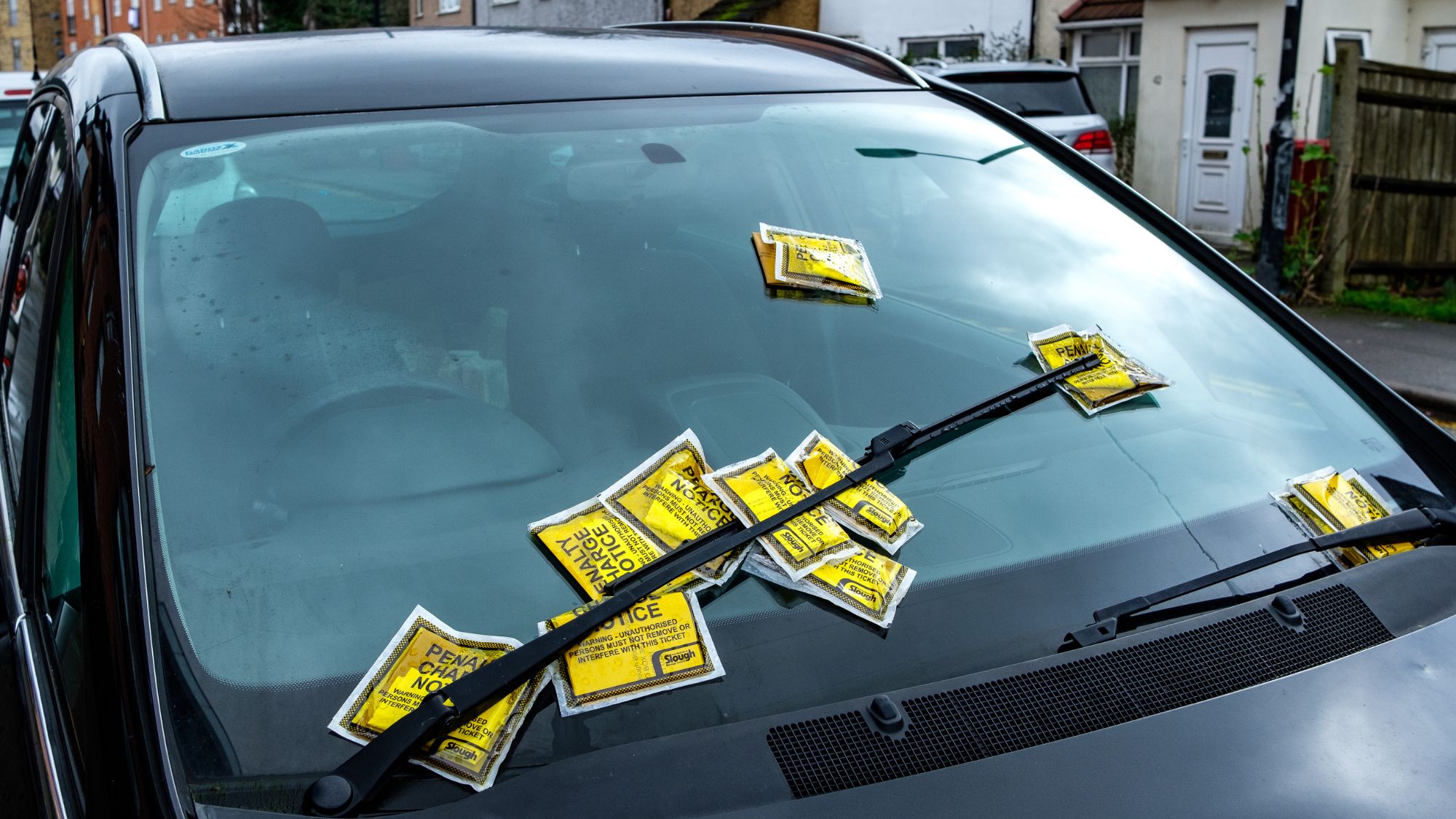
    Drivers will receive greater protection from unfair private parking penalties under new rules announced by Andy Burnham. The changes follow complaints about excessive charges, including a case in which a woman faced a £1,906 court claim after taking more than five minutes to pay for parking in Derby. The claim was eventually withdrawn.

    Under the new code motorists will have five minutes to decide whether to park and 10 minutes to leave the facility after their parking period expires. Charges must be cancelled for circumstances beyond drivers’ control, medical emergencies and honest mistakes.

    Who said what
    The prime minister said minor mistakes should not result in substantial penalties. Private car parks “already have an industry code of practice”, according to the BBC, but the RAC motoring group said it hoped that the government’s changes would protect drivers from the “poor practices of some private parking companies”.

    What next?
    The new rules will cover England, Scotland and Wales. The government will consult further on the matter of debt recovery fees, which can increase the cost of disputed charges.


    Today’s archaeology story

    Earhart mystery endures as ‘discovery’ unravels

    What happened
    An object on a remote Pacific island thought to be the wreckage of Amelia Earhart’s plane is likely to only be washed-up trees, according to US researchers. An expedition by the Archaeological Legacy Institute, Purdue Research Foundation and Purdue University set out this month to investigate the object – first spotted on satellite imagery in 2020 – but is leaving empty handed.

    Who said what
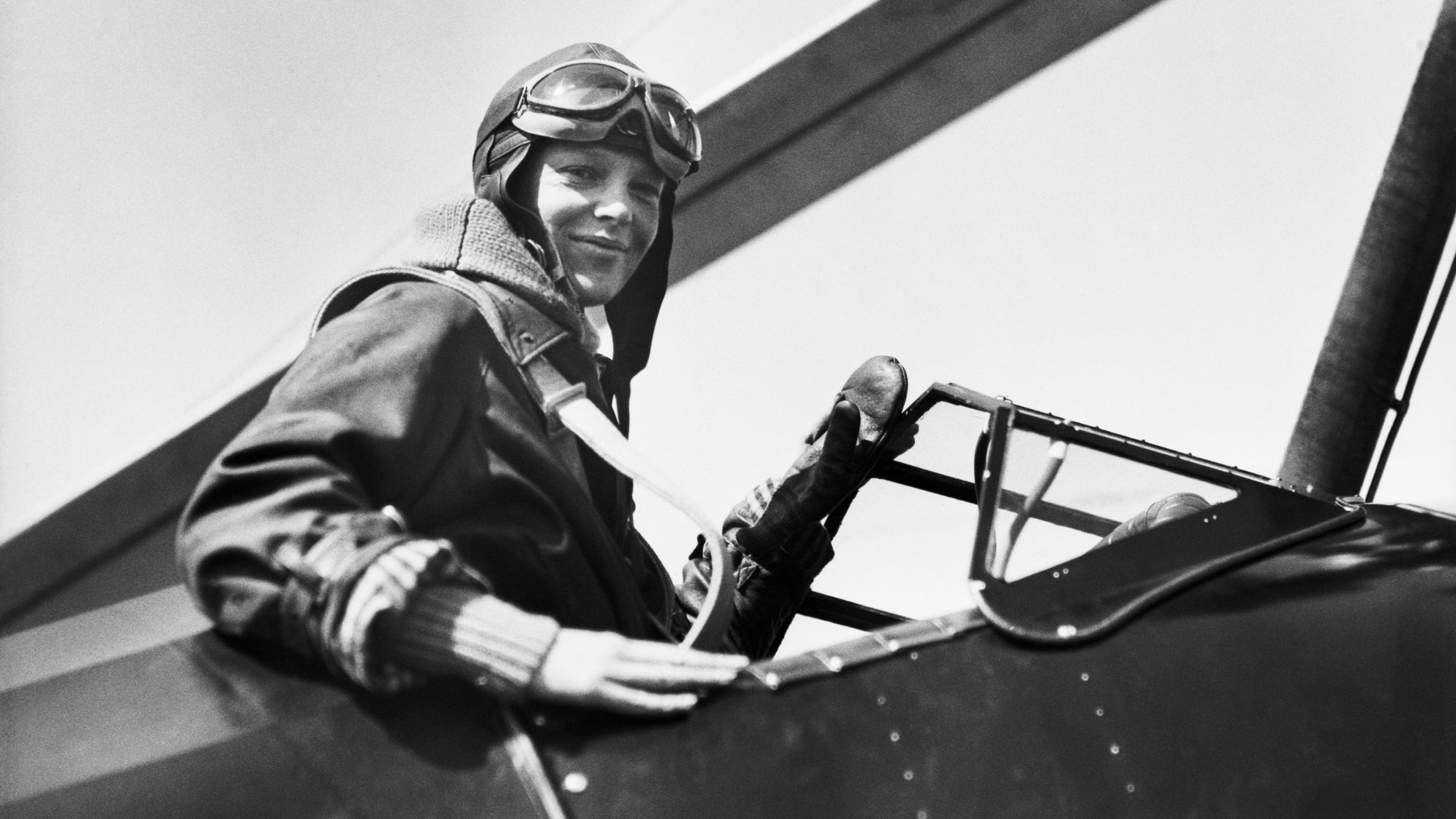
    Earhart “vanished without a trace in 1937” while en route to Howland Island to refuel for the last leg of her attempt to circumnavigate the globe, said the BBC.

    Nikumaroro, an island about 644km away, is “emerging as a leading candidate” for where she and her navigator, Fred Noonan, might have crash-landed, said The Guardian.

    But the so-called “Taraia object”, which was thought to be her plane, is “likely a collection of large trees deposited along the peninsula’s sandspit”, said the Purdue researchers. They said the fragment’s “reflective surface” was due to “its carbonate veneer”.

    What next?
    The “mystery continues”, said Dr Rick Pettigrew of the Archaeological Legacy Institute. “The island has been holding on to its secrets and it continues to do so.”


    It’s not all bad

    A Finnish livestream of six newborn puppies has attracted 6.6 million views in its first six days as it offers people a welcome distraction from the grim news cycle. The 24-hour broadcast follows Hilkka, a curly-haired dog, and her litter as they play, eat and sleep. National broadcaster Yle says previous seasons of “Pentulive” (Puppy Live) have helped viewers cope with loneliness and stress, while also bringing generations together.


    under the radar

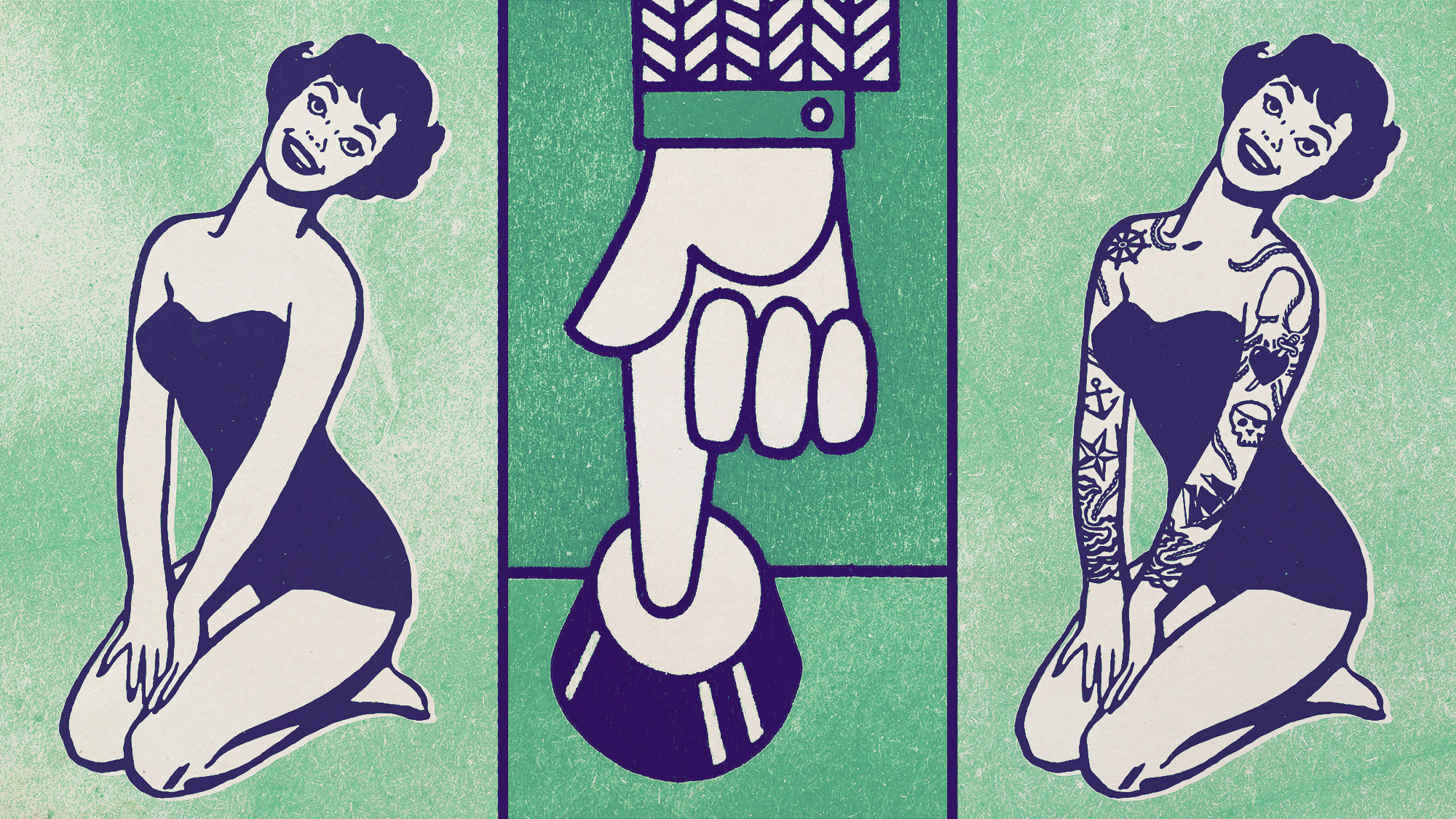
    Disappearing ink: the new photosensitive tattoos

    You may be able to turn your tattoos on and off in the near future. A new type of tattoo ink uses light to make the body markings appear and disappear. The result is customizable body art.

    Scientists engineered PhotoTat, tattoo ink that is “permanent yet rewritable”, said a study published in the journal Matter & Light. The material is “nearly invisible at rest, coloured within seconds under ultraviolet light and erased by white light”. It is “made from dyes and a plexiglass-like material common in many medical technologies on the market today, including dermal fillers”, said a release about the study.

    PhotoTat can be “combined with conventional tattoo ink”, said Live Science (a sister site of The Week). For example, a permanent black ink design “could contain hidden PhotoTat elements that appear only when activated”. The ink is ideal for “people who love tattoos and have lots of tattoos, but just want something kind of fun and playful”, Professor Carson Bruns, a co-author of the study, told the outlet.

    PhotoTat can have additional practical applications, including for medical tattoos like those done on cancer patients undergoing radiation therapy. “With PhotoTat,” said Bruns in the release, “we could turn an involuntary medical tattoo into something that’s only visible to the doctor when you go in the clinic.”


    on this day

    20 October 2022

    Liz Truss announced her resignation after just 45 days in office, making her the shortest-serving prime minister in British history. Her stunning exit triggered the second Tory leadership election in four months, which was won by Rishi Sunak. He went on to lose the 2024 general election to Labour’s Keir Starmer, who was himself replaced by Andy Burnham this year.


    Today’s newspapers

    ‘Capital gains’

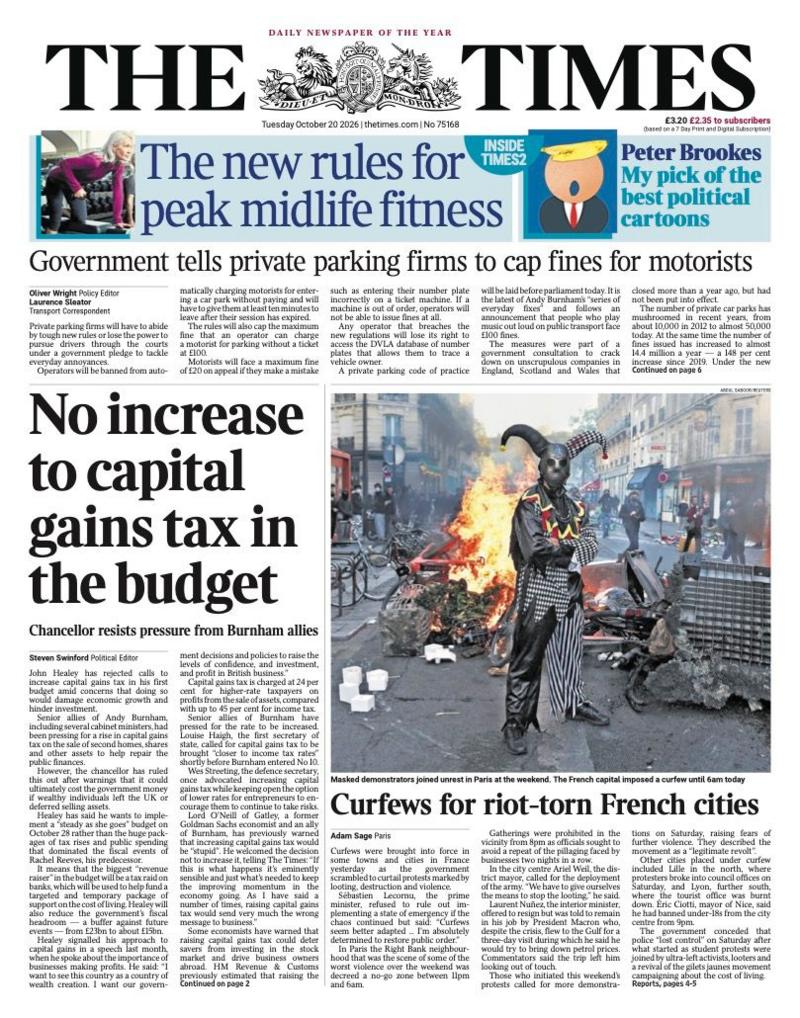
    “No increase to capital gains tax in the budget”, says The Times. “Labour cuts £2bn from Army front line”, The Telegraph reports. “Burnham orders radical rethink of options to fix Thames Water”, reports The Guardian. The NHS is “simply not ready” for “another winter crisis”, doctors warn in the Daily Express. “Challenges facing Macron deepen”, the Financial Times reports.

    See the newspaper front pages


    tall tale

    Fry another day

    What is the key to longevity? “A scoop full of chips and a fish,” according to World War Two veteran Owen Filer, who turned 107 yesterday. Believed to be the oldest man in Wales, Filer said he had “lived on fish and chips” and “worked all my life”, but noted that his favourite fish – “genuine” cod or hake – was now too expensive. There is “no secret recipe” to a long life, he added, other than to live “properly”.


    Morning Report was written and edited by Arion McNicoll, Harriet Marsden, Devika Rao, Ross Couzens and Chas Newkey-Burden, with illustrations by Julia Wytrazek.

    Image credits, from top: Murat Karadag / Anadolu / Getty Images; Mark Kerrison / In Pictures / Getty Images; Bettmann / Getty Images; Illustration by Julia Wytrazek / Getty Images.
     

    Recent editions

    • Evening Review

      What fiery protests mean for the French election

    • Morning Report

      Macron urges calm as protests grip France

    • Sunday Shortlist

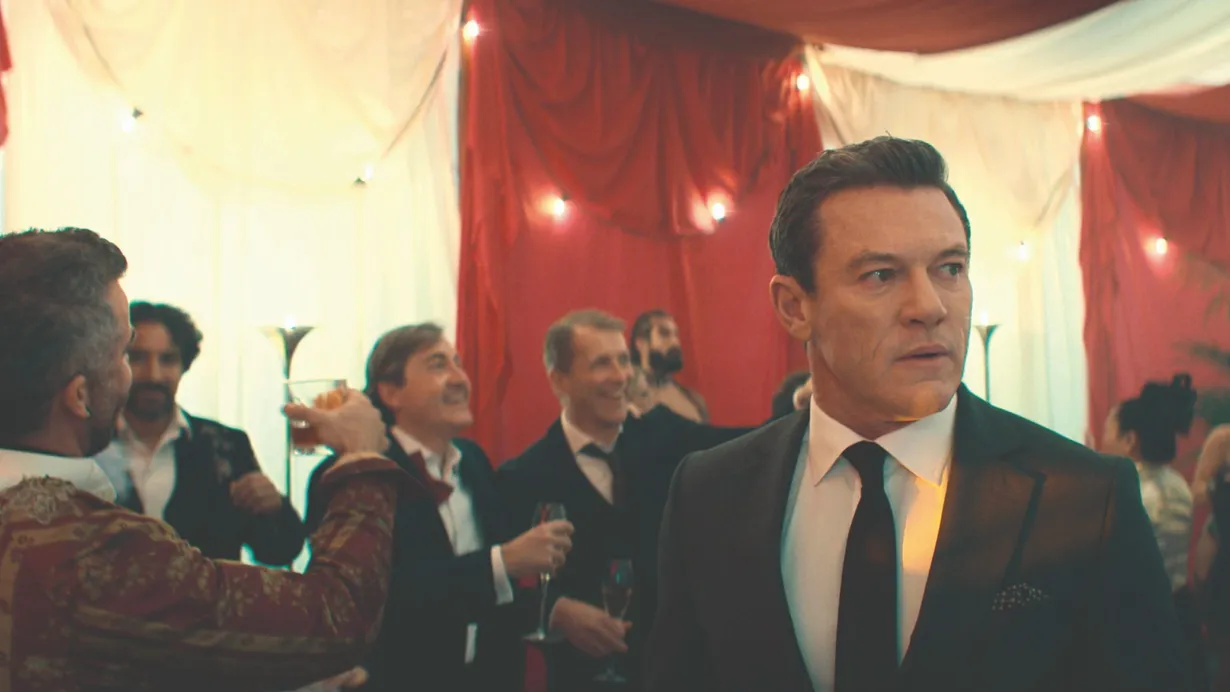
      Luke Evans stars in ‘juicy psychological thriller’

    VIEW ALL
    TheWeek
    • About Us
    • Contact Future's experts
    • Terms and Conditions
    • Privacy Policy
    • Cookie Policy
    • Advertise With Us
    • FAQ
    Add as a preferred source on Google Add as a preferred source on Google

    The Week UK is part of Future plc, an international media group and leading digital publisher. Visit our corporate site.

    © Future Publishing Limited Quay House, The Ambury, Bath BA1 1UA. All rights reserved. England and Wales company registration number 2008885.