What happened
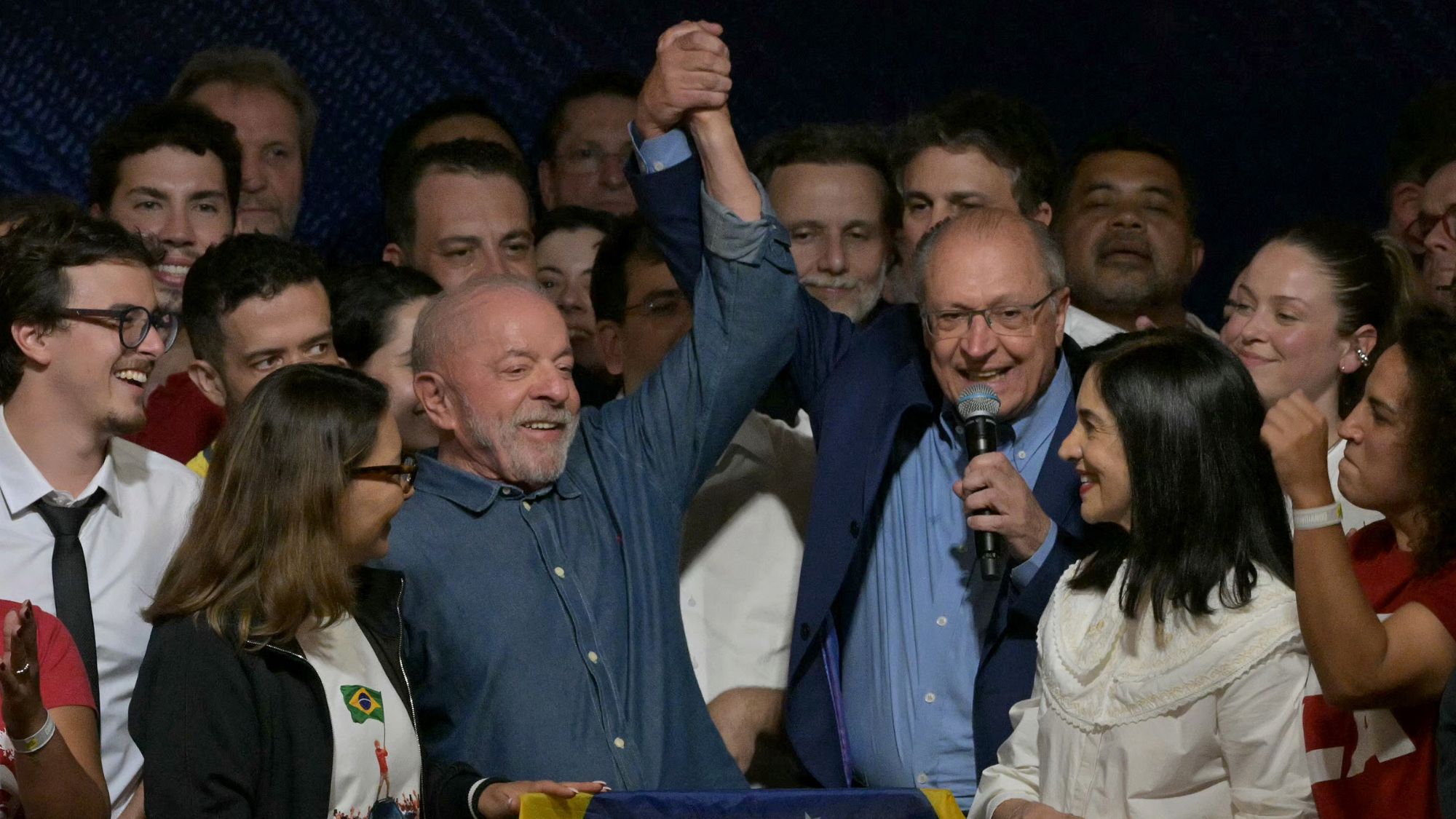
Luiz Inácio Lula da Silva has won a fourth presidential election, defeating right-wing challenger Flávio Bolsonaro after recovering from a first-round defeat three weeks ago.
Lula, who previously governed from 2003 to 2010 before returning to office in 2023, revived his campaign through large public rallies and an extensive social media drive. His victory “bucked a wider trend in Latin America”, said Marina Rossi on the BBC, where voters have “punished incumbents and turned to the right”. Countries including Argentina, Chile and Colombia have all recently opted for right-wing leaders.
Who said what
Before the vote Lula pledged to unite Brazil’s divided population and create a fairer society, declaring that the country would “never fit into anyone’s back yard” in response to US influence.
Environmental campaigners welcomed his re-election, having feared that a Bolsonaro presidency could weaken protections for the Amazon rainforest and benefit mining and agribusiness interests.
This was a “stunning comeback” just weeks after losing the first round of the election, said Catherine Osborn on NPR. Lula is Brazil’s first presidential candidate to finish second in the first round and win the run-off, and the first to be elected four times.
What next?
Lula’s new term begins on 5 January next year, but governing will be difficult. More than 48% of voters backed Bolsonaro, while the country’s Congress is the most right-wing it’s been since Brazil’s return to democracy.
The result “deals a setback to US President Donald Trump”, said Marina Dias in The Washington Post. Trump has “sought to build a conservative, US-aligned bloc across Latin America with Argentina, Colombia and others”. |