What happened
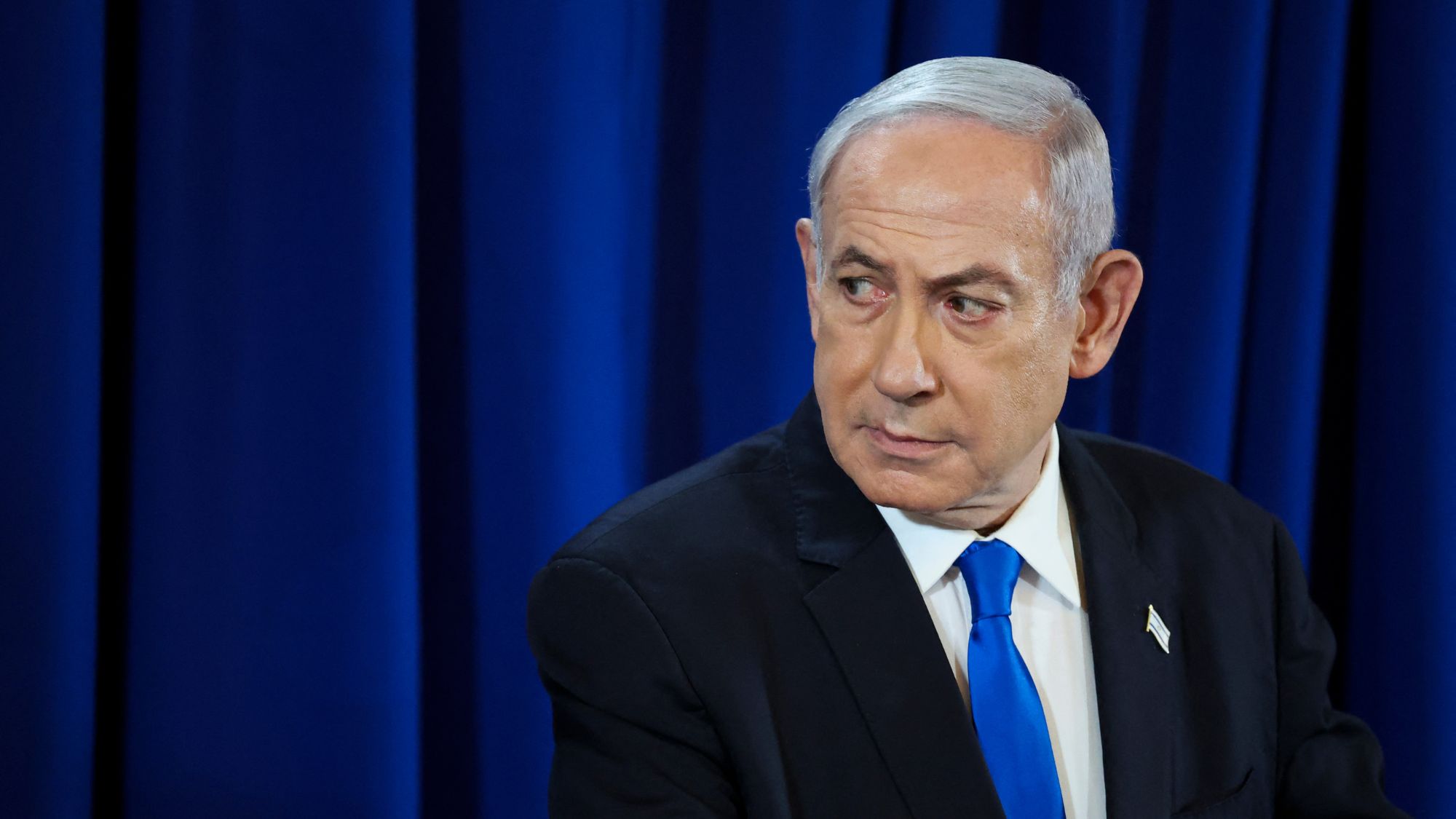
Benjamin Netanyahu spent weeks seeking approval for another air strike against Iran ahead of today’s election, but faced resistance from Israel’s military leadership, according to senior defence officials and people briefed on the discussions.
Chief of staff Lt Gen Eyal Zamir argued that there was no pressing military justification for an attack at that moment. He also reportedly feared that a separate, unspecified operation could provoke Iranian retaliation.
Who said what
Former defence minister Avigdor Liberman accused the prime minister of risking soldiers’ lives in order to improve his electoral prospects and called for an investigation. Netanyahu’s office did not immediately comment on the reports.
The “behind-the-scenes tensions” over a possible Israeli attack come as Netanyahu has been “publicly portraying the stakes of the election in increasingly apocalyptic terms”, said David M. Halbfinger in The New York Times. Over the weekend the PM posted an AI-generated image on social media of a mushroom cloud over Tel Aviv, claiming that the vote would decide “Israel’s existence”.
Netanyahu’s dire warnings “were a marked contrast with his triumphalism in the immediate wake of the wars on Iran that launched last year and this spring”, said Emma Graham-Harrison in The Guardian. Back in March Netanyahu said Israeli and US strikes had destroyed Iran’s ability to enrich uranium, and last year he laid claim to a “historic victory” over Iran that would remain for generations.
What next?
As Israelis head to the polls, Netanyahu’s party is neck and neck with that of former IDF chief of staff Gadi Eisenkot, who “has emerged as his strongest rival in a campaign that has revolved around everything from Israel’s security and military conscription to bread-and-butter issues like the economy”, said Matt Bradley on NBC News. |