The Week The Week
flag of US
US
flag of UK
UK
https://cdn.mos.cms.futurecdn.net/flexiimages/jzblygzdxr1769609154.gif

SUBSCRIBE

Try 6 weeks free

Sign in
  • View Profile
  • Sign out
  • The Explainer
  • Talking Points
  • The Week Recommends
  • Podcasts
  • Newsletters
  • From the Magazine
  • The Week Junior
  • More
    • Politics
    • World News
    • Business
    • Health
    • Science
    • Food & Drink
    • Travel
    • Culture
    • History
    • Personal Finance
    • Puzzles
    • Photos
    • The Blend
    • All Categories
  • Newsletter sign up Newsletter
  • Saturday Wrap, from The Week
    Ukraine corruption, Opec upended, and the Iran war

     
    controversy of the week

    Volodymyr Zelenskyy and the cancer of Ukrainian corruption

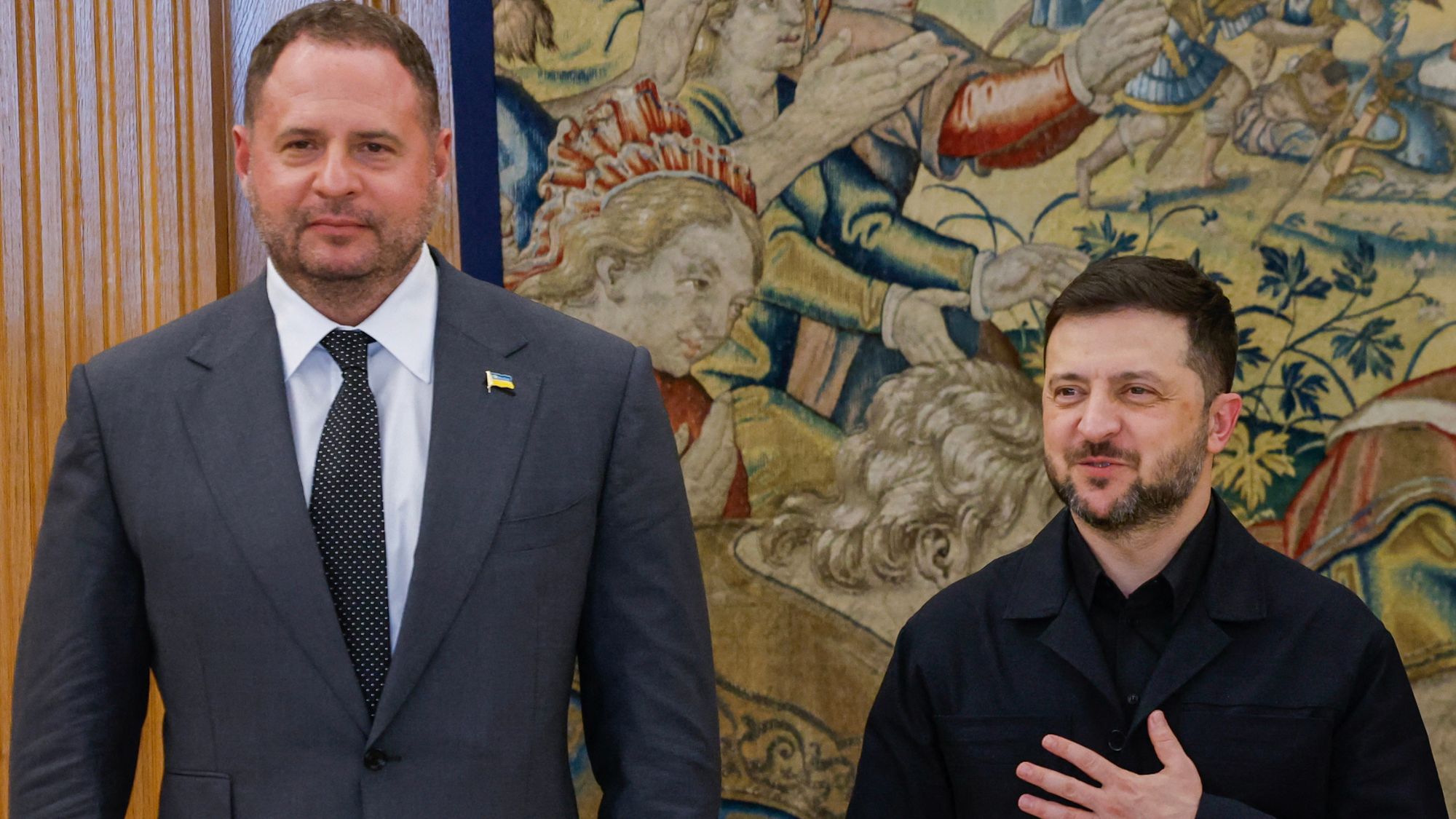
    Not long ago he was regarded as virtually Ukraine’s co-president, said Jamie Dettmer on Politico. Now, less than six months after being forced to resign as President Zelenskyy’s chief of staff, Andriy Yermak finds himself in custody. He was arrested last Thursday on suspicion of helping to launder $10.5 million (£7.8 million) via the construction of four luxury homes near Kyiv, some of the funds reportedly being part of the proceeds of a $100 million (£74 million) kickback scheme on contracts signed at Energoatom, the state’s atomic energy agency. Many of Zelenskyy’s allies have already been implicated in the wider case, including his former business partner Timur Mindich, who fled to Israel last year, and the former energy minister German Galushchenko, who was arrested in February while trying to flee the country. But Yermak’s arrest brings the matter to the very heart of the president’s inner circle, fuelling speculation about what Zelenskyy himself “may have known – or ought to have known”.

    Yermak’s arrest could prove disastrous for Zelenskyy, said Steve Gutterman on Radio Free Europe. In voters’ minds, there’s an “inseparable” link between the two men. They met in 2011 when both were working in television, and their close friendship and Yermak’s “outsize influence” as an unelected adviser mean that any stain on him could well “bleed over onto Zelenskyy”. The scandal also puts at risk Kyiv’s bid for fast-track EU membership, as one of Brussels’ key demands has been that Ukraine’s notorious corruption must be curbed. Zelenskyy has stayed “tight- lipped” since the Energoatom scandal broke in November, said Kateryna Denisova in The Kyiv Independent, but it may prove harder to downplay things this time round. He hasn’t been accused of wrongdoing himself, but ever since the name Vova (a diminutive for Volodymyr) popped up in a recently leaked audiotape conversation of two corruption suspects discussing a property development outside Kyiv, rumours about him have started to swirl.

    Given the ongoing war with Russia, all these allegations feel particularly egregious, said Paul Niland in the Kyiv Post. However, there is room for optimism. The $10.5 million mentioned in the Yermak case is a “far cry” from the $10 billion thought to have been stolen each year from 2010-14 under the former president, Viktor Yanukovych. Ukraine’s two anti-corruption agencies have been so determined to win the fight against graft that theft on that sort of scale is no longer possible. And there’s no clearer sign of that than the arrest of someone as powerful as Yermak.


    Briefing of the week

    The rise and fall of Opec

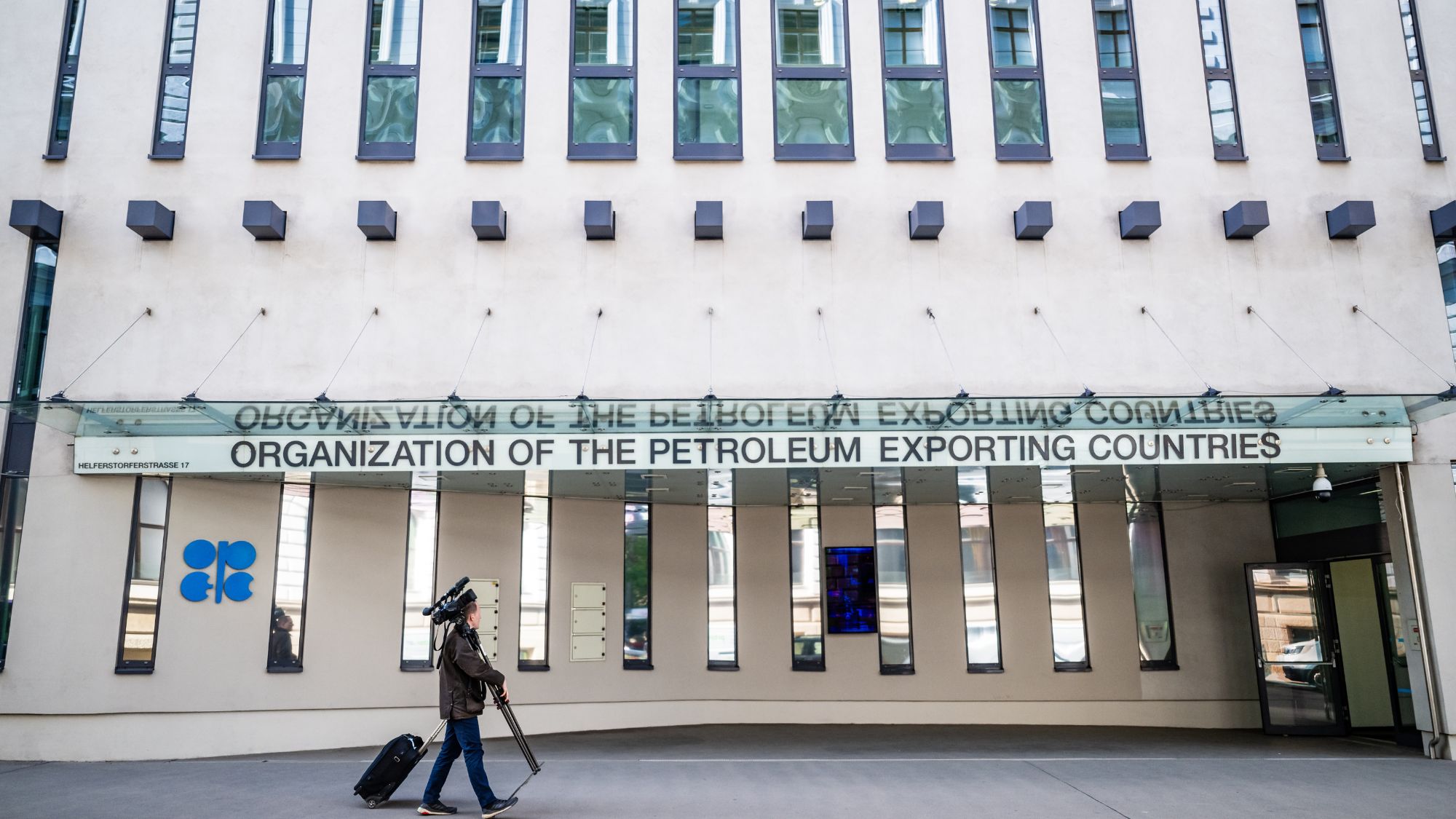
    Last month, the United Arab Emirates announced its withdrawal from Opec, threatening the once-mighty oil-producing group

    Why did the UAE leave Opec? 
    On 28 April, the UAE, which produces about 4% of the world’s oil, thanked the Organization of the Petroleum Exporting Countries (Opec) for “five decades of cooperation”, then resigned. Opec is an intergovernmental group that imposes production quotas on members to keep oil prices “fair and stable”, it says; economists see it as a classic example of a cartel, a group that collaborates to reduce competition and raise prices. The UAE is thought to have left because it wants to increase production, against the wishes of Saudi Arabia, Opec’s de facto leader, but it had also recently been attacked by another member, Iran. In theory, the UAE could now export more oil, lowering the commodity’s soaring price. But thanks to the continued closure of the Strait of Hormuz (through which over half of the UAE’s oil and all of its gas usually passes), and the chaotic state of the peace negotiations between the US and Iran, energy markets barely moved. Some analysts, however, called it “the beginning of the end of Opec”.

    Why was Opec created? 
    From the 1930s until the 1970s, a group of seven Anglo-American companies known as the “Seven Sisters” – the ancestors of today’s BP, ExxonMobil, Chevron and Shell – dominated the world oil market. They had secured long-term concessions across the Middle East, as well as in Venezuela and Indonesia, which meant they controlled over 80% of world supplies. Producer nations were initially given only modest payments in return. After the Second World War, oil-producing countries increasingly chafed under the Seven Sisters’ grip, often demanding a larger share of revenues. In 1951, Iran nationalised its oilfields, which was reversed by a US- and British-orchestrated coup. Around the same time, Saudi Arabia negotiated a 50:50 revenue-sharing deal with Aramco, the (then) US-owned Saudi oil company; this model soon spread. Even so, the Seven Sisters retained control over prices and production, as well as refining and distribution. Opec was created in response.

    How did it come into existence? 
    In early 1959, in response to growing Soviet oil production, the Seven Sisters cut prices by 10%, infuriating the oil ministers of Venezuela and Saudi Arabia, who started making plans that year in Cairo. In September 1960, shortly after another price cut, Opec was founded in Baghdad by Venezuela, Iran, Iraq, Kuwait and Saudi Arabia, in an effort to reshape the system in the producers’ interests. The first international organisation led by what was then called the Third World, Opec worked incrementally at first, driving “participation agreements”, which gradually transferred ownership of oil companies to host governments. But it also expanded its membership: Qatar, Libya, Indonesia, Algeria and Abu Dhabi (the largest emirate) joined in the 1960s; Nigeria joined in 1971. By 1973, when an oil crisis shook the world, Opec controlled more than half of global oil production.

    What happened in 1973? 
    In October, King Faisal of Saudi Arabia and his Arab allies – enraged by US support for Israel in the Yom Kippur War against Syria and Egypt, and Israel’s continuing occupation of East Jerusalem and the West Bank – convinced Opec to hike the price of oil from around $3.01 to $5.12 per barrel; the Arab nations also imposed an oil embargo on the US and other nations that backed Israel. By early 1974, the price had risen above $12 per barrel – a 300% increase. Although the embargo only lasted until March 1974, it triggered a two-year global economic crisis, creating oil shortages and spiralling inflation, and bringing the West’s postwar boom to an end, with all manner of long-term consequences.

    Did the strategy work? 
    The embargo’s main objective was to pressure the US into making Israel leave the Palestinian territories it had occupied in 1967. This didn’t happen, but Opec kept prices high through the 1970s: the decade saw one of the largest transfers of wealth in history, as “petrodollar” infusions from industrialised nations to nationalised oil firms allowed Opec members to fund massive infrastructure projects, build up their militaries, and establish welfare states. The Iranian Revolution of 1979 also kept prices up. At the same time, rich countries took steps to become less dependent on oil; while soaring prices encouraged new exploration, from Alaska to the North Sea, and the Soviet Union became a major producer.

    What effects did this have? 
    The resulting “oil glut” in the 1980s meant that Opec’s power drained away. Opec decreased oil production quotas to stabilise prices, but members failed to comply, producing above their limits; while non-Opec producers pumped out more to fill the gap. Saudi Arabia, frustrated and losing market share, opened the spigots in 1986, crashing the oil price. In the years after, quotas were largely restored – but Opec’s ability to affect world prices was relatively limited, and poorer members often chafed at the restrictions.

    What is the situation today? 
    US shale fracking technology meant that, in 2018, it overtook Saudi Arabia and Russia as the world’s largest producer. Partly in response to these changes, Opec+ had been formed in 2016. A looser group that includes big producers such as Russia and Mexico, it controls about 40% of the world’s output; but the complex, diversified global system limits its power, while smaller Opec members complain that policy is decided by the “Big Two”, Saudi Arabia and Russia. This was one reason why Qatar left Opec in 2019, damaging the image of a unified Middle Eastern bloc; Angola and Ecuador have also left. The UAE’s departure is on a different scale: it was the cartel’s third-largest producer. The immediate effects are limited by the Iran crisis. But without its “swing” capacity to increase production fast, Opec’s ability to act as a “global central bank for oil” is diminished.

    The long tail of the 1973 oil crisis 
    It’s hard to overstate the effects of the 1973 crisis and the “stagflation” that ensued, which exposed the great vulnerability of Western nations, raised unemployment sharply and accelerated deindustrialisation. It has been plausibly linked to everything from a great shift in the world financial order to the invention of punk rock. In the UK, it speeded up the development of North Sea oil and gas fields (discovered in 1965), and the adoption of natural gas for home heating; France pivoted sharply to nuclear power. Energy conservation only became a priority as a result of the crisis. In the US, it permanently changed the car industry, opening up the market for lighter, more fuel-efficient – often Japanese – vehicles. This, in the long run, helped make the Toyota Corolla the bestselling car of all time.

    There were also unanticipated consequences in Saudi Arabia, where the monarchy used the great oil wealth created to promote a puritanical, fundamentalist version of Islam. (Among the beneficiaries of the ensuing construction boom around holy sites were the bin Laden family.) This was partly to counter the spread of left-wing ideas in the Arab world, though King Faisal, a pious man, was said to be sincerely horrified by “the spiritual dangers of easy affluence”.


    Spirit of the age

    A fifth of UK air travellers have taken a round trip lasting less than 24 hours this year, according to Expedia. Many will have been “extreme day trippers”, flying as far as Delhi and back in a day, to notch up the experience without having to pay for a hotel. The trend is being driven by young people: according to polling commissioned by the travel company, 19% of millennials, and 17% of Gen Zers, plan to fly somewhere for a day this year. Extreme flyers say that flights are so cheap, they can often get from the UK to a European capital and back for less than a night out at home. And tour operators are increasingly capitalising on the social media-fuelled trend, despite concerns about its environmental impact and contribution to over-tourism.


    VIEWPOINT

    The real Tommy Robinson

    “Whenever Tommy Robinson appears in the news, he is described as the person ‘whose real name is Stephen Yaxley-Lennon’. This statement has the merit of being true, but why do we all repeat it with such relish? It is equally a fact that the Green Party leader, Zack Polanski, was called David Paulden but changed his name at the age of 18. He did so to restore his Jewish heritage, effaced by persecution. Why do the media not always mention his change of name? Elton John also has a real name, Reg Dwight. Unusually, when knighted, he was able to call himself Sir Elton rather than Sir Reg. Why does he never get the Robinson treatment?” 

    Charles Moore in The Telegraph


    talking point

    The war with Iran: stalemate, or checkmate?

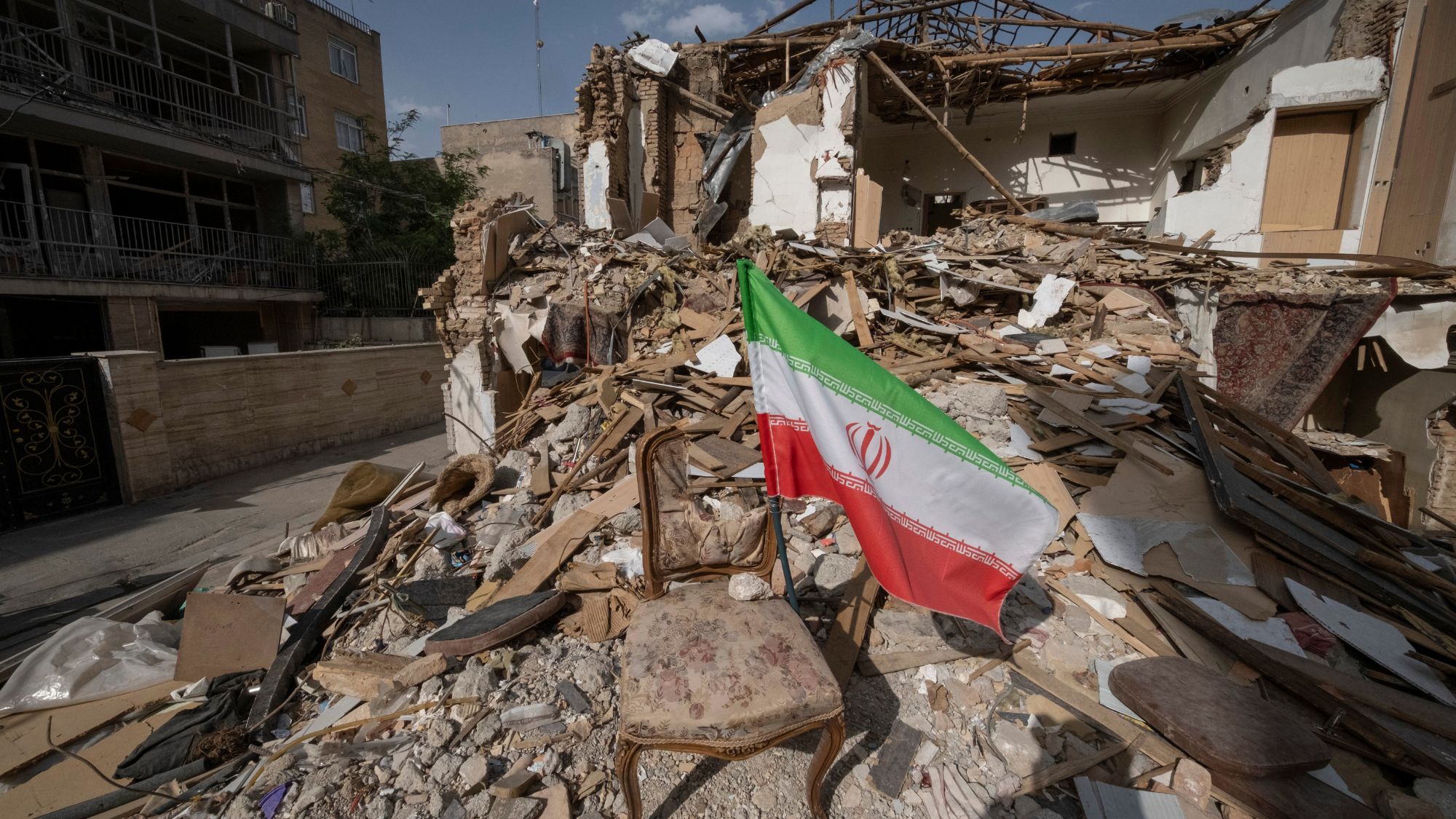
    A rare event occurred last week, said Fred Kaplan on Slate: President Trump posted a completely accurate observation on social media. Commenting on Iran’s response to a US ceasefire proposal, he declared it “totally unacceptable”. He’s right about that. Iran’s statement – which included no concessions and a long list of demands, including war reparations, the lifting of all sanctions and Iran’s continued control over the Strait of Hormuz – read like something “the winner of a war would issue”. The question is, what can Trump do about it? He has repeatedly threatened to resume bombing Iran if the regime rejects his peace proposals, but it’s hard to see what that would achieve. If the 38 days of devastating air strikes that began on 28 February failed to bring Tehran to heel, what difference would obliterating a few more targets make?

    “If this isn’t checkmate, it’s close,” said Robert Kagan in The Atlantic. Trump halted the bombing campaign on Iran “not because he was bored, but because Iran was striking the region’s vital oil and gas facilities”. If he’s not willing to accept the risk of more such retaliation, or to mount a full-scale ground and naval war to remove the Iranian regime, “walking away now could seem like the least bad option”. Trump, to his credit, shows no sign of wanting to “wiggle out of this conflict” or sign some meaningless deal, said Noah Rothman in National Review. He’s rightly determined to stop Tehran getting a nuclear weapon. But to succeed, he’ll need to solicit the public’s support for this project, which requires showing a bit more patience and “humility”. He’s not going to win people over by branding all critics “stupid”, or dismissing the inflationary effects of the war. He recently claimed that he was motivated only by the nuclear issue, saying “I don’t think about Americans’ financial situation at all”. That quote is going to be used against him in countless Democratic campaign adverts.

    Trump’s rudeness and arrogance has also made Nato allies very disinclined to come to America’s aid, said Thomas L. Friedman in The New York Times. Which is too bad, as the administration could really do with their help. The reality is that it’s in all of our interests to fix the Iran situation. It will be terrible for Europe if Tehran is allowed to decide who can and who can’t pass through the Strait of Hormuz. And it will be worse still for the Arab Gulf states that rely on the channel, endangering their modernising, pluralistic reforms. “The Dubai model is precisely the one Tehran wants to destroy.” It’s understandable that Nato allies are loath to help Trump, but make no mistake: “we will all reap the whirlwind if Iran comes out of this stronger”.


    It wasn’t all bad

    An RAF pilot who was shot down over northern France in May 1940 was finally buried this week in a ceremony led by members of his 607 Squadron. Sqn Ldr George Morley Fidler was 28 when his Hurricane was overwhelmed by the Luftwaffe. In the chaos on the ground, a pilot assumed to be him was hastily buried, and later moved to a nearby military cemetery. Then, in 2022, engineers working on a canal found his Hurricane buried deep in mud, and a body in the cockpit. He was buried in France on the 86th anniversary of his death.


    People

    Victoria Pendleton

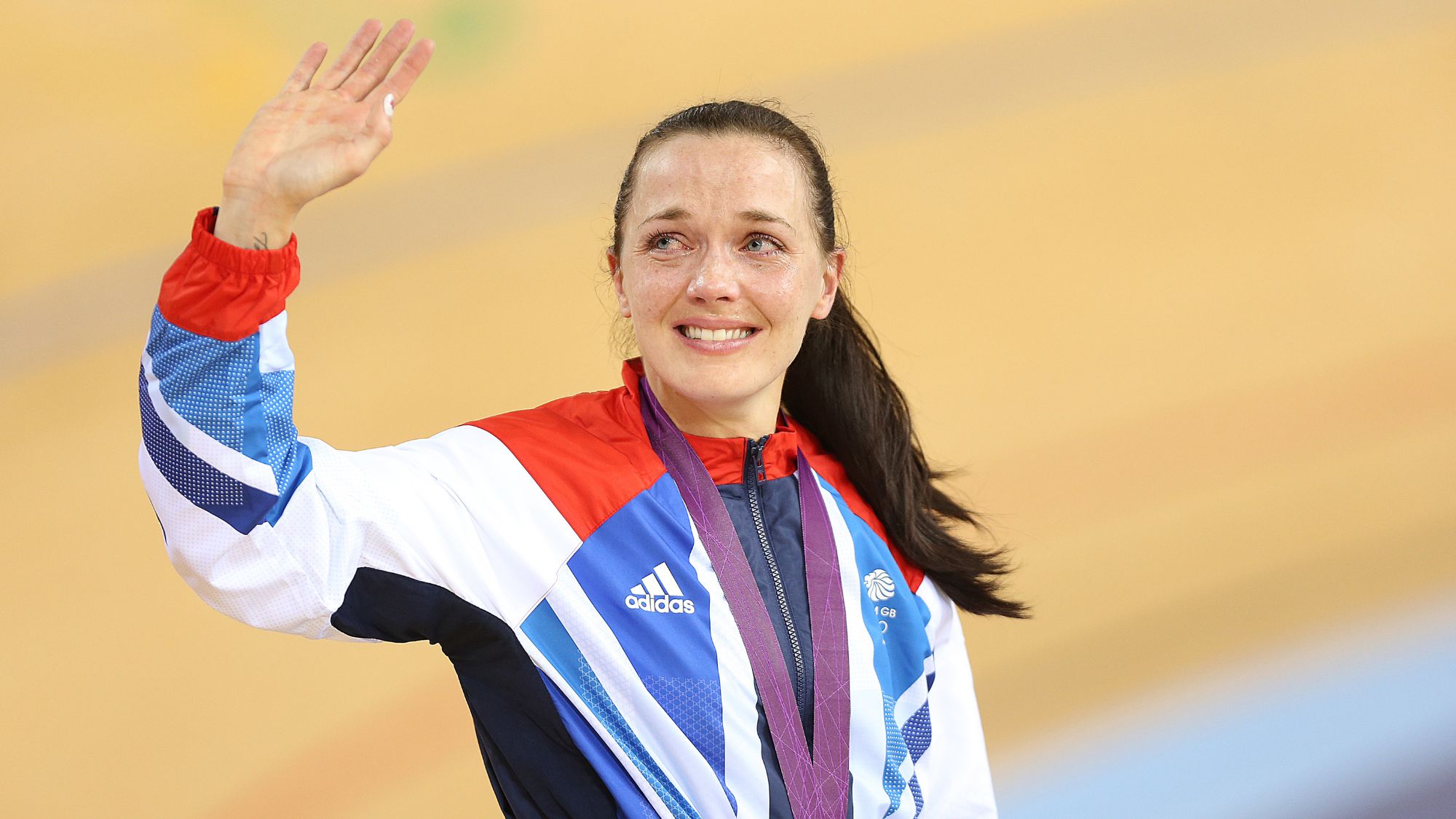
    Victoria Pendleton “was and remains the OG poster girl for British female cycling”, says Louise Carpenter in The Times. But her success – she won gold at the 2008 Beijing Olympics and London 2012 – took a terrible toll, both physically and mentally. For years, she pushed herself to her limits. She self-harmed, and felt isolated and bullied; after retiring, she suffered bouts of severe depression.

    In truth, her relationship with cycling had been complicated from the off. Her late father, Max, was an obsessive amateur who pushed Victoria and her twin brother Alex on long rides from the age of nine. Victoria, a petite child, would chant to herself of her father, “He doesn’t love me, he doesn’t love me,” to push her legs to keep going. She and Alex were pitted against each other in races. Then, at 15, he stepped away. “I was highly strung,” she says. “Alex was really relaxed. He was very much, ‘This doesn’t serve me, I won’t do it.’ His understanding of suffering and reward was much more balanced than mine. He’d be like, ‘Do you know what, I think I’d be happier if I just did this instead.’” Though their interests diverged, they remained extremely close.

    Then, three years ago, Alex died of cancer. She was devastated by his death, and she still is. But today, alongside her grief, she tries to feel grateful that she had him in her life for 42 years. “Alex was like a perfect dance partner, and as I get older, I start to see life more like a dance than hard work.”


    Image credits, from top: Oscar Del Pozo / AFP via Getty Images; Christian Bruna / Getty Images; Morteza Nikoubazl / NurPhoto / Getty Images; Ian MacNicol / Getty Images
     

    Recent editions

    • Evening Review

      Enhanced sport: a dangerous game?

    • Morning Report

      Watchdog releases single-sex space guidance

    • Evening Review

      Migration is down. Voters don’t believe it

    VIEW ALL
    TheWeek
    • About Us
    • Contact Future's experts
    • Terms and Conditions
    • Privacy Policy
    • Cookie Policy
    • Advertise With Us
    • FAQ
    Add as a preferred source on Google Add as a preferred source on Google

    The Week UK is part of Future plc, an international media group and leading digital publisher. Visit our corporate site.

    © Future Publishing Limited Quay House, The Ambury, Bath BA1 1UA. All rights reserved. England and Wales company registration number 2008885.