Last week, plans to overhaul England’s system of county councils and local authorities were abruptly paused. What’s going on?
What was meant to be happening?
At present, in much of England outside major cities, county councils provide one set of services, and district and borough councils another. County councils cover education, transport and roads, town planning, fire and public safety, social care, and services such as libraries; while district and borough councils, covering smaller geographical areas within the counties, look after more locally focused services such as rubbish collection and recycling, council tax collections, council housing and planning.
The government’s plan, known as local government reorganisation (LGR), was to replace this two-tier system with “unitary authorities”, bringing all responsibilities together into one body, by early 2028. In five authorities – Surrey, Essex, Hampshire, Norfolk and Suffolk – this process was launched in 2025. In one of the last announcements of Keir Starmer’s government, Steve Reed, then then secretary of state in the Ministry of Housing, Communities and Local Government (MHCLG), said 14 other councils would also be reorganised.
Why were they being merged?
The two-tier system, which dates back to the 1970s, was brought in to ensure a balance of central services designed to cover a large geographical area, and local responsiveness on smaller-scale matters. But according to Reed, when setting out these plans in December 2024, the system leads to “outdated and misaligned structures that slow down delivery, fragmenting public services, hampering housebuilding and slowing down important decision making”.
Unitary authorities already cover much of England. In 1986, 32 London boroughs and 36 other metropolitan districts became unitary authorities. Since the mid-1990s, 62 other unitary authorities have been created, most recently North Yorkshire, Somerset and Cumbria; over 65% of England’s population already lives in one. The hope was that consolidation would produce major savings, reducing management, back-office operations and other kinds of duplication – and that it would help give more efficient services to residents.
So what happened?
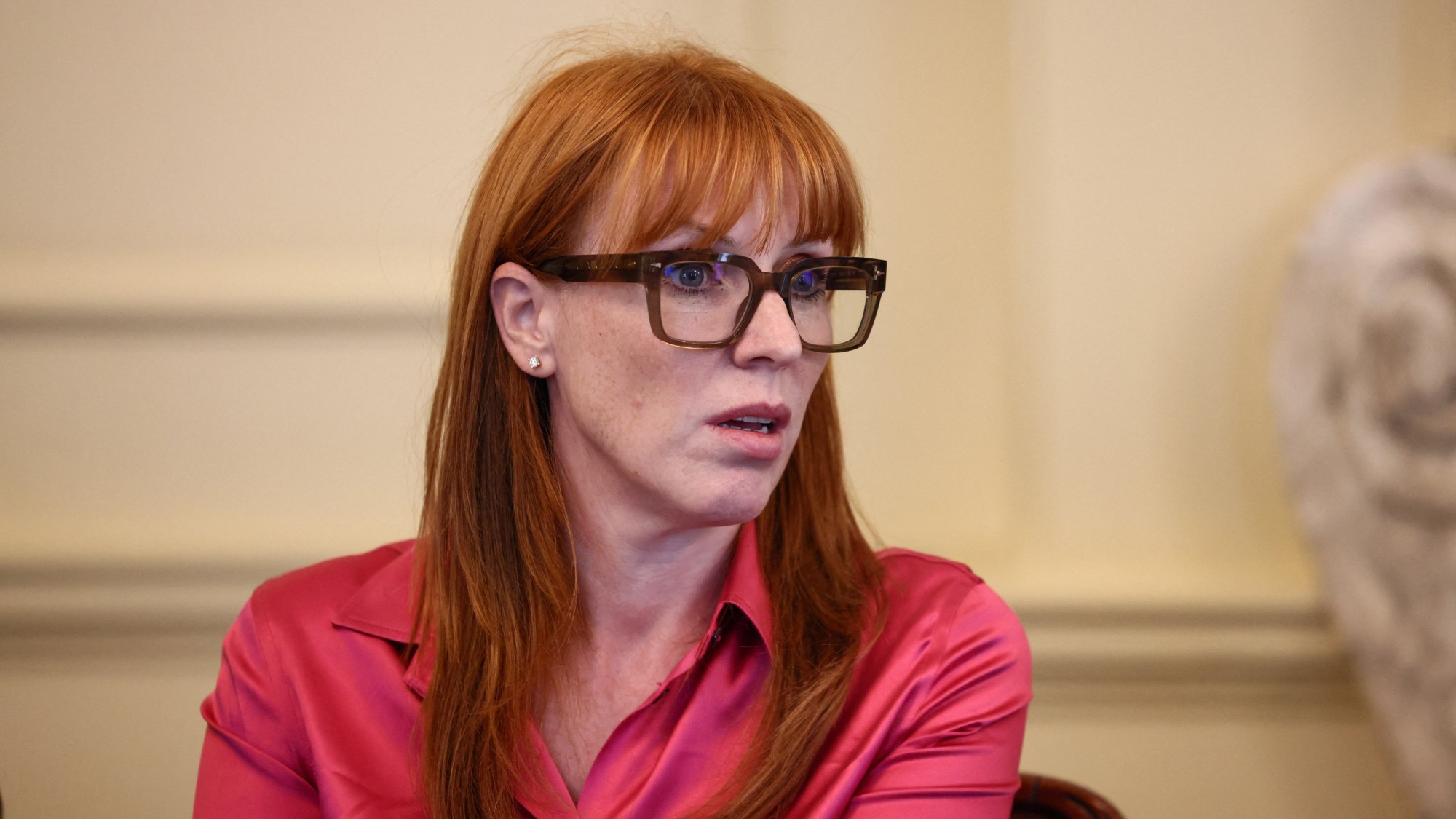
LGR has triggered fierce resistance across England. Essex County Council, now led by Reform UK, challenged the government’s proposals in court; Norfolk, Suffolk and Hampshire were following suit. There were objections from Devon to Rutland. Last Monday, the new MHCLG minister, Angela Rayner, officially announced the withdrawal of all LGR proposals for Essex, Norfolk, Suffolk and Hampshire. A further 14 council reorganisations were paused pending a “rapid review”. The only LGR process now going ahead is in Surrey.
Why were the plans opposed?
Many council leaders were furious that central government was choosing to “rearrange the deckchairs”, when they are already facing so many challenges: debt, social care, special educational needs, housebuilding.
The proposed reorganisations were often highly complex. For Essex, the plan was to turn one county council, 12 low-tier councils and two existing unitary councils into five streamlined unitaries by 2028. This would have greatly reduced the number of councillors (from about 700 to perhaps 430), a deliberate policy to reduce costs. The plans, complained Peter Harris, Reform leader of Essex County Council, are “ill-thought, expensive, purely ideological in nature and seek to create further democratic distance between the people of Essex and their elected local politicians”.
What other objections were there?
In some cases, the issue was whether the new authority would be financially viable: the proposed East Norfolk Council would have been one of Britain’s poorest. In Devon, the plan was to merge eight existing second-tier authorities and one county council into four unitary authorities: three based on Plymouth, Exeter and Torbay, and one covering the very large, impoverished “rural rump”, with a vast road network.
The residents of Rutland, England’s smallest county, home to 41,000 East Midlanders, objected that their small unitary authority was to be subsumed into a bigger unitary in neighbouring Leicestershire. The county’s MP, Tory Alicia Kearns, said Rutlanders would “have our identity stripped from us”. Several historic UK cities were also cited as being at risk of being legally demoted to “towns”: Canterbury City Council was to be absorbed into East Kent Authority, perhaps losing its city status.
Is there still a case for going through with LGR?
Yes. North Yorkshire Council, for instance, is an advocate for the process. It has achieved £68 million in recurring annual savings, since it merged seven district councils and one county council into one in 2023 – by removing duplicated senior executives, using smarter central procurement, pruning unneeded offices, and so on.
But the overall financial benefits and costs of LGR are disputed. A PwC report commissioned by the County Councils Network found, in 2020, that savings of £2.9 billion could be made. But this is contested: the BBC found that the government had failed to do “its own analysis of the costs”. The transition itself would be costly: the PwC report found that it could cost £850 million. Norfolk County Council said it would cost it £96 million.
What’s happening now?
It’s unclear whether this is just a pause, or the end of the LGR process. Rayner said: “In light of legal advice, I want to satisfy myself firstly that the right process is in place, that it is robust, and of course complies with the law.” She added that she wanted to be sure it met “the priorities of a new administration”. There was satisfaction in local authorities, but also anger. “The most ambitious change to local government in a generation now looks in danger of becoming a colossal white elephant – a huge drain on time, resources and goodwill,” said the Local Government Intelligence Unit, a think tank.
Surrey divided, Middlesex reborn
In Surrey County Council, the LGR process is so far advanced that it is going ahead. It is being split on 1 April 2027 – “Vesting Day” – to form two unitaries called East and West Surrey. Surrey has already held elections to its new “shadow authorities” – councils-in-waiting, ready to go into action next April. Surrey County Council and 12 district councils will be replaced with two unitary authorities, and 13 chief executives reduced to two. As part of the reorganisation, a central government initial £500 million payout has been made to cover a £2 billion debt racked up by Woking County Council.
During this process, a famous name from the past may return. Middlesex, one of the smallest historic counties of England, the homeland of the Middle Saxons, once covered all of what is now London north of the Thames. It was gradually eaten up by the capital, and in 1965, the Greater London Council was created, and Middlesex County Council abolished. Some areas north of the river, such as Shepperton and Staines, were added to Surrey County Council. Local councillors have asked Rayner to approve its renaming as West Surrey and South Middlesex. “We are putting a historic wrong right,” said Liberal Democrat councillor Harry Boparai.