The Week The Week
flag of US
US
flag of UK
UK
https://cdn.mos.cms.futurecdn.net/skoGBi9qKFoUtnNWkovjJQ.jpg

SUBSCRIBE

Try 6 Free Issues

Sign in
  • View Profile
  • Sign out
  • The Explainer
  • Talking Points
  • The Week Recommends
  • Podcasts
  • Newsletters
  • From the Magazine
  • The Week Junior
  • More
    • Politics
    • World News
    • Business
    • Health
    • Science
    • Food & Drink
    • Travel
    • Culture
    • History
    • Personal Finance
    • Puzzles
    • Photos
    • The Blend
    • All Categories
  • Newsletter sign up Newsletter
  • Sunday Shortlist, from The Week
    A ‘twisty-turny’ thriller, and a powerful ‘portrait of sisterhood’

     
    TV REVIEW

    Steal 

    Sophie Turner dazzles in ‘glossy’ Amazon Prime heist thriller 

    While Prime Video may lack the “cut-through” of Netflix, Amazon’s streaming service has “quietly found a groove in the past few months delivering a number of glossy, twisty-turny thrillers featuring British lead actors”, said Tim Glanfield in The Times.

    “This latest effort, ‘Steal’, is a case in point.” A six-parter, it stars the “Game of Thrones” alumna Sophie Turner as Zara, “a hard-living, disillusioned 20-something” working for a big pension fund in the City of London.

    “Hangover-induced nosebleeds aside”, Zara’s life is pretty uneventful – until “an audacious group of thieves wearing unnerving prosthetics violently storm her building and force the employees to deploy $4 billion [£2.9 billion] of trades to six unknown bank accounts”.

    The heist is “only the beginning, in a sleek thriller that keeps changing in form”, and Turner – who is “soon to be seen as Lara Croft in a TV reboot of ‘Tomb Raider’” – demonstrates that she has the “depth and range” to carry a major series.

    Sitting somewhere between “Industry” and “Die Hard”, this is a “lean, entertaining, no-fuss thriller”, said Rebecca Nicholson in the Financial Times. The “thumpingly ominous soundtrack” is rather overused, but in every scene, tension is ratcheted to its maximum, and Turner is perfectly cast, revealing herself to be “an unlikely new Bruce Willis”.

    What is really surprising, though, is that “amid all the action”, this thriller “finds room for thought”, said Lucy Mangan in The Guardian. While never taking its foot off the gas, it becomes “a meditation on the notion that the love of money is the root of all evil”.


    FILM REVIEW

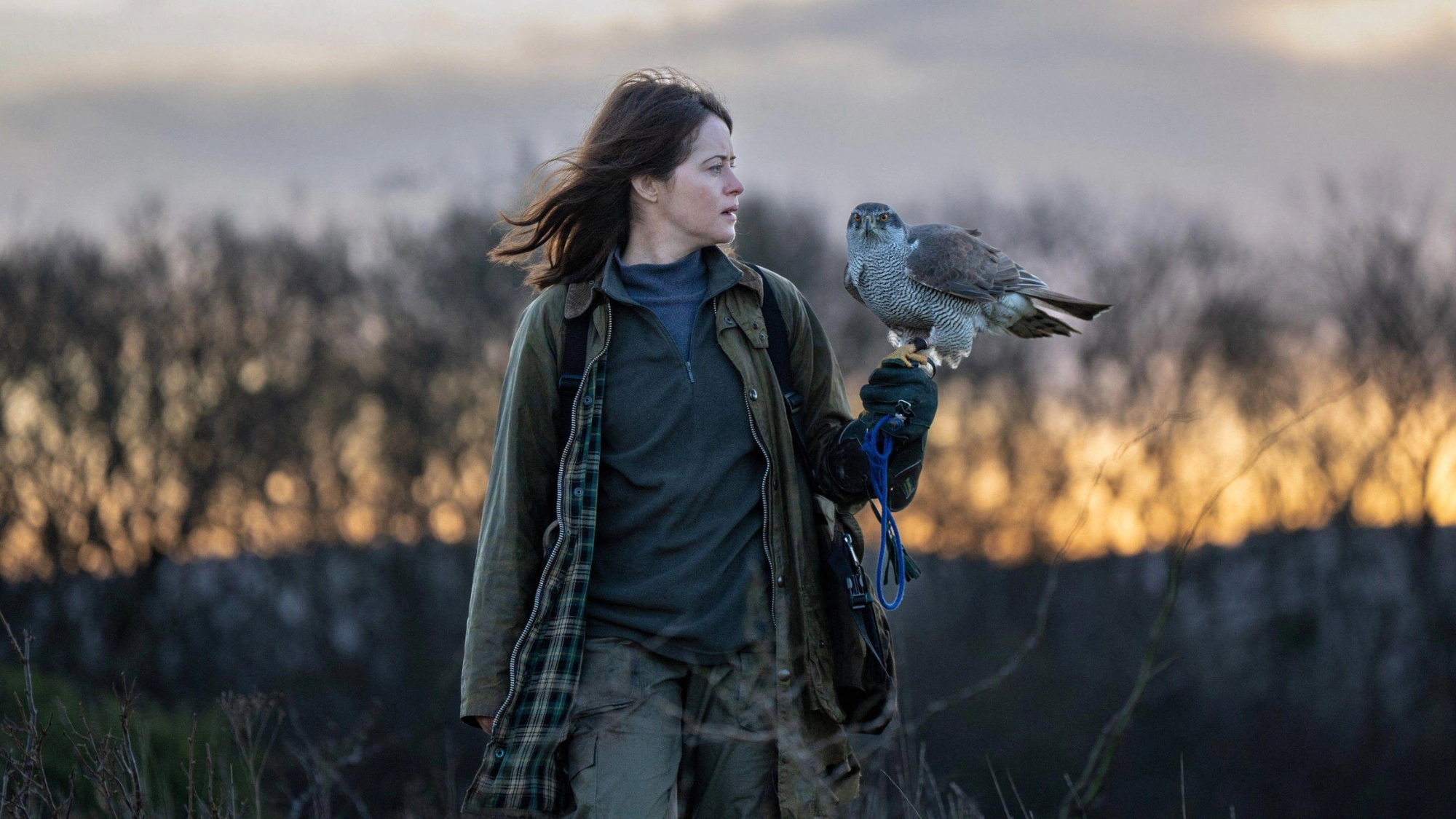
    H is for Hawk

    Moving adaptation of Helen Macdonald’s bestselling memoir

    When any “beloved work of literature” is made into a film, there’s always a “niggling worry” that the book will not be “fully realised” on screen, said Wendy Ide in The Observer. But happily, this adaptation of Helen Macdonald’s bestselling 2014 memoir does ample justice to its source material.

    The film stars Claire Foy as Helen, an academic whose life falls apart when her photographer father (Brendan Gleeson) dies.

    With her career derailing, she buys a goshawk she names Mabel, and becomes “obsessed” with the idea of training it. Her falconry buddy Stuart (Sam Spruell) has warned her that hawks are “perfectly evolved” psychopaths, but she starts to feel a deep connection with Mabel.

    Foy, “who seems undaunted by having her face well within gouging distance” of the bird’s beak and claws, gives a “terrific, committed performance”, and the film cleverly “streamlines the multi-stranded structure of the book ... without diminishing its candour and emotional heft”.

    The film is rather slow, said Matthew Bond in The Mail on Sunday, but “I liked it”. The flying sequences are “fabulous” – though you pity the rabbits and pheasants that get in Mabel’s way – and the ending is “unexpectedly lovely”.

    “Foy is excellent”, said Deborah Ross in The Spectator, and the film isn’t too “Hollywood”: there are no “flashes of sudden insight”, for instance. But I did find myself wondering, “is it right, keeping a wild animal captive”?

    For a lot of the film, this “magnificent” bird just sits in Helen’s living room, “tethered to her perch, ankles in chains, wearing one of those creepy hoods that blocks all vision”. Macdonald’s story is told perfectly well, “but if you are #TeamMabel, your empathy may not be where the film wishes it to be”.


    BOOK OF THE WEEK

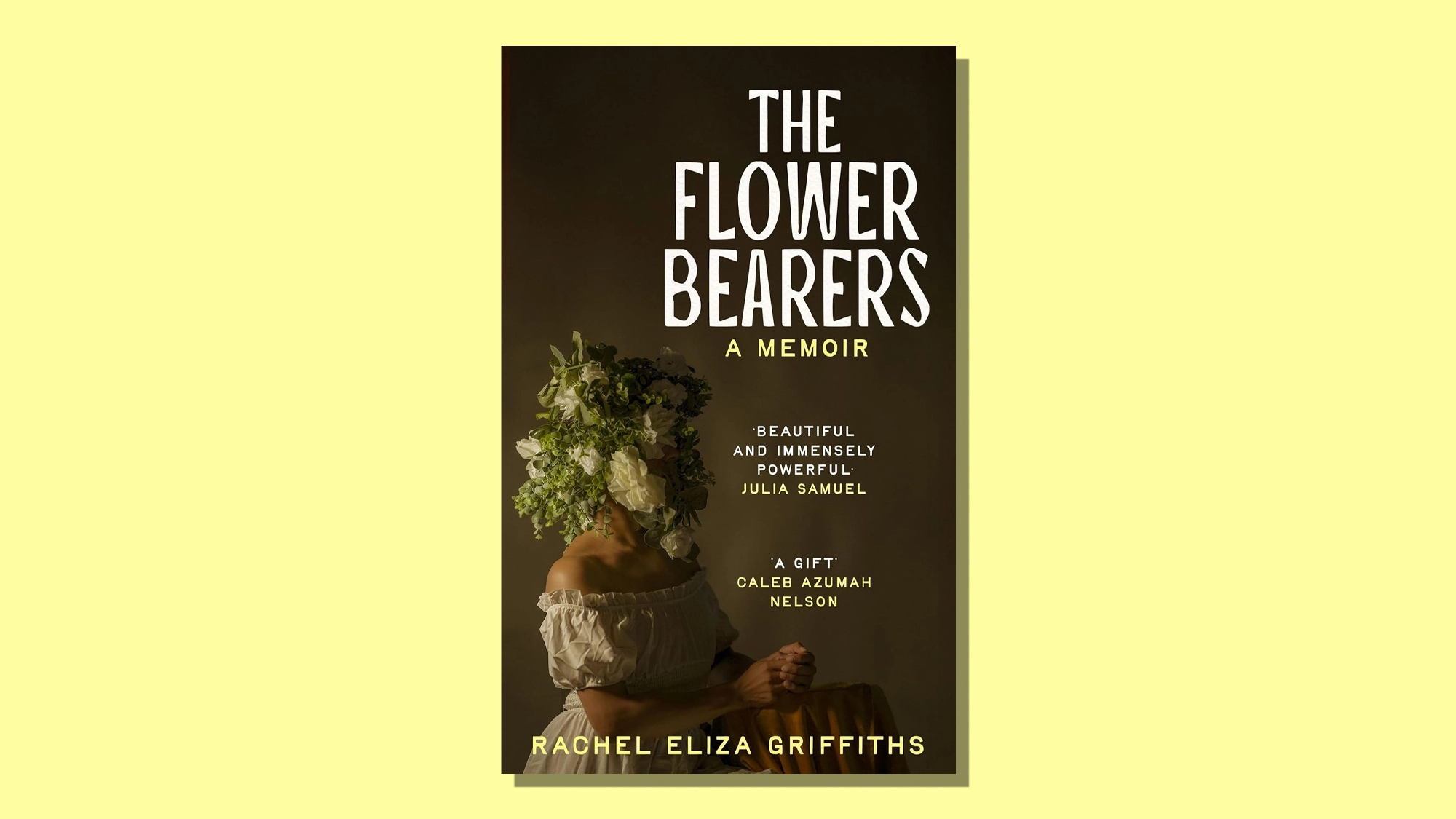
    The Flower Bearers 

    by Rachel Eliza Griffiths 

    Rachel Eliza Griffiths’ memoir opens in 2021, on the day of her wedding to Salman Rushdie. “I am marrying a man that some people have deemed dangerous,” she writes. “What harm could find us on such a day?” One might assume that these “overt intimations of tragedy” refer to the attack on Rushdie 11 months later, in which he was stabbed 15 times and lost sight in his right eye, said Stephanie Merritt in The Observer. But “in fact, her account of the attack comes relatively late in the book, the greater part of which is concerned with the tragedy that preceded it – one that didn’t make international headlines”.

    This is the death, from unknown causes, of her best friend and fellow poet Kamilah Aisha Moon, who’d been expected at the wedding, but had “failed to turn up”. Only late on the day itself did Griffiths learn what happened, making it “the best and worst day of my life”. Her memoir – which is “preoccupied with death and trauma” while also being, at times, “surprisingly funny” – is an account of Griffiths’ “formation as a poet and artist, an evolution inseparable from her friendship” with Moon.

    This is a “frank and disorientating memoir”, said Helen Brown in The Telegraph. It records the abuse Griffiths experienced as a child, and the depression and anxiety that hospitalised her several times in her 20s. Despite her desire to write, she “struggled to find the words to break through her numbness”. It was only after meeting Moon, while studying creative writing in New York, that she began to recognise her artistic talent. Infected with “literary madness”, the pair “exchanged stories of trauma”, bonded over the black writers they loved (Alice Walker, June Jordan, Lucille Clifton), drank too much and wrote poetry together, said Leigh Haber in The Washington Post. While others discouraged Griffiths from writing, “Moon cheered her on”. Now, in this “open wound of a memoir”, she has honoured the woman she came to regard as her “chosen sister”.

    Griffiths also writes movingly of her relationship with Rushdie, whom she met in New York in 2017, said Fiona Sturges in The Guardian. While their early courtship is tinged with comedy – at their first meeting, he “collided with a plate-glass door that he thought was open” – their relationship becomes subsumed in the darker themes of the book. “Evocative” and “full-bodied”, if at times a “little overcooked”, “The Flower Bearers” is a “visceral depiction of violence, loss and emotional devastation” – but also a powerful “love story” and “portrait of sisterhood”.


    OBITUARY

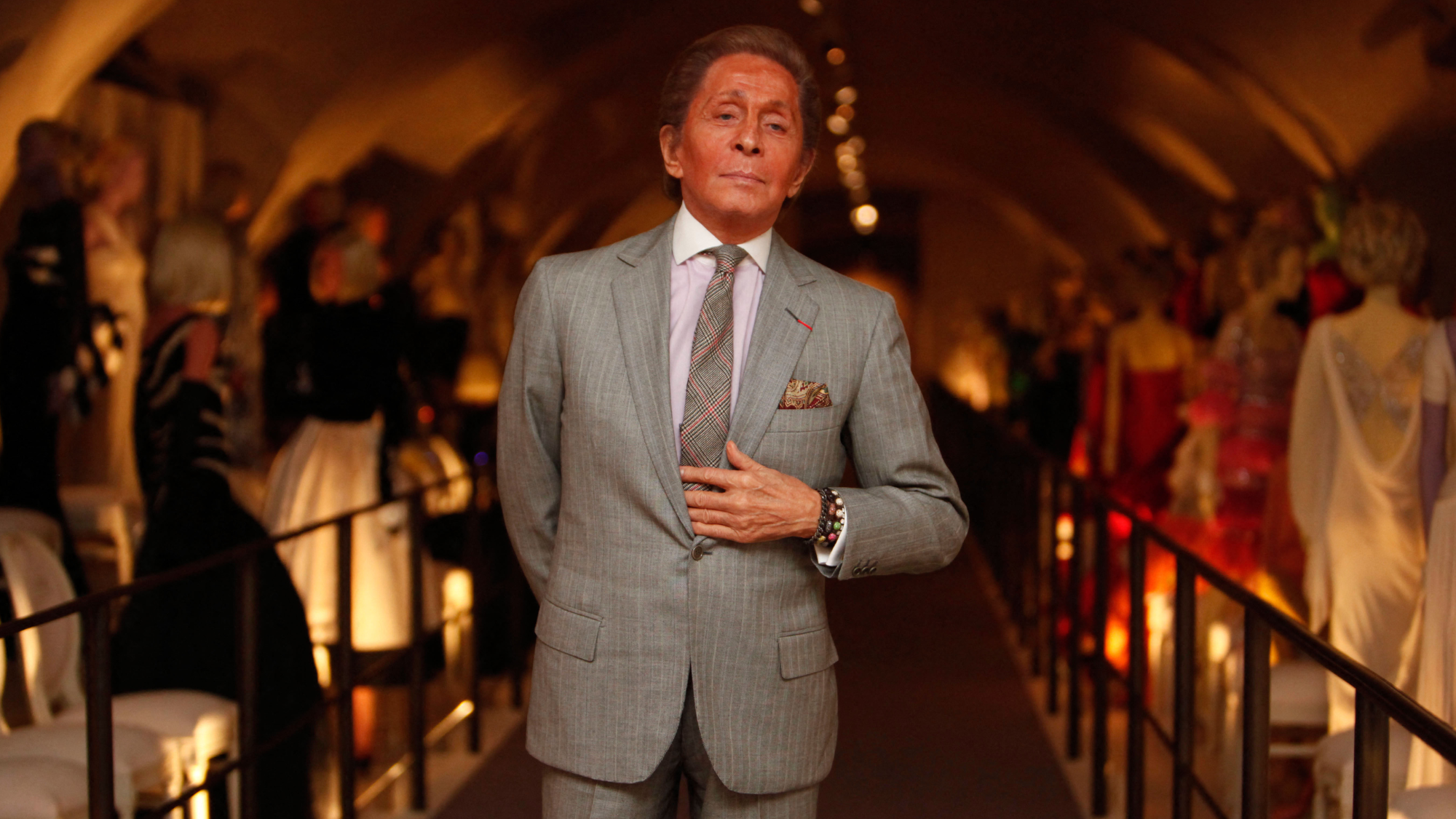
    Valentino Garavani

    Couturier who dressed Jackie Kennedy and Elizabeth Taylor

    Valentino Garavani was the last of the great 20th-century couturiers, said The New York Times. He founded his company in Rome just before the era of La Dolce Vita, and went on not only to dress princesses and movie stars – but to become their equal, “with his own palaces, movable court and signature shade of red”. Perma-tanned, “his hair blow-dried to immobile perfection”, and always known by his first name (or as Mr Valentino), he created a vision of high Italian glamour that he sold around the world. In the process, he paved the way for other Italian brands including Versace and Armani, and established himself as a national icon. “In Italy, there is the Pope – and there is Valentino,” Walter Veltroni, the then-mayor of Rome, told The New Yorker in 2005. 

    He was born in Lombardy in 1932, the son of a well-off electrical wholesaler, and started to develop specific tastes early on, said The Telegraph. Aged six, he cried when his mother made him wear a “coarse” bow tie that ruined the effect of his navy suit; and in his teens, he asked to have his jumpers made to order, so that he could specify their pattern and colour. He decided to become a designer after seeing the “Ziegfeld Follies” (1945) and being entranced by the film’s extravagant costumes. His parents supported his ambition, and when he was 17 they arranged for him to study fashion in Milan, and later at the Chambre Syndicale de la Couture, in Paris. After several years of working for other couturiers, he opened his own studio in a fashionable neighbourhood of Rome in 1960. 

    That year, he met Giancarlo Giammetti, an architecture student, at a café, who became his friend, lover (for a time) and business partner. “There are only three things I can do,” Valentino once said. “Make a dress, decorate a house, and entertain people.” Giammetti took care of everything else. In 1962, Valentino’s collection made a splash in Florence. Two years later, Jacqueline Kennedy bought six dresses from him, which she wore in mourning for her assassinated husband. This won him global recognition and a slew of other glamorous clients, from Elizabeth Taylor and Audrey Hepburn to Queen Noor of Jordan. His all-white collection in 1968 found favour with the influential Vogue editor Diana Vreeland, and in the 1970s he launched his first eponymous perfume. Countless lucrative licensing deals followed. With money pouring in, he was able to remain based in Rome (rather than moving to the fashion capitals of Paris or Milan) – and to live in splendour. His homes, which he filled with priceless art and shared with his pet pugs and an entourage of friends, included a penthouse off Fifth Avenue, a villa on Rome’s Appian Way, a mansion in London’s Holland Park, a château in France, a hilltop estate in Tuscany, and a chalet in Gstaad. 

    Valentino did not seek to reinvent himself, said The Times. His style evolved but his designs remained grounded in the “timeless elegance” of old Hollywood and “a specifically Italian ideal of womanhood”. Julia Roberts, Jennifer Lopez and Anne Hathaway were among his more recent celebrity clients. “Fashion is not so complex,” he said. “It is about making a woman beautiful. That and nothing else.” He and Giammetti finally sold the business in 1998, for $300 million (£217 million). His many awards included France’s Légion d’honneur. In 2008, he was the subject of a feature documentary entitled “The Last Emperor”. Following his death last week aged 93, 10,000 people queued to pay their respects while he lay in state in Rome. All the fashion world, from Donatella Versace and Tom Ford to Anna Wintour, then turned out for his funeral, where Giammetti delivered the eulogy. He is survived by Bruce Hoeksema, his partner of more than 40 years.
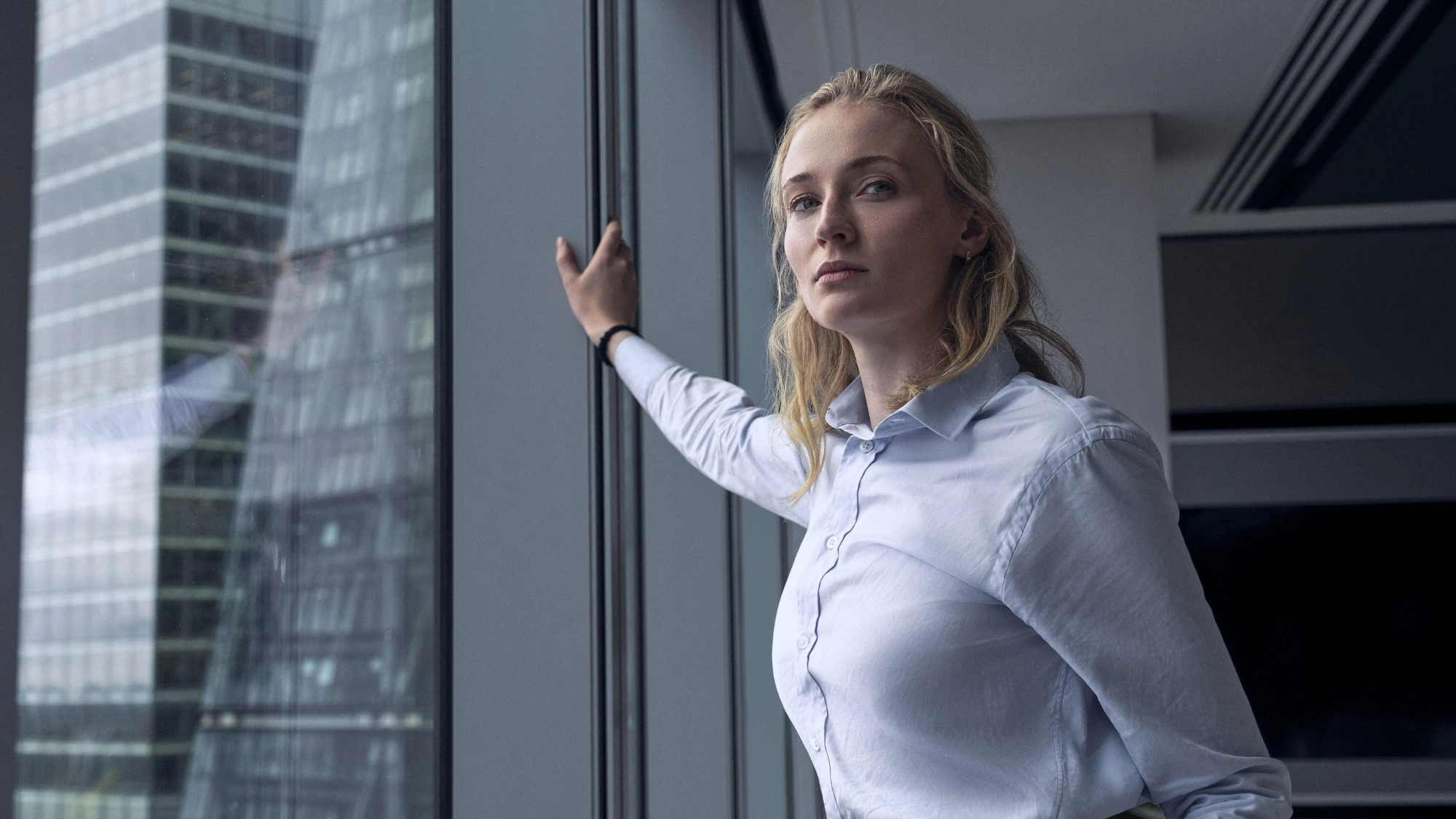


    Image credits, from top: FlixPix / Alamy; Roadside Attractions / Courtesy Everett Collection / Alamy; John Murray; TC / Alamy
     

    Recent editions

    • Saturday Wrap

      Has Trump finally lost it?

    • Evening Review

      Soaring student debt

    • Morning Report

      Starmer opens door to UK visit for Xi

    VIEW ALL
    TheWeek
    • About Us
    • Contact Future's experts
    • Terms and Conditions
    • Privacy Policy
    • Cookie Policy
    • Advertise With Us
    • FAQ
    Add as a preferred source on Google

    The Week UK is part of Future plc, an international media group and leading digital publisher. Visit our corporate site.

    © Future Publishing Limited Quay House, The Ambury, Bath BA1 1UA. All rights reserved. England and Wales company registration number 2008885.