Fleet Street editor and chronicler of the Swinging Sixties
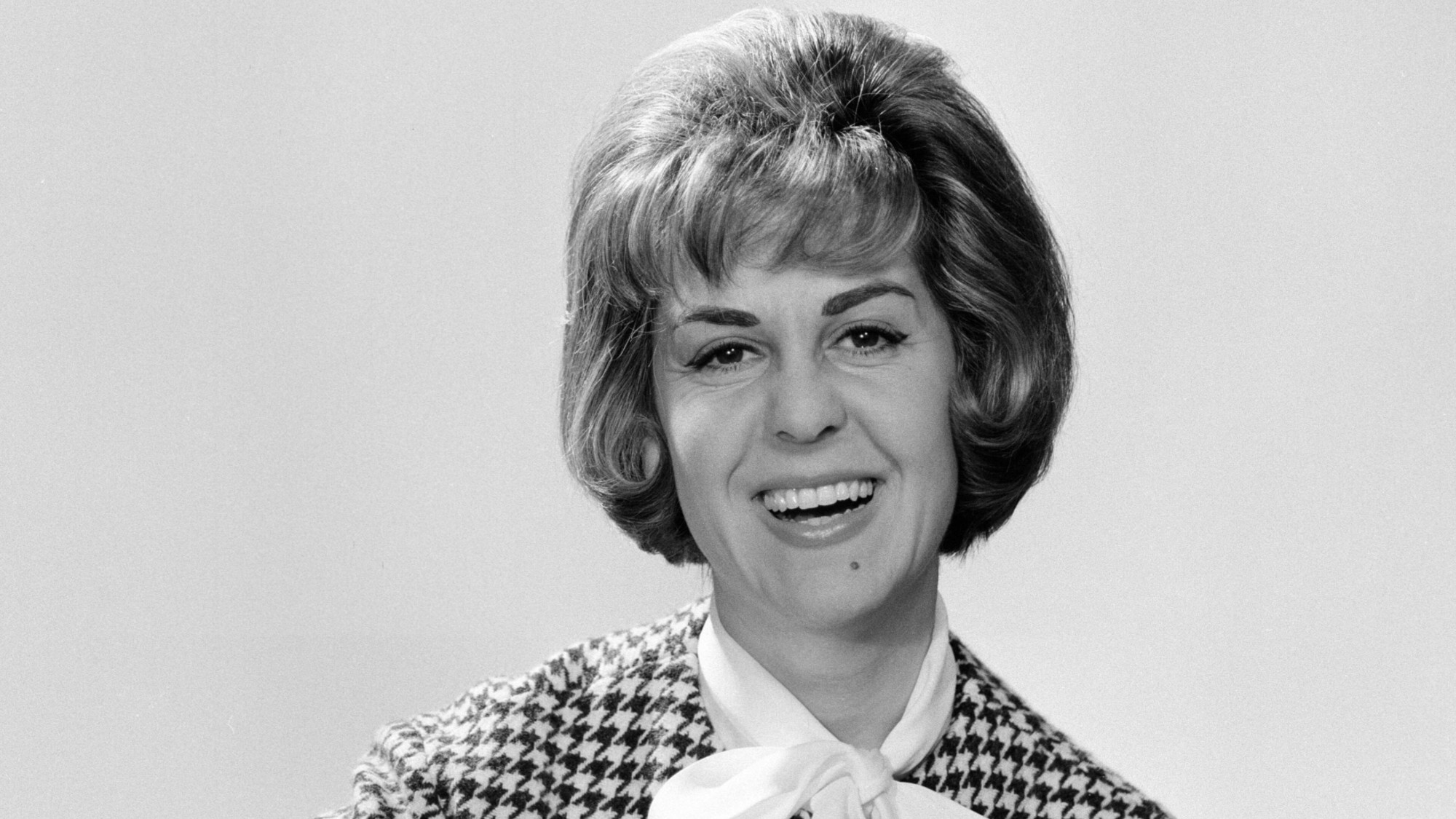
Felicity Green, who has died aged 100, was the editor of the Daily Mirror’s fashion pages in the 1960s, when the paper sold five million copies a day, said The Times. Holding the then revolutionary view that fashion was not a “bloody religion” for the moneyed elites but something for the people, she was one of the first journalists to chronicle the emergence of a new generation of models and designers, including Twiggy and Mary Quant – and to commission the likes of David Bailey to shoot her features.
Cecil King, chairman of IPC, which owned the Mirror, was appalled by her championing of the new youth trends, and threatened to sack her when she featured Quant’s mini-skirts. “Can you imagine the wife of a Sheffield bus driver wearing that?” he demanded. Undaunted, she commissioned designer Barbara Hulanicki, who had recently launched a tiny mail-order business, to create a short, stylish dress that the paper could sell. The result was a pink gingham smock dress that was marketed by the paper in 1964 for 25 shillings (£1.25). Green predicted that they’d get 3,000 orders in total; in fact, they got 17,000 almost overnight.
The success of the dress enabled Hulanicki to launch the Biba store in Kensington that would help define 1960s style; and it made Green unsackable. Soon after, the Mirror’s editor Hugh Cudlipp told her that he wanted her to use the front page to explain to readers what the 1960s “are all about”. The result was her famous declaration, under the headline “The Year that Changed All Our Lives”, that 1964 was when “skirts got shorter, boys’ hair got longer, smart girls wore the trousers, the topless went bust and The Beatles went everywhere”.
Felicity Green was born in 1926 into a Jewish family in Dagenham, east London. Her parents were unhappily married, and once a week her father, who ran a shoe shop, would escape by taking her to the cinema – where she fell in love with the costumes worn by the stars of the 1930s. By 14 she was sketching her own designs. Fresh out of secretarial college, she won her first job aged 18, as a junior secretary at Woman & Beauty magazine. Her duties included lighting the office’s coal fire, but within a couple of years she’d been promoted to fashion editor.
Her break in newspapers came in 1955, when Cudlipp asked her for her opinion of his newly launched Women’s Sunday Mirror. He was so impressed by her forthright appraisal, he recruited her. As associate editor of the Mirror, she created spreads that appeared under the line “Felicity Green on the fashion scene”, but she also persuaded him and the paper’s other bosses to let her write about issues such as abortion and equal pay. In 1973, she became the first woman to sit on the main board of a national newspaper.
Early on, a colleague had warned her that some men would resent having a female boss, said The Telegraph. His advice was always to let them leave the room with “their balls intact”. For years, she tolerated the casual misogyny prevalent in Fleet Street, but when, in 1978, she learnt that a new, and less-experienced, male board member was being paid twice her salary, she resigned. After that, she ran Vidal Sassoon, worked at other newspapers, and lectured at St Martin’s School of Art. She’d married businessman Geoffrey Hill in 1952; he died in 1992. Having opted not to have children she was, she said, sad when she realised that that meant she’d also never have grandchildren.