TV presenter, campaigner and founder of Childline
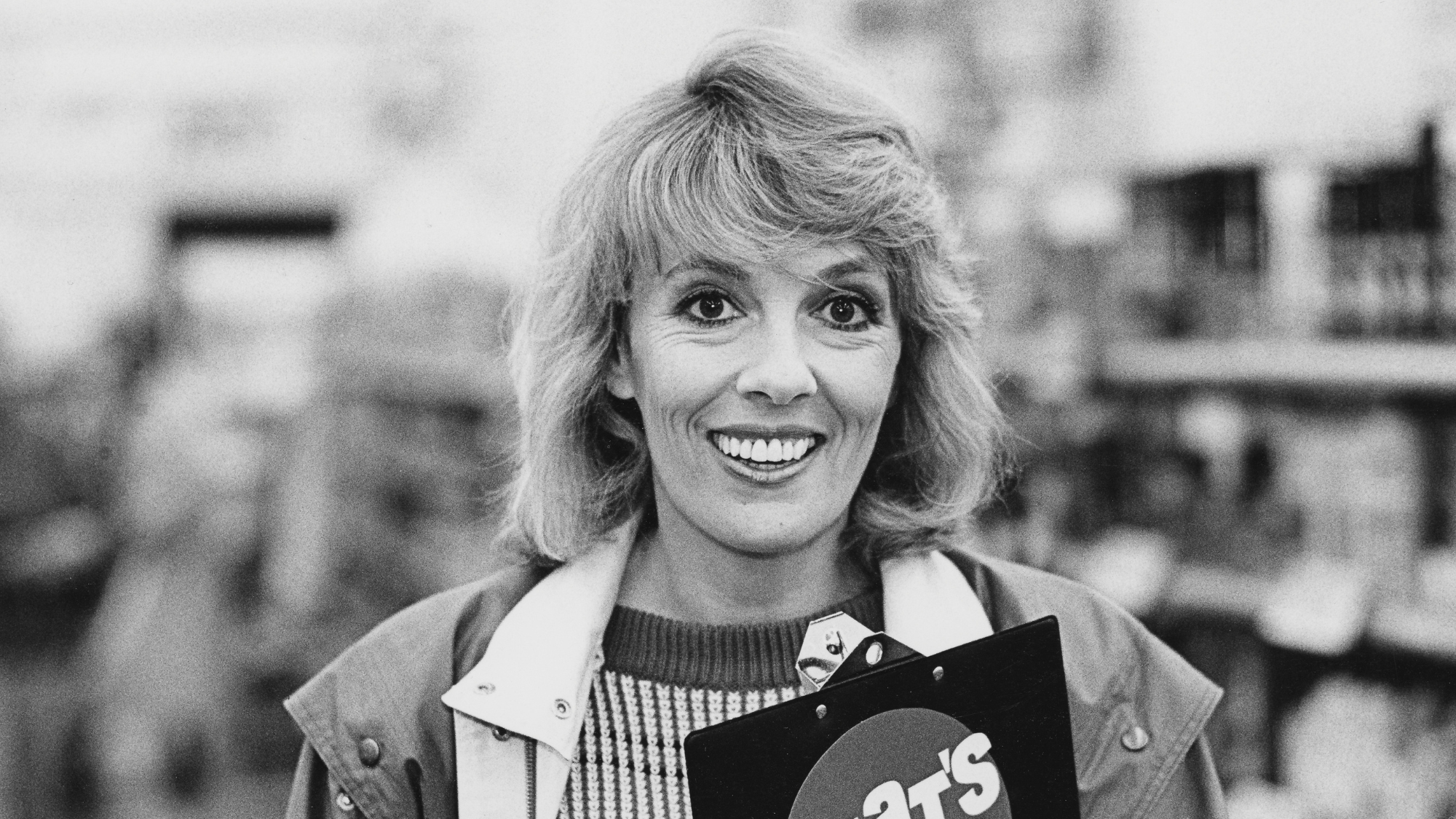
Esther Rantzen was an energetic and incisive broadcaster with a “breezy, cool-edged demeanour”, said The Telegraph. She became a household name in the 1970s on “That’s Life!”, a BBC consumer-rights show that attracted up to 20 million viewers in its heyday. The show became required viewing for MPs who wanted to get an insight into the issues preoccupying their constituents – from the cruel transportation of veal calves to the dangers of undercooked kidney beans.
Yet, sitting alongside this serious reporting was a large dose of the silly, said The Times. Rantzen and her male sidekicks – Chris Serle, Paul Heiney and others – presented segments about suggestively shaped parsnips and pets with unusual talents. There was also a section in which Rantzen and her co-presenters read out viewers’ experiences of overzealous ticket inspectors and the like (and so popularised the term “jobsworth”). They also did vox pops, buttonholing people to ask them their views on a range of issues, some of them larky. Once, asking Londoners to sample a soup made from bats, Rantzen was arrested for causing a “wilful obstruction” on the street.
In arguably the show’s most famous segment, in 1988, she flicked through a scrapbook sent in by a member of the public, explaining that it documented a forgotten operation to rescue hundreds of Jewish children from Czechoslovakia before the Second World War. She then revealed that the man behind it, Nicholas Winton, was in the audience. This moment provoked such a response, Winton was invited to return for a later episode. This time, Rantzen asked if anyone in the studio that evening had been saved by him and, if so, could they please stand up. Rows of people rose to their feet.
Rantzen was born into a liberal Jewish family in 1940, the elder of two daughters of Henry Rantzen, an electrical engineer at the BBC, and his wife Katherine, née Leverson. She recalled her childhood, in suburban north London, as a happy one. She was educated at North London Collegiate School, and at Somerville College, Oxford. On graduating, she took a job as a studio manager at the BBC. Her big break came in 1969 when she was given a presenting job on a consumer affairs show with Bernard Braden (later fired for advertising margarine on ITV). It was around this time that she met the BBC producer Desmond Wilcox; he was married with children but she was, she said later, “dazzled” by him. They began a secret eight-year affair, and finally married in 1977. His ex-wife, Patsy, was heartbroken and furious.
Rantzen helped devise “That’s Life!” with John Lloyd, and presented it from its launch in 1973; before long, she’d managed to persuade the BBC that she should produce the show too, a first for a woman. In 1986, she fronted a one-off programme called “Childwatch”, focusing on child abuse. The production team received thousands of letters from children in distress – which prompted Rantzen to set up the charity Childline. According to the NSPCC, which now runs it, Childline has helped more than six million children.
With ratings in decline, “That’s Life!” was axed in 1994. Rantzen was then given her own talk show. After Wilcox’s death in 2000, she spoke openly about the loneliness she felt. “I have plenty of people to do something with, but nobody to do nothing with,” she said. In 2012, she founded The Silver Line, for vulnerable older people. After being diagnosed with lung cancer in 2023, she said that she had joined Dignitas, the assisted dying clinic. She became a vocal champion of the assisted dying bill and, earlier this year, in an effort to galvanise it, she revealed that she had left it too late to “buzz off” to Switzerland. Her three children survive her.