The Week UK
https://cdn.mos.cms.futurecdn.net/flexiimages/jzblygzdxr1769609154.gif

SUBSCRIBE

Start your trial today

flag of US
US
flag of UK
UK
Sign in
  • View Profile
  • Sign out
  • Newsletter sign up Newsletter
    • The Explainer
    • Talking Points
    • The Week Recommends
    • Podcasts
    • Newsletters
    • From the Magazine
    • The Week Junior
    • More
      • Politics
      • World News
      • Business
      • Health
      • Science
      • Food & Drink
      • Travel
      • Culture
      • History
      • Personal Finance
      • Puzzles
      • Photos
      • The Blend
      • All Categories
    Sunday Shortlist, from The Week
    A beguiling slice of ‘Cold War cool’ and a ‘thrilling’ mash-up

     
    TV REVIEW

    Honey 

    ‘Entertaining’ series about an MI6 agent in 1980s East Germany

    “Killing Eve” was probably “one of the last times TV was fun”, said Benji Wilson in The Telegraph, but now the BBC brings us its loose prequel. The marvel is that “Honey” finds its fun in the grey gloom of 1980s East Germany. Here we meet keen young MI6 agent Martha Schmidt (Ann Skelly, pictured above with co-star Rory Kinnear). Unfortunately for her, her male superiors believe a woman’s place in espionage is to be the “sexy maggot at the end of the string”, tasked with luring men and then taking pictures of them in their pants for kompromat.

    But fans of “Killing Eve” will suspect that she has much more to offer than that. Schmidt is actually the deep-cover identity of Carolyn Martens, played by Fiona Shaw in the original series. “Honey” is her origin story, and “it’s a blast”.

    At the start of the series, Schmidt is smuggled over the border by her handler Graham Anderson (Kinnear) in a dog costume, said Ben Dowell in The Times. By the end of that episode, she is fleeing the Stasi in a wedding dress. The message is clear: there will be fun and “Killing Eve-style razzle-dazzle”. But while that show was “a sophisticated, ultraviolent feminist revenge fantasy”, “Honey”, at times, feels dramatically “clunky”.

    The show does get less original as it goes along but “it is never less than very entertaining”, said Jack Seale in The Guardian. “Around every corner is a naughty visual gag, an eccentric supporting character” or a “fantastic item” of Eastern bloc knitwear. All in all, this is a beguiling slice of “Cold War cool”.


    Theatre Review

    Hamlet Hail to the Thief 

    Shakespeare and Radiohead collide in ‘vibrant’ show

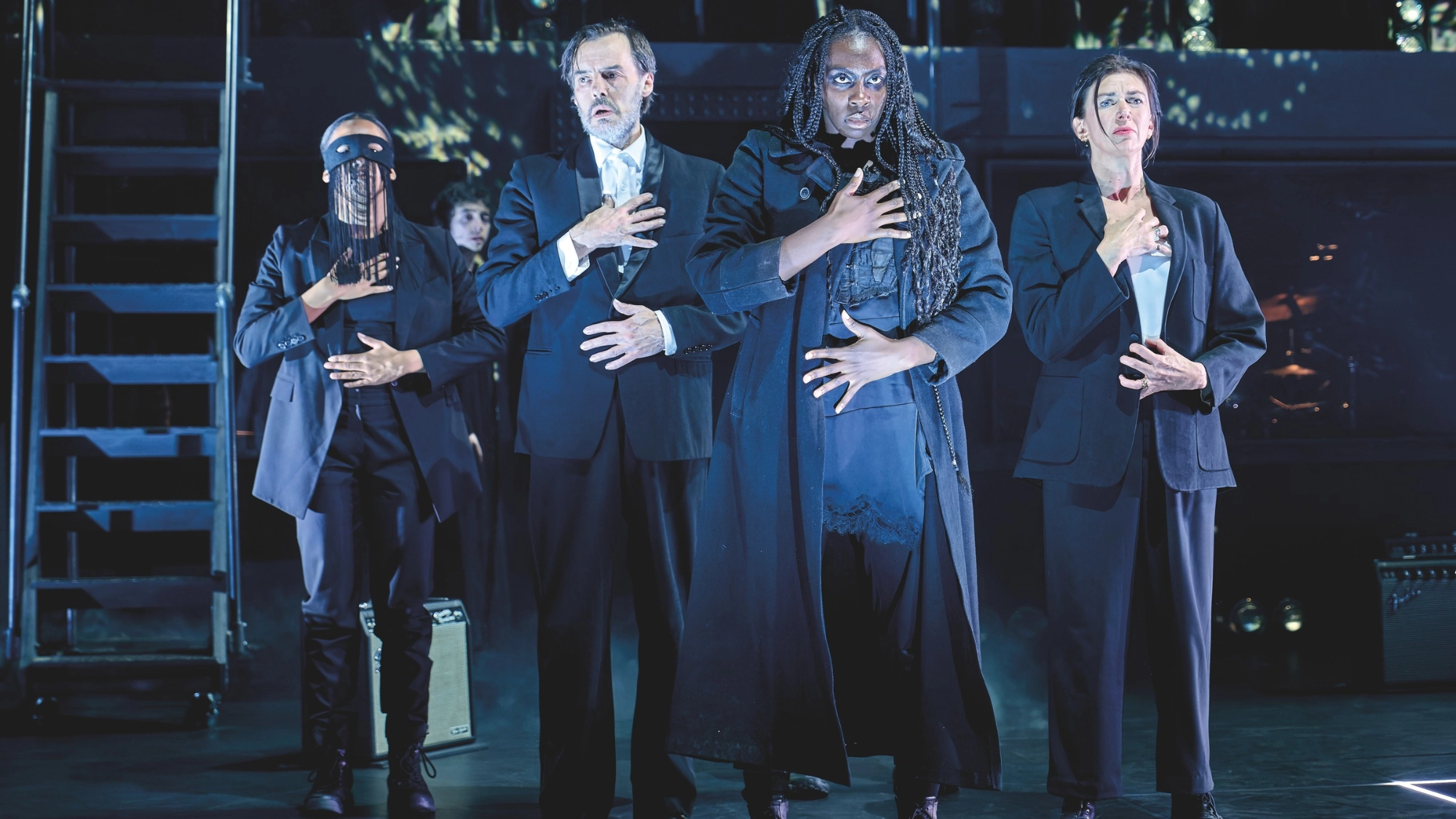
    “It’s not often you complain about a production of Hamlet being too short,” said Theo Bosanquet on London Theatre. But that’s the case with this brisk mash-up of Shakespeare’s play with Radiohead’s 2003 album “Hail to the Thief”, an RSC co-production with new musical arrangements by the band’s Thom Yorke. It’s so well done, so “atmospheric and vibrant”, that you just want more of it – and the “100-minute rush” means that many of the play’s great moments and lines have been sacrificed.

    Even so, “Hamlet” has been skilfully adapted by Christine Jones and Steven Hoggett to “tell the story lucidly and with real dramatic momentum”. Yorke’s music, performed live by a six-piece onstage band, and sung mostly by vocalists Ed Begley and Meg Hill, fits with it seamlessly. And the acting is terrific, especially from Samuel Blenkin as an “emo-esque” and venomous prince. “Hamlet, it transpires, is a very Radiohead kind of guy.”

    There have been some pretty “naff” attempts in the past to meld rock music and Shakespeare, said Alexis Petridis in The Guardian. In the late 1980s, the high-camp “Return to the Forbidden Planet” blended “The Tempest” with 1950s rock ’n’ roll, and “These Paper Bullets” (2015) relocated “Much Ado About Nothing” to the Swinging Sixties, with Beatles-y songs by Green Day’s Billie Joe Armstrong. Yorke understandably had serious reservations about taking on this collaboration but it works “extraordinarily well”. “If you want something to soundtrack a play in which ghosts and mental disarray figure heavily, the keening tone of Yorke’s vocal melodies is pretty much perfect.”

    The cuts take an inevitable toll, said Sarah Crompton on WhatsOnStage. The play becomes “Hamlet as spectacle, rather than as philosophy. There’s nothing wrong with that. It’s a thrilling ride. But don’t expect enlightenment.”

    The way to approach this show, said Andrzej Lukowski in Time Out, is to accept that “it’s neither ‘Hamlet’ nor ‘Hail to the Thief’ but a strange dream of them both” – a “nightmarish jumble of the play’s key scenes” that loses some of the coherence but none of the intensity. “All hail.”
    Barbican Theatre, London; until 23 January


    PODCAST REVIEW

    The Playground Murder 

    Audrey Gillan is the “excellent” investigative reporter behind the memorable documentaries “Tara and George”, “On the Ground” and “Bible John: Creation of a Serial Killer”, said Miranda Sawyer in The Observer. Now she’s back with a new six-part story for Radio 4’s Crime Next Door strand. “The Playground Murder” is about the killing, in 1991, of 16-year-old Diane Watson by a girl of 15 in the playground of their school in Glasgow. Diane’s best friend, Pauline Love Thomson, was one of a large group of children to witness the stabbing, and she provides breathtaking testimony here, both of the shocking death and of its traumatic, multigenerational effects on the bereaved family and community. The series also examines the controversial media coverage of the case, which some felt amounted to victim-blaming. Gillan’s “careful storytelling and warm interviewing style” serve this “upsetting” story well. It’s a “true-crime masterclass”; well worth your time.


    BOOK OF THE WEEK

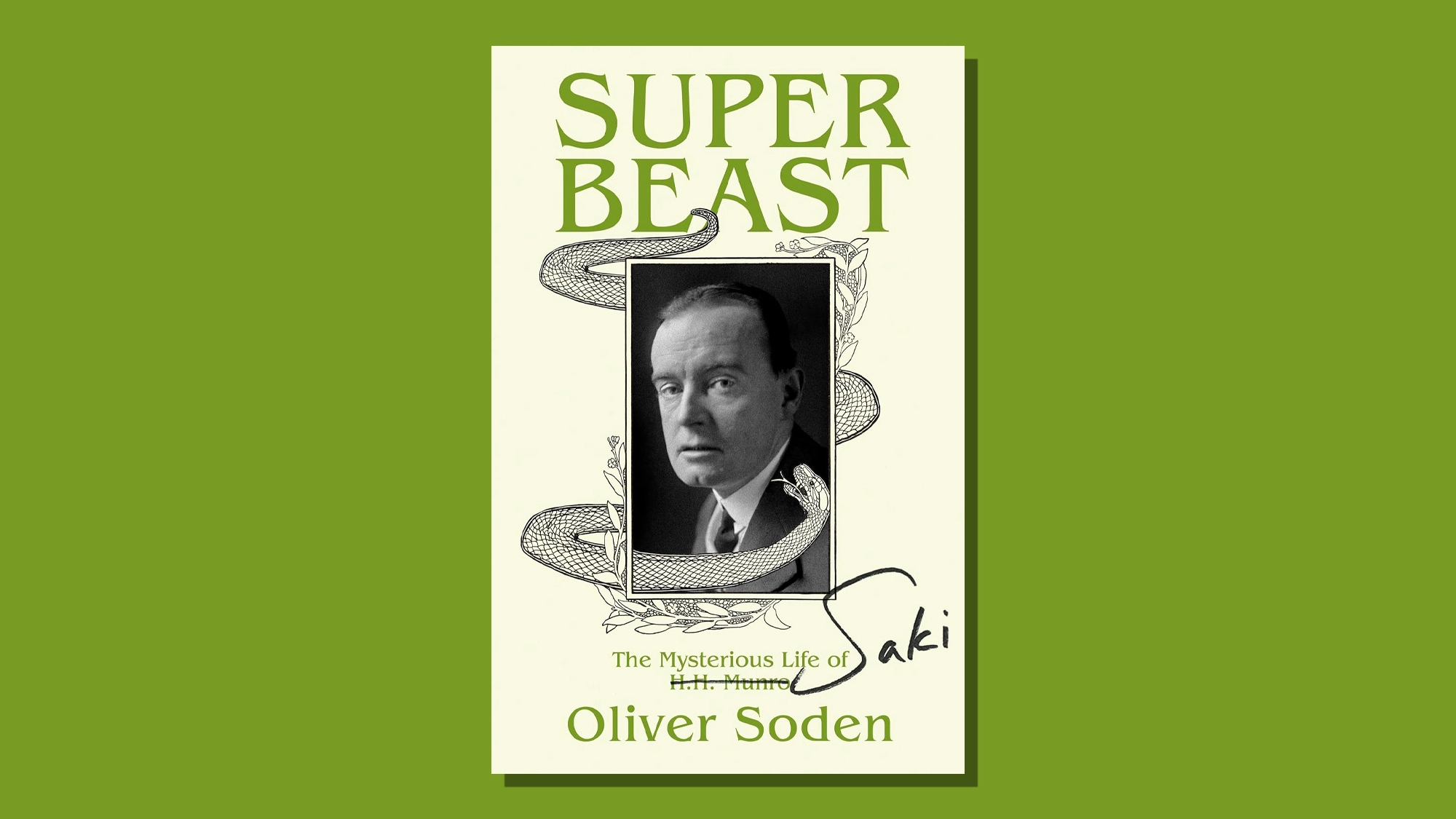
    Super-Beast: The Mysterious Life of Saki

    by Oliver Soden

    Hector Hugh Munro, who wrote under the pen name Saki, produced an oeuvre “as slender as a butterfly’s wing”, said Will Lloyd in the Financial Times: four collections of stories, four plays and two novels. Yet he was, biographer Oliver Soden suggests, “one of the greatest comic writers in English”.

    A dealer in “lethal one-liners” and “diamond-hard epigrams”, Munro first “understood, then ripped to shreds” the pieties of Edwardian society. His fiction depicted a “campy world of St James’ clubs and macabre country houses”, peopled by “sub-ducal morons and frightening matrons”. An intensely private man, Munro left almost no trace: his letters were “bonfired by his spinster sister Ethel”. As Soden acknowledges, this poses a challenge to any biographer: Munro, he says, “falls through the fingers like water”.

    Soden has nonetheless done a “magnificent” job of charting his subject’s elusive life, said Rupert Christiansen in The Telegraph. Munro was born in 1870 in Burma, where his father was an imperial police officer. After his mother was killed by a rampaging cow – a “typical Saki fate” – he and his siblings were sent “back to rural Devon, where they were supervised by two overweening maiden aunts who detested each other”. Soden notes that many of Munro’s stories (which often turn on children getting the better of tyrannical adults) were “written in vengeance” for his miserable childhood.

    After boarding school and a spell back in Burma, he became a foreign correspondent. “But, by 1908, he had had enough of journalism, and began to write the stories for which he would be remembered.” 

    His literary career was short-lived, said Craig Brown in The Times. As the First World War approached, the “savage satirist of the English upper classes turned into a blimpish standard bearer for war with Germany”. Aged 43, he lied about his age to enlist. He was shot dead during the Battle of the Somme on 14 November 1916, after reportedly telling a fellow soldier to “put that bloody cigarette out”.

    “Super-Beast” is an “elegant” book – it is written in “witty, Saki-esque prose” – but Soden struggles with Munro’s sheer unknowability. Soden strongly suspects that he was gay but no “concrete evidence” of his love life exists. Who his friends were is equally unclear, nor is there any “evidence, really, of his character”. Even in death, he remains a closed book. “What happened to his body,” Soden notes, “is unknown.”


    OBITUARY

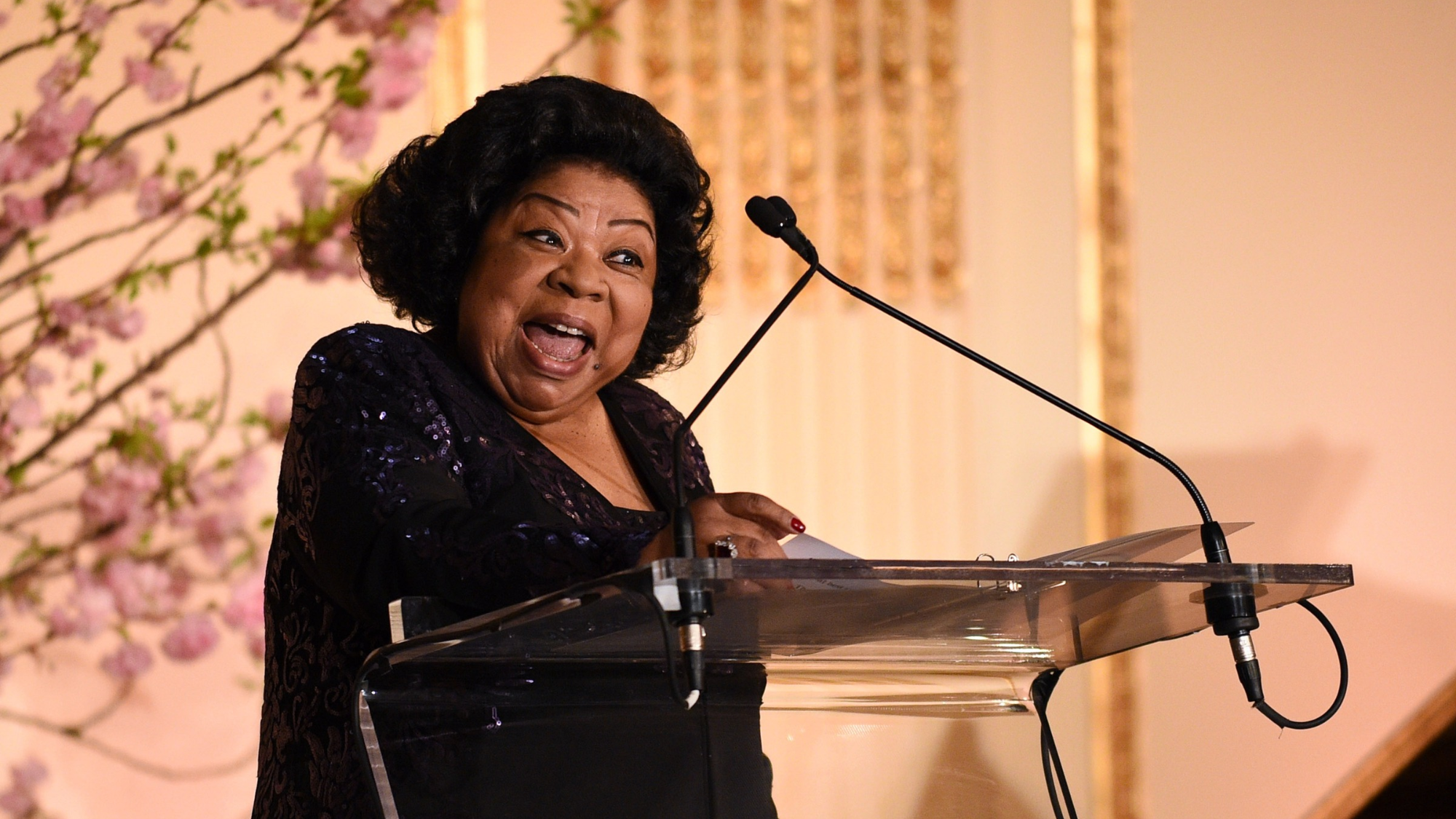
    Martina Arroyo

    Trailblazing opera singer known for Verdi heroines

    Martina Arroyo, who has died aged 90, was visiting her family in New York in 1965 when she received “a panicked phone call”, said The Times. The Swedish superstar soprano Birgit Nilsson, who was singing Verdi’s “Aida” at the Metropolitan Opera House, was unwell. Could she step in? Arroyo was barely known in the US then, and had only sung a few minor roles at the Met. Assuming it must be a prank, she said she was taking her mother to the cinema – “but we go before the five o’clock price change, so I should be out in time”. The man on the phone, however, was deadly serious. Arroyo had recently sung “Aida” in Europe, and there was no one else to rescue the performance. At the opera house, there was time for a quick run-through of the staging. Then, just before curtain up, it was announced that Nilsson was indisposed and that Arroyo would be taking her place. The audience let out a “collective groan”. But, three hours later, they rose to their feet to give Arroyo a lengthy ovation. The New York Times gave her a rave review – and the Met offered her a “star contract”. Later that year, she sang Elisabetta in Verdi’s “Don Carlo”, Leonora in his “Il Trovatore” and Cio-Cio-San in Puccini’s “Madama Butterfly”.

    Martina Arroyo was born in New York in 1936, the younger of two children of Demetrio Arroyo, a Puerto Rican mechanical engineer and his African-American wife Lucille, an amateur pianist. Her father had a stable job at the Brooklyn Navy Yard, and she enjoyed a culturally rich childhood: she learnt the piano, took ballet classes and sang in the church choir. She hadn’t considered opera as a career but, at the elite Hunter College High School, she attended an opera workshop, and was taken on by the vocal coach Marinka Gurewich. Given the competitiveness of the opera world, and the paucity of black singers in it, her parents urged her to have a back-up plan, so she became a social worker. In 1958, her operatic career took off, however, when she won – with fellow trailblazer Grace Bumbry – a singing contest run by the Met, which included as its prize a place at its training school. She made her Met debut the next year as the off-stage Celestial Voice in “Don Carlo”, an appearance so fleeting, said The New York Times, that her mother missed it on the radio, having taken an ill-timed bathroom break.

    When her career then failed to progress in the US, Arroyo was advised to move to Europe, said The Guardian. Her skin colour was less of an issue here, and she was soon singing lead roles in Zurich and elsewhere. But she still encountered racism: in a café in Germany, a man referred to her as a cannibal. Arroyo – a charismatic woman, known for her quick wit – retorted: “Yeah, but we only use a little pot; you use ovens.” In 1968, she took her “Aida” to London’s Royal Opera House and, back at the Met, became the first black woman in the world to sing Elsa in Wagner’s “Lohengrin”.

    Her first marriage, to the viola player Emilio Poggioni, ended in divorce in 1971; she said their hectic schedules had been largely to blame. Her second husband, banker Michel Maurel, died in 2011. In retirement, she established the Martina Arroyo Foundation, which helps young opera singers develop their skills. Her advice for them all, she said, was to have the security of another career to fall back on.

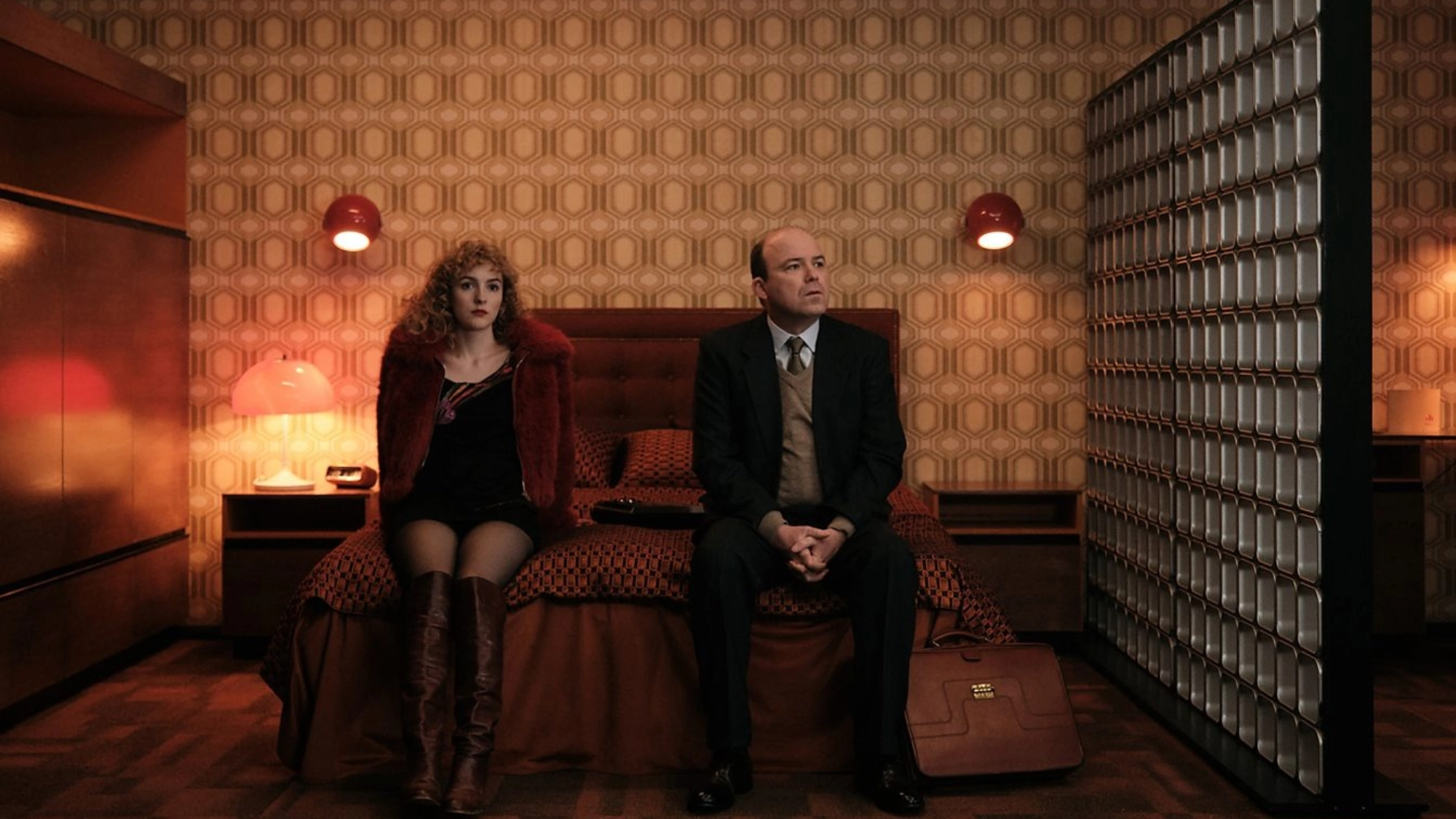


    Image credits, from top: BBC / Sid Gentle Films; Manuel Harlan; Weidenfeld & Nicolson; Bryan Bedder / Getty
     

    Recent editions

    • Saturday Wrap

      The age of consent

    • Evening Review

      Will the polar vortex bring snow?

    • Morning Report

      Trump urges Ukraine funding cuts after Putin talks

    VIEW ALL
    TheWeek
    • About Us
    • Contact Future's experts
    • Terms and Conditions
    • Privacy Policy
    • Cookie Policy
    • Advertise With Us
    • FAQ
    Add as a preferred source on Google Add as a preferred source on Google

    The Week UK is part of Future plc, an international media group and leading digital publisher. Visit our corporate site.

    © Future Publishing Limited Quay House, The Ambury, Bath BA1 1UA. All rights reserved. England and Wales company registration number 2008885.