Several thousand people have been killed in Iran since the U.S.-Israeli war broke out, and the conflict has created an additional humanitarian crisis: delays and shortages of medical supplies. Hospitals and health care clinics throughout the Middle East are reporting critical lapses, which experts fear could lead to a surge in deaths even as the U.S. agreed to a temporary ceasefire.
What did the commentators say?
Humanitarian centers across the Middle East, Asia and Africa are “facing the risk of running out of basic medication and food” due to the “restriction of shipments in the Strait of Hormuz,” said NPR. Some food can be “stored for a long time,” said Bob Kitchen, the vice president of emergencies at the International Rescue Committee, to NPR. But most “medicines or treatments for malnutrition will expire.”
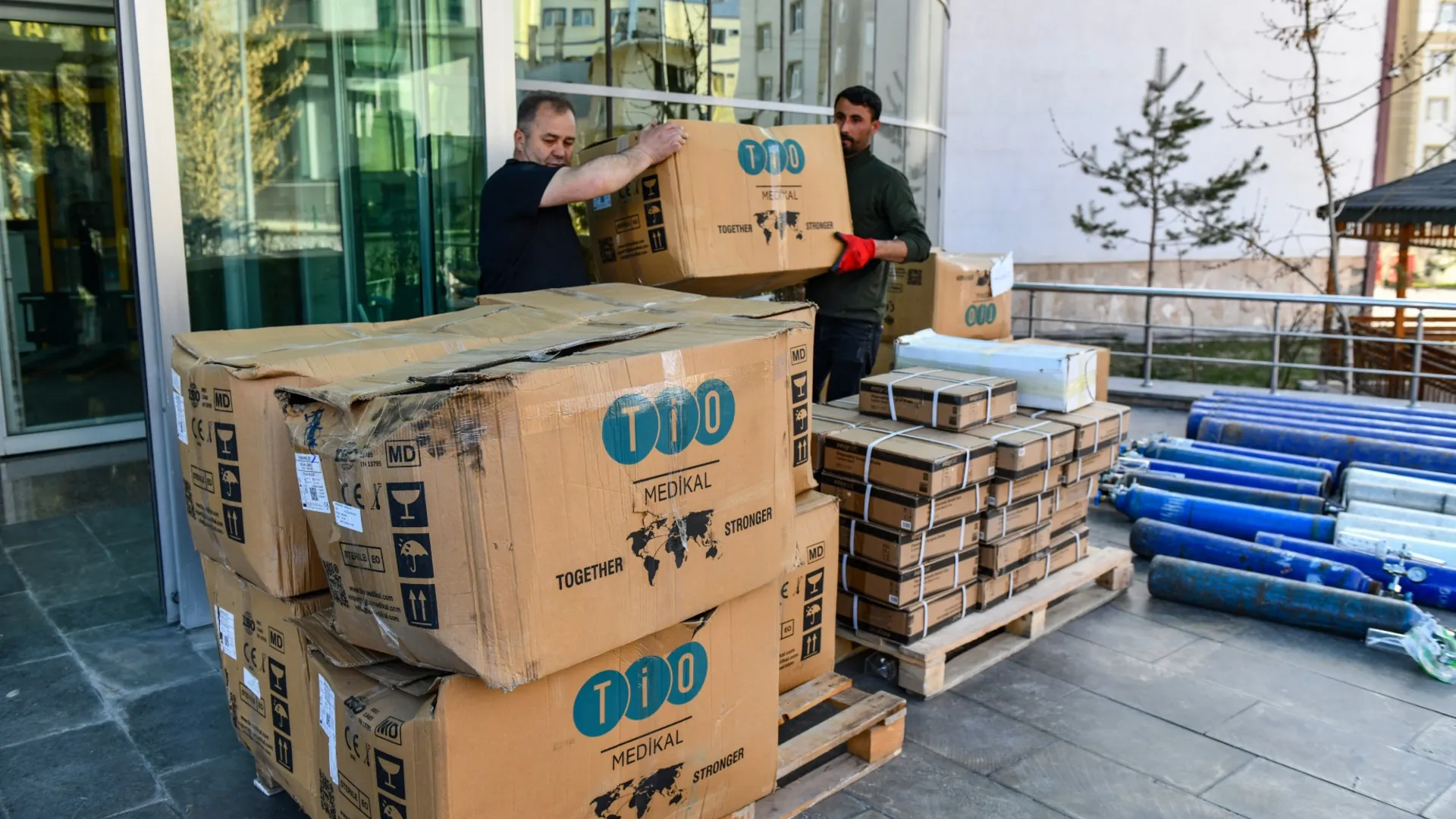
Many of these countries rely almost entirely on foreign aid for medical supplies. Sudan, for example, has “no manufacturing capacity and is entirely dependent on imported medication,” said Omer Sharfy, of Save the Children in Sudan, to NPR. The war has also “disrupted the movement of medical supplies from WHO’s global logistics hub in Dubai,” said the World Health Organization. By March 11, just 12 days into the war, more than “50 emergency supply requests, intended to benefit over 1.5 million people across 25 countries,” were “affected, resulting in significant backlogs.”
The Persian Gulf countries are not “major drug producers,” said health care news nonprofit Healthbeat. But these nations do “form a critical pharmaceutical transit hub.”
What next?
Some are hopeful that the two-week ceasefire, announced by President Donald Trump and initially agreed to by Iran, will allow the flow of medicine to restart. But Israel has continued its assault on the region, carrying out a series of strikes in Lebanon, which led to Iran reclosing the strait. Iran later accused the U.S. of violating the deal as well and claimed a long-term ceasefire is “unreasonable,” said The Associated Press.
Others say it’s unlikely the Strait of Hormuz’s temporary reopening would make a huge difference in moving global supplies. The ceasefire deal would not lead to a “mass exodus of ships,” said The Guardian. |