The Week UK
flag of US
US
flag of UK
UK
https://cdn.mos.cms.futurecdn.net/flexiimages/jzblygzdxr1769609154.gif

SUBSCRIBE

Start your trial today

Sign in
  • View Profile
  • Sign out
  • The Explainer
  • Talking Points
  • The Week Recommends
  • Podcasts
  • Newsletters
  • From the Magazine
  • The Week Junior
  • More
    • Politics
    • World News
    • Business
    • Health
    • Science
    • Food & Drink
    • Travel
    • Culture
    • History
    • Personal Finance
    • Puzzles
    • Photos
    • The Blend
    • All Categories
  • Newsletter sign up Newsletter
  • The Week Evening Review
    AI crash potential, Netflix streaming struggles, and a possible Musk merger

     
    talking points

    Can the AI bubble avoid bursting?

    Economists have spent much of 2026 watching to see if the artificial intelligence bubble will burst, much like the boom-and-burn cycle of dot-com pioneer companies in the late 1990s. But another possibility looms. The wild enthusiasm for AI could settle into a sensible soft landing that spares the world a hard economic crash.

    ‘Reassessment under way’
    Wall Street continues to believe that AI will “transform markets and the economy,” said Axios. But investors are also “pulling back funding” and looking for “evidence that their investments will actually pay off.” 

    The markets that had a “blind enthusiasm for all things AI” are beginning to “differentiate between players, business models and financing approaches,” said David Lebovitz, of JPMorgan, to the outlet. That does not have to be scary. Call it a “rational exuberance phase,” said Axios.

    The recent decision by Australian data center company Firmus to pull back from a planned initial public offering is “triggering the usual angst” about the AI bubble, said Patrick Commins at The Guardian. The growing skittishness among traders “doesn’t mean the whole thing is a disaster,” said NAB economist Sally Auld to the outlet. Still, there’s a “reassessment under way” of AI’s anticipated returns.

    The damage from a popped AI bubble would be “severe but not permanent,” said Ruchir Sharma at Foreign Affairs. It will likely follow the cycle of previous technological revolutions, with the rise of artificial intelligence “moving forward even as the speculative frenzy around it fades.”

    ‘Double whammy’
    Fears remain. The “untold billions poured into AI” have driven the economy, but the “boom could quickly invert” if profits are elusive, said Futurism. The fallout could ironically result in job losses and end up “accelerating the replacement of workers” with artificial intelligence, said Greg Rosalsky at NPR’s Planet Money.

    One possible solution to that “double whammy” scenario is a tax on AI and robots that would make it “economical to continue employing humans” while funding the safety net, said Rosalsky. But there’s a less-frightening path forward as well. A downturn could “leave businesses with less money to invest in AI,” making them reliant on human workers.


    QUOTE OF THE DAY

    ‘What’s up with the gold? He’s got the White House looking like Saddam Hussein opened a Cheesecake Factory.’

    Former President Barack Obama, at a rally in Detroit for Michigan Democratic Senate candidate Abdul El-Sayed, on Trump’s renovations of the White House. The president is “clearly not focused on lowering prices for you,” he added.


    today’s big question

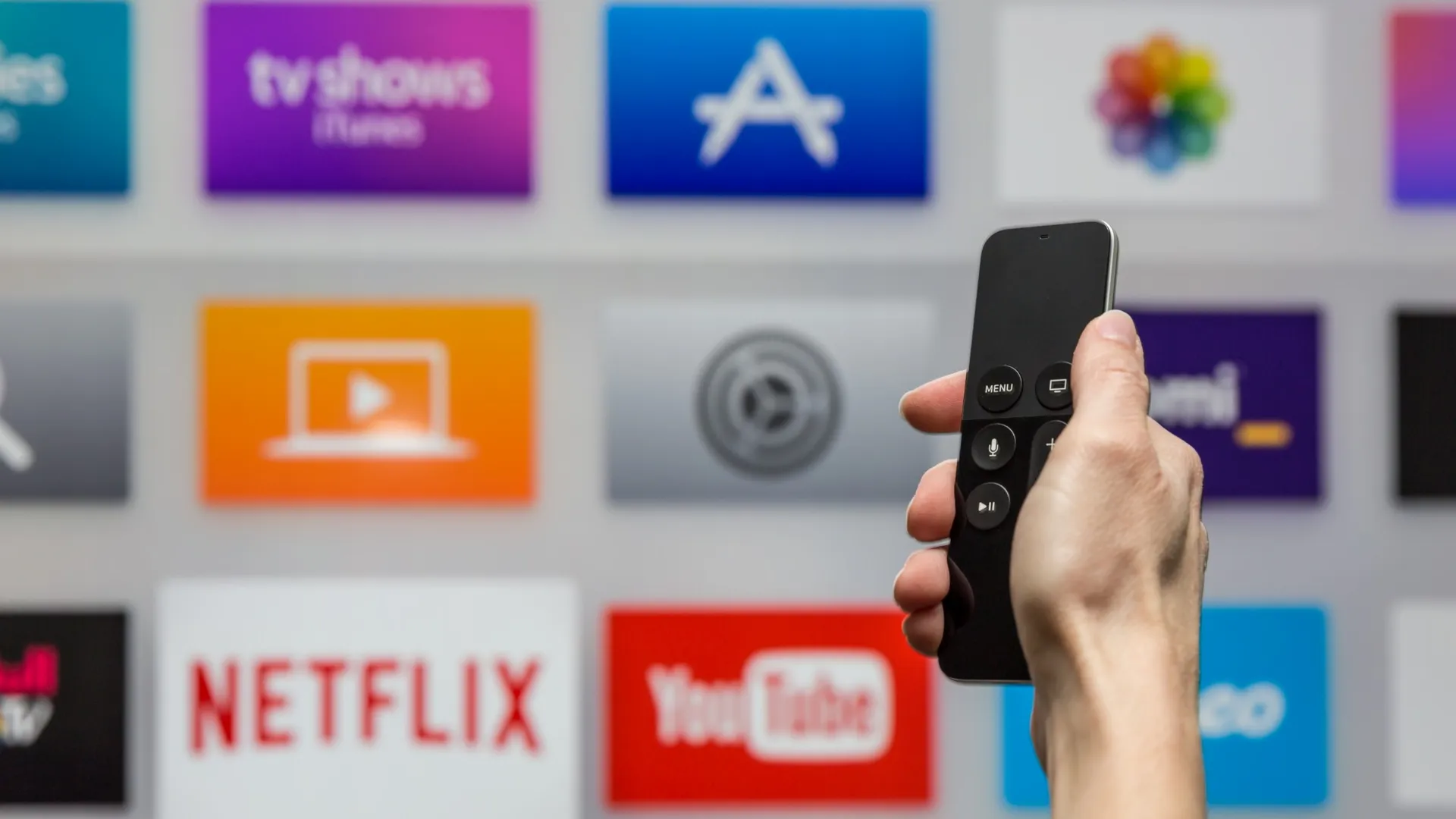
    After winning the streaming wars, has Netflix peaked?

    Netflix should be on top of the world. The streamer has far more subscribers than rivals Amazon Prime, Disney+ and HBO Max. But revenue and viewership growth have slowed, the streaming service is cutting staff, and no hits like “Stranger Things” or “Squid Game” are on the horizon.

    What did the commenters say?
    Netflix investors have been “increasingly worried” since the company’s failed bid for Warner Bros. Discovery, said The Wall Street Journal. While the service has the lowest cancellation rate among major streamers, Netflix has recently “struggled” with subscribers “spending less time watching programming on the platform.” That’s a critical marker. Strong viewership tells executives “customers are satisfied and less likely to cancel their subscriptions.” Plus, company stock has fallen 40% over the last year.

    The problem is “keeping viewers hooked,” said The New York Times. Shows like “Beef” and “The Night Agent” are shedding audience in their latest seasons. Viewers are instead “drifting toward TikTok and YouTube for the attention Netflix used to own,” said Investing.com’s Jesse Cohen in an analysis, per the Times. While Netflix accounts for just under 8% of all U.S. viewing time, YouTube comes in at 14%.

    The service has also suffered a “brain drain” affecting its hit-making ability, said Drew Taylor at The Wrap. The Duffer Brothers, who created “Stranger Things,” have left for Paramount, and filmmakers like Noah Baumbach and David Fincher are also departing. So the key to any revival will be to “reestablish those relationships.”

    What next?
    Earlier this month, Netflix announced layoffs of 1,000 employees, as well as the departure of several top executives, said Variety. “I know that we could do better,” said co-CEO Ted Sarandos on an earnings call, per the outlet.

    Peter Rice, Netflix’s newly installed chief content officer, “understands talent relations” and will help make the streamer a place where Hollywood creators “love to do” their “best work,” said Sarandos. So can wooing hitmakers help Netflix find its way back to dominance? “Stranger Things” have happened.


    Statistic of the day

    53,000: The number of Israeli expats flying to Israel to vote in tomorrow’s election, according to The Telegraph. Many are headed there because Israel has “lost its moral compass,” said Adam Pines, an Israeli who made the trip, to the outlet. 


    in the spotlight

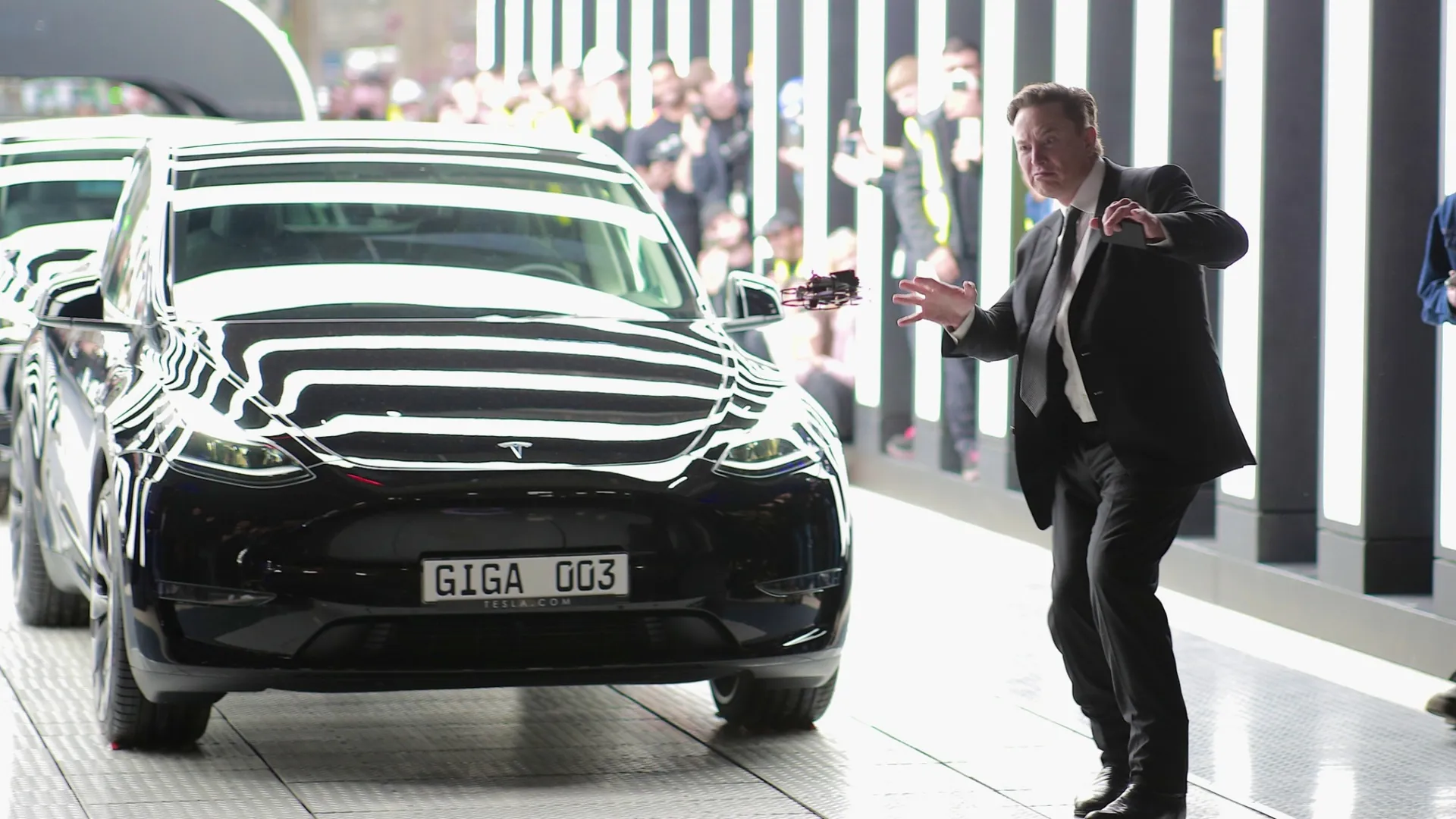
    Musk could consolidate his power in a megamerger

    Although SpaceX and Tesla may be publicly inseparable from the outsize personality of their CEO, Elon Musk, legally and technically they are separate businesses. But a change might be imminent, as he’s considering a merger of his two kingdoms. The move could consolidate his power and buttress his megariches.

    ‘Elon Inc.’
    Musk announced last week that the two companies have formed committees to explore a deal to create a conglomerate with dealings in rockets, cars and artificial intelligence, said Axios. “I think it would be a good idea," he said on an earnings call with reporters, per the outlet. (SpaceX and Tesla are already collaborating on AI chip production.) The new enterprise would be “massive,” said Axios. The companies currently have a combined capitalization of more than $3.5 trillion.

    The SpaceX-Tesla consolidation would be the “world’s largest ever merger,” said the Financial Times. It would be a “new type of 21st-century conglomerate” centered around AI and a “leading position in industries ranging from space exploration to robotics.” There has “never been a company like it of any scale,” said analyst Gene Munster to FT.

    This would “create a de facto Elon Inc.,” said The New York Times. The merger has also “raised concerns” from policymakers and critics who believe the world’s richest man has “already amassed too much power.” It would give Musk official “power over an increasing slice of the world’s economy,” said Jill Fisch, a business law professor at the University of Pennsylvania, to Marketplace.

    The Trump factor
    The proposal comes at a moment when Musk has “regained access to the White House” after a falling-out with President Donald Trump, said Bloomberg. The advantage is not “guaranteed to last,” though. As such, a push is on to officially announce a deal in the first half of 2027 “so that it closes during this administration” before a “potentially less-accommodating political and financial environment takes hold.”

    A would-be power shift may explain Musk’s gargantuan spending on the 2026 midterm election. His giving to GOP candidates has blown “past the $400 million mark as of mid-October,” said CNN.


    Good day 🧑‍🎓

    … for student loan programs. The Education Department has withdrawn its legal efforts to restrict the popular student loan program Public Service Loan Forgiveness, opening a path for 2.3 million borrowers to have their loans forgiven. PSLF allows public service workers to discharge their loans after 10 years. 


    Bad day 🏞️

    … for national park programs. After the National Park Service cut funding for 133 projects across the U.S. over the summer, programs that were supposed to start this month have lapsed. Many of these go back decades, including a 100-year-old sled dog team in Alaska’s Denali National Park.


    Picture of the day

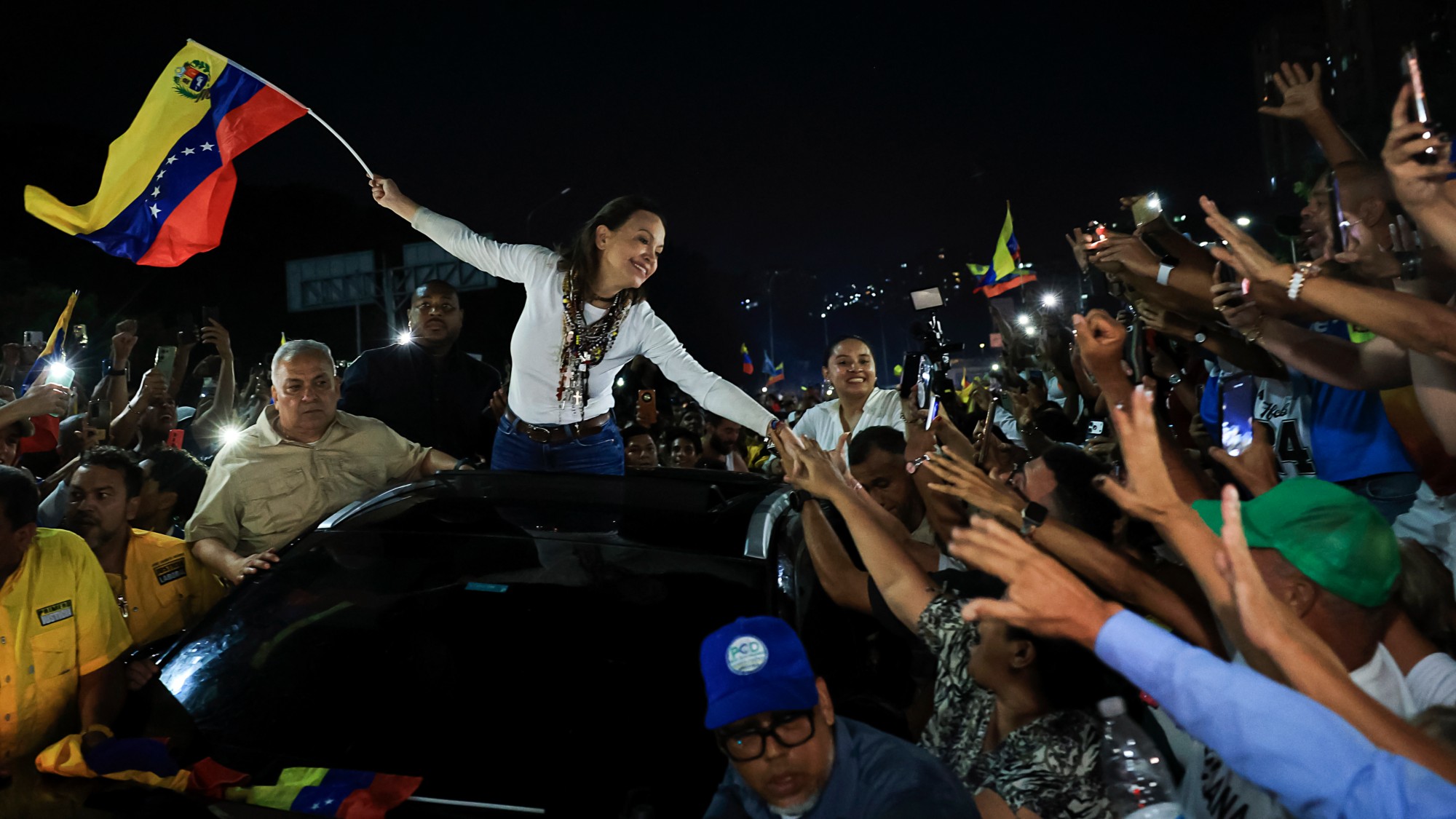
    Homecoming queen

    Venezuelan opposition leader María Corina Machado receives a hero’s welcome in Caracas after nearly a year in exile. The Nobel Peace Prize winner returns amid growing fears about democracy under interim President Delcy Rodríguez, who replaced Nicolás Maduro after he was ousted in January. 
    Jesus Vargas / Getty Images


    Puzzles

    Daily sudoku

    Challenge yourself with The Week’s daily sudoku, part of our puzzles section, which also includes guess the number

    Play here


    The Week recommends

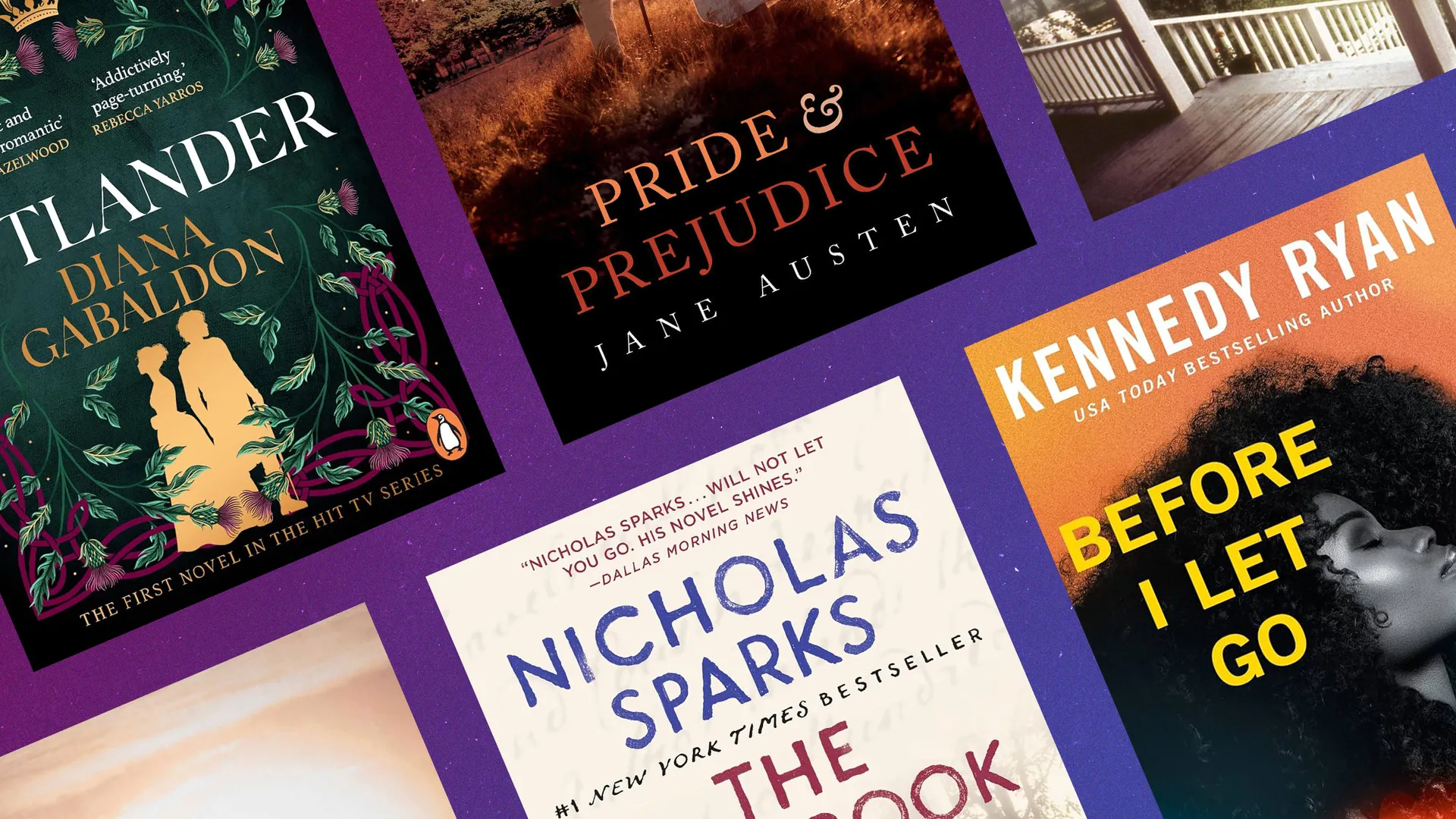
    The best romances ever written

    As one of the most popular and top-selling genres, romance has long transported readers into captivating love stories. These four swoon-worthy novels are perfect for anyone seeking an amorous read.

    ‘Pride and Prejudice’ (1813)
    Scholars celebrate Jane Austen’s “pioneering use of free indirect discourse,” but you don’t need to be an expert to appreciate that she “helped invent the romantic comedy as we know it,” said Time. A “drolly perceptive chronicle” of Elizabeth Bennet’s “bumpy courtship” with Fitzwilliam Darcy, Austen’s “second and most influential novel” is the “ultimate slow burn.” ($25, Penguin Random House)

    ‘Outlander’ (1991)
    After World War II, British combat nurse Claire and her husband embark on a second honeymoon to reconnect. Instead, she somehow “winds up in 1743 Scottish highlands” and falls in love with warrior Jamie — a “very different and very passionate relationship,” said Forbes. The first in a beloved series, this novel by Diana Gabaldon is best for fans of “time travel, historical fiction and very long novels.” ($30, Penguin Random House)

    ‘The Notebook’ (1996)
    The bond between Noah and Allie, the star-crossed lovers at the center of the novel by Nicholas Sparks and the classic 2004 film, has ensnared romantics for decades. Their love feels “both idealized and grounded,” spanning “years, obstacles and ultimately memory loss.” The result is “more powerful than a typical love story,” said Business Insider. ($25, Hachette Book Group)

    ‘Before I Let Go’ (2022)
    Yasmen and her ex-husband, Josiah, try their best to coparent and run a business together, but they keep being pulled back into each other’s arms. Kennedy Ryan’s “emotion-driven books” are “anything but fluff,” tackling deeper issues such as “mental health and neurodivergence, social injustices, and climate change,” said Marie Claire. ($40, Hachette Book Group)


    Poll watch

    Over three-fifths of Hispanic Catholics (61%) “strongly agree” that empathy is a “foundational moral value in society” — the largest religious group to believe this, according to a PRRI survey of 5,200 adults. Others who “strongly agree” include Jews (58%), Black Protestants (55%) and white Protestants (52%).


    INSTANT OPINION

    Today’s best commentary

    ‘The great and unnecessary unraveling of Trump’s working-class coalition’ 
    Gabe Fleisher at The Washington Post
    In 2024, the president seemed to “push the GOP” toward becoming a party of “working-class Americans of all races and ages,” says Gabe Fleisher. Trump has spent the “subsequent two years” making decisions “almost perfectly engineered” to “disillusion each component of this coalition.” He seems to have “forsaken the economic program” that attracted the working class. It’s hard to call a president who’s “building a gilded ballroom” and “siding with tech billionaires” a “paragon of populism.”

    ‘In India, I saw things that should scare Trump’
    Lydia Polgreen at The New York Times
    Before Trump became president, Narendra Modi led the “world’s largest democracy” toward a vision of “nationalist right-wing populism,” promising a “civilizational restoration,” says Lydia Polgreen. Today, India is “once again in the vanguard” — this time “leading, perhaps, in the opposite direction.” Beset by “crises within and without,” Modi’s “iron grip on power” is “clanging against the steel of India’s messy democracy.” As governments struggle and “discontent flourishes worldwide,” India offers a “lesson for us all.”

    ‘Neigh-sayers are wrong about NYC’s horse carriage ban’
    Sara Pequeño at USA Today
    There are some “real concerns” raised about the ban that “should be taken seriously” by Mayor Zohran Mamdani and the city council, says Sara Pequeño. Roughly 200 workers and about 160 horses will “now be out of jobs.” Ultimately, the ban was the “right move” to protect “New Yorkers, tourists and horses alike.” But while the council’s decision to “quit horsing around” after years of indecision will “make the city safer,” they must prepare for the “legal consequences of the bill.”


    WORD OF THE DAY

    Lumina

    Latin for “lights” and the name of a supercomputer model that has created a detailed, comprehensive simulation of the early universe. Designed by researchers at Harvard University and the Smithsonian Institution and powered by data from the James Webb Space Telescope, Lumina can test theories about how the cosmos evolved in the first 2 billion years after the Big Bang.


    Evening Review was written and edited by Theara Coleman, Nadia Croes,  Scott Hocker, Anya Jaremko-Greenwold, Justin Klawans and Joel Mathis, with illustrations by Stephen Kelly.

    Image credits, from top: Illustration by Stephen P. Kelly / Getty Images / Shutterstock; Onfokus / Getty Images; Christian Marquardt - Pool / Getty Images; Hachette / Delacorte Press / Penguin Random House
     

    Recent editions

    • Morning Report

      Lula wins Brazilian election

    • Sunday Shortlist

      Kristin Scott Thomas’s ‘hypnotic’ performance

    • Saturday Wrap

      The downfall of Kimberly Guilfoyle

    VIEW ALL
    TheWeek
    • About Us
    • Contact Future's experts
    • Terms and Conditions
    • Privacy Policy
    • Cookie Policy
    • Advertise With Us
    • FAQ
    Add as a preferred source on Google Add as a preferred source on Google

    The Week UK is part of Future plc, an international media group and leading digital publisher. Visit our corporate site.

    © Future Publishing Limited Quay House, The Ambury, Bath BA1 1UA. All rights reserved. England and Wales company registration number 2008885.