What happened
The Supreme Court yesterday allowed the Trump administration to resume building 30-foot fencing, roads and other border infrastructure in the Big Bend sector of Texas, lifting a hold on construction imposed last month. In an unsigned opinion, the court said U.S. District Judge Kathleen Cardone had erred in ruling that the Homeland Security secretary lacked legal authority to waive environmental laws to expedite construction in the remote region, including Big Bend National Park. Justice Ketanji Brown Jackson dissented.
Who said what
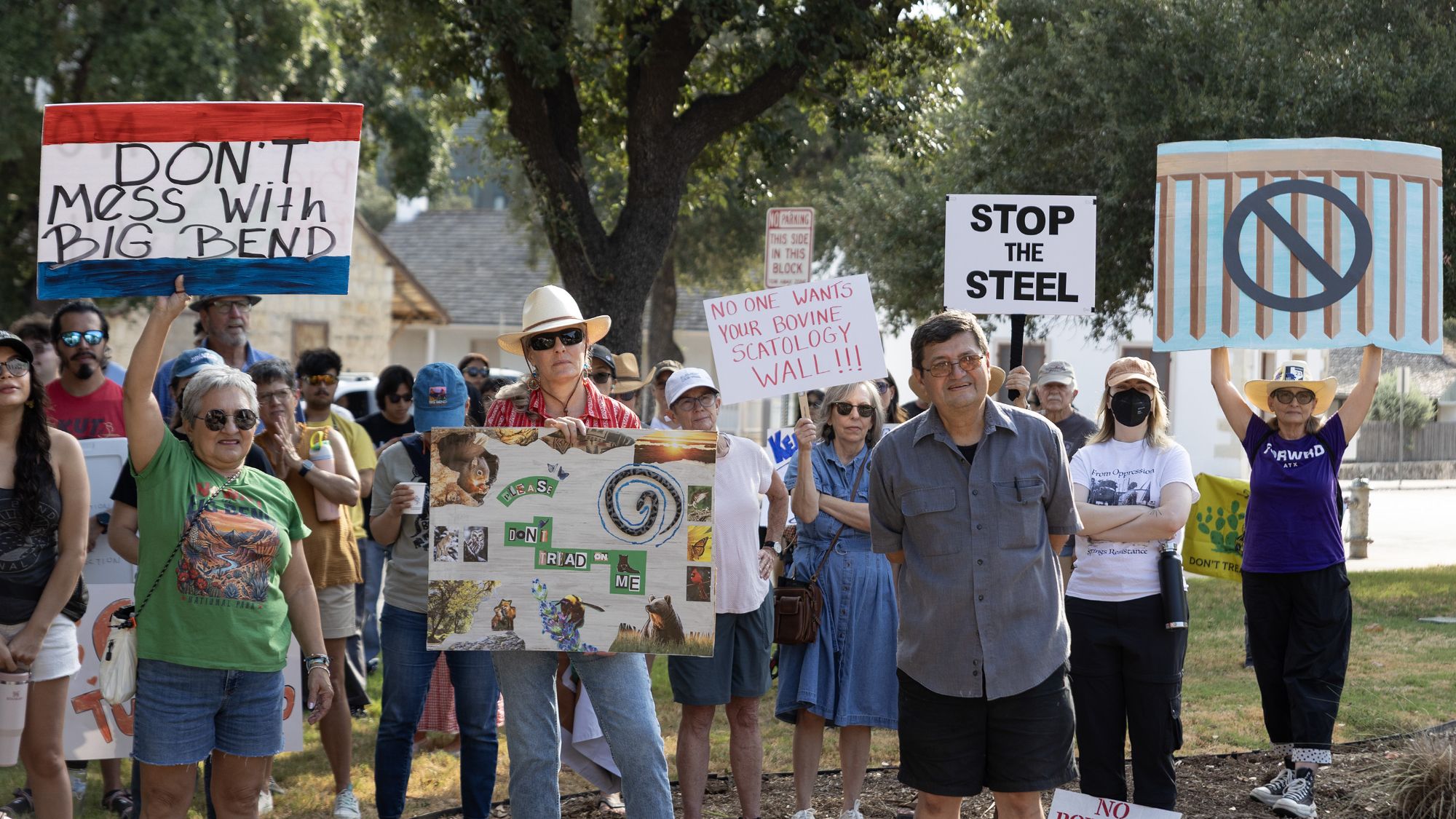
The administration’s plans to build barriers in the “beloved Big Bend region,” especially the national park, “provoked an unusual bipartisan backlash,” NPR said. Environmentalists, ranchers and business owners argued that the low number of border crossings, “sweeping canyons, tough terrain and unforgiving desert heat” made a wall unnecessary while causing significant ecological and economic harm.
“This horrific decision clears the way for contractors to bulldoze pristine desert and dynamite canyon walls before the courts have even decided whether this destruction is legal,” said Laiken Jordahl at the Center for Biological Diversity, one of the plaintiffs. The government’s “‘compelling interests’ in border security,” the Supreme Court said, “outweighs any aesthetic, recreational and environmental harm alleged” by opponents.
What next?
Yesterday’s emergency ruling is temporary, The Texas Tribune said, but border construction can resume “until the Supreme Court decides to hear the case or until it’s settled in the lower court in El Paso.” |