The Week The Week
flag of US
US
flag of UK
UK
https://cdn.mos.cms.futurecdn.net/flexiimages/jzblygzdxr1769609154.gif

SUBSCRIBE

Try 6 weeks free

Sign in
  • View Profile
  • Sign out
  • The Explainer
  • Talking Points
  • The Week Recommends
  • Podcasts
  • Newsletters
  • From the Magazine
  • The Week Junior
  • More
    • Politics
    • World News
    • Business
    • Health
    • Science
    • Food & Drink
    • Travel
    • Culture
    • History
    • Personal Finance
    • Puzzles
    • Photos
    • The Blend
    • All Categories
  • Newsletter sign up Newsletter
  • The Week’s Saturday Wrap
    The DNC's 2024 post-mortem mess, worries over World Cup tourism, and the growing push to tax the rich 

     
    controversy of the week

    Democrats: What the 2024 ‘autopsy’ didn’t say

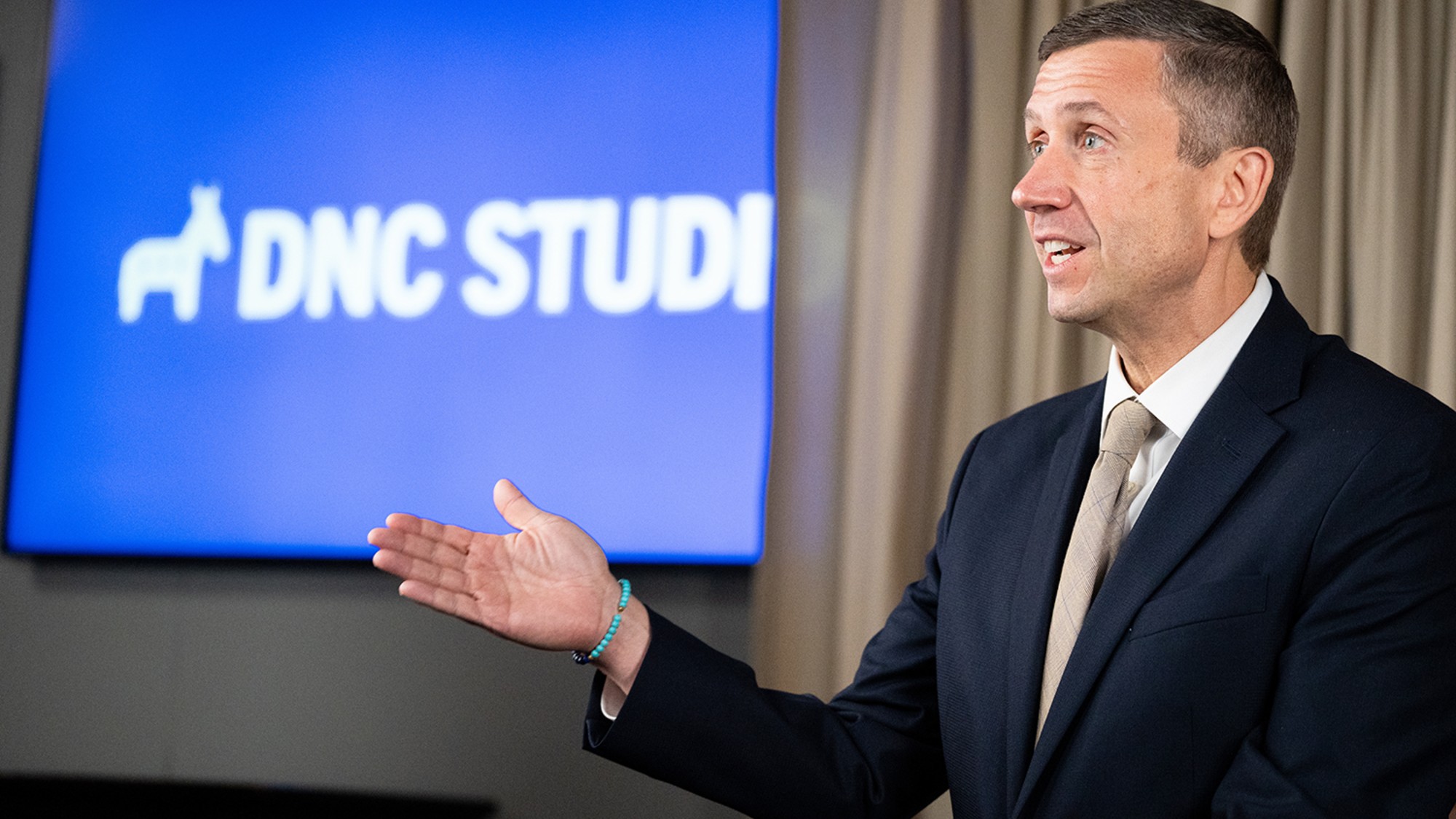
    Now we know what they were hiding, said Michelle Goldberg in The New York Times. Back in January 2025, Ken Martin, chair of the Democratic National Committee, promised that by “spring” the DNC would release an analysis of Kamala Harris’ defeat in the 2024 election. Spring came and went, and in December Martin announced he was shelving the “autopsy” because “to dwell on the past” would be a “distraction.” Last week, the text finally leaked, and Martin released the autopsy himself, pre-apologizing that it “does not meet my standards, and it won’t meet your standards.” On that, at least, Martin told the truth. Missing whole sections and riddled with typos and fact errors, the report’s most striking feature is its “utter lack of substance.” Nowhere in 192 pages of platitudes and wonkery will you find the words “Israel” or “Gaza,” while inflation and immigration — likely the biggest factors in Donald Trump’s re-election — are mentioned only in passing. The report is even silent on the catastrophic error of letting Joe Biden run for a second term at 81, which left Harris — nominated without a primary after Biden imploded — only 107 days to campaign. Commissioned as a plan to win back the White House in 2028, all this “ridiculous” document tells us about the Democratic Party’s future is that “Martin should be replaced.”

    For all its flaws, the DNC autopsy gets some big things right, said Rich Lowry in National Review. Candidate Harris really should have done more to distance herself from Biden, as the report maintains, and make an “affirmative case” for her own presidency. Instead, she focused on Trump’s “unfitness,” as if voters weren’t already acquainted with him, while letting Trump define her as an “out of touch” California lefty — most notably in that devastating “She’s for they/them” ad. Democrats lost because their cultural extremism turned off working-class voters in swing states, said Evan Barker in The Free Press. Perhaps Martin and the authors of this report didn’t want to anger the Democrats’ progressive base with the “ugly truth”: The party’s Biden-era embrace of far-left insanity on trans and gender issues, policing, immigration, and race “has tainted the entire Democratic brand.”

    Actually, Democrats “don’t need an autopsy” to teach them that lesson, said Andrew Prokop in Vox. Since their disastrous defeat by Trump, there’s been “a vibe shift” in the party. Its candidates are displaying a “laser focus on affordability,” and “quietly backing away” from “peak woke” positions. With this effort to be “more solicitous of the median voter,” Democratic candidates — moderates and progressives alike — have already racked up a string of wins in state and special congressional elections. Renewing the party’s brand will take time, said Ed Kilgore in New York, and Democrats have time. Trump’s cratering popularity should win them the House — at least — in November. They can then start choosing a message, and a candidate, for 2028. Democrats were also in the wilderness in 1992 and 2008 — until Bill Clinton and Barack Obama emerged.

    Count on Democrats to screw this up again, said Ramesh Ponnuru in The Washington Post. They could offer a moderate immigration policy that includes strong border enforcement, but they’ll misinterpret their midterms success as proof they should run progressives who want to abolish ICE and offer other “boutique left-wing views.” The DNC autopsy could have been quite simple: Modern Democrats always “misread America.”


    VIEWPOINT

    The subserviant GOP congress

    “In a hyperpolarized country, corruption is no longer judged as an objective moral failing. It is filtered through tribe. This reveals a deeper weakness in the American system. The Founding Fathers built a magnificent constitutional framework, but it rested on an assumption they did not spell out: that public officials would retain some shared commitment to unwritten civic norms. James Madison’s design — ‘ambition must be made to counteract ambition’ — assumed that Congress would jealously guard its powers against the executive. He did not imagine a political party that would surrender its institutional ambition to the personality cult of one man.”
    Fareed Zakaria in The Washington Post 


    briefing

    A soccer bonanza?

    FIFA says the 2026 World Cup will deliver a windfall for the U.S. That’s looking doubtful.

    How many people will be watching?
    Some 6 billion viewers are expected to tune in to the world’s biggest sporting event, which kicks off June 11 in Mexico City and ends with the July 19 final at New Jersey’s MetLife Stadium. And 1.2 million foreign soccer fans are expected to travel to the U.S., which is co-hosting the World Cup with Canada and Mexico. That influx could deliver a much-needed boost for the American tourism industry, which last year saw a 5.5% decline in overseas visitors—that’s about 4 million fewer tourists—largely because of President Trump’s immigration crackdown and his antagonistic foreign policy. A study by the World Trade Organization and FIFA, soccer’s global organizing body, estimates that the World Cup should add $30.5 billion to the U.S. economy and create 185,000 jobs. But signs of that boom have yet to appear in most of the 11 American host cities, and some state and local officials fear they may not recoup the costs of putting on games: New Jersey alone is spending some $300 million in connection with the tournament. “It is not the cornucopia that FIFA talked about,” said Vijay Dandapani, CEO of the Hotel Association of New York City.

    What are host cities reporting?
    Nearly 80% of hoteliers in those cities said in a recent industry survey that tournament bookings are running below expectations. Many described the World Cup as a “nonevent,” with room reservations trailing an ordinary June or July in Kansas City, Boston, Philadelphia, San Francisco, and Seattle, while New York City, Los Angeles, Houston, and Dallas are seeing typical figures. The situation is rosier in Atlanta and Miami, where about half of hoteliers are in line with or outpacing forecasts; that’s possibly because those soccer-loving cities are hosting some of the more exciting early-stage games. Short-term rentals on sites like Airbnb have fared better, but many would-be hosts are still waiting for guests. Bookings could pick up in July when the quarterfinals begin and international fans “sniff an opportunity that ‘this could be our year,’” said Alan Fyall, a hospitality industry expert at the University of Central Florida. But many potential foreign visitors may decide it’s not worth the hassle of heading to the U.S.

    Why might they stay home?
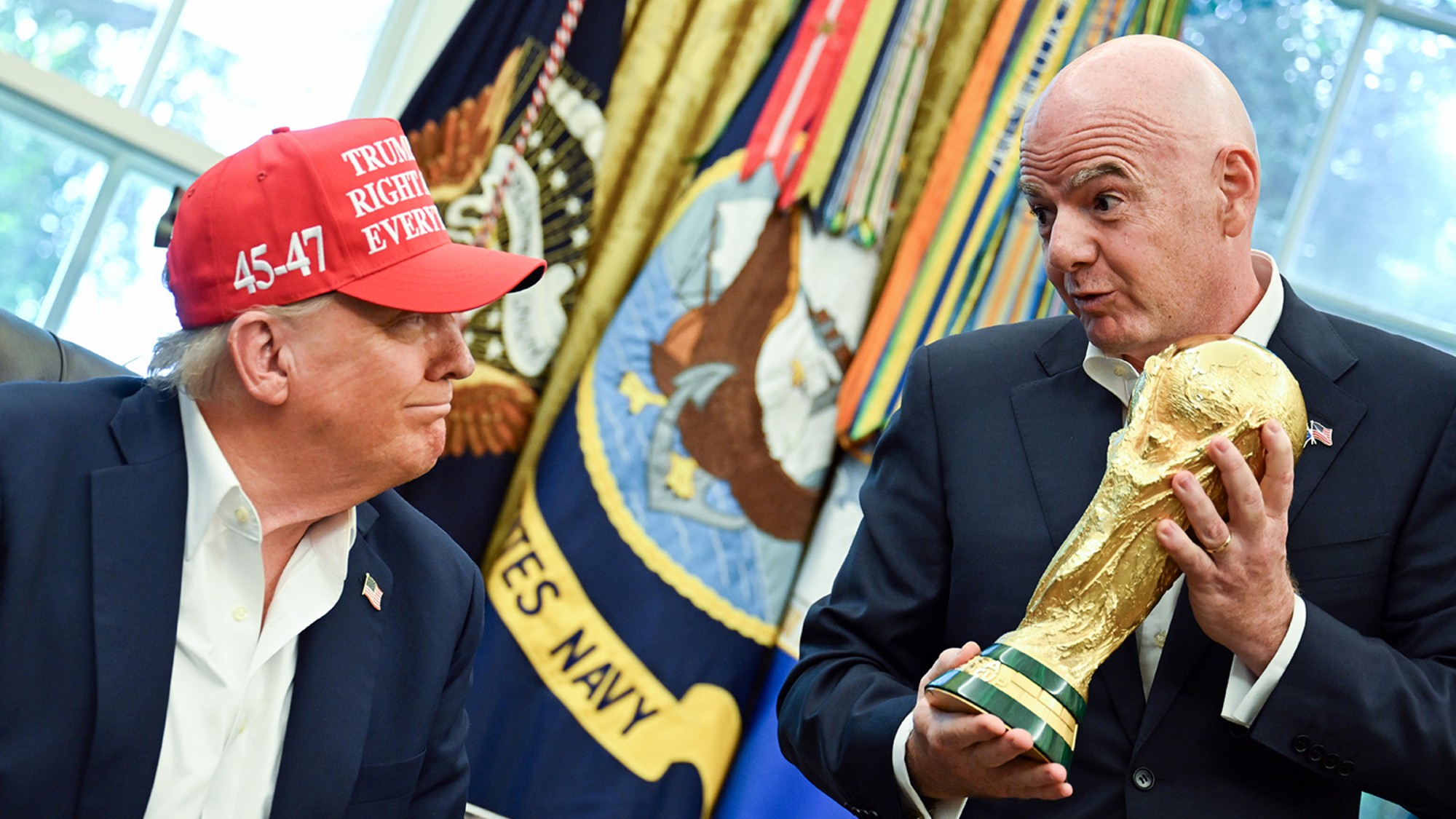
    Trump’s immigration policies are a big factor. John Milce, an Australian who’s been to six World Cups, told The New York Times he’s not coming because he’s made comments about Trump online and fears getting denied entry on landing. “It was too much to risk,” said Milce, 76. Trump’s travel ban means fans of two participating teams, Haiti and Iran, won’t be allowed in. But the administration has waived a $15,000 visa bond for visitors from several African nations, including soccer powers Ivory Coast and Senegal, so long as they bought their World Cup tickets by April 15. Money will be an issue for other fans. The cheapest seats on resale sites are currently hovering around $150 to $200 for group-stage games between lower-tier squads like Cape Verde and Saudi Arabia. Tickets for the U.S.’s June 12 opening game against Paraguay in Los Angeles start at $900 and front-row tickets for the final are selling for nearly $33,000. On learning of those ticket prices, Trump — who’s become pals with FIFA boss Gianni Infantino — said he “wouldn’t pay it.” And transportation won’t be cheap. Dedicated fans will have to travel long distances between games — England’s group matches are in Texas, Massachusetts, and New Jersey — at a time when the Iran war has sent airfares and gas prices skyrocketing. Some cities and states have also jacked up the price of public transportation to stadiums.

    Why is that?
    While FIFA is expected to collect $13 billion from tickets, parking, merchandise, concessions, sponsorships, and TV rights, the organization isn’t covering any transportation costs, forcing local authorities to make tough calls. In Massachusetts, train passengers from Boston’s South Station will pay $80 to get to and from Gillette Stadium in Foxborough, four times what it costs for a New England Patriots game. NJ Transit initially said it would charge $150 for what’s normally a $13 round-trip ride from New York City to MetLife, citing the extra $48 million it will have to spend to accommodate all the extra passengers. The price has since dropped to $98 a game. “We will not be subsidizing World Cup ticket holders on the backs of New Jerseyans,” said Gov. Mikie Sherrill. Cities are also scrambling to beef up security since $625 million in federal funding was held up for months during the Homeland Security shutdown. 

    Are there safety concerns?
    Law enforcement agencies are on high alert, particularly for homegrown, lone wolf extremists seeking to carry out attacks not only at the games but at “soft” targets such as bars and fan zones. “It will be hard to control, given the environment and the number of locations of matches and watch parties across the United States,” one member of a federal law enforcement agency told The Guardian. “There is a very real possibility that something bad will happen.” Still, there’s plenty of excitement about what will unfold on the field.

    What can fans expect?
    More teams. The number of competing countries has expanded from 32 to 48, and Cape Verde, Jordan, Curaçao, and Uzbekistan will this year make their first-ever appearance at the tournament. But soccer’s traditional powers are among the favorites to lift the trophy. There’s Spain, which will be fielding 18-year-old superstar Lamine Yamal, so long as he recovers from a hamstring industry; defending champs Argentina, who will be captained for likely the final time by Lionel Messi; and England, which is seeking to win its first World Cup since 1966. The U.S. squad has performed inconsistently in the lead-up to the tournament but hopes to make a deep run on home soil. “Why not us?” said head coach Mauricio Pochettino. “We need to really believe that we can be there. We need to dream.”



    Only in America

    A Florida art teacher has been suspended for allegedly wrapping a charger cord around the neck of Black baby doll and hanging it in her classroom. When students at Barrington Middle School asked Karen Savage about the macabre display, she reportedly said she was trying “to get their attention.” One parent who complained said she doesn’t buy Savage’s explanation, saying this “is hate being displayed in front of children.”


    It wasn’t all bad

    An upstanding citizen in Florida is being hailed for returning $30,023 in cash he found in a convenience-store restroom. Luis Salazar discovered a black fanny pack with the money inside resting on a handicap bar in the bathroom at a Wawa gas station in Riviera Beach. He searched the store and parking lot in vain for the man who had been in the bathroom before him. When the fanny pack’s owner went to the police days later for help, they located Salazar and he was happy to hand back the cash. “It’s not mine to keep,” Salazar said.


    talking points

    Blue states: Time to tax the rich?

    Across the nation, Democrats are waging a “war on wealth,” said the Washington Examiner in an editorial. In March, state lawmakers in Democratic-run Washington slapped a 9.9% levy on incomes over $1 million; Maine Democrats followed suit in April with a 2% surcharge. New York City Mayor Zohran Mamdani is currently seeking a tax on second homes worth $5 million or more. And in November, Californians will vote on a referendum that could gouge billionaires with a one-time 5% levy; Minnesota, Hawaii, and Illinois are considering similar wealth taxes. It’s a short-sighted policy spearheaded by Democrats who wrongly “see billionaires not as engines of economic growth but as villains who should be punished.” And it belies the fact that the very rich “are paying their fair share, and arguably more.” The top 1% of earners take in about 20% of all income — but pay about 40% of federal income taxes.

    That’s true of high-salary workers, said Nathaniel Meyersohn in CNN.com. But billionaires’ wealth often comes from the growing value of their stock holdings, and capital gains taxes — paid when stock is sold — are lower than income taxes. From 2014 to 2018, ProPublica found, the nation’s top 25 billionaires’ wealth rose by $401 billion, while their federal income tax rate was a mere 3.4%. But state wealth taxes “may backfire” if wealthy residents flee to lower-tax red states. It’s already happening, said Jonathan Turley in the New York Post. Wealth builders are bolting from Seattle, where they face both tax hikes and “hostility” from socialist mayor Katie Wilson, who casts them as “social parasites.” Seattle-based Starbucks, whose co-founder Howard Schultz blasted Wilson for “socialist rhetoric” that “vilifies employers,” is planning a $100 million headquarters in business-friendly Nashville.

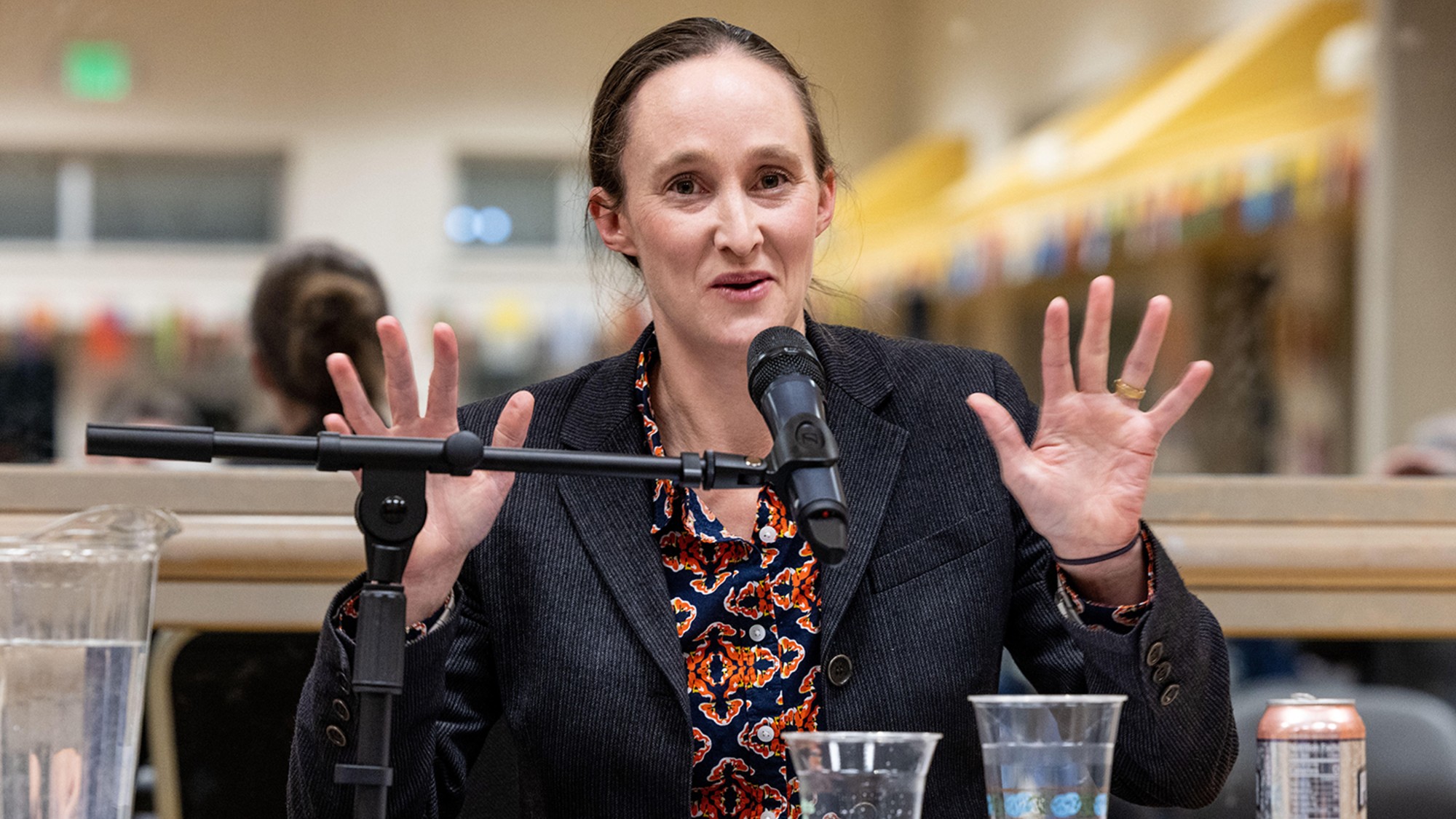
    To understand why wealth taxes make sense, look to California, said Emmanuel Saez and Gabriel Zucman in The New York Times. Over the past three years alone, its billionaires’ collective wealth rocketed by 144%, to over $2 trillion. But from 2019 to 2025, they paid, on average, only 0.26% of their wealth annually in state income taxes. Meanwhile, the state faces a budget gap worsened by the Trump administration’s cuts to Medicaid, and cities are cutting services. A one-time 5% tax on the “ultrarich ”— who have “benefited from the state’s infrastructure, universities,” and business networks — would raise nearly $100 billion. It’s high time they “contribute in modest proportion to their gains,” and in November, “California’s voters should show the nation the way forward.”


    people

    How Field channels her rage

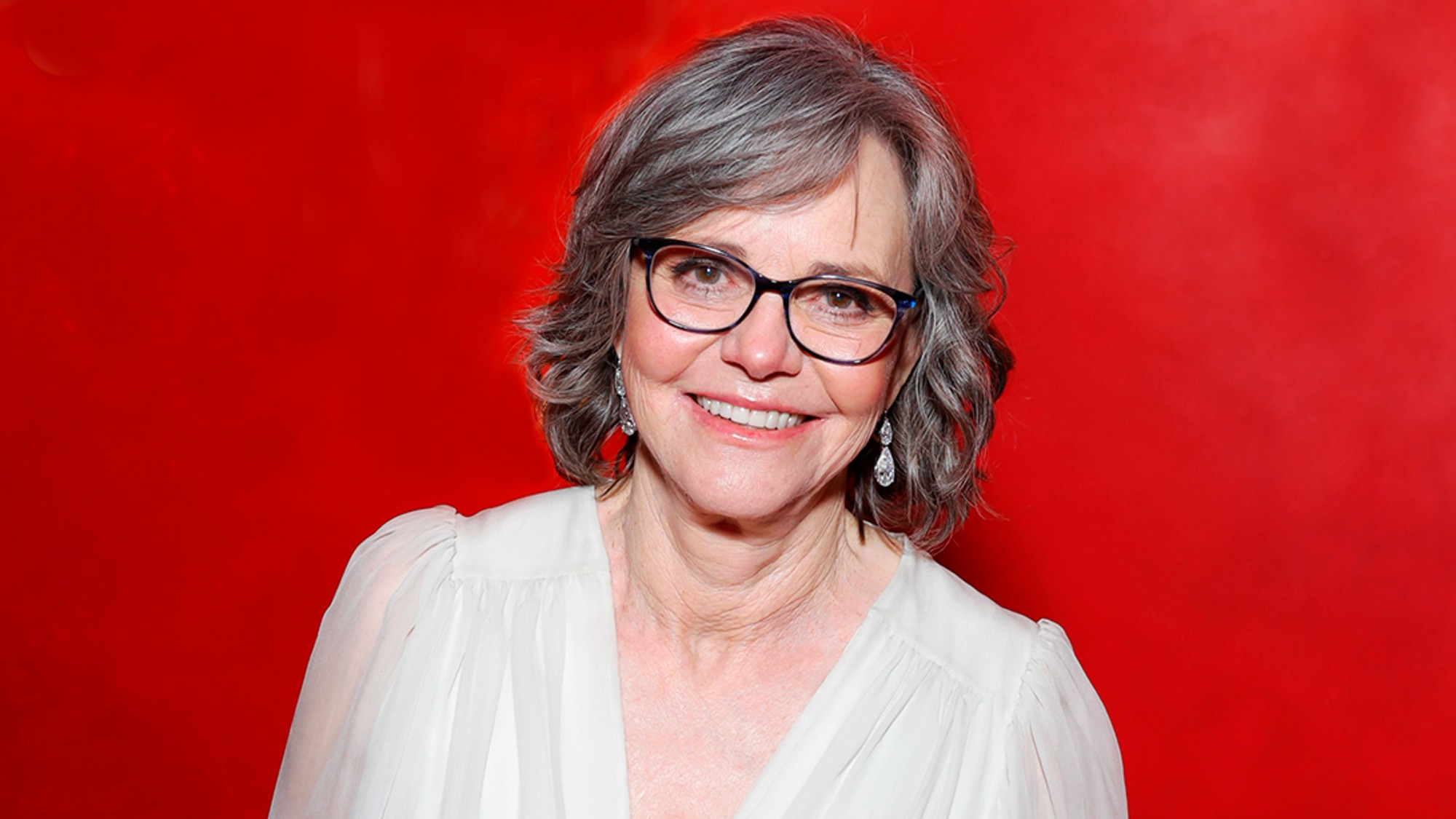
    Sally Field spent decades working through her anger, said Andrea Mandell in People. The actress rose to fame in 1965 as a spunky, pigtailed surfer in ABC’s Gidget. At 18, “there was a part of me that was very much like Gidget,” says Field, now 79. “I knew how to make people laugh, but there was a darkness that was yet to be explored.” When Gidget was canceled, Field was pressured by producers and her stepfather — who had sexually and emotionally abused her as a child — into taking the lead in the absurdist sitcom The Flying Nun. “I had just turned 19. I didn’t want to be a nun!” After three years on the show, she was effectively canceled by Hollywood and unable to land decent auditions. To win roles, she decided “that if I wasn’t where I wanted to be, I had to get better.” Field worked with famed acting coach Lee Strasberg and discovered she could channel the pain of her childhood into her craft. “I was filled with rage. Really filled with rage. And Strasberg allowed me to begin to tap into it, to not let it devour me.” She was soon scoring parts again and has since won two Oscars — all without, she proudly notes, ever playing a woman whose chief problem is finding a man. “I didn’t like it then, and it doesn’t appeal to me now, because I think women are about so much more. Life is so much more complicated than that.”


    Saturday Wrap was written and edited by Theunis Bates, Chris Erikson, Bill Falk, Allan Kew, Bruno Maddox, Scott Meslow, Tim O’Donnell, and Zach Schonbrun.

    Image credits, from top: Getty, Reuters, AP, Getty
     

    Recent editions

    • Evening Review

      Is war with Russia coming?

    • Morning Report

      Israel to seize ‘70% of Gaza Strip’

    • Evening Review

      Is the declining birth rate a crisis?

    VIEW ALL
    TheWeek
    • About Us
    • Contact Future's experts
    • Terms and Conditions
    • Privacy Policy
    • Cookie Policy
    • Advertise With Us
    • FAQ
    Add as a preferred source on Google Add as a preferred source on Google

    The Week UK is part of Future plc, an international media group and leading digital publisher. Visit our corporate site.

    © Future Publishing Limited Quay House, The Ambury, Bath BA1 1UA. All rights reserved. England and Wales company registration number 2008885.