The Week The Week
flag of US
US
flag of UK
UK
https://cdn.mos.cms.futurecdn.net/flexiimages/jzblygzdxr1769609154.gif

SUBSCRIBE

Try 6 weeks free

Sign in
  • View Profile
  • Sign out
  • The Explainer
  • Talking Points
  • The Week Recommends
  • Podcasts
  • Newsletters
  • From the Magazine
  • The Week Junior
  • More
    • Politics
    • World News
    • Business
    • Health
    • Science
    • Food & Drink
    • Travel
    • Culture
    • History
    • Personal Finance
    • Puzzles
    • Photos
    • The Blend
    • All Categories
  • Newsletter sign up Newsletter
  • WeekDay AM: 10 Things you need to know this morning
    England’s drought, US-Saudi strikes in Iraq, and an Earth-like exoplanet

     
    today’s environment story

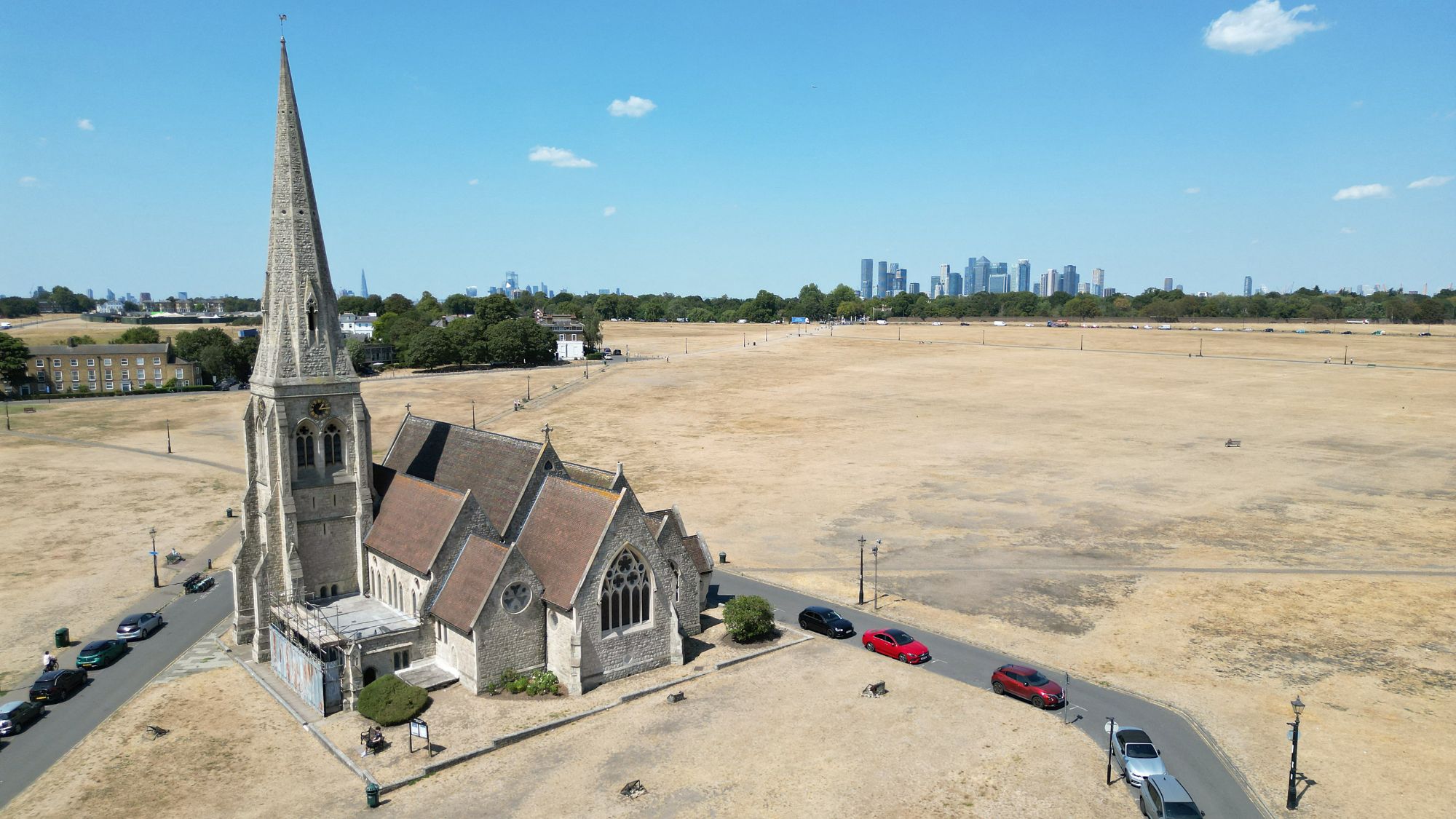
    Drought sparks wildfire and food fears in England

    What happened
    Large parts of England are facing an elevated wildfire threat as the intensifying drought also raises concerns over food supplies and water shortages. More than half the country is now officially in drought following successive heatwaves and one of the driest Julys on record.

    Fire crews have tackled more than 200 wildfires in the past fortnight, while millions of households remain subject to hosepipe bans. The prolonged lack of rain has also left rivers, reservoirs and farmland under increasing strain.

    Who said what
    The Met Office warned that wildfire conditions would be “severe” across much of England. National Farmers’ Union deputy president Paul Tompkins said the increasingly extreme conditions were making it “harder, riskier and more costly to produce the nation’s food”.

    But for many arable farmers, “the damage is already done”, said Jane Dalton and Harriette Boucher in The Independent. Paul Francis, of Long Farms in Suffolk, told the paper the prolonged lack of rain had dramatically affected the yields of crops including potatoes, onions and carrots, and that any vegetables produced were likely to be smaller.

    What next?
    This month is already “set to be the driest on record”, said Olivia Guthrie on ITV News, with England receiving just 7% of its expected rainfall, and southern England seeing just 1%. Forecasters predict little meaningful rainfall in the coming days.


    today’s international story

    Iraq attacks raise prospect of wider war

    What happened
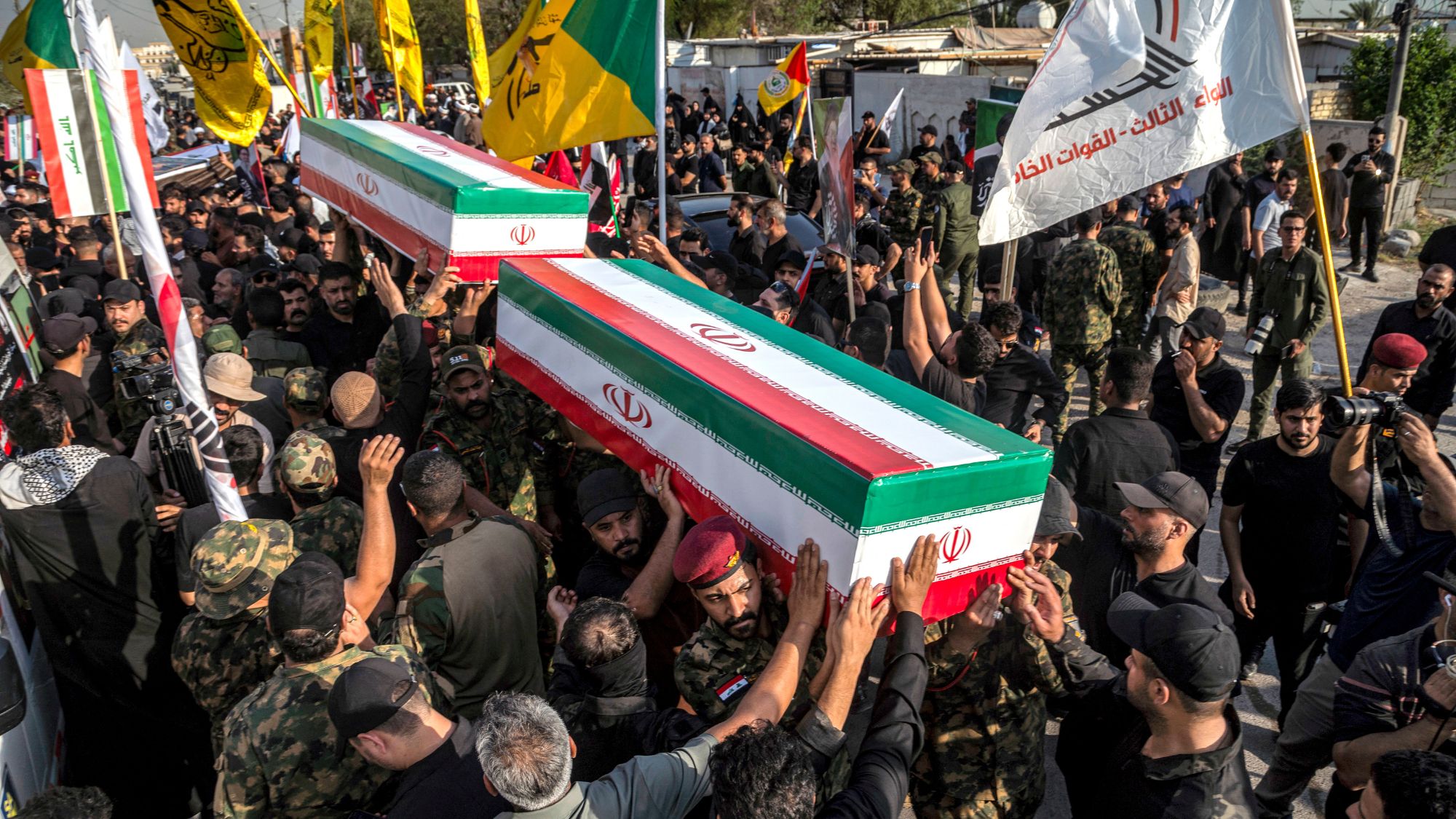
    Joint US and Saudi Arabian air strikes on Iran-backed militia positions in Iraq have intensified fears that the Middle East conflict is entering a more dangerous phase. At least 20 fighters from Iraq’s Popular Mobilisation Forces (PMF) were killed in the attacks, while Iran responded by firing missiles at US military bases in Jordan, signalling an end to the latest brief lull in hostilities.

    Who said what
    Chatham House analyst Sanam Vakil said the conflict was becoming increasingly difficult to predict and that “everyone is trying make sense of something that is increasingly senseless”.

    While Saudi Arabia has previously been involved in only a few covert strikes on Iran as part of the war, Riyadh’s “overt involvement” now marks a “new turning point in the conflict”, said Peter Beaumont in The Guardian.

    The “scope of the war” in the Middle East “widened” yesterday, agreed Max Bearak in The New York Times. Iran-linked groups across the region have now “opened new fronts and reopened old ones, embroiling forces in Saudi Arabia, Iraq, Lebanon and Jordan in the war that, until recently, had been contained to countries along the Persian Gulf”.

    What next?
    H.A. Hellyer, of the Royal United Services Institute, warned that the region had entered “uncharted territory” and it was now impossible to know how Tehran would respond because it views the conflict as an existential struggle.


    Today’s sport story

    English FA faces World Cup boycott calls

    What happened
    England’s Football Association is under mounting pressure to consider boycotting future World Cups amid a widening backlash against a Fifa proposal to hand the commercial rights to its biggest men’s and women’s tournaments to a private investment group.

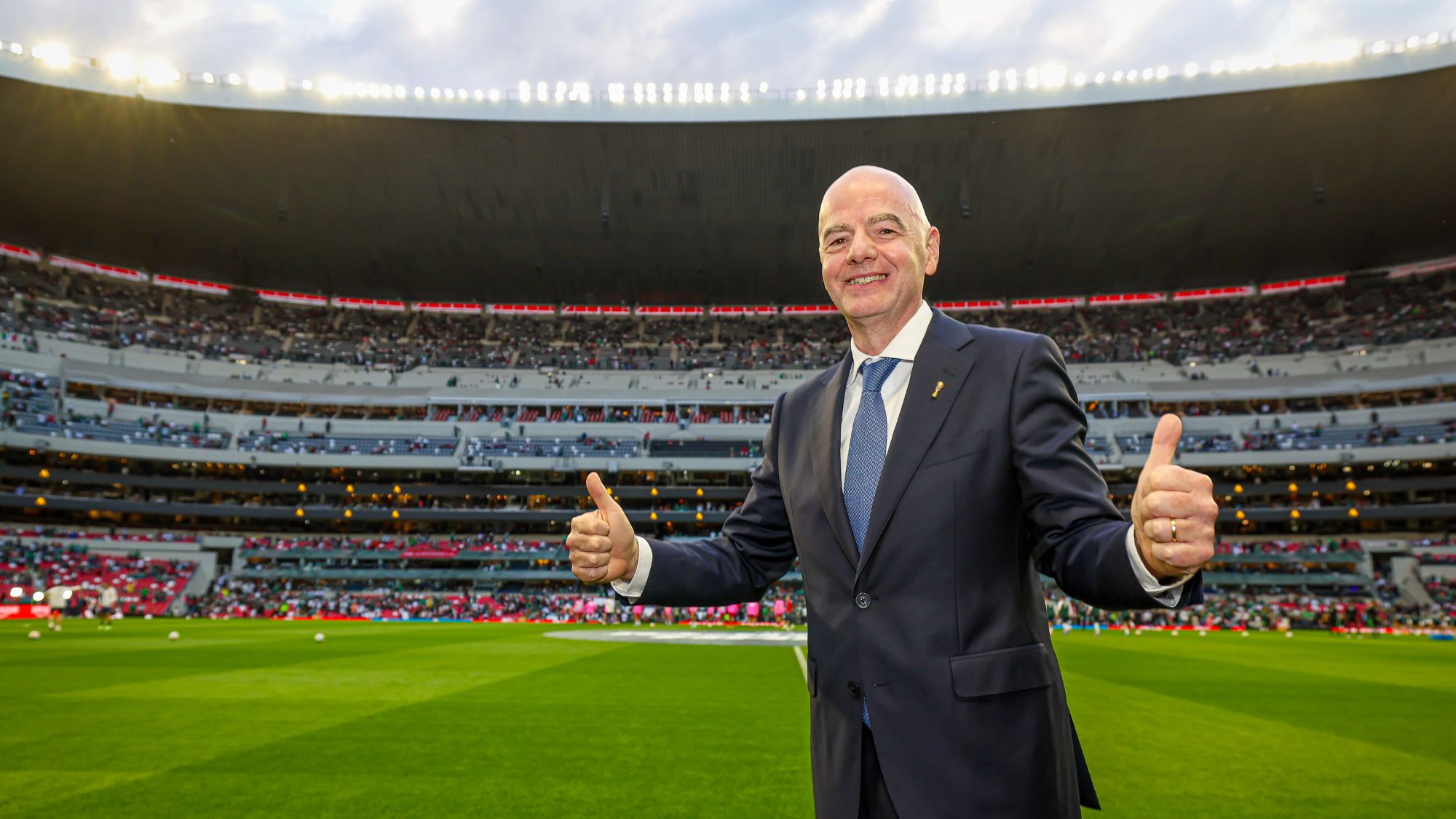
    The plan – reportedly worth about £15 billion and championed by Fifa president Gianni Infantino (pictured above) – has prompted an emergency meeting of Uefa’s 55 member associations as European football seeks a united response.

    Who said what
    Former FA chair David Bernstein said the proposal “stinks” and argued that England should be prepared to boycott the World Cup alongside other European nations. The FA said it had been “completely unaware of this proposal” and was “deeply concerned about the lack of process and governance” surrounding it.

    “Behind the scenes, there is astonishment about Infantino blindsiding many senior figures close to Fifa as well as across the game,” said Tom Morgan and Sam Dean in The Telegraph.

    What next?
    Uefa members are due to discuss a co-ordinated response. Any boycott would require broad European support and could affect the upcoming women’s, club and men’s World Cups. Fifa member associations have been given 53 days to decide whether to back the investment plan.


    It’s not all bad

    A large section of a 2,000-year-old ceiling fresco from Pompeii has been painstakingly reconstructed after archaeologists pieced together hundreds of fragments buried by the eruption of Mount Vesuvius in AD79. The artwork, discovered by chance during excavations, depicts the Greek god Dionysus alongside intricate floral garlands, theatrical masks and winged figures. Experts assembled the fragile pieces on a specially curved support, allowing visitors to see the remarkable reconstruction for the first time.


    under the radar

    Scientists have found an Earth-like exoplanet

    A super-Earth, 48 light-years away – approximately 1.7 times the diameter and 5.6 times the mass of our planet – may be capable of sustaining life. The exoplanet, LHS 1140 b, was found to be leaking helium, which could be indicative of the presence of an atmosphere, a necessary factor for life to flourish.

    LHS 1140 b likely has an “upper atmosphere dominated by helium and depleted in hydrogen, with other volatile species trapped at lower altitudes”, said a study published in the journal Science. The exoplanet, discovered in 2017, was found to share many qualities with Earth. Although its temperatures are colder than our planet’s, it “orbits a red dwarf star within the star’s habitable zone”, which is the sweet spot “where temperatures and environmental conditions are within the range that could support liquid water on the planet’s surface”, said a news release about the study.

    The question remains whether LHS 1140 b is a “bare rock with no atmosphere”, Jason Dittmann, an assistant professor of astronomy at the University of Florida and the one who first found the planet, told The Independent.

    An atmosphere helps a planet hold water, regulate climate and protects it from space radiation. To determine whether the helium leak is from an atmosphere, Nasa’s James Webb Space Telescope will be used to “look for water, and if there’s water in the atmosphere, then it’s probably a stable atmosphere that will persist”, added Dittmann. Even if this exoplanet is not the next Earth, “if one potentially organic world is out there, countless others could be, too”, said Time. The existence of viable planets “dramatically” boosts the odds of alien life.


    on this day

    30 July 1930

    The first Fifa World Cup Final took place at the Estadio Centenario in Montevideo, Uruguay – with Uruguay beating Argentina 4-2. To mark the Cup’s 100th anniversary, the first game of the 2030 tournament will be played in Montevideo.


    Today’s newspapers

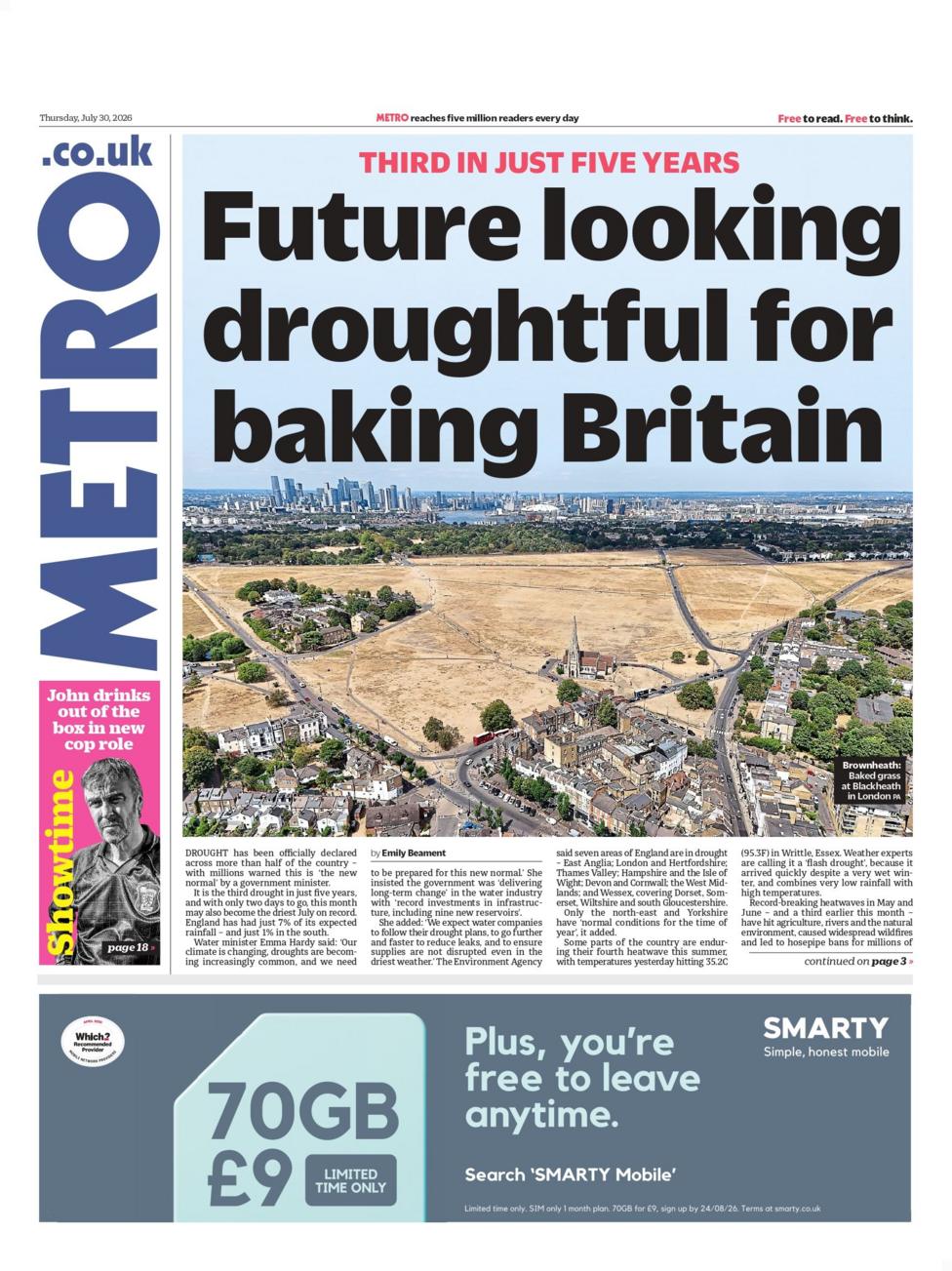
    ‘Droughtful future’

    The “future” is “looking droughtful” for “baking Britain”, Metro says. “Take a shorter shower to save water in drought”, says The i Paper. The Times reports on a “wildfire alert” as the drought is “set to eclipse 1976”. There was a “dinghy flotilla” in the channel, The Sun reports, and the Daily Mail says that “hundreds more migrants” have rushed to “board channel dinghies just hours” after Andy Burnham “boasted of success in stopping them”. 

    See the newspaper front pages


    tall tale

    Beach blanket ban

    Authorities in Italy have performed a dawn raid on “umbrella cheaters” who try to bag the best seaside spots before anyone else arrives, according to The Guardian. Coastguard staff and local police drew a line in the sand when they confiscated 40 umbrellas, loungers and deck chairs left overnight on the Torre del Greco beach near Naples. Leaving equipment behind can now land beachgoers with fines of up to €500 (£430). Similar crackdowns are making waves on beaches in Puglia, Liguria and Sardinia.


    Morning Report was written and edited by Arion McNicoll, Jamie Timson, Lea Tran, Devika Rao, Ross Couzens and Chas Newkey-Burden, with illustrations by Stephen P. Kelly.

    Image credits, from top: Justin Tallis / AFP / Getty Images; Murtadha Ridha / AFP / Getty Images; Antonio Torres – Fifa / Getty Images; Illustration by Stephen P. Kelly / Getty Images / Shutterstock.

    Morning Report and Evening Review were named Newsletter of the Year at the Publisher Newsletter Awards 2025
     

    Recent editions

    • Evening Review

      Is Fifa selling football’s soul?

    • Morning Report

      Burnham seeks cross-party unity on social care overhaul

    • Evening Review

      Netanyahu and Zelenskyy go to Washington

    VIEW ALL
    TheWeek
    • About Us
    • Contact Future's experts
    • Terms and Conditions
    • Privacy Policy
    • Cookie Policy
    • Advertise With Us
    • FAQ
    Add as a preferred source on Google Add as a preferred source on Google

    The Week UK is part of Future plc, an international media group and leading digital publisher. Visit our corporate site.

    © Future Publishing Limited Quay House, The Ambury, Bath BA1 1UA. All rights reserved. England and Wales company registration number 2008885.