The Week The Week
flag of US
US
flag of UK
UK
https://cdn.mos.cms.futurecdn.net/flexiimages/jzblygzdxr1769609154.gif

SUBSCRIBE

Try 6 weeks free

Sign in
  • View Profile
  • Sign out
  • The Explainer
  • Talking Points
  • The Week Recommends
  • Podcasts
  • Newsletters
  • From the Magazine
  • The Week Junior
  • More
    • Politics
    • World News
    • Business
    • Health
    • Science
    • Food & Drink
    • Travel
    • Culture
    • History
    • Personal Finance
    • Puzzles
    • Photos
    • The Blend
    • All Categories
  • Newsletter sign up Newsletter
  • The Week’s Sunday Shortlist
    Ian McKellen's artistic triumph, Richard Gadd’s Baby Reindeer follow-up, and a true-crime morality tale

     
    FILM REVIEW

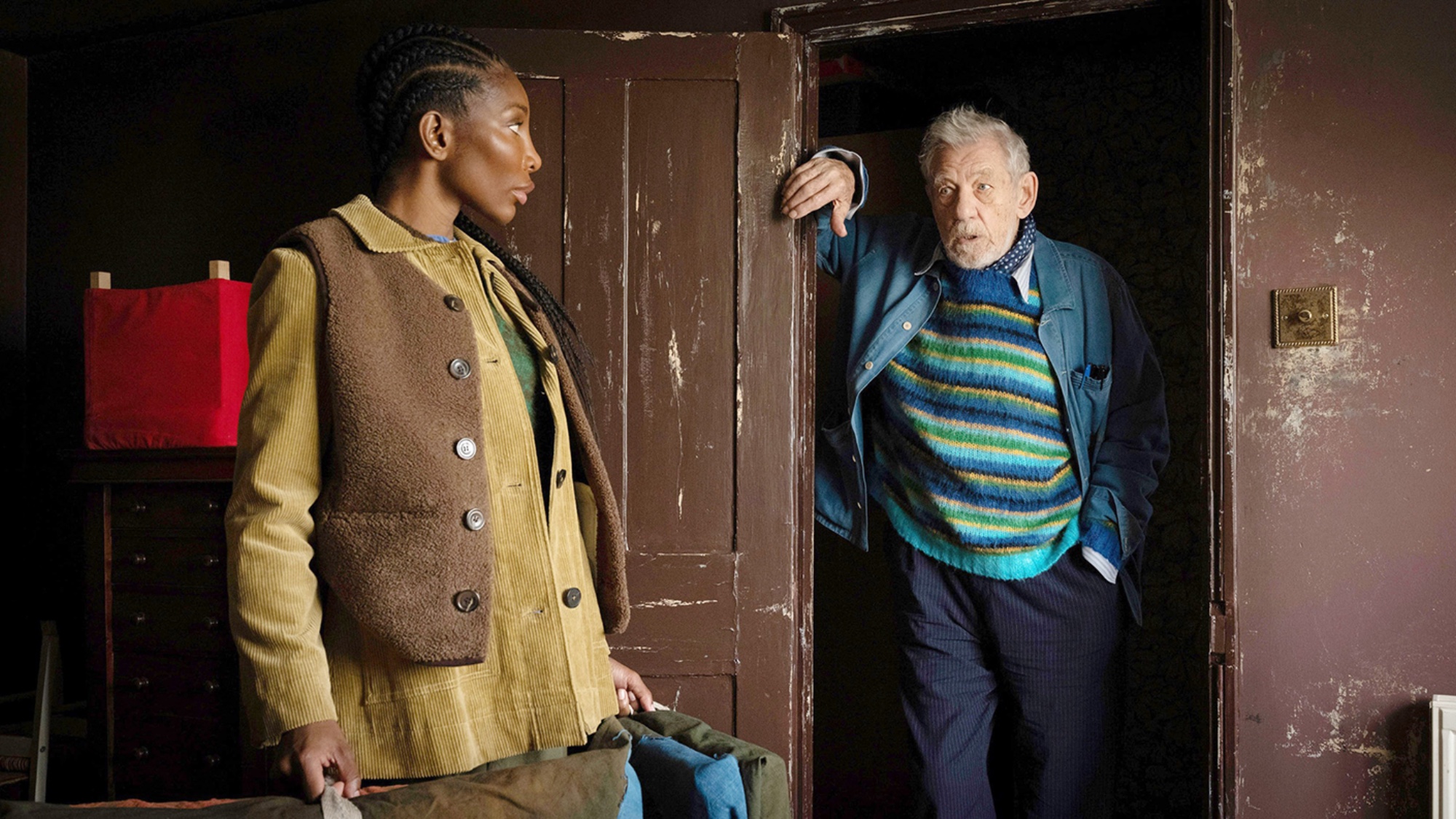
    The Christophers

    “No actor in a movie this month is enjoying themselves more than Ian McKellen,” said Amy Nicholson in the Los Angeles Times. Playing a celebrity painter in Steven Soderbergh’s “slender pleasure” of a new film, the 86-year-old legend unleashes “a scene-gobbling performance that doesn’t hold back one iota.” McKellen’s Julian Sklar is a pawn in a scam hatched by his two adult children, who’ve hired Lori, a struggling artist, to execute the scheme, but suspense is less the draw than the way the plot “doodles along, rarely going where we expect.” Lori is played by Michaela Coel, and “I have rarely enjoyed watching two actors’ rapport the way I loved watching McKellen and Coel,” said Alissa Wilkinson in The New York Times. In this “sparkling, wise” portrait of two artists, Lori has been tasked with conning her way into an assistant post under Julian so she can forge the completion of a series of unfinished paintings potentially worth a fortune. “These characters could easily be types,” but thanks to the co-stars, they’re living, breathing individuals. Lori, as written, doesn’t strike me as fully realized, said Matt Zoller Seitz in RogerEbert.com. Coel does all she can to fill out the character, though, and McKellen never runs out of “gloriously ornate” monologues delivered in close-up. “Simple pleasures like these are why movies were created.”


    tv review

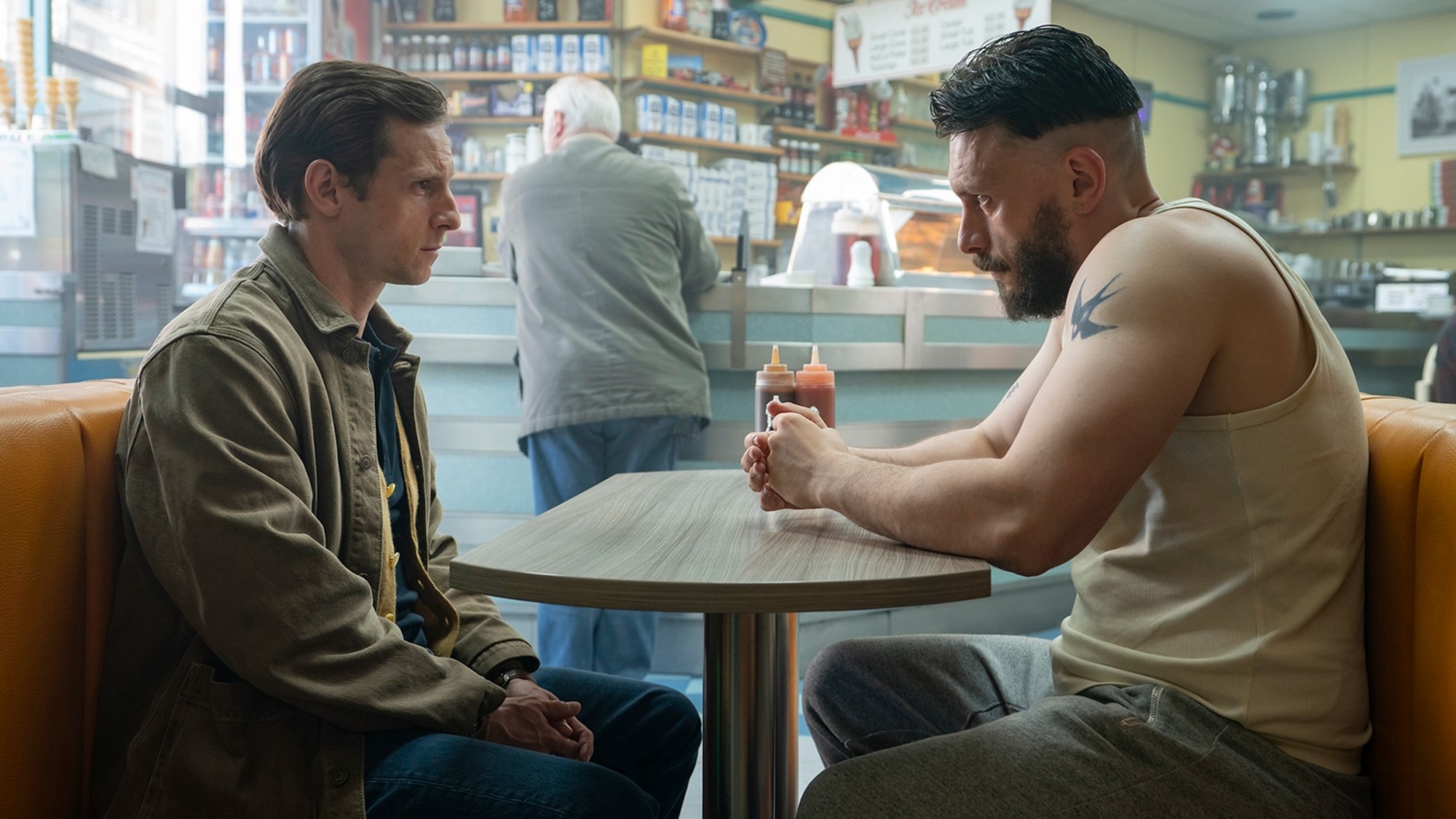
    Half Man

    If Baby Reindeer taught us anything, it’s that Richard Gadd, its Emmy-showered star and creator, knows how to dramatize toxic relationships. The Scottish actor-writer’s follow-up series is a chilling tale about twisted brotherhood, with a beefed-up Gadd playing the hot-burning half of a deeply codependent pair of near siblings. The two opposites are forced together as teenagers, when their mothers move in together. But the boys’ bond grows, and while Gadd’s Ruben eventually lands in prison, Jamie Bell’s malleable Niall winds up committing unforgivable acts of his own. 
    Thursday, April 23, at 9 p.m., HBO and HBO Max


    FOOD & DRINK

    Taste test: Best cheddars

    “Good cheese doesn’t have to be expensive,” said Amelia Schwartz in Food & Wine. We learned that the delicious way when we recently blind-tested 11 of the most widely available supermarket sharp cheddars and found that the best of them are “genuinely interesting” cheeses. These are sold in 7 to 8 oz blocks.

    Kerrygold Aged Cheddar ($7)
    This Irishmade stalwart is “the closest you can get to gourmet cheese in the dairy aisle.” The texture is “firm, bordering on crumbly, but delightfully creamy on the palate.” 

    Cracker Barrel Vermont Sharp White ($5)
     “The prototypical white cheddar,” Cracker Barrel is “bright, slightly acidic, and very nostalgic.” We like the company’s yellow cheddar almost equally as well. 

    Tillamook Sharp Cheddar ($5)
    “Light, salty, and firm, this cheddar is highly snackable,” Though some tasters found the texture plasticky, this cheese is another “reliable, affordable crowd-pleaser.”


    BOOK OF THE WEEK

    London Falling: A Mysterious Death in a Gilded City and a Family’s Search for Truth

    by Patrick Radden Keefe

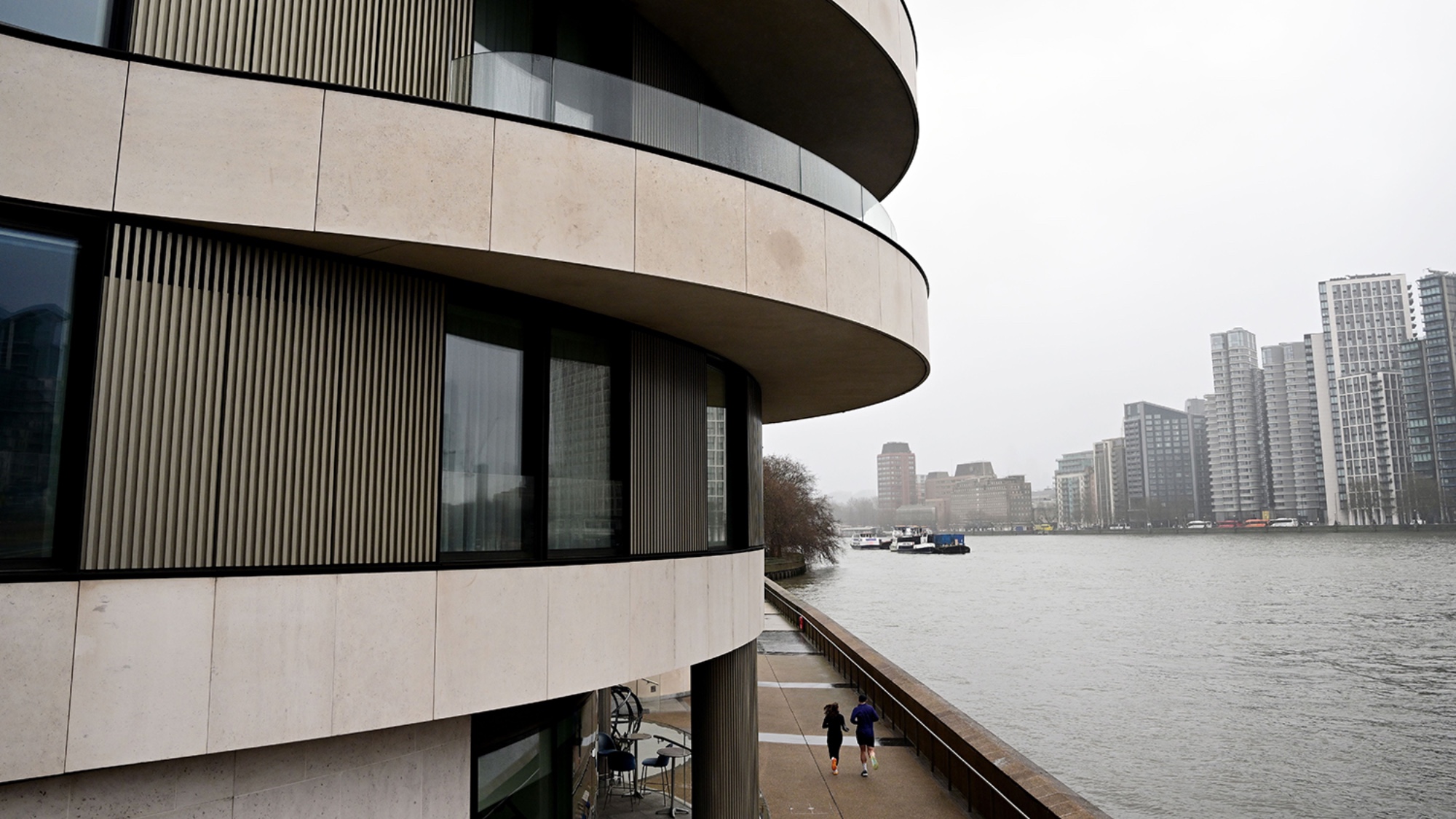
    “The best true-crime stories use a particular event as a key to unlock a world,” said Laura Miller in Slate. Patrick Radden Keefe’s latest book “does just that,” finding, in the unexplained death of a London teenager, “both a private loss and a parable of the decay of a once great city.” In the early hours of Nov. 29, 2019, Zac Brettler, a 19-year-old from a comfortably middle-class family, leaped from a fifth-floor balcony into the Thames River and drowned after striking the sloping river wall. Though the official inquest failed to determine whether Zac jumped to escape danger or to kill himself, The New Yorker’s Keefe winds up blaming the death on the corruption of London in recent decades by oligarchs, con men, and international criminals. The strands of the story he tells “strongly suggest that it was the city that destroyed the boy.”

    Keefe’s book “opens a window onto a world of financial dirty work and Walter Mitty–like fantasies of aspirational wealth,” said Ian Thomson in The Guardian. As a teenager, Zac became wealth-obsessed, but his parents were unaware their son had become a compulsive fabulist who had told entrepreneur Akbar Shamji and Shamji’s violent associate, Verinder Sharma, that he was “Zac Ismailov,” a Russian oligarch’s son soon to receive a hefty inheritance. The pair eventually uncovered Zac’s ruse, and they were the last to see him alive, but they denied causing him to jump from the balcony of Sharma’s apartment. Keefe’s “scrupulously researched” account proves “grimly absorbing from start to finish” as the author of Say Nothing and Empire of Pain weaves together the stories of these three men. ‘

    With London Falling, Keefe has given us “a morality tale for an amoral age,” said Hamilton Cain in The Boston Globe. But he appears to have been so invested in providing Zac’s parents’ perspective on the story that his own conclusions can’t be fully trusted. “He shrugs off Zac’s deceptions as a kind of precocious child’s play,” and “despite red flags everywhere,” proves “reluctant to consider the teenager’s fraught mental health,” leaning instead on “a golden-boy-ensnared-by-the-wrongcrowd approach.” For me, Keefe’s close collaboration with Zac’s parents “transforms the narrative from a standard true-crime procedural into a profound exploration of parental grief and the search for accountability in a city that often protects its most shadowy residents,” said Tobias Grey in Air Mail. The police come off as disturbingly negligent, but even the Brettler family takes its knocks, and “Keefe’s probity and knack for telling a compelling story ensure that no stone is left unturned.


    OBITUARY

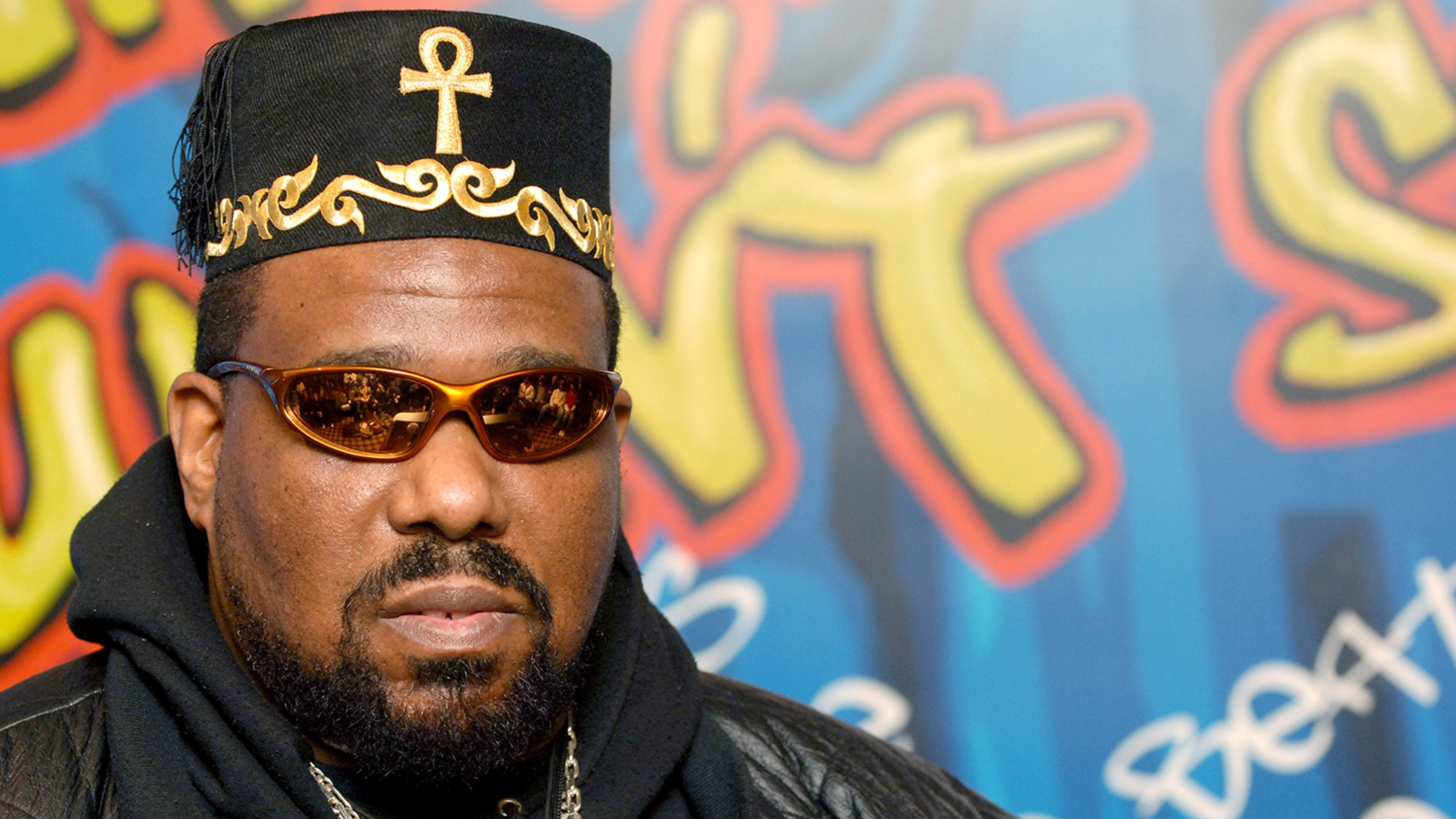
    Afrika Bambaataa

    The DJ who was a godfather of hip-hop

    Afrika Bambaataa was a formative figure in hip-hop, as influential at the start as his better-known peers Grandmaster Flash and DJ Kool Herc. At South Bronx street parties in the 1970s, he galvanized the crowds with breakbeat DJing that incorporated sounds ranging from funk and rock to electronica, salsa, and movie soundtracks. He helped bring hip-hop into the mainstream in 1982 with his electrofunk breakout hit “Planet Rock,” built around a keyboard riff from the German electronic group Kraftwerk. Beyond his musical contributions, Bambaataa also helped shape hip-hop as a broader cultural movement, founding the collective Universal Zulu Nation, which supported the four components of hip-hop: DJing, MCing, breakdancing, and graffiti art. “I was seeing all this that was happening,” he said in 2009, “and decided to make this as a cultural movement.”

    Born Lance Taylor, he was raised by his Jamaican mother in a housing project in the South Bronx, a neighborhood blighted by “years of economic neglect,” said the Associated Press. Thanks to his mother’s extensive record collection, he “was exposed to music at an early age,” and as he began to DJ at community centers his “ability to repurpose and mix old hits became one of his signatures.” By 1975, when he was 22, he had adopted his stage name—drawn from a 19th-century Zulu leader— and was bringing his parties to a bigger audience, said The Guardian, “pulling together crews of fledgling rappers, organizing breakdancing competitions, and generally helping to create a new aesthetic.” As hiphop grew popular, he helped move it from funk and soul beats “toward a more futuristic technopop feel.” His “Planet Rock” was the epitome of that sound, and “one of the earliest rap songs to impinge on the wider public consciousness.” 

    “Prolific to a fault,” Bambaataa went on to release dozens of albums, said Rolling Stone, and collaborate with artists such as James Brown, George Clinton, and former Sex Pistol John Lydon. But allegations of a dark past came out in 2016, when three men accused him of having sexually abused them in the 1990s. Other men then also came forward to say he’d abused them as teens, and one filed suit. Bambaataa denied all the allegations but lost the civil case after refusing to appear in court. His legacy as “a foundation architect of hip-hop culture” will remain, rap pioneer Kurtis Blow said after Bambaataa’s death, but that “legacy is complex.”


    Sunday Shortlist was written and edited by Susan Caskie, Ryan Devlin, Chris Erikson, Chris Mitchell, Rebecca Nathanson, and Matt Prigge

    Image credits, from top: Neon/Everett, HBO, Shutterstock, Everett
     

    Recent editions

    • Saturday Wrap

      Turmoil at the Pentagon

    • Evening Review

      Is the world entering the ‘electrostate’ era?

    • Morning Report

      Israel-Hezbollah ceasefire begins

    VIEW ALL
    TheWeek
    • About Us
    • Contact Future's experts
    • Terms and Conditions
    • Privacy Policy
    • Cookie Policy
    • Advertise With Us
    • FAQ
    Add as a preferred source on Google Add as a preferred source on Google

    The Week UK is part of Future plc, an international media group and leading digital publisher. Visit our corporate site.

    © Future Publishing Limited Quay House, The Ambury, Bath BA1 1UA. All rights reserved. England and Wales company registration number 2008885.