by Noam Scheiber
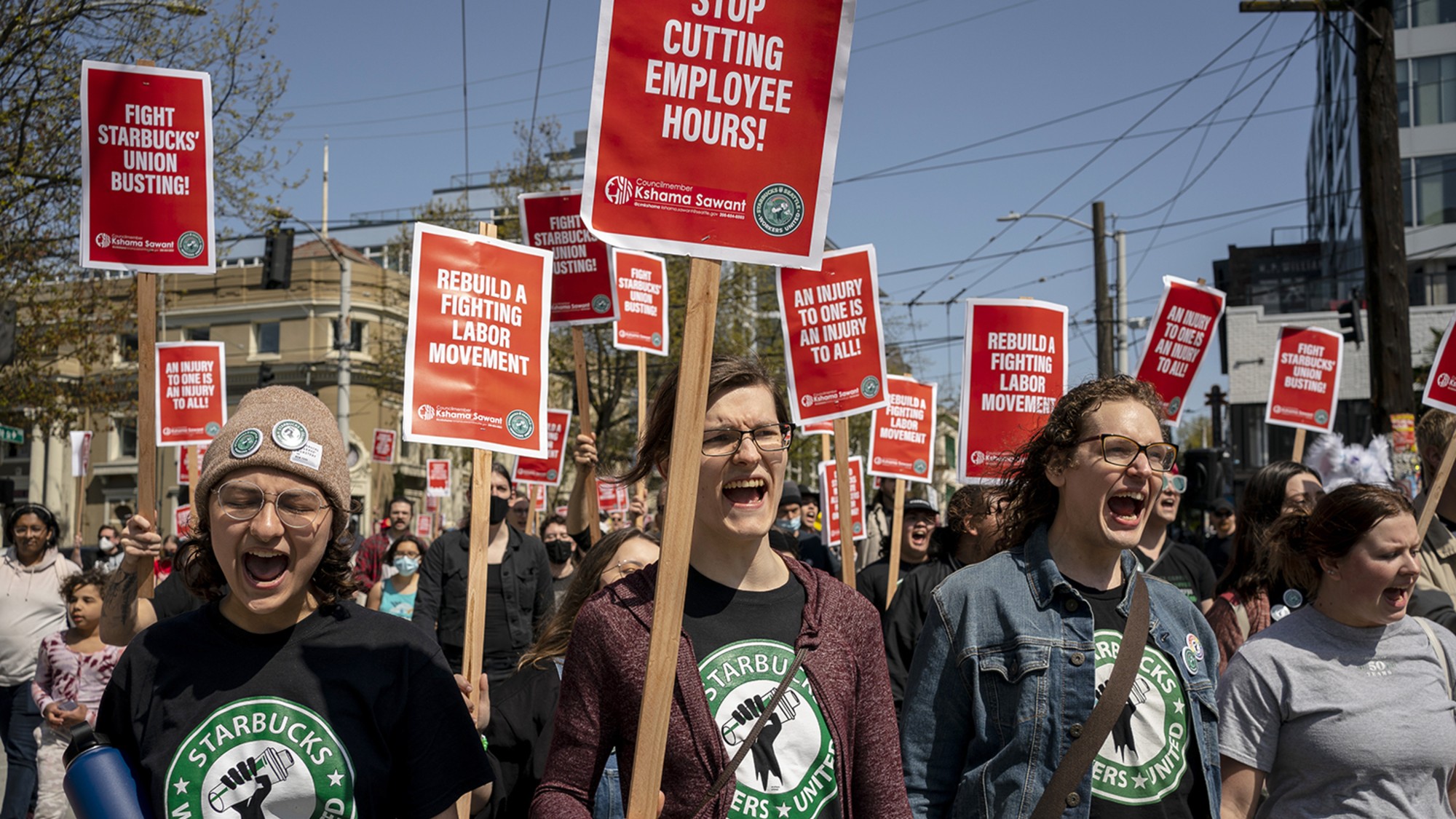
“A college-educated working class sounds like an oxymoron,” said George Packer in The Atlantic. But New York Times labor reporter Noam Scheiber has great hopes for the cohort on which he’s affixed that label: college graduates in their 20s and early 30s who have had to settle for low-paying wage work after earning their degrees. In his new book, Scheiber profiles about a dozen or so young Americans who turned to labor activism following dispiriting experiences with employers including Starbucks, Amazon, Apple, Hollywood studios, and the universities that impoverished them in the first place. While he occasionally questions his subjects’ career decisions, “he’s plainly on their side,” viewing their perception of unfairness as real and their activism as the best way to fight economic inequality. Unfortunately, “he isn’t sufficiently aware of the insularity of their project,” of how unlikely it is that these young progressives will ever be joined by noncollege wage workers in an effective broader movement. “There’s much truth in Scheiber’s reporting,” said Eric Levitz in Vox. College graduates have become more progressive in their economic views since the 1990s and more likely to identify with rank-and-file workers. But his claim that today’s college grads have been pushed leftward mainly by their collapsing economic fortunes is “a bit misleading.” Yes, tuition and housing costs have soared. But the share of college grads who hold low-wage jobs is smaller than it was three decades ago, and the relative return on a degree in lifetime earnings, despite the impact of the Great Recession and the pandemic, is significantly greater. The stories Scheiber shares are well told, and the precarity of his subjects’ lives “vividly evoked,” said Ruy Teixeira in The Wall Street Journal. But among their generation, they’re “an idiosyncratic subset,” not the norm.
You could also say Scheiber’s heroes were naive to expect better from their employers, said Kenneth S. Baer in Washington Monthly. Often, though, they were misled. Apple used the label “geniuses” for retail-store staffers like Chaya Barrett, but the sweet talk didn’t pay her bills and she soon turned to union organizing. While Mutiny celebrates such activism, Scheiber is “too keen an observer of American political life” to fail to mention that the college-educated working class may be too progressive to mesh easily with the rest of the working class, whose members strongly favored President Trump in 2024. But while Scheiber focuses on workplace issues, Mutiny is “ultimately an education book,” a warning to our colleges and universities that “higher education, as an industry, has become too expensive, too mercenary, and too irrelevant for far too many.” |