by Florence Hazrat
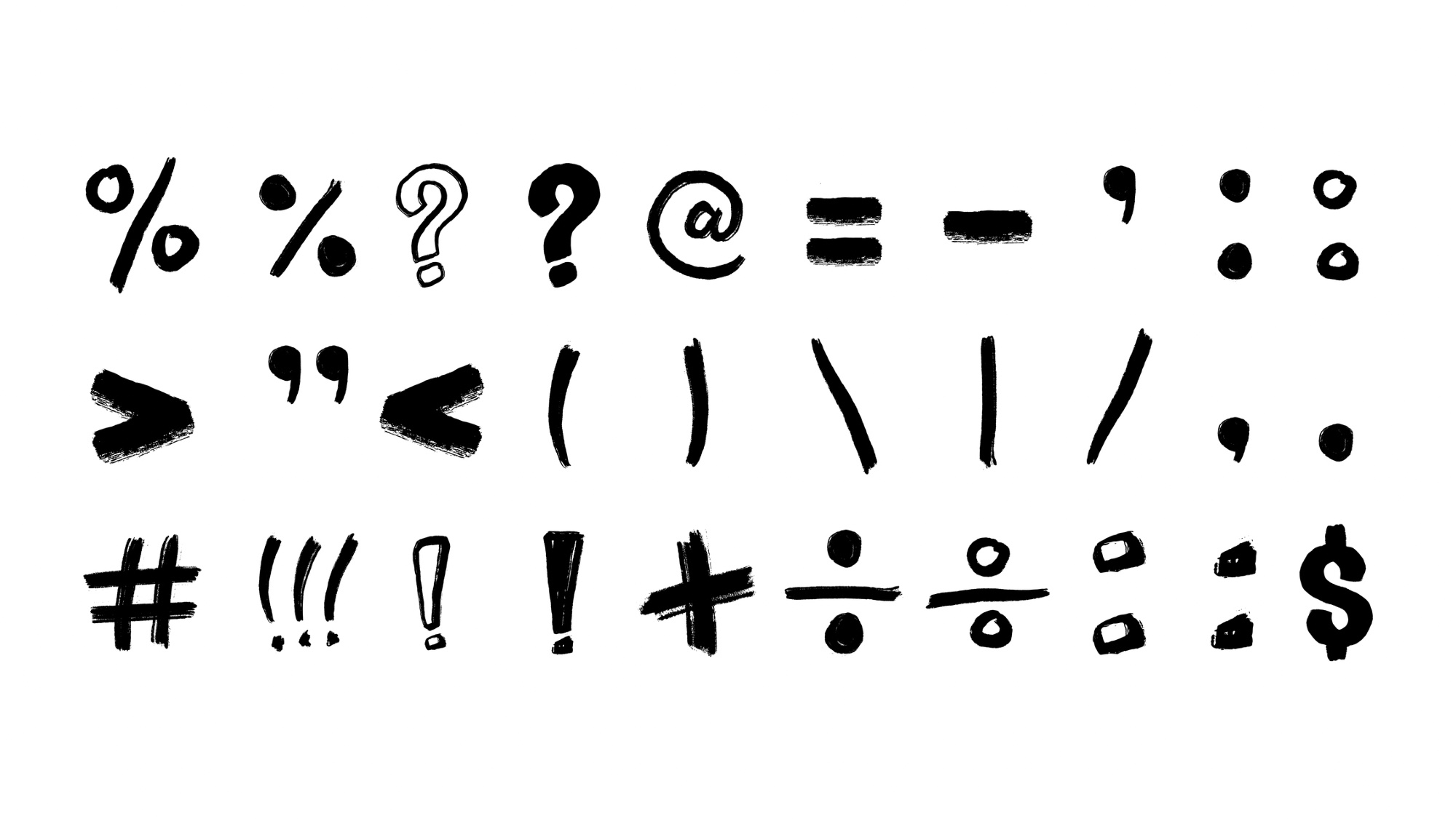
Not so long ago, said Judith Shulevitz in The Atlantic, “WRITINGLOOKEDLIKETHIS.” We’re all thus fortunate that punctuation gradually emerged, beginning with the Babylonians’ breakthrough idea of grouping words inside boxes. A bigger leap occurred in the 2nd century B.C. when Aristophanes of Byzantium, head of Alexandria’s unmatched library, came up with a system of dots to indicate pauses amid written language’s rivers of words. In the years since, “the rules of punctuation have been codified, but they have never stopped evolving,” and Florence Hazrat’s entertaining new book ushers us through that history. The book is “no mere wacky usage guide,” said Steven Poole in The Guardian. It’s instead “a lavishly researched scholarly inquiry into punctuation over the centuries,” all of it undergirded by Hazrat’s “admirable insistence that punctuation is part of writing itself, an essential component of style and of the architecture of thought.”
“Dashes, colons, parentheses—they are all covered here, as are emojis,” said Jim Kelly in Air Mail. The ancestor of the question mark debuted in the 5th century while the spaces that we place between words didn’t exist until Irish monks introduced them three centuries later. Hazrat makes the particulars of each of these developments “utterly delightful.” Speaking of which, “let’s give a shout-out to Italian poet Iacopo Alpoleio,” the godfather of the exclamation point. Hazrat is “a keen user” of that particular mark, said Constance Higgins in The Telegraph (U.K.), and her spirited style can grow annoying. But she’s also willing to accept that her story can’t remain one of constant innovation. Most of the punctuation marks we know today were “cooked up in the rhetorical hotbeds of Renaissance Italy.” If we’re honest, “progress more or less stopped there.”
“There’s a lot of good in On the Mark,” said Meghan Cox Gurdon in The Wall Street Journal. Unfortunately, Hazrat’s achievement is undercut by her determination to enlist punctuation’s history in scoring political points. While she’s on firm ground when she notes that the editors who added exclamation points to Shakespeare’s plays forever changed how readers view the female characters, we quickly “go whizzing off into the land of political grievance.” Ignoring countless less hateful political figures who littered their pronouncements with exclamation points, she calls out Nazi propagandist Joseph Goebbels for the offense, then links Goebbels’ speechwriting to Donald Trump’s social media posts. She even finds pro-Israel bias in the hyphen at the heart of the phrase “Israel-Palestine conflict.” Ignore the partisan preaching in this book, though, and you’re likely to agree with its central message. In short, “punctuation marks do matter.” |