Biden reportedly briefed by defense secretary on options for U.S. response to Russia


Defense Secretary Lloyd Austin on Saturday presented President Biden with several options for ways the United States can respond should Russia invade Ukraine, NBC News reports.
Austin also briefed Biden on different ways to move U.S. troops in advance of an invasion, a defense official and senior administration official told NBC News. The pre-invasion options include having bomber flights over the region, ship visits in the Black Sea, and moving troops and equipment from other parts of Europe to countries that border Ukraine, including Romania and Poland.
The Week
Escape your echo chamber. Get the facts behind the news, plus analysis from multiple perspectives.

Sign up for The Week's Free Newsletters
Join more than 350,000 subscribers and keep yourself informed with a selection of The Week’s most interesting, enlightening and entertaining stories - plus daily puzzles.
Join more than 350,000 subscribers and keep yourself informed with a selection of The Week’s most interesting, enlightening and entertaining stories - plus daily puzzles.

-
-
 talking pointsLivestreaming an execution: cruelty or added deterrent?
 -
 QUOTE OF THE DAY‘You don’t get to take a man from his family. You don’t get to take his very life, his whole future from him, and just walk away from it. Especially when that man is Tupac Shakur.’
 -
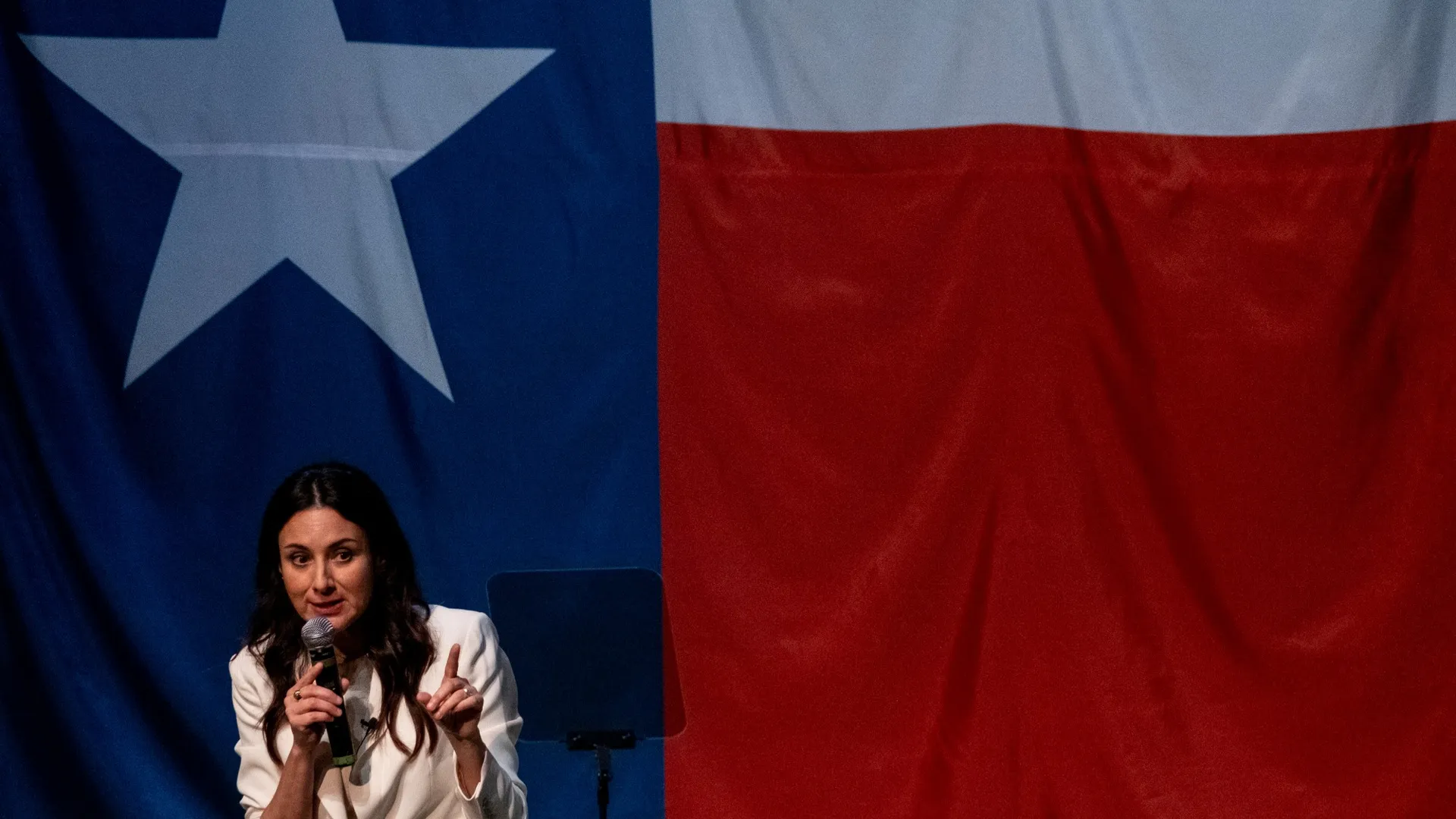 today’s big questionCan a Democrat win the Texas governor’s race?
-
-
-
talking pointsLivestreaming an execution: cruelty or added deterrent?
-
QUOTE OF THE DAY‘You don’t get to take a man from his family. You don’t get to take his very life, his whole future from him, and just walk away from it. Especially when that man is Tupac Shakur.’
-
today’s big questionCan a Democrat win the Texas governor’s race?
-