Innovation of the week: A paper-recycling plant for your office
A free daily email with the biggest news stories of the day – and the best features from TheWeek.com
You are now subscribed
Your newsletter sign-up was successful
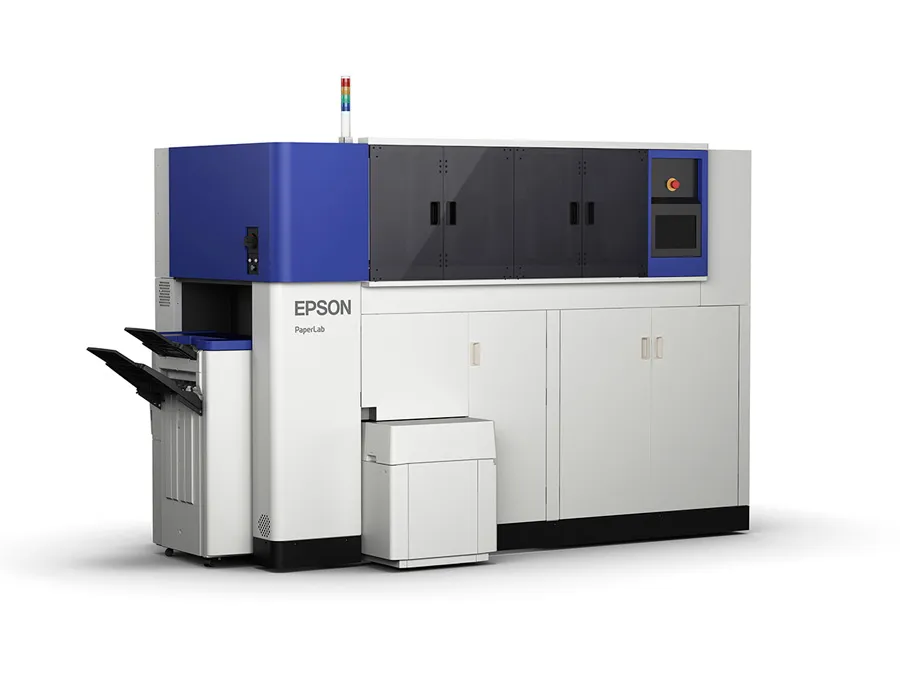
We might be living in the digital age, but the average American still uses "the equivalent of nearly six 40-foot trees' worth of paper each year," said Mike Murphy at Quartz. Epson's new Paper Lab — essentially an on-site recycling plant for your office — could save some of those trees from getting the chop. The hefty machine breaks down used paper and presses it into fresh, new sheets, producing up to 6,720 letter-size sheets in an eight-hour workday.
By shrinking the supply chain and removing the need for so much paper to be delivered to offices, the device could help businesses cut their carbon footprint. Epson believes its new device is also the first paper-recycling system that doesn't require water — it usually takes 3 gallons of water to make a single sheet of paper. Paper Lab will go on sale in 2016; Epson has yet to announce the price.
A free daily email with the biggest news stories of the day – and the best features from TheWeek.com
The Week
Escape your echo chamber. Get the facts behind the news, plus analysis from multiple perspectives.
Sign up for The Week's Free Newsletters
From our morning news briefing to a weekly Good News Newsletter, get the best of The Week delivered directly to your inbox.
-
Why is the Trump administration talking about ‘Western civilization’?Talking Points Rubio says Europe, US bonded by religion and ancestry
-
Quentin Deranque: a student’s death energizes the French far rightIN THE SPOTLIGHT Reactions to the violent killing of an ultra-conservative activist offer a glimpse at the culture wars roiling France ahead of next year’s elections.
-
Secured vs. unsecured loans: how do they differ and which is better?the explainer They are distinguished by the level of risk and the inclusion of collateral