(Simon & Schuster, $27)
When Robin Wright comments on trends in the Muslim world, “she deserves to be listened to,” said Jordan Michael Smith in CSMonitor.com. The veteran journalist’s 2008 book, Dreams and Shadows, was “prescient in previewing the people and movements” that fomented this year’s Arab Spring uprisings. In Rock the Casbah, Wright returns to the region to explore what she calls the “counter-jihad”—a mass effort by Muslim youths to seize the levers of art and culture in order to turn back the rise of jihadist ideology. Though the democratic ideas that are fueling uprisings in Egypt, Tunisia, and Iran are still “far from dominant,” Wright believes that they’re gaining strength. It’s only a matter of time, she says, before reform-minded young Arabs successfully reshape their world.
The Week
Escape your echo chamber. Get the facts behind the news, plus analysis from multiple perspectives.

Sign up for The Week's Free Newsletters
Join more than 350,000 subscribers and keep yourself informed with a selection of The Week’s most interesting, enlightening and entertaining stories - plus daily puzzles.
Join more than 350,000 subscribers and keep yourself informed with a selection of The Week’s most interesting, enlightening and entertaining stories - plus daily puzzles.
-
-
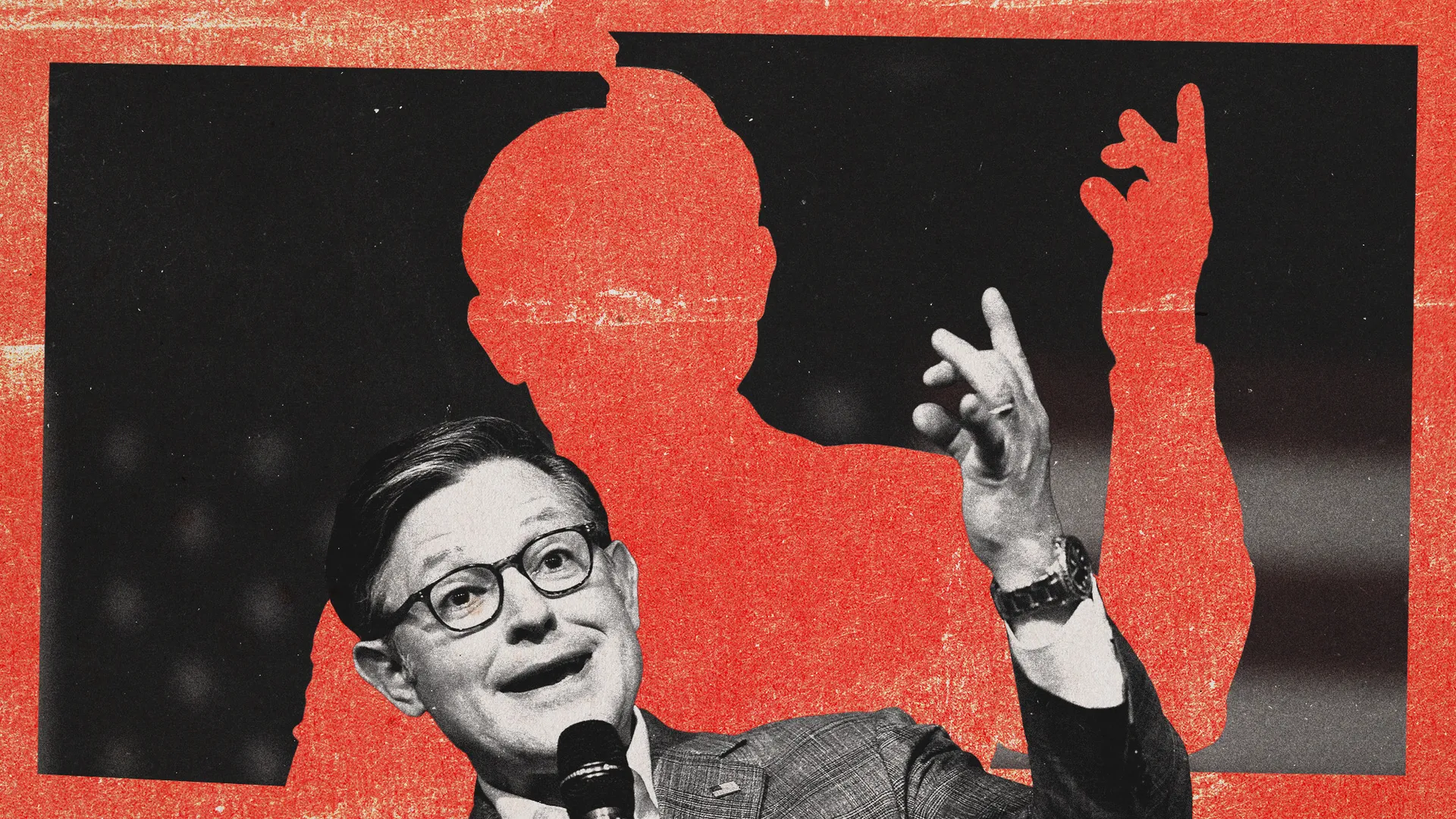 talking pointsA leadership power vacuum may await Republicans
 -
 QUOTE OF THE DAY‘What kind of culture looks at sexual violence and sees an opportunity for profit? This is rape culture. And it should disturb every single one of us.’
 -
 today’s big questionHow long can US consumers continue their spending spree?
-
-
-
talking pointsA leadership power vacuum may await Republicans
-
QUOTE OF THE DAY‘What kind of culture looks at sexual violence and sees an opportunity for profit? This is rape culture. And it should disturb every single one of us.’
-
today’s big questionHow long can US consumers continue their spending spree?
-