The exquisite nightmares of H.R. Giger
The legendary surrealist leaves behind a memorably frightening legacy

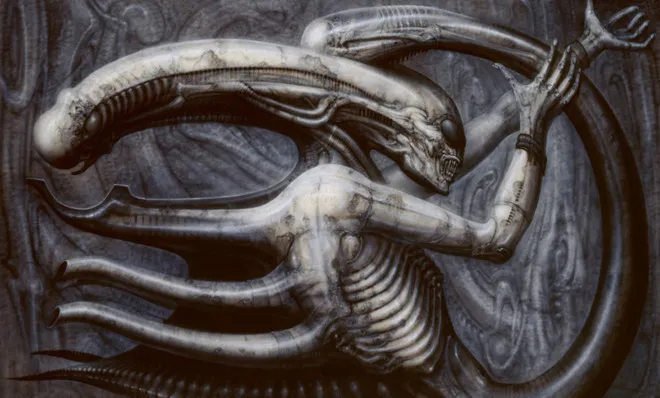
Legendary Swiss artist H.R. Giger — whose surrealist creations made him an icon for generations of science fiction and fantasy fans — has died after suffering injuries in a fall. He was 74.
Giger's artwork depicts a nightmarish world that blends hideous creatures, bizarre machinery, and sex for an unforgettably disturbing combination. His most famous creation was the titular creature from Ridley Scott's Alien, which is routinely cited as one of the most frightening and influential movie monsters ever created. In a 1979 interview, Giger explained how he created the creature:
The Week
Escape your echo chamber. Get the facts behind the news, plus analysis from multiple perspectives.

Sign up for The Week's Free Newsletters
Join more than 350,000 subscribers and keep yourself informed with a selection of The Week’s most interesting, enlightening and entertaining stories - plus daily puzzles.
Join more than 350,000 subscribers and keep yourself informed with a selection of The Week’s most interesting, enlightening and entertaining stories - plus daily puzzles.