The Week The Week
flag of US
US
flag of UK
UK
https://cdn.mos.cms.futurecdn.net/flexiimages/jacafc5zvs1692883516.jpg

SUBSCRIBE & SAVE

Less than $3 per week

Sign in
  • View Profile
  • Sign out
  • The Explainer
  • The Week Recommends
  • Newsletters
  • Cartoons
  • From the Magazine
  • The Week Junior
  • Student Offers
  • More
    • Politics
    • World News
    • Business
    • Health
    • Science
    • Food & Drink
    • Travel
    • Culture
    • History
    • Personal Finance
    • Puzzles
    • Photos
    • The Blend
    • All Categories
  • Newsletter sign up Newsletter
  • The Week Evening Review
    A Reform-Tory ‘merger’, Sahel’s uprisings, and a more grown-up Stranger Things

     
    TODAY’S BIG QUESTION

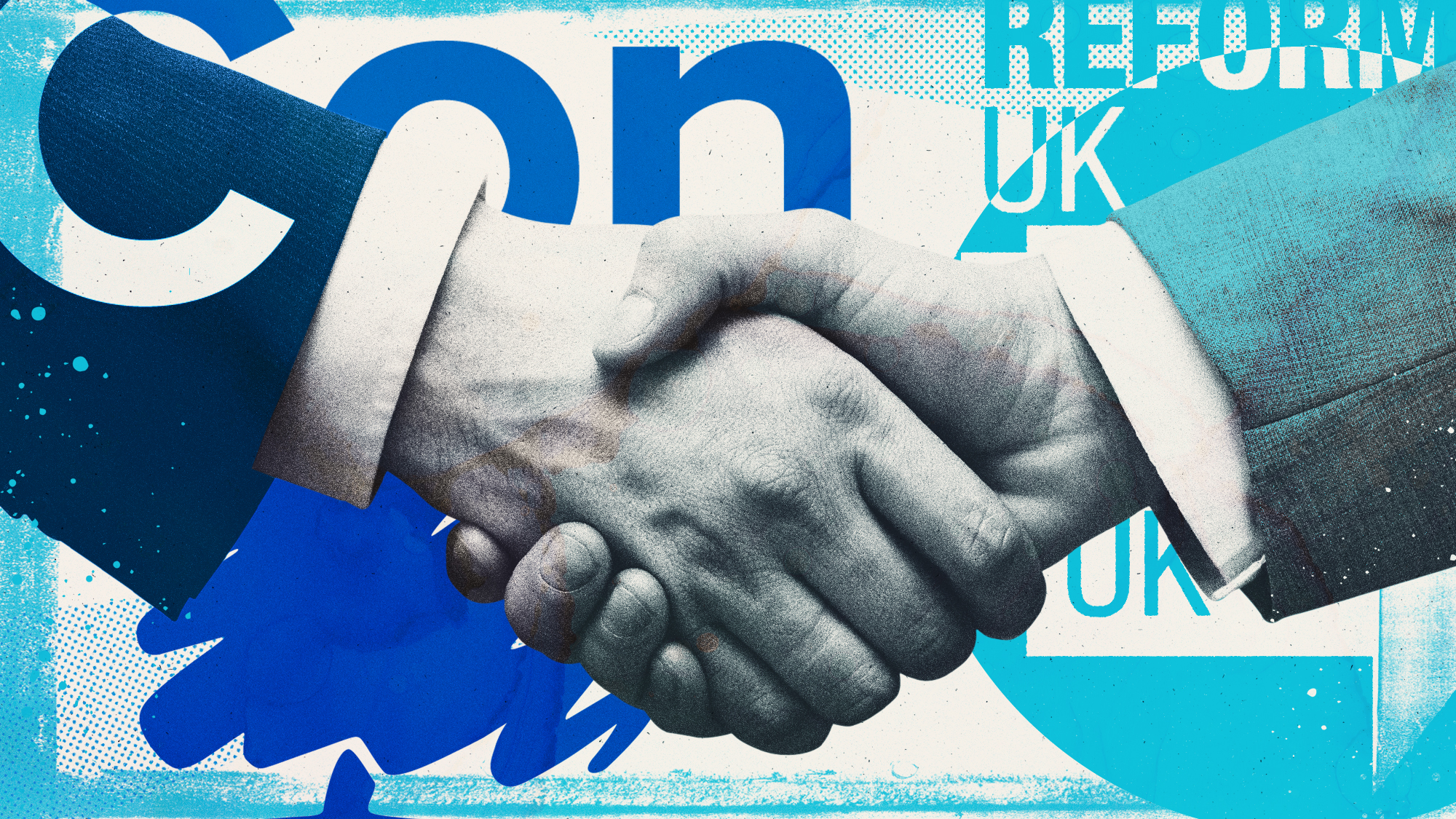
    Is a Reform-Tory pact becoming more likely?

    Nigel Farage is expecting an electoral pact or even a merger between Reform UK and the Conservatives before the next general election, according to the Financial Times. A Reform donor told the paper that Farage had said privately that a cooperation agreement with the Tories could help his party’s path to electoral success. Another associate said he described a pact or merger as “inevitable”.

    Responding to the speculation, the Reform leader said he would “never do a deal with a party that I do not trust” and that there would be “no deals, just a reverse takeover”.

    What did the commentators say?
    I had long been sceptical of such a pact, said the FT’s Stephen Bush. Reform may be the “stronger party” in the polls, but the Tories have far more MPs: any deal would have to involve a lot of Tory losers, with many serving MPs “shunted out of plum seats”. Yet as their party has become a “marginal bit-part player” under Kemi Badenoch, “I am no longer so sure”. Talk of a pact is “no longer far-fetched”.

    Even if Reform does as well as current polls suggest, the numbers wouldn’t give the party a Commons majority, said Sam Coates from Sky News. Farage would need backing from Tory MPs to get into No. 10. Although Badenoch has dismissed the idea, YouGov polling of her members before conference season found that 64% supported an electoral pact, and 46% supported a full-blown merger. “The appetite’s there.”

    There is “already a slow merger going on”, said George Eaton in The New Statesman. Over the past year, 21 current or former Conservative MPs have “defected to Reform” – three this week.

    What next?
    No pacts or deals will be considered while Badenoch is party leader, a Conservative spokesperson told Sky News.

    But what really matters for the next general election, said Eaton, is “whether the right is more divided than the left”. Labour and the Lib Dems have never needed an official pact to “demolish” the Conservatives with progressive tactical voting, such as in 2024. Reform and the Tories don’t need a pact to “do the same to Starmer”.


    THE EXPLAINER

    West Africa’s ‘coup cascade’

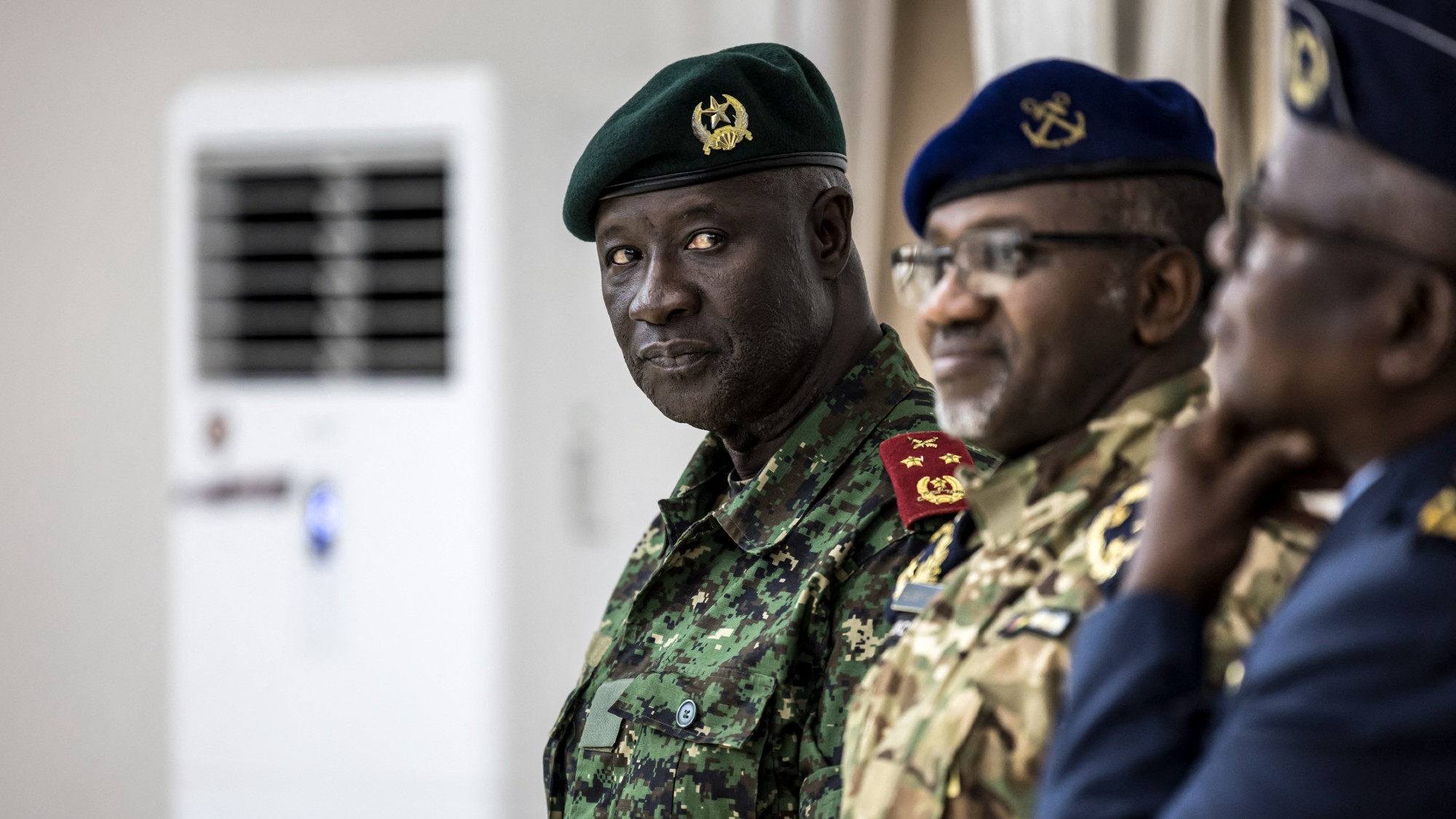
    The military takeover in Guinea-Bissau last week is the latest in a series of coups across West Africa in recent years. Almost all have taken place in the Sahel, the semi-arid belt below the Sahara that bisects the continent. Each coup had “unique triggers”, said researcher Salah Ben Hammou on The Conversation, but they are not isolated events: this is a “coup cascade”.

    How did it begin?
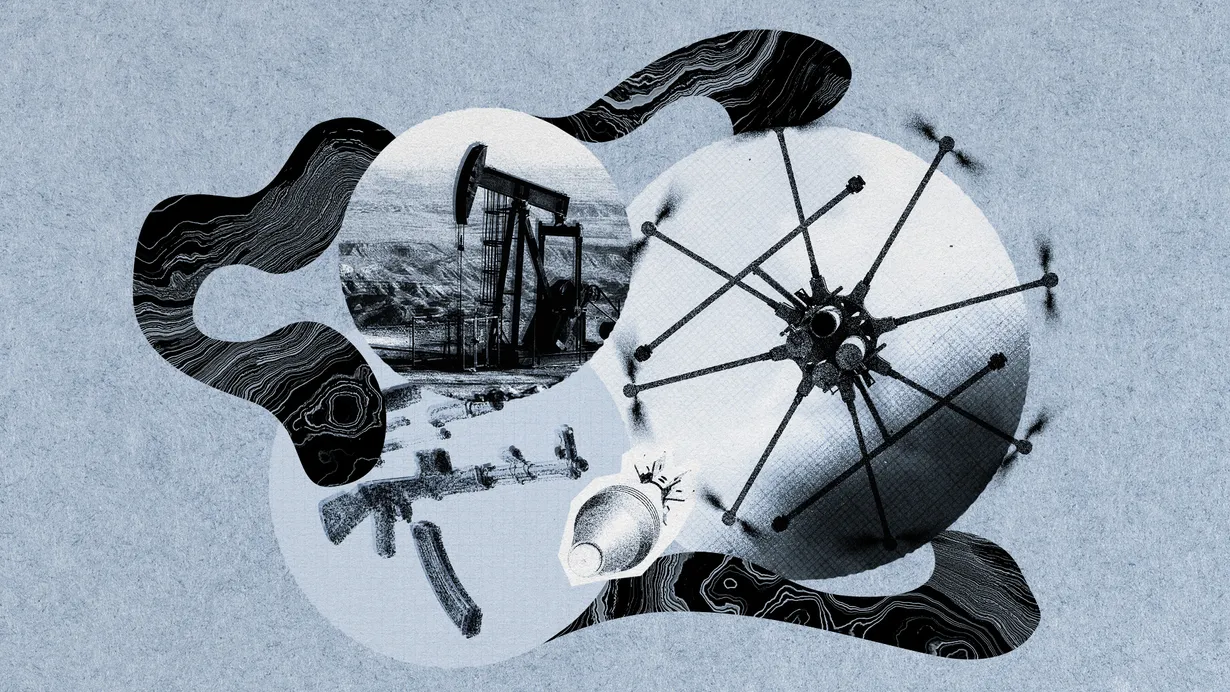
    When Libya’s Gaddafi regime collapsed in 2011, an “abundance of weaponry” was looted and spread across the Sahel, said the Proximities newsletter. Members of Mali’s Tuareg group who had fought in Libya returned home seeking an autonomous state in the north of their country. The rebels aligned themselves with multiple Islamist jihadist groups and began capturing territory. The conflict quickly spread into neighbouring Burkina Faso and Niger, centring on the tri-border region in the western Sahel, known as the Liptako-Gourma, which “allows the biggest of the rebel groups to engage in a war with three governments at once”.

    When Malian soldiers ousted Mali’s President Ibrahim Boubacar Keïta in 2020, it “marked the beginning of a broader wave of military takeovers”, said Hammou on The Conversation. Soldiers “toppled governments” in Chad and Guinea in 2021, Burkina Faso in 2022 (twice) and Gabon and Niger in 2023. At the eastern end of the Sahel, Sudan “descended into a devastating civil war” after a coup there in 2021.

    What connects the coups?
    Analysts point to weak governance and corruption, growing Islamist terrorist insurgencies and the destabilising effects of the climate crisis, as well as rising anti-Western (particularly French) sentiment, fanned by Russia. Some blame the Economic Community of West African States for lacking a coherent response.

    “Sahelian countries are in danger of swapping one kind of imperialism for another,” said the Financial Times. In Mali, Russian mercenaries promised protection for the military junta and “defeat of a dogged Islamist insurgency”. Today, with al-Qaida-affiliated fighters encircling the capital with a “crushing fuel blockade”, and talk of another coup, “it is clear the Russians have brought neither peace nor stability”.

    What happens next?
    “Almost without the world noticing, the Sahel has become the epicentre of global terrorism,” said the FT. More than half of all terrorism-related deaths last year occurred there, according to the Global Terrorism Index. “The fear among more prosperous coastal states is that militant Islam will spread south.”


    QUOTE OF THE DAY

    “We must end this war in a way that prevents Russia from coming back a year later with a third invasion.”

    Volodymyr Zelenskyy warns that any peace deal with Moscow must guard against a repeat of Russia’s 2014 and 2022 invasions of his country. “I am not sure their objectives have changed,” the Ukrainian president said on X.


    Poll watch

    More than half (54%) of Brits in relationships have made purchases in the past year without telling their other half, an Opinium poll of 4,000 adults suggests. Clothes topped the list of “secret spends” across the genders, with beauty products coming in second among women, while men were slyly splurging on “consumable vices” such as cigarettes or alcohol.


    TALKING POINT

    Early Christmas trees: a sign of ‘moral decline’?

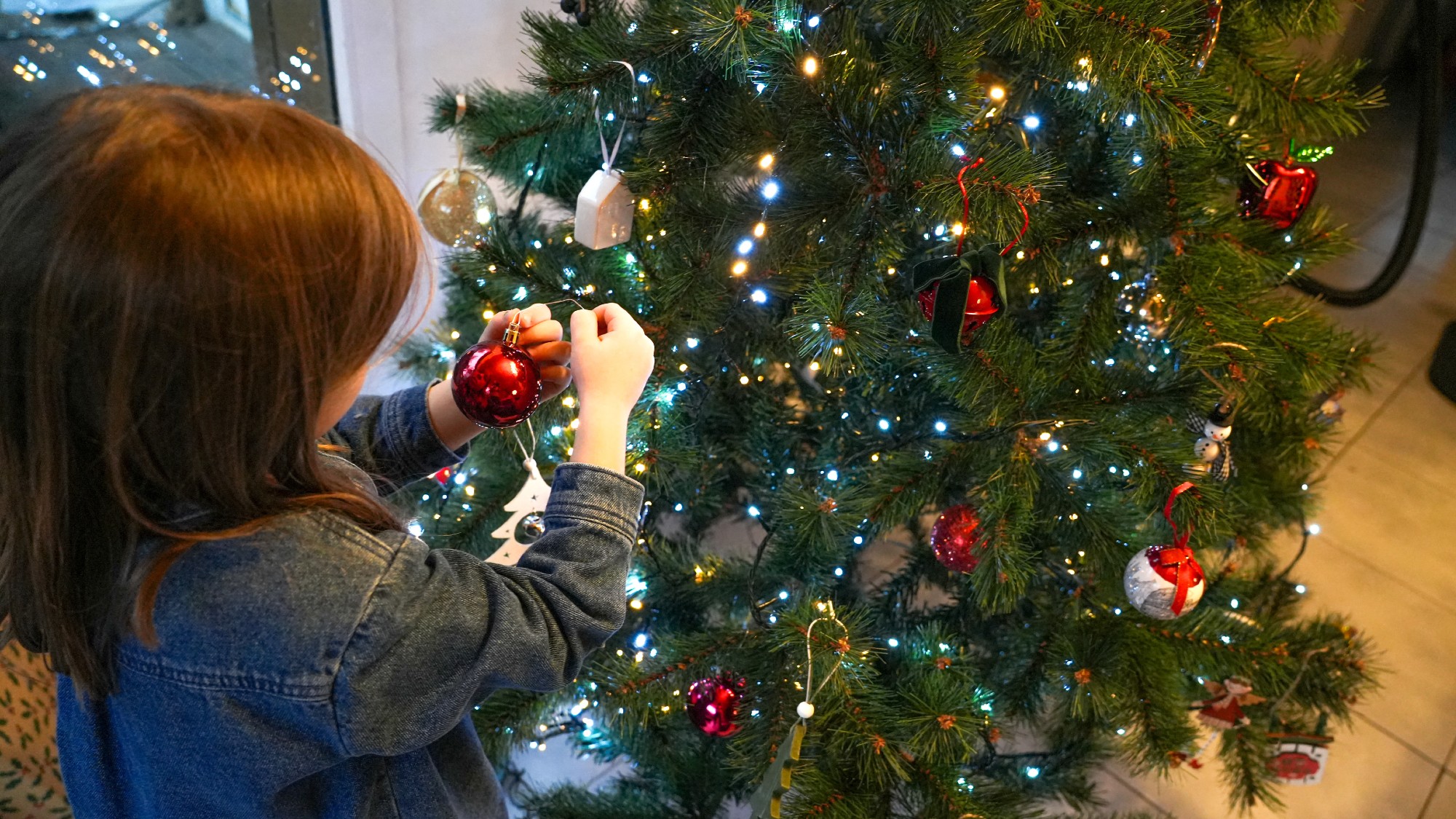
    The annual debate over the correct date to put up a Christmas tree is proving as spiky as the festive firs. In Norway – home of the spruce – it’s traditional to wait until 23 December to decorate your tree, but in Britain, the day for trimming and tinselling appears to be getting earlier and earlier.

    ‘Big Treekend’
    “Pine politics” have become “increasingly spicy”, said Helen Coffey in The Independent. The first weekend of December is known as “The Big Treekend”, because that’s when 33% of Brits put up their Christmas tree. But this year, that’s not until 6 and 7 December, so many households instead opted for 30 November – which was, to be fair, the first Sunday of Advent. For others, “the second the Halloween decorations came down”, it was time for “wreaths, tinsel and gaudy front-garden displays of light-up Santas and gurning elves” to take their place.

    When I see houses “bedecked with twinkling lights” too early in the year, I feel “faintly appalled”, said Allison Pearson in The Telegraph. Is this craze for ever-earlier decorating “a sign of national moral decline or an inability to defer pleasure”? It’s much more “magical” to decorate your house when there are “only a few days to go, the anticipation pricking the sweetness” like a splash of sherry in a trifle.

    Traditional grumbling
    Of all the many rows about Christmas, “one of the most divisive is The Great Question of Timing”, said Sarah Rodrigues in The Telegraph. Not just about when to put your tree up but also about when to take it down. “Everybody knows that it’s bad luck to keep decorations up” after 6 January.

    All this “grumbling” is “traditional”, said the BBC’s Annabel Rackham and Emily Holt. If you’re “following Christian traditions”, you might put up your tree and decorations early in Advent, but otherwise the choice is “down to you and your preferences”.

    This year, though, it might be worth noting the British Christmas Tree Growers Association’s warning that the hottest summer on record has caused a “sparseness” problem, with many trees looking “gappy” and shorter than usual. If you’re after the “best” real fir tree, a specialist grower told The Telegraph, “the later” you can leave it, the better.


    Good day 📖

    … for Nicolas Sarkozy, who has gone from prison cell to promotional book-signings within less than a month. The former French president will publish “Le journal d’un prisonnier” (“A Prisoner’s Diary”) next week after serving 20 days of his five-year sentence for criminal conspiracy. He was freed pending an appeal hearing, after complaining about his “very hard” life behind bars.


    Bad day 💧

    … for Tunbridge Wells, where around 24,000 households are still without water, four days after the wrong chemicals were accidentally added to the local tap water supply. South East Water said it was “incredibly sorry” as schools, GP surgeries and restaurants remained closed.


    picture of the day

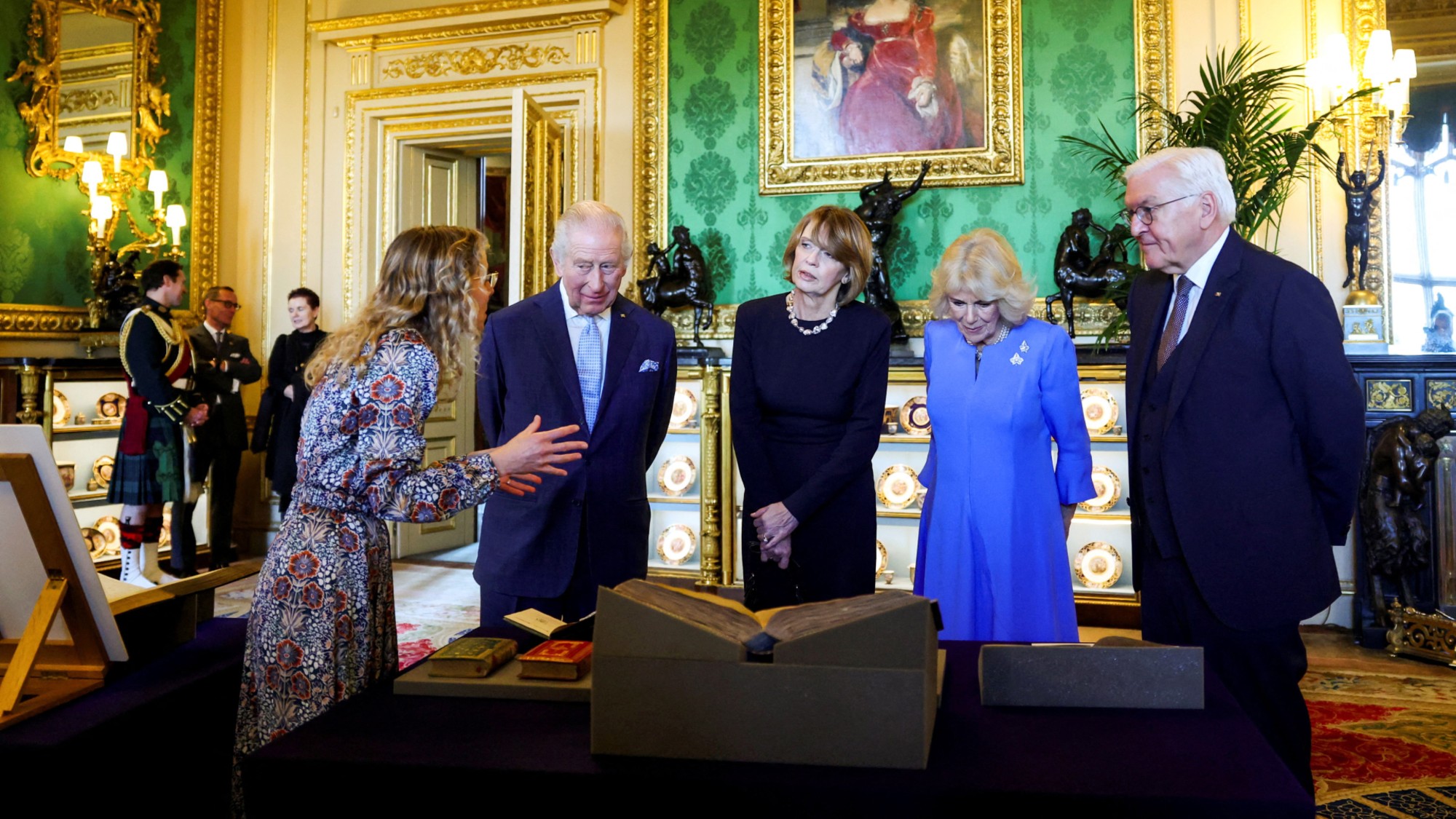
    Royal reception

    Germany’s President Frank-Walter Steinmeier and his wife Elke Büdenbender join King Charles and Queen Camilla in Windsor Castle’s Green Drawing Room to view items with German links from the Royal Collection. The state visit is the first by a German leader to the UK in 27 years.

    Hannah McKay / Pool / AFP/ Getty Images


    Puzzles

    Daily crossword

    Test your general knowledge with The Week’s daily crossword, part of our puzzles section, which also includes sudoku and codewords

    Play here


    THE WEEK RECOMMENDS

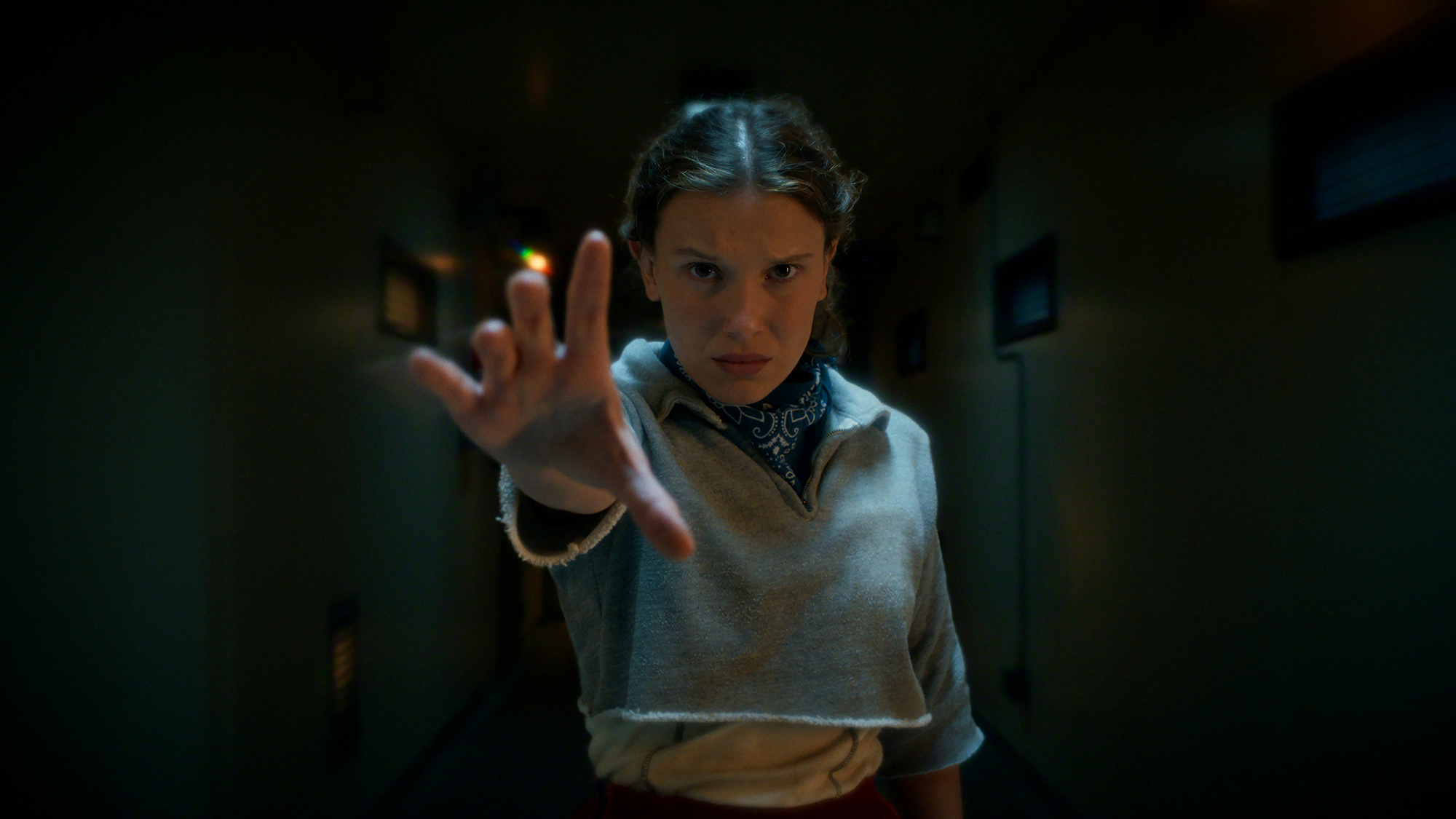
    Stranger Things: ‘grander and gorier’ than ever

    “We’re finally here,” said Vicky Jessop in London’s The Standard. Nearly a decade on from the first episode of “Stranger Things”, the Duffer Brothers are “bringing the curtain down on their blockbuster hit show”, and “what a ride it’s been”.

    The fresh-faced kids “aren’t so little anymore”, which is “appropriate because this feels like the most adult the show has ever been”. Series five veers into “much darker territory”: the town of Hawkins is now under full military quarantine and Demogorgons are “slashing people around like pinatas”, with blood and guts flying everywhere.

    Robin (Maya Hawke) and Steve (Joe Keery) now work for a local radio station, while Eleven (Millie Bobby Brown) is on the run from the armed forces, who view her as a “massive threat”. Meanwhile, Mike (Finn Wolfhard) and his friends are helping Hopper (David Harbour) conduct “elaborate ‘sweeps’ of the Upside Down” to find and defeat the evil Vecna (Jamie Campbell Bower).

    There are “plot snags” that “cumulatively eat away at our suspension of disbelief”, said Angie Han in The Hollywood Reporter, and the main characters “look very much like the 20-somethings they are, rather than the roughly 16-year-olds they’re meant to be playing”.

    But the show’s “trademark” ingredients remain intact, said Leila Latif in Empire: “the dark humour, the whimsy, the poetry of trauma and hard-earned resilience”. And “most reassuring of all is how quickly the show proves it has not lost its sense of fun”. The performances are “largely excellent” and it is “grander and gorier” than ever before.


    Statistic of the day

    £100 million: How much the government has spent so far on responding to the Covid inquiry, according to a BBC analysis of official data. This total is on top of the £192 million cost of the inquiry itself, which is the most expensive in British legal history.


    instant opinion

    Today’s best commentary

    If Even Sally Rooney Can’t Speak Freely About Palestine, What Hope Do Ordinary Culture Workers Have?
    Juliet Jacques on Novara Media
    The culture sector “has long been subjected to censorship” on UK foreign policy issues, writes Juliet Jacques. Irish author Sally Rooney might have to withdraw her novels from sale in Britain “due to her public support for Palestine Action”. And “ordinary culture workers” say they are also being “policed” by their institutions because of “their views on the genocide” in Gaza. We need “a more honest conversation about censorship in the arts” and “how we can fight it”.

    Taylor Swift is SO damn annoying… and now that I have your attention, let’s deal with the scourge of rage-baiting
    Jane Moore in The Sun
    “Rage bait” – Oxford Dictionary’s word of the year – is online content “designed to get the anger juices flowing so people will click on it”, writes Jane Moore. “Making us froth at the mouth” is “corrosive” to our mental health and hastens “the death of reasoned debate”, and “we should all give a damn” or the “dangerous descent into total brain rot” will continue. We’re in a “theatre of hate”, but “we can all choose not to be puppets”.

    Why being part of a ‘drouple’ means you’ll stay together
    Carol Midgley in The Times
    A new study has found that “couples who drink together, stay together”, writes Carol Midgley. “Wayhay, trebles all round.” I’d let my other half know “but he’s still sleeping off last night’s lager with a traffic cone on his head”. The “‘drouple’ benefits” are clear: if you’re drinking with each other, “there are no Andy Cappish recriminations about being out late” and less “opportunity” for “an affair”, and “you both look equally hideous the next morning”.


    word of the day

    Carspreading

    When cars get bigger, but streets don’t. Across Europe, cars are “steadily becoming longer, wider and heavier”, said the BBC’s Theo Leggett. Since 2018, the average new model has grown by 5.5cm to 187.5cm, and gained a hefty 227kg. Some authorities are using higher parking charges, permits or taxes to clamp down on larger vehicles, but for now, “SUVs remain firmly in charge”.


    Evening Review was written and edited by Hollie Clemence, Rebecca Messina, Harriet Marsden, Chas Newkey-Burden, Irenie Forshaw, Adrienne Wyper, Helen Brown and Kari Wilkin, with illustrations from Stephen Kelly.

    Image credits, from top: illustration by Stephen Kelly / Getty Images; Patrick Meinhardt / AFP / Getty Images; Nicolas Guyonnet / Hans Lucas / AFP / Getty Images; Hannah McKay / Pool / AFP/ Getty Images; Netflix

    Morning Report and Evening Review were named Newsletter of the Year at the Publisher Newsletter Awards 2025
     

    Recent editions

    • Evening Review

      Powell’s potential successor

    • Morning Report

      White House shifts blame for double boat strike

    • Evening Review

      A GOP health care deal?

    VIEW ALL
    TheWeek
    • About Us
    • Contact Future's experts
    • Terms and Conditions
    • Privacy Policy
    • Cookie Policy
    • Advertise With Us
    • FAQ
    Add as a preferred source on Google

    The Week is part of Future US Inc, an international media group and leading digital publisher. Visit our corporate site.

    © Future US, Inc. Full 7th Floor, 130 West 42nd Street, New York, NY 10036.