The Week The Week
flag of US
US
flag of UK
UK
https://cdn.mos.cms.futurecdn.net/flexiimages/jacafc5zvs1692883516.jpg

SUBSCRIBE & SAVE

Less than $3 per week

Sign in
  • View Profile
  • Sign out
  • The Explainer
  • The Week Recommends
  • Newsletters
  • Cartoons
  • From the Magazine
  • The Week Junior
  • Student Offers
  • More
    • Politics
    • World News
    • Business
    • Health
    • Science
    • Food & Drink
    • Travel
    • Culture
    • History
    • Personal Finance
    • Puzzles
    • Photos
    • The Blend
    • All Categories
  • Newsletter sign up Newsletter
  • The Week Evening Review
    Trump’s peace board, a social media ban, and Prince Harry’s court battle

     
    THE EXPLAINER

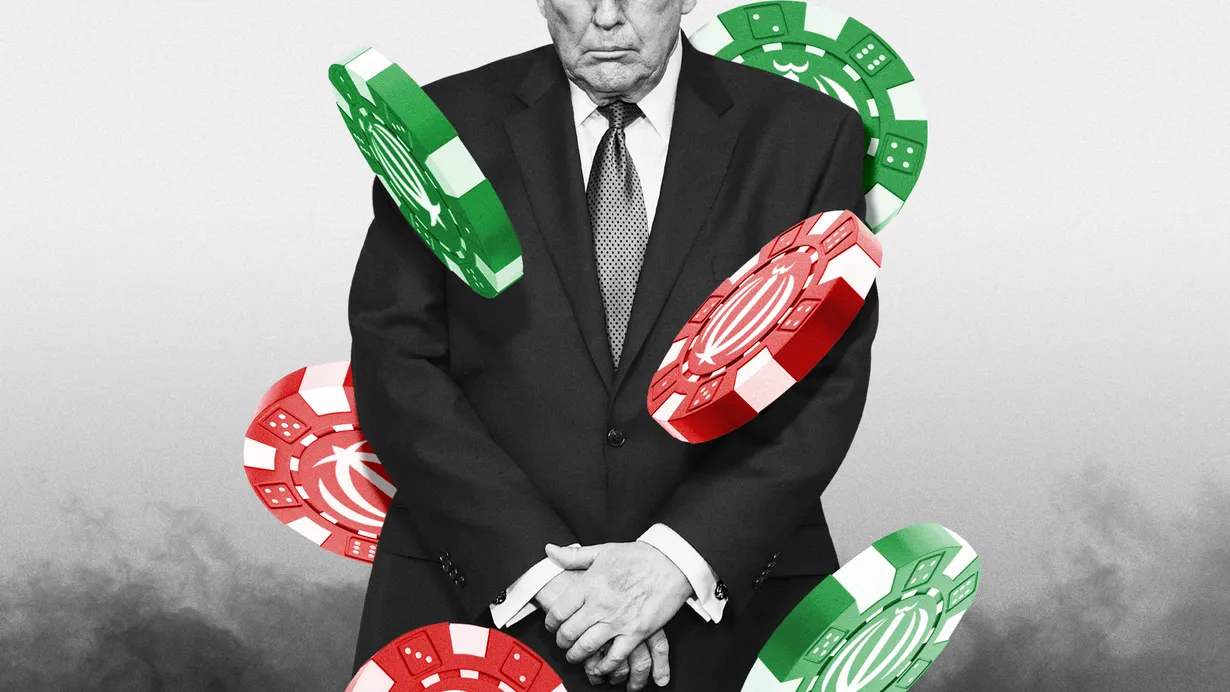
    Board of Peace: Trump’s ‘alternative to the UN’

    Vladimir Putin may sit alongside Tony Blair, Marco Rubio and Jared Kushner on Donald Trump’s Board of Peace. The Kremlin has confirmed that the Russian president had been invited to join the new body, to be chaired by Trump. The board will oversee Gaza’s reconstruction and was originally part of the US-brokered 20-point plan to end the war there, but recent developments suggest the organisation’s reach might extend far beyond the Palestinian territory.

    Who is on it?
    The US president said on Truth Social last week that the committee would be the “Greatest and Most Prestigious Board ever assembled at any time, any place”. Member states will be limited to three-year terms on the board, but those that contribute more than $1 billion in the first year can become permanent members, according to a draft charter seen by Bloomberg.

    As well as Blair, US Secretary of State Rubio and Trump’s son-in-law Kushner, the founding executive board will include US special envoy Steve Witkoff and World Bank president Ajay Banga. Keir Starmer is said to be among the many world leaders who have received invitations. France’s Emmanuel Macron has already declined.

    A 15-member Palestinian technocratic committee, the National Committee for the Administration of Gaza, has also been set up to run day-to-day affairs in the devastated enclave. Former UN Middle East envoy Nickolay Mladenov will be the “key link” between this administration and another committee called the Gaza Executive Board, said Middle East Eye. Major General Jasper Jeffers, the former head of US special forces, has been appointed to lead an International Stabilization Force.

    What else could the board do?
    According to the draft charter, the Board of Peace will seek to “solidify peace in the Middle East” and, at the same time, “embark on a bold new approach to resolving global conflict”. Notably, there is no mention of Gaza, which adds to “speculation that the group may have a broader mandate to cover other conflicts”, said The New York Times, “and could even be aimed at creating a US-dominated alternative to the United Nations Security Council”.


    TODAY’S BIG QUESTION

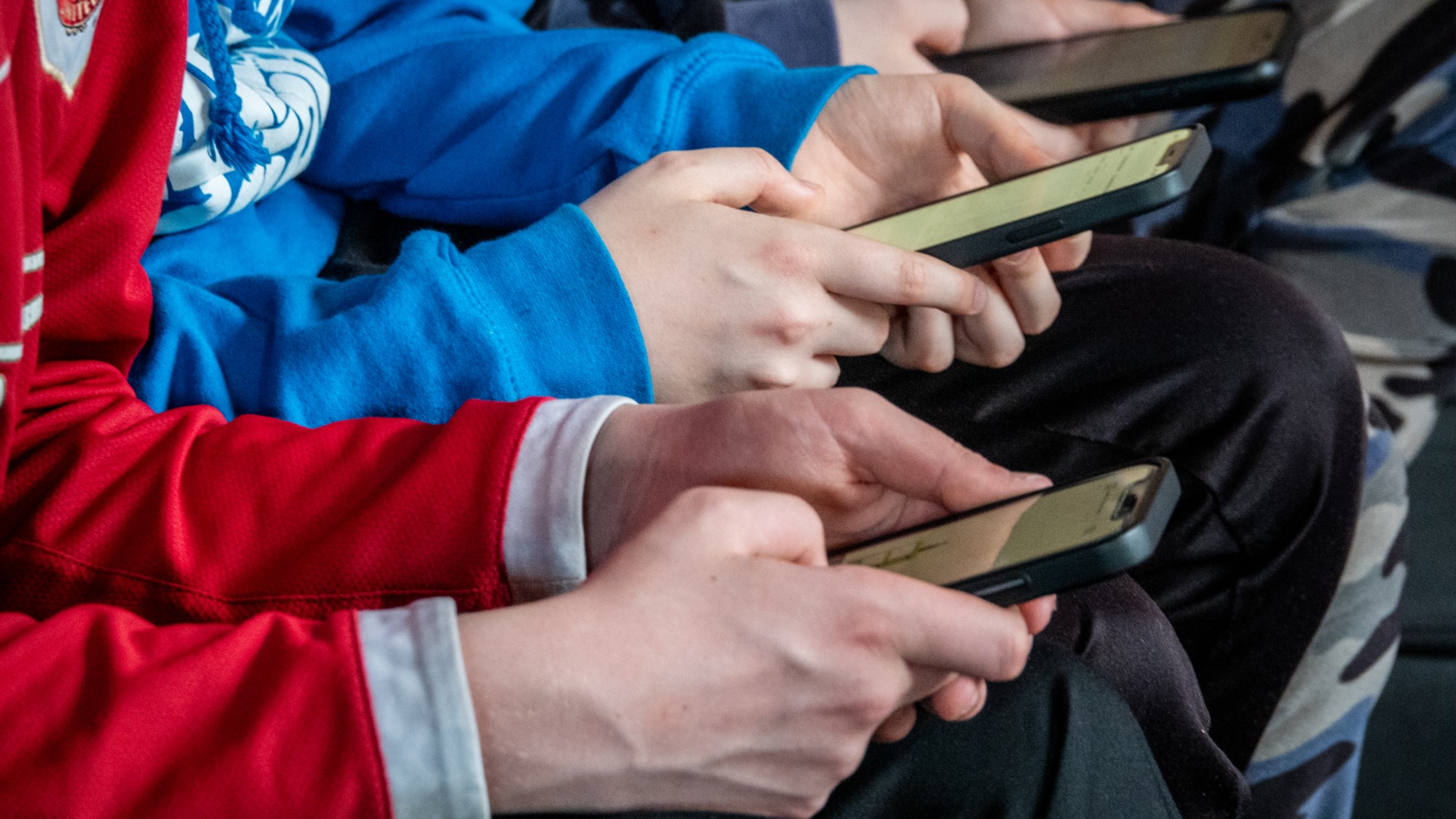
    Is a social media ban for under-16s missing the point?

    Keir Starmer is facing calls from across the political spectrum to follow Australia’s lead in banning children under the age of 16 from social media. As the government announces a consultation on the proposal, critics have put forward reasons for ministers to think twice.

    What did the commentators say?
    “Every parent worries desperately about online risks, and they are entirely right to do so,” Ian Russell, whose daughter Molly took her own life after being exposed to online suicide content, said on PoliticsHome. But “parents and children deserve proper, evidence-based solutions”, rather than the “easy fixes” being pushed by politicians “looking to further their own political prospects”. A ban risks causing “more harm than good”, as bad actors “migrate” to other platforms while companies use it “as an excuse not to clean up their act, leaving children at a cliff edge of harm” when they reach 16.

    “If there’s one thing more ridiculous than taking a corporate failure and throwing it to the individual to solve”, it is doing so to under-16s, said Zoe Williams in The Guardian. Older people are also the target of “manipulative content” and are the main “misinformation super-spreaders” on social media.

    There is “danger in focusing on the wrong war”, said the New Scientist’s editorial board. Politicians warn of the risks of social media yet “rush to embrace AI”, the technology that will have “the largest effect on today’s teens”.

    A ban also conveniently ignores the problems in teenagers’ offline social lives, which are as much to blame for “rising distress” as social media, said Chris Stokel-Walker in The Independent. We are “systematically shutting children out of public life”. Youth centres are closing, four in 10 councils “no longer run any youth services at all”, and other spaces “where teenagers once lingered – shopping centres, cafes, parks – are increasingly hostile territory”. For everything outside school and home, in the “in between” where you form friendships and identity, there’s social media. “Banning under-16s would complete the erasure of young people from public life.”

    What next?
    The House of Lords will tomorrow debate an amendment to the Children’s Wellbeing and Schools Bill that would impose a social-media age limit within a year of the bill passing into law.


    QUOTE OF THE DAY

    “If you’re thinking about going for a swim, think of going to a local pool because at this stage, we’re advising that beaches are unsafe.”

    The chief executive of Surf Life Saving New South Wales warns off would-be beachgoers, following Sydney’s fourth shark attack in three days. Steven Pearce told reporters that “poor water quality” along the region’s coast after recent heavy rainfall was “conducive to bull shark activity”.


    Poll watch

    Only 6% of Americans are satisfied with the amount of evidence released from the Jeffrey Epstein files. In an SSRS poll of 1,209 adults for CNN, nearly half (49%) said they were dissatisfied, while the remainder had no opinion or were undecided. Two-thirds thought the federal government was intentionally withholding information. 


    IN THE SPOTLIGHT

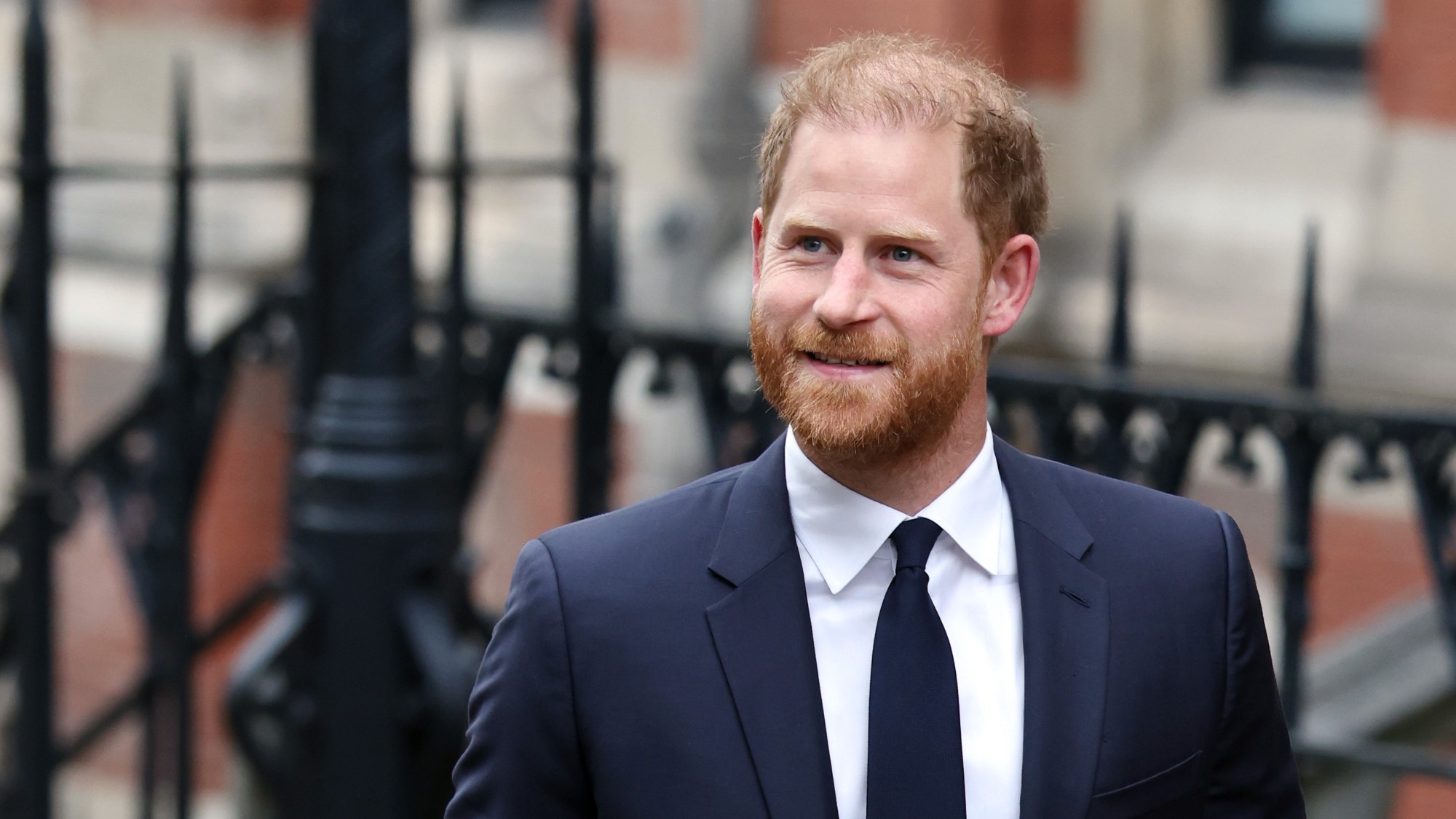
    Prince Harry’s court battle with ‘highly intrusive’ press

    Prince Harry has returned to London for a High Court case against Associated Newspapers Limited in which he will allege that the publisher’s behaviour left him “paranoid beyond belief”. His claims relate to alleged unlawful information gathering related to 14 articles published between 2001 and 2013. Associated Newspapers “strongly denies” any wrongdoing.

    ‘Damaging’ material
    The prince is one of seven high-profile claimants – including Elton John and Liz Hurley – against Associated Newspapers, which owns the Daily Mail and The Mail on Sunday. Journalists are accused of “hacking mobile phone voicemails, tapping landline calls and ‘blagging’ personal information” about subjects without their knowledge or consent, said The Times. The trial is scheduled to last for nine weeks, and the total cost is “estimated to be about £40 million”.

    On the second day of the trial, the claimants’ barrister, David Sherborne, claimed the material obtained by the company on Harry’s romantic relationships was “highly intrusive”, “damaging” and had “serious security implications”. Sherborne also alleged that Associated Newspapers illegally obtained information about Hurley’s paternity battle, as well as “incredibly private” information about the surrogacy and care arrangements relating to Elton John’s newborn son.

    ‘Reputations on the line’
    Associated Newspapers has argued that the claims should be dismissed, owing to a six-year statute of limitations on privacy claims. The publisher has argued that the claimants must or should have known about the existence of the articles in question long before that cut-off date. The company denies using illegal means to obtain information, instead telling the court that Harry’s friends were a “good source of leaks” for journalists.

    This case is Prince Harry’s third “major court battle” accusing media groups of “unlawful behaviour”, said the BBC. In December 2023, he won 15 claims against Mirror Group Newspapers for “unlawfully gathering information for stories published about him”. In January 2025, The Sun agreed to pay “substantial damages” and issued an apology to the prince over claims of “unlawful intrusion into his life”.
    This could be Harry’s final courtroom confrontation with the British press, but it is also his “biggest”, said Sky News. There are “reputations on the line” and “the stakes for all sides are high”.


    Good day 🐮

    … for clever cows, as scientists hail the first documented case of cattle using tools. Veronika, a 13-year-old bovine from Austria, was recorded repeatedly using a broom in her mouth to scratch herself, which shows “how biased we have been regarding cows’ intelligence and their capabilities”, researchers said in a study in the journal Current Biology.


    Bad day 💔

    … for Brand Beckham, after Brooklyn Peltz Beckham publicly accused his parents of controlling his life and trying to ruin his marriage to Nicola Peltz. The 26-year-old wrote on Instagram that he didn’t want to reconcile with David and Victoria Beckham and was “standing up for myself for the first time in my life”.


    picture of the day

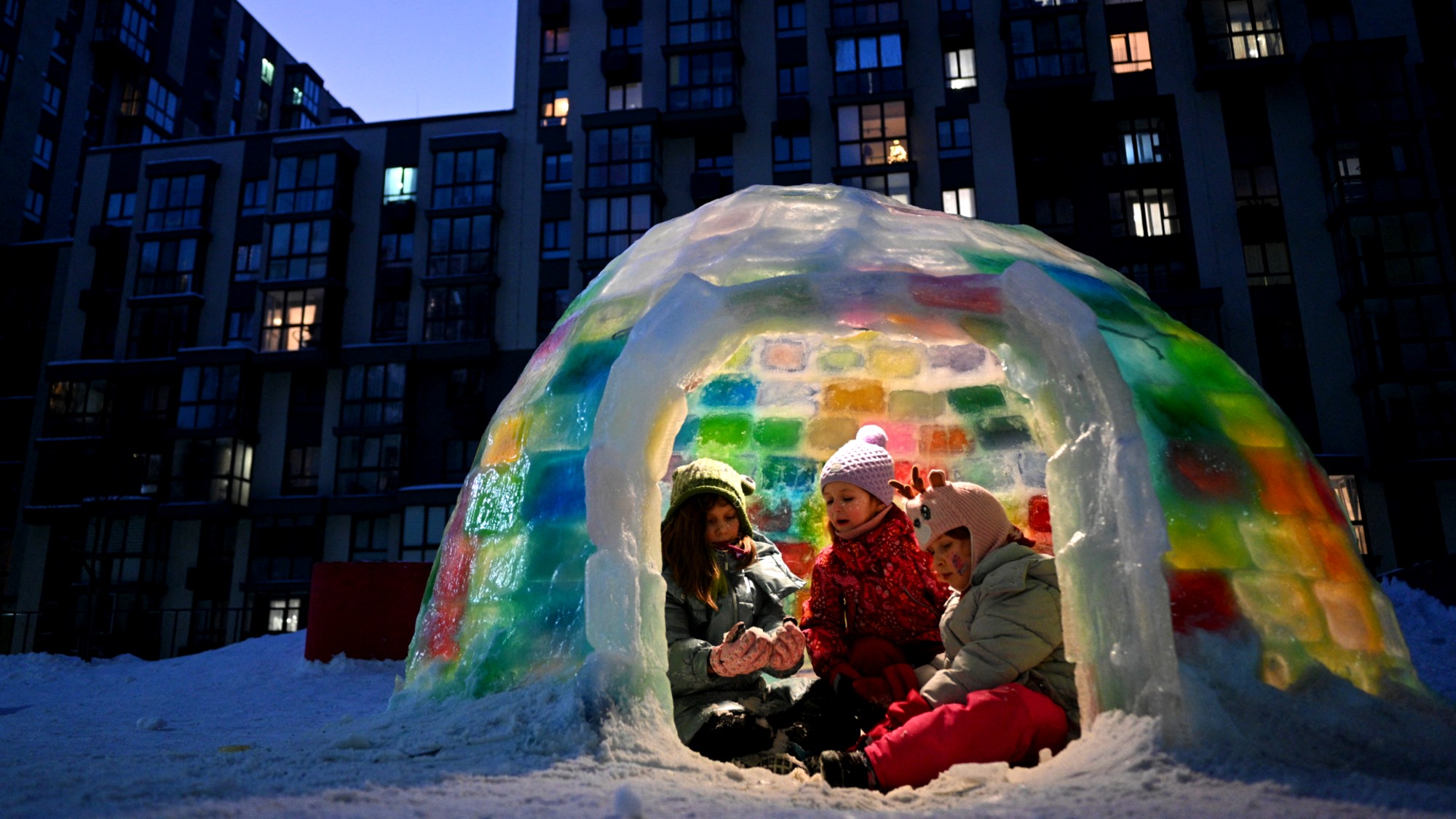
    Cold comfort

    Children play inside a colourful igloo built by locals in Lviv. The city, in western Ukraine, continues to face bombardment from Russia, including drone strikes that hit a playground on Friday night.

    Yuriy Dyachyshyn / AFP / Getty Images


    Puzzles

    Guess the number

    Try The Week’s new daily number challenge in our puzzles and quizzes section

    Play here


    THE WEEK RECOMMENDS

    Wellness retreats to reset your gut health

    “Listen to your gut,” said Hattie Garlick in The Telegraph. “What is it telling you?” If you over-indulged during the festive period, chances are it’s “begging you for a break”.

    Imbalances between the “good and bad bacteria” in the gut have been tied to an array of health issues, so little wonder that the market for gut-friendly products is booming. The travel industry has also cottoned on, with plenty of hotels now offering specially tailored wellness retreats.

    The Goodwood Estate, West Sussex
    On arrival at this five-day gut health retreat, said Giulia Crouch in The Independent, I was “whisked off for my body composition analysis”, before attending an “engaging” talk on nutrition. Each of the “delicious” meals served during my stay kicked off with a “tiny shot of a bitter drink to prime the digestive system” and “a few mouthfuls of kimchi or sauerkraut”. The quality of the treatments, which spanned everything from abdominal massages to body brushing, “really did wow me”. But the highlight was the cranial osteopathy session.

    Amchara Gozo, Malta
    Something of an “insider’s secret”, Amchara’s Gozo retreats take place in a “magnificent” setting with “towering palms” and a “glittering pool”, said Garlick in The Telegraph. Expect “personalised” health checks along with “daily raw food demos” and nutrition talks. There are plenty of treatments too, incorporating reflexology and reiki.

    Lanserhof Sylt, Germany
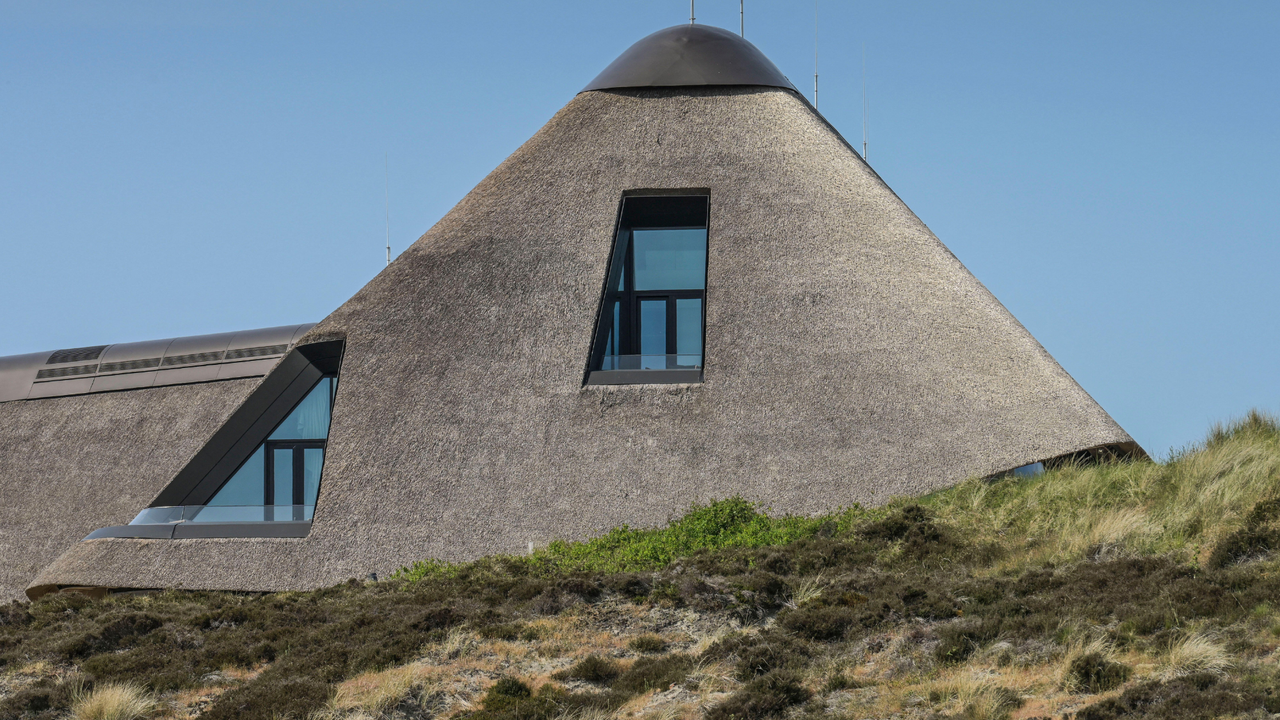
    Set amid “sand dunes blanketed in wind-swept grasses” on the island of Sylt, off the north coast of Germany, Lanserhof Sylt (pictured above) offers guests “extensive analysis” on arrival, measuring everything from glucose levels to kidney function, followed by a tailored diet, said Vassi Chamberlain in Vogue. A word of warning: “the portions are small” and “guests are (famously) instructed to chew each bite 30 and 40 times, which can make for some quiet mealtimes”.


    Statistic of the day

    286,266: The number of people who had signed a satirical petition for Denmark to buy California as of time of press. The “Denmarkification” campaign was launched after Donald Trump returned to the White House last year, but support has surged over the past week as the US president doubles down on his bid to acquire Greenland.


    instant opinion

    Today’s best commentary

    Trump is losing America, and he simply doesn’t care
    Sarah Baxter in The i Paper
    “Donald Trump’s presidency is spiralling into chaos,” writes Sarah Baxter of the Marie Colvin Center for International Reporting. He’s “more fixated on legacy than the needs of the electorate” and no longer even cares what Maga thinks. “The polls show growing dissatisfaction”, but even if voters slap him down in the midterms, he “will keep signing executive orders” to “rule by decree”. Sooner or later, “the US is going to have to dig itself out of this mess”.

    In defence of Robbie Williams
    Alexander Larman in The Spectator
    I predict that Robbie Williams’ new album will be “widely regarded as one of the best of the year”, writes Alexander Larman. He’s “often mocked as a cruise-ship entertainer who got lucky”, but his three decades of “glory” can’t be attributed to “some sort of national delusion”. He’s a “true original” in “an industry long since homogenised into focus-grouped blandness”. He keeps his “place in the pop firmament” by being “unexpected” and “hilariously inappropriate”, and “long may it last”.

    Forget fomo. It’s all about jomo – I’d rather be at home with my cat
    Robert Crampton in The Times
    Jomo, or “joy of missing out”, is “one of the great privileges of age”, writes Robert Crampton. “Having the confidence to back your own judgment of what constitutes time well spent is a big plus.” For “almost every social event”, I “either make a socially acceptable excuse and don’t go or I do go then make a socially acceptable excuse to depart as soon as I can”. The only problem is that “you run out of dying grandmothers”.


    word of the day

    Barnacle

    Marine crustaceans have become an “unusual source” of inspiration for tackling inflammatory bowel disease, said New Scientist. Researchers in China have genetically engineered a strain of Escherichia coli bacteria that makes “cement proteins” which “barnacles use to attach to underwater surfaces”, and hope this “living glue” could eventually be used as an “anti-inflammatory seal against bleeding wounds” in the human gut.


    Evening Review was written and edited by Hollie Clemence, Rebecca Messina, Elliott Goat, Harriet Marsden, Will Barker, Chas Newkey-Burden, Irenie Forshaw, Helen Brown, David Edwards and Kari Wilkin, with illustrations from Stephen Kelly.

    Image credits, from top: illustration by Stephen Kelly / Getty Images; Matt Cardy / Getty Images; Neil Mockford / GC Images / Getty Images; Yuriy Dyachyshyn / AFP / Getty Images; Bildagentur / Alamy

    Morning Report and Evening Review were named Newsletter of the Year at the Publisher Newsletter Awards 2025
     

    Recent editions

    • Sunday Shortlist

      British discomfort viewing

    • Saturday Wrap

      Trump’s oil grab

    • Evening Review

      The momentum to impeach Noem

    VIEW ALL
    TheWeek
    • About Us
    • Contact Future's experts
    • Terms and Conditions
    • Privacy Policy
    • Cookie Policy
    • Advertise With Us
    • FAQ
    Add as a preferred source on Google

    The Week is part of Future US Inc, an international media group and leading digital publisher. Visit our corporate site.

    © Future US, Inc. Full 7th Floor, 130 West 42nd Street, New York, NY 10036.