The Week The Week
flag of US
US
flag of UK
UK
https://cdn.mos.cms.futurecdn.net/flexiimages/jacafc5zvs1692883516.jpg

SUBSCRIBE & SAVE

Less than $3 per week

Sign in
  • View Profile
  • Sign out
  • The Explainer
  • The Week Recommends
  • Newsletters
  • Cartoons
  • From the Magazine
  • The Week Junior
  • Student Offers
  • More
    • Politics
    • World News
    • Business
    • Health
    • Science
    • Food & Drink
    • Travel
    • Culture
    • History
    • Personal Finance
    • Puzzles
    • Photos
    • The Blend
    • All Categories
  • Newsletter sign up Newsletter
  • The Week Evening Review
    Standing up to Trump, food shortages, and the future of the smartphone 

     
    TODAY’S BIG QUESTION

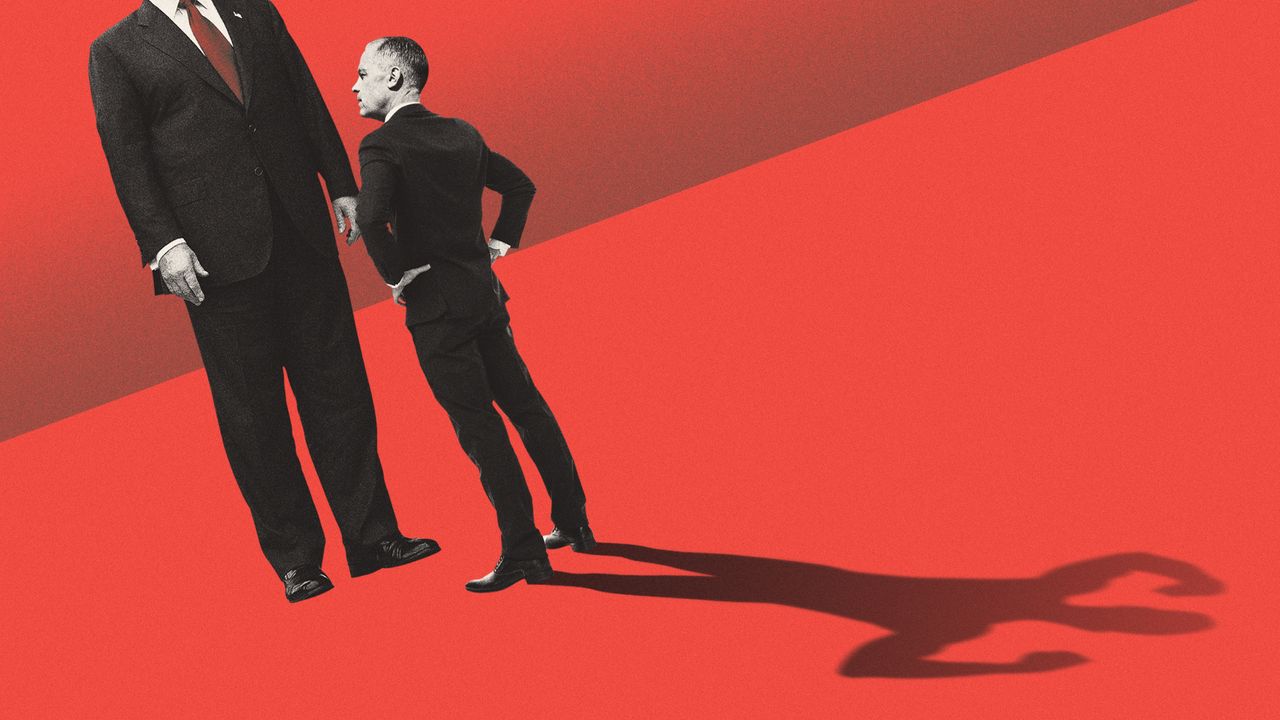
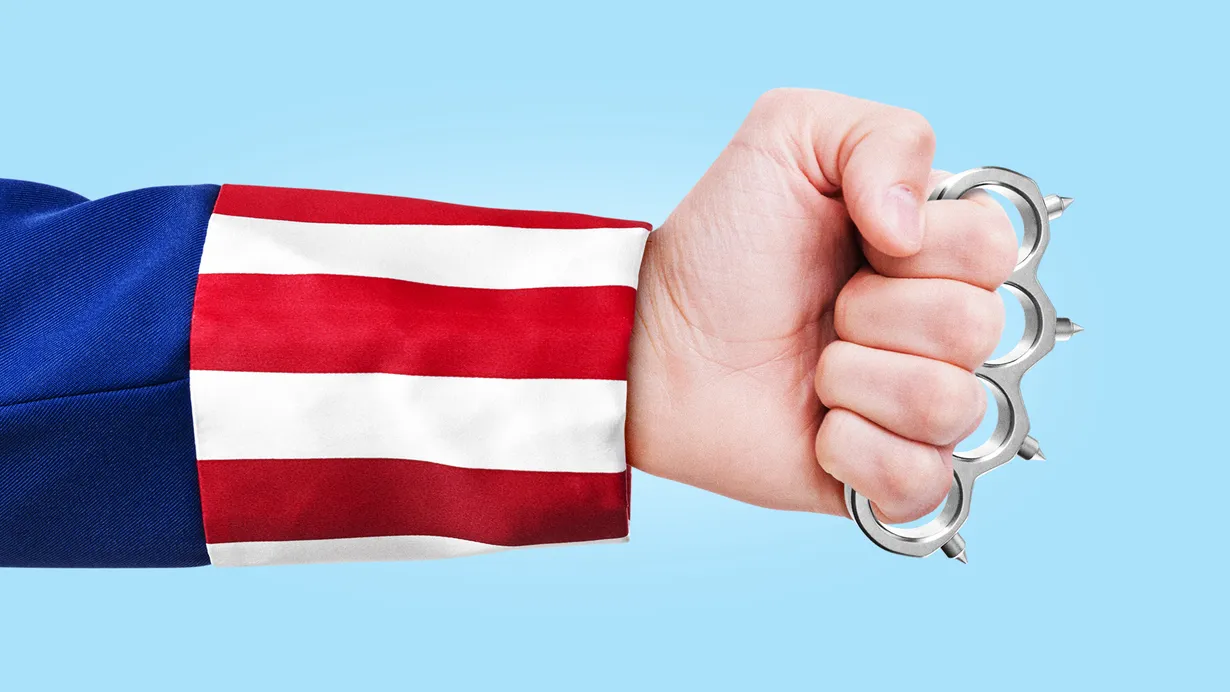
    Does standing up to Trump help world leaders at home?


    Canada’s prime minister, Mark Carney, made waves at Davos this month with a speech attacking “coercion from global superpowers, including the use of tariffs”, said Bloomberg. He didn’t mention Donald Trump by name but there is “no doubt” the US president’s “hostile reaction” played well for Carney at home. 

    What did the commentators say?
    Carney’s domestic approval rating “soared to record highs” after his Davos speech, said James Crisp in The Telegraph. His “declarative, elbows-up moment at Davos is something that Canadians appreciated”, said Shachi Kurl of the Angus Reid Institute, a Vancouver-based research group. But, while Carney’s “personal brand” has received an undeniable “boost”, said Rebecca Schneid in Time, the same poll shows Carney’s Liberal Party maintaining only a “narrow lead” over the Conservative Party.

    Having been “dismissed as a lame duck” in recent altercations on the European and global stage, France’s President Emmanuel Macron has also “clawed back some influence” after his staunch defence of Greenland and Denmark, said Mark Landler in The New York Times. Like Carney, Davos was a “gift” for Macron. Donning his mirrored sunglasses and making a “meme-ready repetition” of “for sure” throughout his speech, he managed to gain “rare support” from France’s “fractured political landscape”.

    Italy’s Giorgia Meloni, on the other hand, has “carefully cultivated” the role of “Trump whisperer”, and is “quietly stepping into the diplomatic gap” between Trump and the rest of Europe, said Hannah Roberts in The Observer. But her “softly-softly approach” has allowed domestic critics to say she “doesn’t have the capacity to move the dial”, and is “merely seeking to boost her standing”.

    What next?
    One of Canada’s “hottest exports” right now may be Netflix’s “Heated Rivalry”, but Mark Carney is not far behind, said the Financial Times. His “punchy” speech drew much adulation but underlined a “risky strategy” for the road ahead. “Now that the trust has gone, it’s not coming back,” one diplomat told Politico after Davos. “I feel the world has changed fundamentally.”


    THE EXPLAINER

    How prepared is the UK for food shortages?

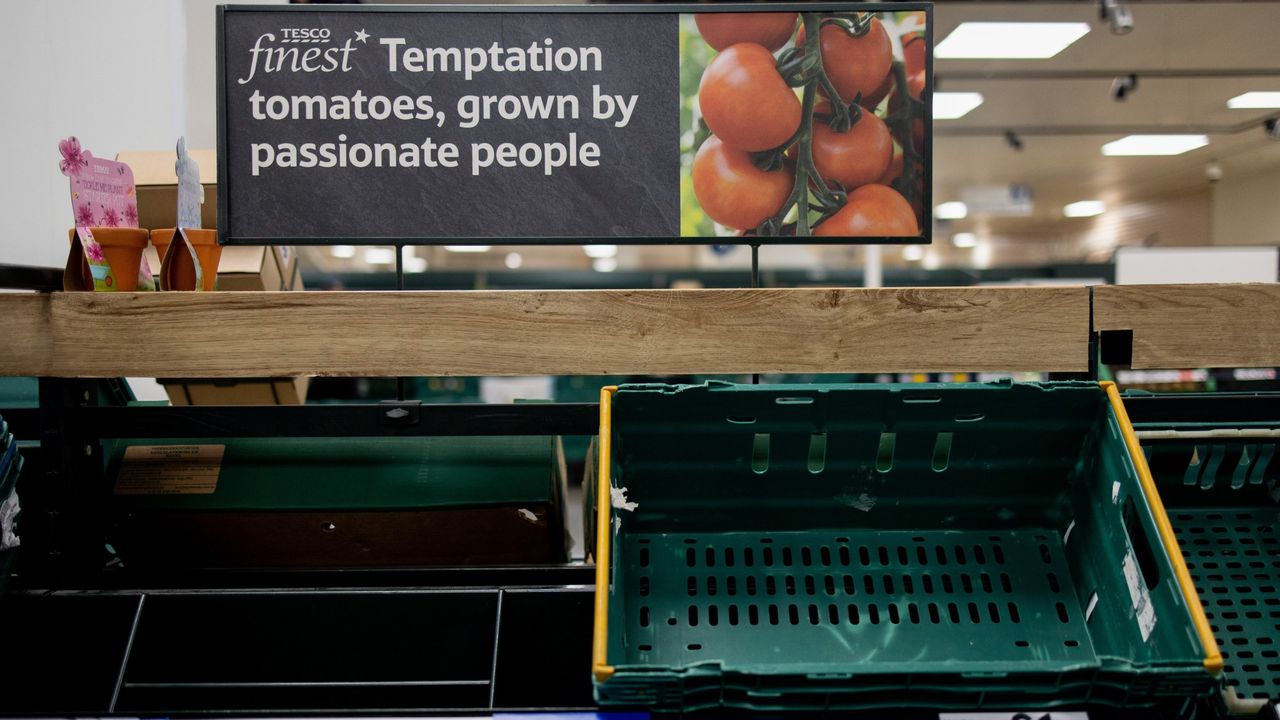
    An MP has warned that “food security is national security”, as concerns grow about the risk of food shortages in the UK. Sharing photos of empty supermarket shelves in his Shetland constituency on social media, Lib Dem MP Alistair Carmichael told his followers that “the next time someone tells you that we can rely on imports for our food needs, show them these pictures”.

    Why has the alarm been raised?
    “Food policy across much of the world is changing. But not in Britain,” said The Guardian. As the “prices of essentials rise”, this “may be a costly mistake” because the “climate emergency, geopolitical tensions and the fragility of just-in-time supply chains” are putting huge pressure on food supplies in the UK.

    Sweden, Finland, Norway and Germany are all “rebuilding stocks dismantled after the Cold War”, Egypt and Bangladesh are “boosting similar programmes”, and Brazil and Indonesia are “also expanding their reserves”. But the UK has “no substantial public food reserves”.

    What measures are in place?
    Britain’s current strategy “rests almost entirely on global markets and private intentions”, meaning that, even if there’s a war, official advice “focuses on households stockpiling essentials”. In Britain, food security is about “prices, not scarcity of supply”.

    Things might change, however. Last summer, the government launched a new food strategy aimed at building “improved resilience of the supply chain”, with “reduced impact of shocks and chronic risks on access to healthy and sustainable food”.

    What more could be done?
    The national food strategy is “only the first step”, said the Economics Observatory. “There are several useful ways to calm the coming storm,” including modelling food systems on computers or deploying a policy tool that “tests potential interventions that increase the resilience of the food system”.

    Public buffer stocks can serve as shock absorbers, steadying prices and ensuring physical supply. Stocks can be “accumulated when prices are low” and released when “inflation spikes” or supply is limited, said The Guardian. The short-term losses “should be understood as the price of resilience”, like flood defences.


    QUOTE OF THE DAY

    “In my view, anybody paid by the public purse does not get licence to lie.”

    Andy Burnham takes aim at what he sees as inaccurate Downing Street media briefings about his application to stand as Labour’s candidate in the Gorton and Denton by-election, in an interview with BBC Radio Manchester.


    Poll watch

    The majority of English people feel no attachment to the Church of England, according to a YouGov poll of 5,999 people carried out yesterday, to coincide with Sarah Mullally’s confirmation as Archbishop of Canterbury. More than a third (34%) said they care “not very much” about the established church, while 38% don’t care “at all”.


    IN THE SPOTLIGHT

    Will AI kill the smartphone?

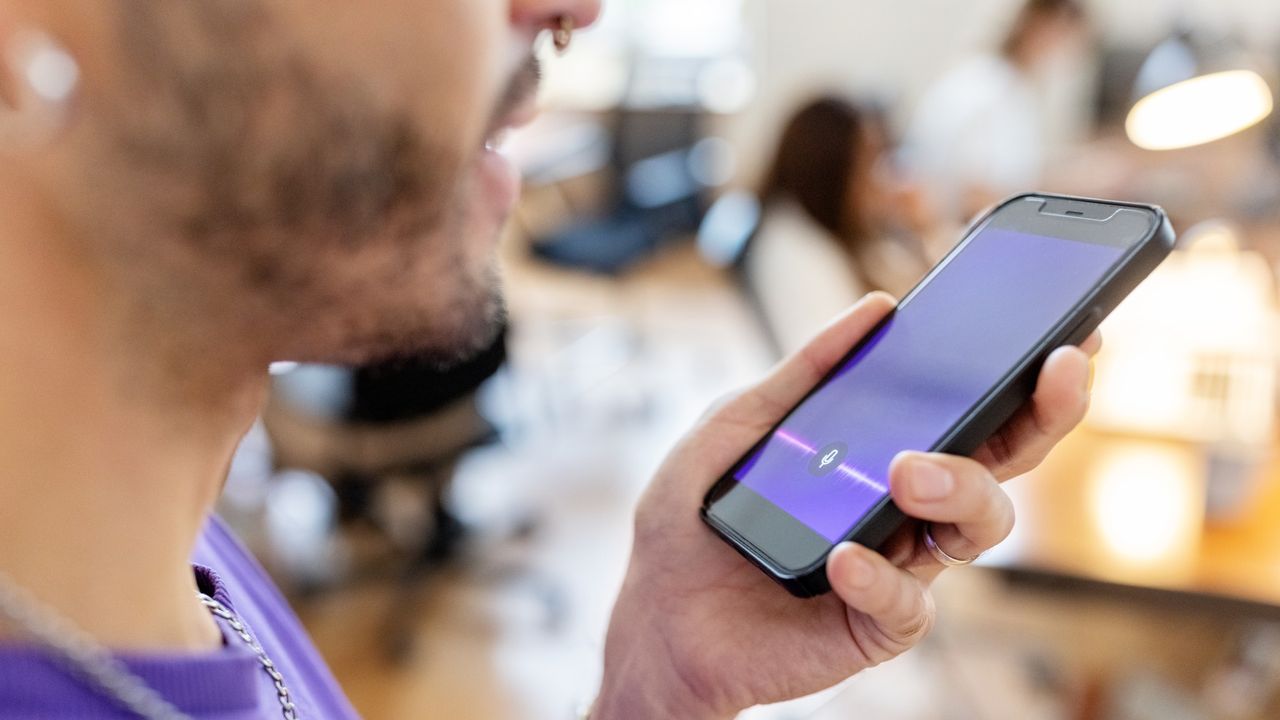
    Life without a smartphone may seem unimaginable but the AI giants are planning to consign it to the scrapheap. “The race to unseat the smartphone is on,” said The Economist, and the new generation of AI-powered devices lined up to replace it could radically change our lives.

    Disrupting the duopoly
    Over the last 20 years, the smartphone has “come to dominate how consumers interact with the digital world”, creating “one of the most lucrative duopolies in business history”, in the shape of Apple’s iPhone, and Google’s Android operating system. But now OpenAI says it’s “on track” to unveil its own device in the second half of the year, Meta is developing AI-powered smart glasses, and Amazon has “rolled out” Alexa+, its own AI assistant to its Echo smart speakers. 

    Many of the world’s biggest tech companies think that a “radical shift is underway”, and it could eventually make the smartphone, as we know it, “passé”, said The New York Times.

    This isn’t just about business, said The Economist: some disruptors have “long-standing grievances” with the smartphone “tribute system” that means developers have to pay Apple a commission of up to 30% on purchases made through apps running on its operating system. Apple has also riled up Meta by making it harder for the social-media giant to “hoover up data” from its gadgets.

    AI on the go
    Experts say the new AI assistants are far more capable and flexible than simple voice helpers like Siri. They will soon supersede smartphone software in importance, said The New York Times. Apps will lose their relevance when AI assistants are “automatically carrying out tasks” like “making plans with friends, generating shopping lists and taking notes in meetings”. Smartphones could be replaced by smart glasses, while “ambient computers”, with “microphone-equipped speakers” and screens “placed throughout a home, and gadgets worn on the body” will also dovetail with AI assistants.

    But, for the time being at least, the threat to Apple and Google remains “Lilliputian”, said The Economist. While there are 15 million owners of smart glasses worldwide, Apple is thought to have shifted 250 million iPhones in the last year alone.


    Good day 🛂

    … for going where the mood takes you, after Keir Starmer confirmed that China is adding the UK to its visa-free entry scheme, meaning British tourists will no longer need a visa for stays of up to 30 days. The PM made the announcement following talks with his Chinese counterpart, Xi Jinping, in Beijing.


    Bad day 🎭

    … for impromptu understudies, after star tenor Roberto Alagna fell ill during a performance of “Turandot” at London’s Royal Opera House. Music director Richard Hetherington stepped in, singing the role of Prince Calàf from the wings – but the decision to skip the challenging aria “Nessun dorma” was met with raucous boos from the audience.


    picture of the day

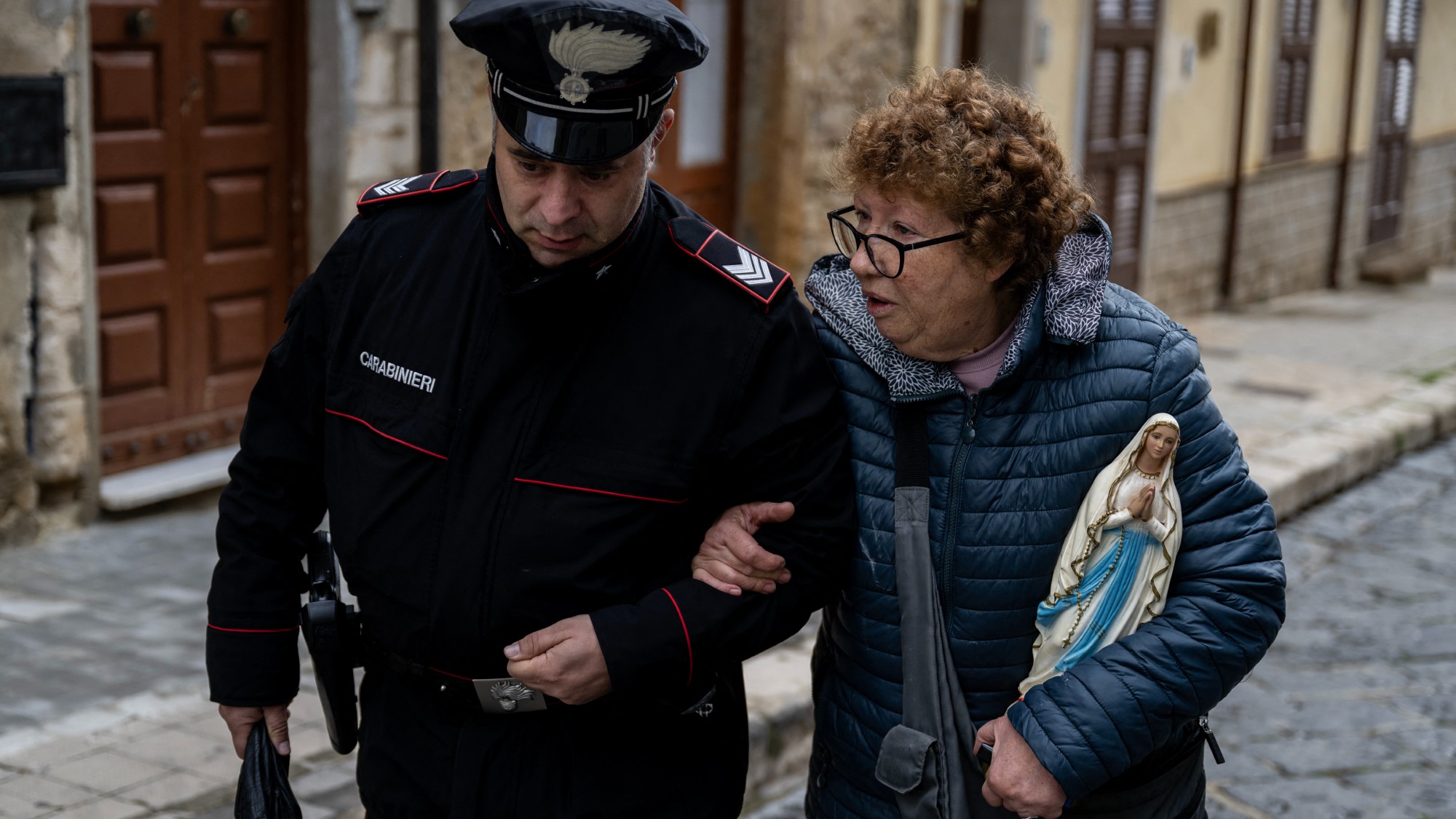
    Holy deliverance

    A Carabinieri officer escorts a woman as she collects belongings from her home in the “red zone” of the Sicilian town of Niscemi. Around 1,500 people have been forced to evacuate their homes in the hillside town, following a mammoth landslide triggered by severe weather.

    Marco Bertorello / AFP / Getty Images


    Puzzles

    Guess the number

    Try The Week’s new daily number challenge in our puzzles and quizzes section

    Play here


    THE WEEK RECOMMENDS

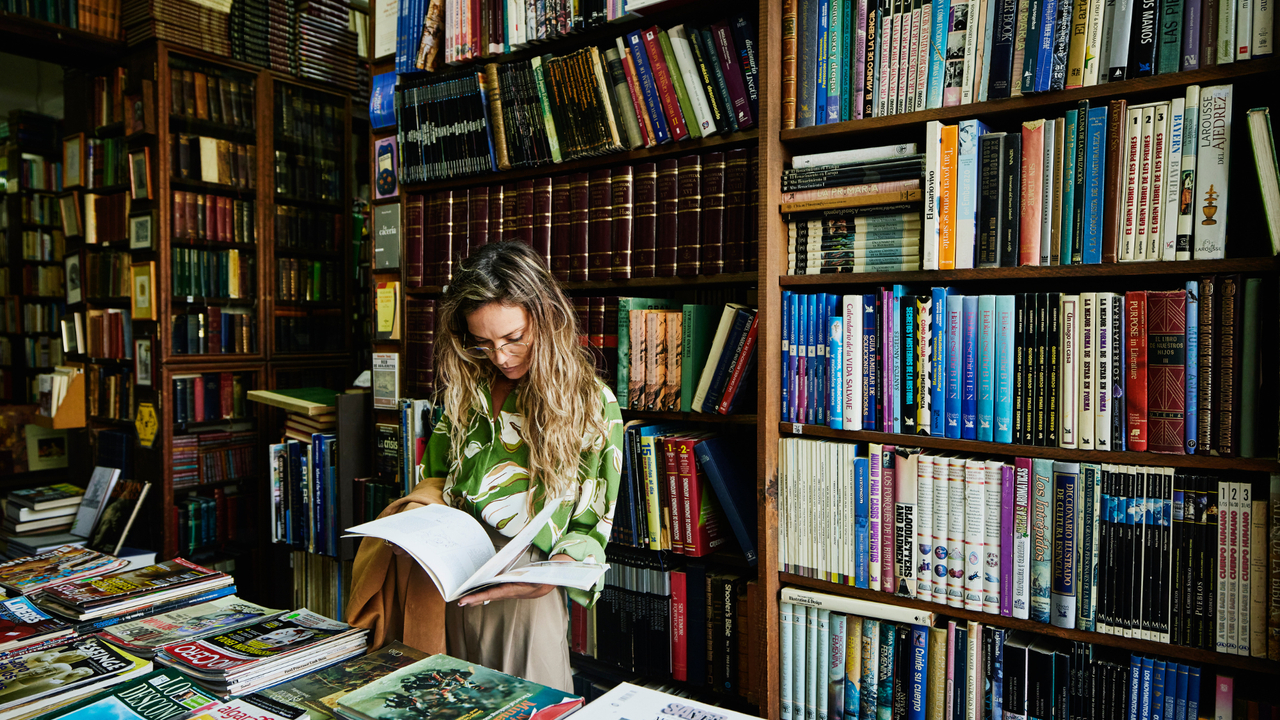
    Must-visit bookshops around the UK

    There is something special about a bookshop: peace and quiet, fleeting rays of sunlight cutting through old windows, and that distinctive smell. Here are some of the best bookshops to browse in around Britain...

    Barter Books, Alnwick, Northumberland
    Set in a “grand Victorian railway station”, Barter Books is “one of Britain’s biggest second-hand bookshops”, said Lauran Elsden in Country Living. The venue has stayed true to its roots, with a model railway set “chugging away” among the “generously stacked” shelves.

    Hay Cinema Bookshop, Hay-on-Wye, Wales
    There is no better place for “bibliophiles and avid readers” than this, said Chris Moss in The Telegraph. “Exploring its shelves is akin to being inside a capacious old library that is fairly ordered and also full of surprises”, boasting more than 200,000 second-hand and antiquarian volumes.

    The Heath Bookshop, King’s Heath, Birmingham
    Winner of The Bookseller’s Independent Bookshop of the Year award in 2025, the Heath is considered the “cultural heart” of the area. Co-owners Catherine and Claire have “done an amazing job with their space,” said the judges. This is the type of bookshop in which you “feel like you want to hang out”.

    Far From the Madding Crowd, Linlithgow, Scotland
    This “much-loved” bookshop occupies one of the “handsome Georgian buildings flanking the high street” of this Scottish market town, said Sarah Barrell in National Geographic. Aptly, it has a “strong selection” of Scottish titles, and even features a “bothy” that’s perfect for quiet reading.


    Statistic of the day

    15 metres per day: The average gains made by Russian troops in their two-year advance on the Ukrainian city of Chasiv Yar, according to analysis by the US-based Center for Strategic and International Studies. By comparison, French and British troops advanced 80m per day on average during the 1916 Battle of the Somme.


    instant opinion

    Today’s best commentary

    Do markets make us moral?
    Soumaya Keynes in the Financial Times
    “Markets are a bit like Marmite,” writes Soumaya Keynes. The “haters find them gross”, responsible for “fraying our social fabric”; the lovers “rave” about their “honesty and honourability”. A new study of past “US economic transformation” finds “commercial opportunities” make “people more outward-looking” and tolerant, but also weaken “family-based co-operation”, making life harder for “vulnerable people”. So, there’s no “simple answer”. This Marmite is not “delicious or disgusting” but “a complex mix of flavours reorienting your taste buds”.

    Starmer’s oikophobia is erasing so much that is great about Britain
    Allister Heath in The Telegraph
    “Why is Keir Starmer waging war on all that was once special about Britain?” writes Allister Heath. “What has he got against” our veterans, pubs and farmers, “our eccentricities great and small” and “our proud tradition of free speech and democracy”? He doesn’t want us to be “distinctive” but a bland, lawyer-designed “blancmange of a welfare state”. He’s an “oikophobe”, repudiating “national loyalties” and revering “global bureaucracies”. I say “enough of this nihilism”; “we need an oikophile restoration”.

    The Middle East Has Two New Rival Teams
    Firas Maksad on Foreign Policy
    Iran “no longer” shapes the Middle East’s “strategic trajectory”, writes Firas Maksad of global political risk consultancy Eurasia Group. Now it’s a “competition between two emerging blocs”: the “Abrahamic” – Israel, the United Arab Emirates, Morocco, Greece, India – which aims to “reconfigure the region through military power”, and technological and “economic integration”; and the “Islamic” – Saudi Arabia, Turkey, Pakistan, Qatar, Egypt – which prefers “existing structures”. Can Donald Trump “fold them” both “under America’s large Middle Eastern tent”?


    word of the day

    Rum

    What Britain’s sailors will no longer be able to quaff onboard ship during the two alcohol-free days a week the Royal Navy has introduced to ensure its personnel “remain fit for naval operations”. Sailors will also be limited to a total of 14 units per week, rather than the current 21.


    Evening Review was written and edited by Rebecca Messina, Jamie Timson, Will Barker, Chas Newkey-Burden, David Edwards, Natalie Holmes and Helen Brown, with illustrations from Stephen Kelly.

    Image credits, from top: illustration by Stephen Kelly / Getty Images; Hesther Ng / SOPA Images / LightRocket / Getty Images; Luis Alvarez / Getty Images; Marco Bertorello / AFP / Getty Images; Thomas Barwick / Getty Images

    Morning Report and Evening Review were named Newsletter of the Year at the Publisher Newsletter Awards 2025
     

    Recent editions

    • Evening Review

      Businesses walk an ICE-y line

    • Morning Report

      Kristi Noem on thin political ice

    • Evening Review

      The EU takes on Grok

    VIEW ALL
    TheWeek
    • About Us
    • Contact Future's experts
    • Terms and Conditions
    • Privacy Policy
    • Cookie Policy
    • Advertise With Us
    • FAQ
    Add as a preferred source on Google

    The Week is part of Future US Inc, an international media group and leading digital publisher. Visit our corporate site.

    © Future US, Inc. Full 7th Floor, 130 West 42nd Street, New York, NY 10036.