The Week The Week
flag of US
US
flag of UK
UK
https://cdn.mos.cms.futurecdn.net/flexiimages/jacafc5zvs1692883516.jpg

SUBSCRIBE & SAVE

Less than $3 per week

Sign in
  • View Profile
  • Sign out
  • The Explainer
  • The Week Recommends
  • Newsletters
  • Cartoons
  • From the Magazine
  • The Week Junior
  • Student Offers
  • More
    • Politics
    • World News
    • Business
    • Health
    • Science
    • Food & Drink
    • Travel
    • Culture
    • History
    • Personal Finance
    • Puzzles
    • Photos
    • The Blend
    • All Categories
  • Newsletter sign up Newsletter
  • The Week Evening Review
    Iran vs. the US, Cape Verde deaths, and a proxy battleground in Northern Ireland

     
    TODAY’S BIG QUESTION

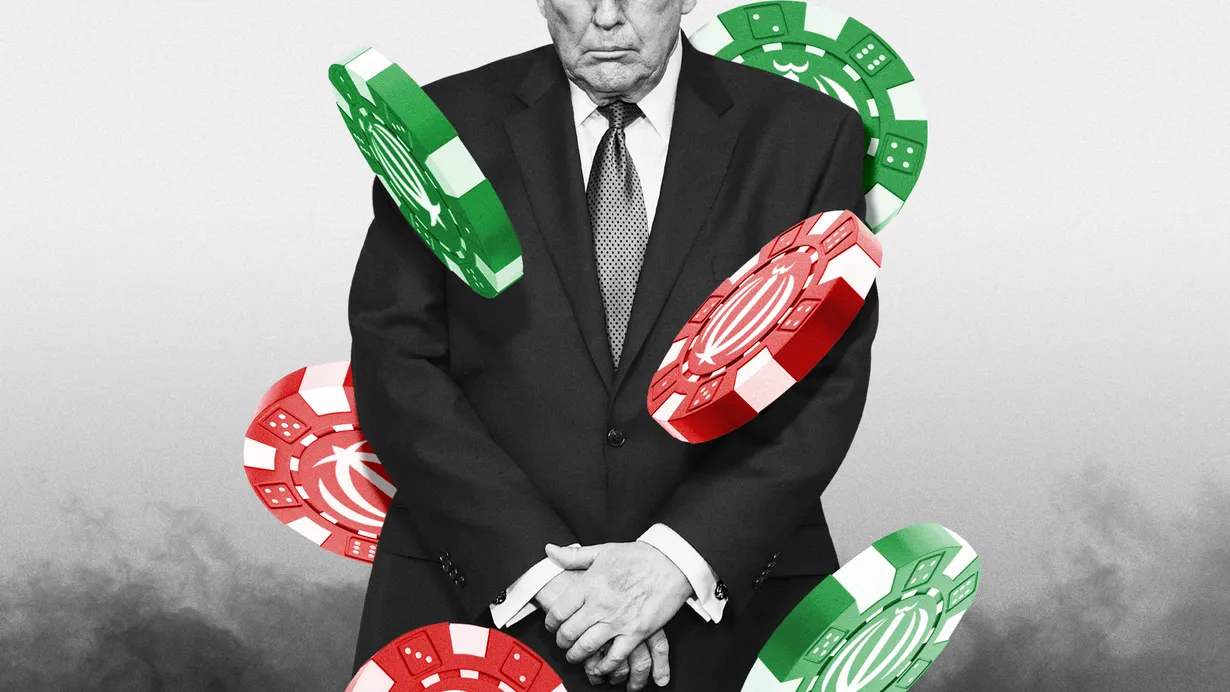
    Which way will Trump go on Iran?

    The next seven days are “make or break” for avoiding conflict between Iran and the US, said Dominic Waghorn at Sky News. “Fingers are on the trigger and one misstep could lead to repercussions which will be felt beyond the Middle East.”

    Washington and Tehran are set for diplomatic talks over a nuclear deal in Istanbul on Friday, along with counterparts from the Middle East including Turkey, Qatar and Egypt. Amid ongoing internal protests in Iran, and Donald Trump’s “massive armada” in the Gulf, “the region is heading for a crunch point” if a deal cannot be reached.

    What did the commentators say?
    Middle Eastern diplomats are making “strenuous efforts” to “narrow the gaps” between the two sides, said The Washington Post. Previous talks have been frosty and “indirect”. If the proposed meeting goes ahead, the presence of many of the region’s foreign ministers “may help pave the way to direct negotiations between the US and Iranian envoys”.

    The US president will consider only limited strikes, or no attack at all, if he forces Iran to “abandon its nuclear ambitions”, said Chris Hughes in The Mirror. As his rhetoric has escalated, he has “backed himself into having to make a big decision”. For spectators, it is a “nail-biting” time: “it is hard to imagine so many hundreds of billions of pounds worth of killer machinery and personnel being sent to the Middle East without an offensive happening”.

    This could be “brinkmanship”, said Bamo Nouri, an international politics academic, in The Conversation. A war with Iran “would not be swift, cheap or decisive”, and any major attack could “backfire politically” at home.

    What next?
    Iran faces a “simultaneous crisis of domestic legitimacy and a credible threat of external attack”, leaving it more vulnerable than ever before, said Sanam Vakil of the Chatham House think tank, in The Guardian.

    There are three possible outcomes: a “forced compromise”, which would seem to Iran’s people a “bargain for the sake of the regime’s survival”; a “controlled war”, resulting in “prolonged instability”; or, most concerningly, Iran’s total collapse. The latter could turn the country into a “long-term source of instability”, and pave the way for a regime “more perilous” than the one it replaces.


    THE EXPLAINER

    High Court action over Cape Verde tourist deaths

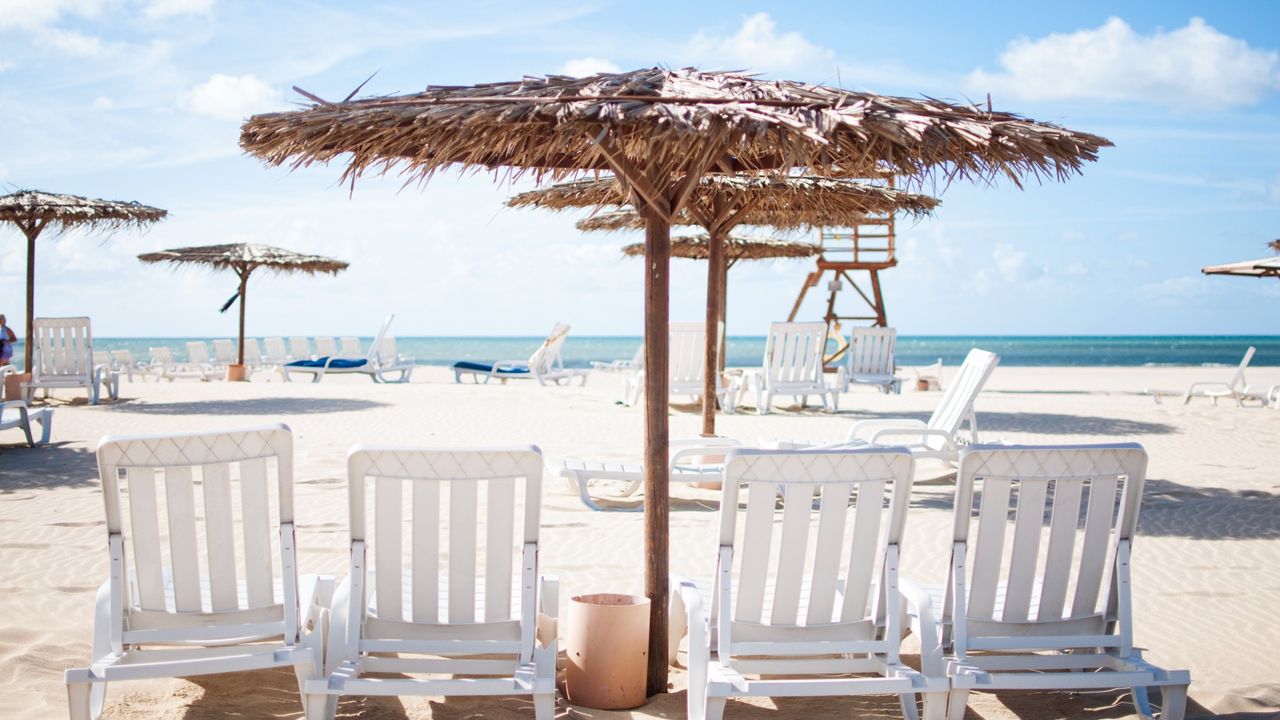
    The deaths of six British people who had gone on holiday to Cape Verde have sparked a “bombshell legal move” against the Tui tourism group, said The Sun. UK law firm Irwin Mitchell says it has launched High Court proceedings on behalf of “hundreds” of holidaymakers who “fell ill during or shortly after” taking a package holiday to Cape Verde between 2022 and 2025.

    The 10 volcanic islands that make up Cape Verde, 350 miles to the west of Senegal in the Atlantic Ocean, have become an increasingly popular sunshine destination for European tourists seeking a cheaper alternative to the Caribbean. But there is trouble in paradise.

    Who has died?
    In a three-month period last year, four Brits died in Cape Verde “after falling ill and receiving poor medical care in local hospitals”, said The Sunday Times. They were all aged between 54 and 64 and had “underlying but manageable health conditions”. They “died of various medical complications”, including gastroenteritis, fractured bones and heart failure. All were staying in a Riu hotel that was part of a Spanish chain of six resorts in Cape Verde when they first fell ill. Two other Brits have died, and more than 1,500 British tourists, including children, have fallen ill in Cape Verde since 2022.

    Why are tourists getting sick?
    Many of those who became unwell reported severe gastric illness. Late last year, the UK Health Security Agency spotted an increase in diagnoses of shigella, a gastrointestinal bacteria that can cause severe diarrhoea, fever, stomach cramps and, in rare cases, sepsis. Further investigation linked the outbreak to Cape Verde: 80% of the 137 people affected between October and December had travelled to the islands.

    What are the lawsuits?
    Several other group action lawsuits “are expected to be listed at the High Court in the coming months”, said The Sun. The current one involves over 300 Brits who fell ill after staying at Riu Palace in 2022. Their claim alleges that Tui “breached its legal duties” as a tour operator “by failing to protect holidaymakers from illness, and by not ensuring that hotel and swimming pool facilities were maintained to reasonable standards of cleanliness”.

    Tui is contesting the allegations. Together with Riu Hotels & Resorts, it issued a statement saying that both companies were “deeply saddened” by the deaths, and offering “heartfelt condolences to the families affected”.


    QUOTE OF THE DAY

    “Peter Mandelson let his country down.”

    A Downing Street spokesperson relays what Keir Starmer told the Cabinet today after it emerged that the former Labour business secretary had leaked confidential government emails to Jeffrey Epstein. This afternoon, Mandelson bowed to pressure to step down from the House of Lords.


    Poll watch

    Being close to the countryside is a priority for almost three-quarters (73%) of Brits when choosing where to live, ahead of proximity to a good school (47%) or family (68%). The list of key considerations was topped by low crime and cost, each of which was cited by 94% of 2,067 adults surveyed for the Campaign to Protect Rural England.


    THE EXPLAINER

    The battle over the Irish language in Northern Ireland

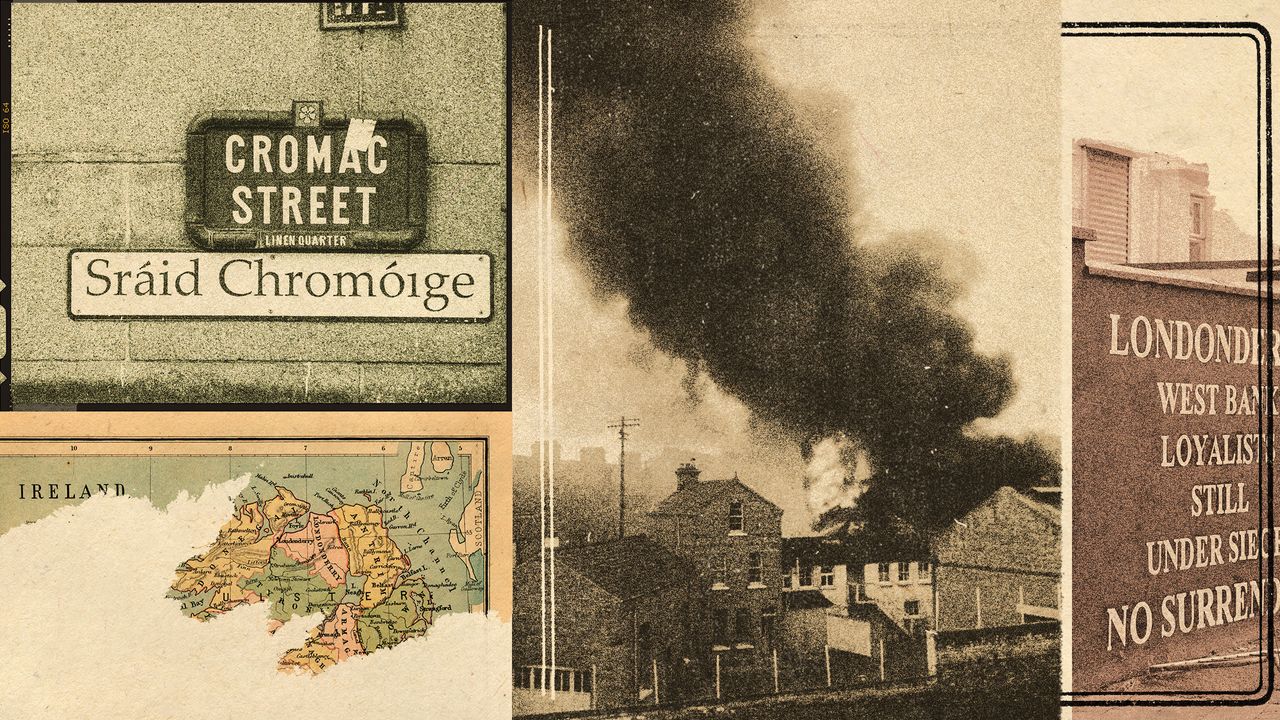
    In Northern Ireland, where the Irish language is a proxy battleground between unionists and nationalists, dual-language signs have become a “key point of contention at Stormont”, said the BBC. When Belfast City Council approved a draft policy in October to promote the Irish language in public life, with bilingual signs across its facilities and buildings, Sinn Féin hailed it as a “historic milestone”. But unionists objected and one campaigner has now brought the issue to Northern Ireland’s High Court.

    A ‘greening’ of Ulster?
    “What was once dismissed as a fading tongue is undergoing an exhilarating and vibrant revival,” said The Irish Times. North of the border, Belfast is leading the way. Bilingual street signs, permitted in Northern Ireland since the peace process, previously required approval by a two-thirds majority of residents. That was typically reached only in majority-Catholic neighbourhoods. But, in 2022, Belfast City Council reduced the approval threshold to just 15%.

    The dual-language signs are sparking anger in some areas “badly scarred by the Troubles”. This is “a land where territory has long been marked by murals, flags and kerbstones daubed in national colours”, so the rollout of Irish signs is “seen as a ‘greening’ of Ulster by nationalists”. Existing bilingual street signs in the capital “have been vandalised more than 300 times in five years”, said the BBC.

    ‘Imposed without consent’
    Irish was declared the first official language of the Irish Free State in 1921 but, in the six counties that remained in the UK as Northern Ireland, the language was treated with suspicion by the authorities. Less than 2.5% of the population in Northern Ireland speaks it daily, according to 2021 census figures.

    The Identity and Language Act of 2022 bestowed official, protected status on the Irish language in Northern Ireland and overturned a ban of almost 300 years on its use in court. Last year, Stormont appointed Northern Ireland’s first Irish language commissioner to promote its use across public bodies. But unionist leaders reject “what they see as an erosion of their identity and traditions”, said The Irish Times. “They argue the language is being imposed, without consent, on daily lives.”


    Good day 💻

    … for Barnsley, which has been chosen as the UK’s first “Tech Town” by the government. Residents of the South Yorkshire town will be given free digital training, and AI tools will be rolled out in local schools, hospitals and businesses, under plans backed by Microsoft, Cisco and Adobe.


    Bad day 👼

    … for Italian restoration, as the country’s Culture Ministry and the Diocese of Rome launch an investigation into a spruced-up cherub that now bears a startling resemblance to Giorgia Meloni. Opposition politicians cried foul after the restored painting, in the capital’s Basilica of San Lorenzo, was featured in newspapers that noted its likeness to the prime minister.


    picture of the day

    Lizzard blizzard

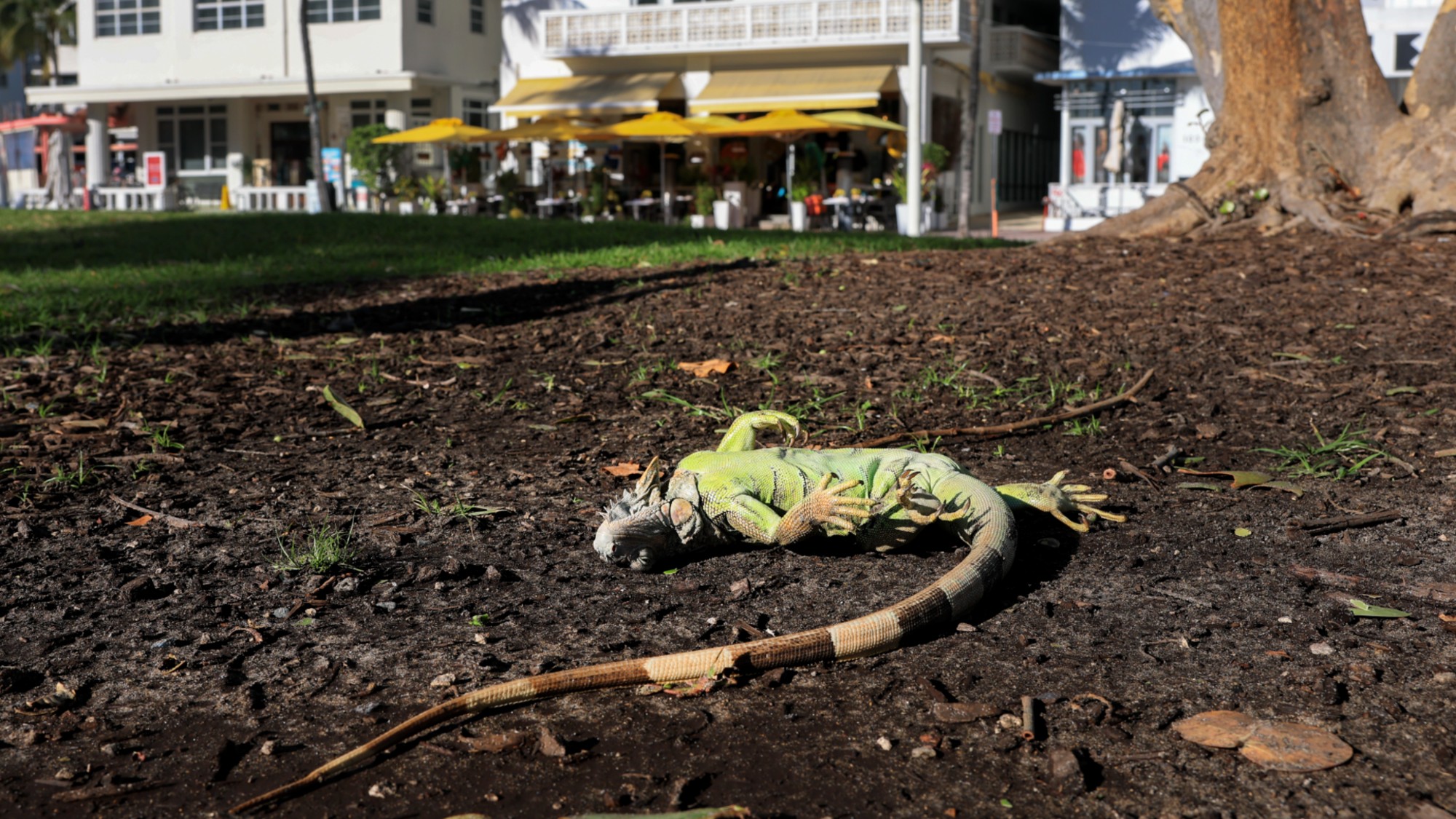
    An iguana lies on the ground in Miami after falling victim to the cold snap sweeping across the US. The reptiles are dropping from Florida’s trees after entering a cold-stunned state as temperatures there hit -4C, the lowest in February for 100 years.

    Joe Raedle / Getty Images


    Puzzles

    Guess the number

    Try The Week’s new daily number challenge in our puzzles and quizzes section

    Play here


    THE WEEK RECOMMENDS

    Lights, camera, check-in! Famous film hotels

    Have you ever wanted to step inside a movie scene? Here are some hotels where you can relive your favourite on-screen moments.

    The Savoy Hotel, London
    A scene shot in the “opulent” Lancaster Ballroom of this “prestigious” hotel served as a “memorable moment” in “Notting Hill”, when the “book-ish, floppy-haired” William (Hugh Grant) interrupts a press conference in his efforts to win back “demure American actress” Anna (Julia Roberts).

    Park Hyatt Tokyo
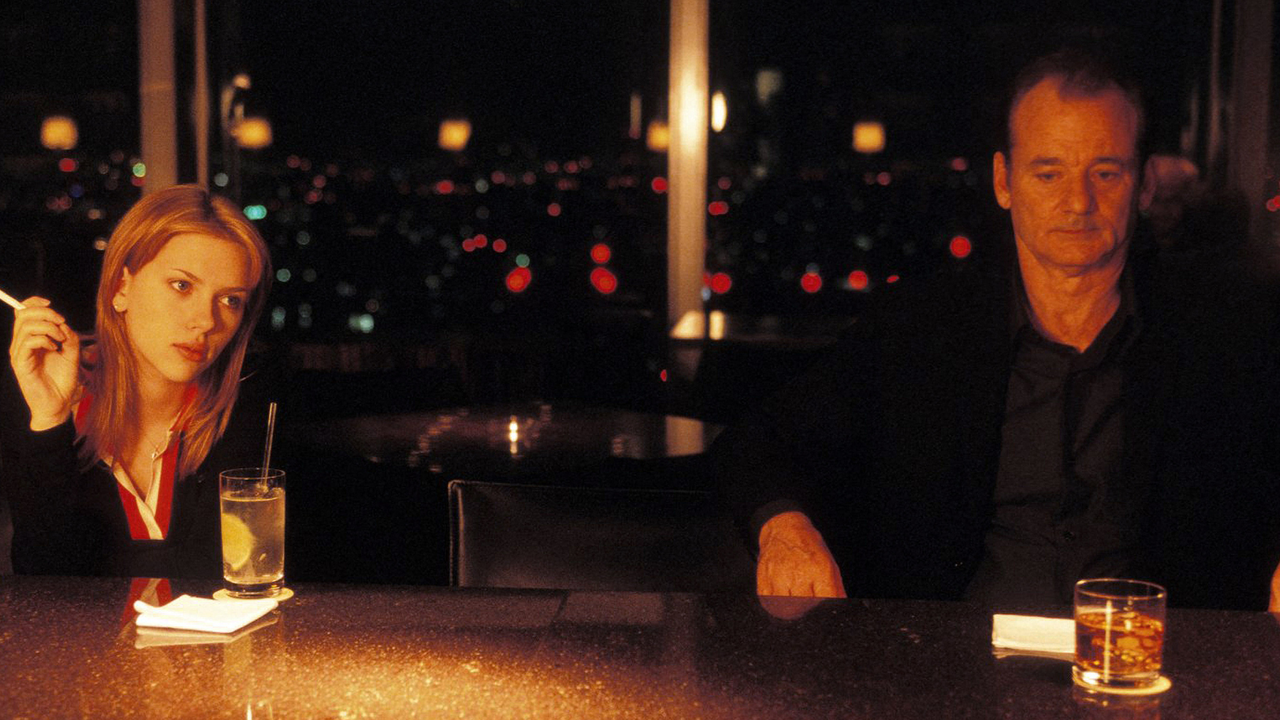
    Very few films depict the “isolation of finding yourself alone in a big city desperate for connection” as “brilliantly” as “Lost in Translation”, said Condé Nast Traveller. The story follows failing actor Bob (Bill Murray) and Charlotte (Scarlett Johansson), the “lonely young wife” of a photographer, who meet in a bar (pictured above) and engage in “late-night chats in hotel rooms, and spontaneous adventures around Tokyo”. Fans of the film flocked to the Park Hyatt Tokyo in an attempt to “experience the same kind of romance and melancholy at the dimly lit” bar on the 52nd floor.

    Armani Hotel Dubai
    The Armani Hotel was the backdrop for “one of cinema’s most vertigo-inducing stunts” when Tom Cruise famously scaled its exterior for scenes in “Mission: Impossible – Ghost Protocol”, said Lela London in GQ. The property, housed within the famous Burj Khalifa building, “still trades on that spectacle”. The interiors are as impressive as the striking exterior, with “muted palettes and bespoke furniture designed by Giorgio himself”. The “sweeping views over Dubai” are also an undeniable draw.


    Statistic of the day

    16%: The rise in cancer rates among females aged between 15 and 49 in Europe in the past two decades. Cases increased from 143.8 to 166.6 per 100,000 women between 2000 and 2022, according to a new report by the Organisation for Economic Co-operation and Development. The rate among men of the same age remained unchanged at 97 per 100,000.


    instant opinion

    Today’s best commentary

    Starmer’s Chinese takeaway leaves a nasty taste
    Eliot Wilson in City A.M.
    “The prime minister returns from China a rather diminished figure,” writes Eliot Wilson. “Pursuing relations” with Beijing is “an extraordinarily demanding task” and Keir Starmer is simply “not good enough to achieve it”. Downing Street is “trumpeting” the “modest” trade deals agreed, but Beijing “continues to engage in espionage, subversion and territorial expansionism at the expense of the West” and particularly the UK. Starmer “looks like a man who has been mugged”.

    Green voters don’t care about the environment
    Louisa Dollimore in The New Statesman
    The Green Party’s “identity is being reshaped”, writes Louisa Dollimore of the Good Growth Foundation think tank. “Zack Polanski talks far less about carbon targets” and “sustainability” and “far more about the cost of living” and “a political system rigged in favour of elites”. It’s working – but “there’s a catch”. Councils run by Greens are “nimby-ish” and resistant to change, exposing a dangerous “gap” between what new party voters want “and what Green politicians are willing to do to deliver it”.

    Every woman will recognise the same awful thing from these latest Epstein photos
    Victoria Richards in The Independent
    “The latest, lurid photographs of the former prince” Andrew make me “want to weep”, writes Victoria Richards. “I want to scoop up my daughter” and keep her “from harm at the hands of men like this”. We see their type “everywhere”, men who have “sought to hurt” us. I look at the newly released images of Andrew hunched “over the body of a woman” and it “feels like a violation” – like seeing the images of a “drugged” Gisèle Pelicot.


    word of the day

    Rollercoaster

    Gold prices have been on some wild ups and downs in recent days. There was a “blistering rally” in early January and then, on Friday, prices suffered their steepest one‑day decline in years, said The Telegraph. Today, gold is up again, on track for its biggest one-day jump since 2008. This “rollercoaster market” has wreaked “havoc” on pawnbrokers, scrap merchants and jewellers who are holding on tight for the ride.


    Evening Review was written and edited by Hollie Clemence, Rebecca Messina, Irenie Forshaw, Will Barker, Harriet Marsden, Chas Newkey-Burden, Deeya Sonalkar, Adrienne Wyper, Helen Brown and Kari Wilkin, with illustrations from Stephen Kelly and Julia Wytrazek.

    Image credits, from top: illustration by Stephen Kelly / Getty Images; Matt Walford / Getty Images; illustration by Julia Wytrazek / Getty Images; Joe Raedle / Getty Images; Moviestore Collection Ltd / Alamy

    Morning Report and Evening Review were named Newsletter of the Year at the Publisher Newsletter Awards 2025
     

    Recent editions

    • Evening Review

      Regime change in Cuba?

    • Morning Report

      New Epstein files rebut denials

    • Sunday Shortlist

      Shrewd survival

    VIEW ALL
    TheWeek
    • About Us
    • Contact Future's experts
    • Terms and Conditions
    • Privacy Policy
    • Cookie Policy
    • Advertise With Us
    • FAQ
    Add as a preferred source on Google

    The Week is part of Future US Inc, an international media group and leading digital publisher. Visit our corporate site.

    © Future US, Inc. Full 7th Floor, 130 West 42nd Street, New York, NY 10036.