The Week The Week
flag of US
US
flag of UK
UK
https://cdn.mos.cms.futurecdn.net/flexiimages/jacafc5zvs1692883516.jpg

SUBSCRIBE & SAVE

Less than $3 per week

Sign in
  • View Profile
  • Sign out
  • The Explainer
  • The Week Recommends
  • Newsletters
  • Cartoons
  • From the Magazine
  • The Week Junior
  • Student Offers
  • More
    • Politics
    • World News
    • Business
    • Health
    • Science
    • Food & Drink
    • Travel
    • Culture
    • History
    • Personal Finance
    • Puzzles
    • Photos
    • The Blend
    • All Categories
  • Newsletter sign up Newsletter
  • The Week Evening Review
    Kremlin poisonings, foster care crisis, and Hollywood showmances

     
    THE EXPLAINER

    Alexei Navalny and Russia’s history of poisonings

    Experts from five European countries have concluded that Russian opposition leader Alexei Navalny was poisoned with the toxin epibatidine, after traces were found in samples taken from his body.

    Moscow has dismissed the conclusions about the cause of his death two years ago in a Siberian penal colony as “necro-propaganda”. But the use of poison to eliminate enemies “has become less a medieval cliché” than Russia’s current “geopolitical signature flourish”, said NBC.

    How has Russia used poison?
    Credible reports of a Soviet “poison programme” stretch far back as the 1920s. In 1978, the West was shocked by the death of Bulgarian dissident Georgi Markov, killed by a ricin-filled pellet believed to have been fired from the tip of an umbrella by Soviet assassins on Waterloo Bridge.

    More recently, pro-Western Ukrainian presidential candidate Viktor Yuschenko was left permanently disfigured by a 2004 dioxin attack, and Russian defector Alexander Litvinenko died in 2006 after drinking tea laced with radioactive polonium-210 at a London hotel. In 2018, two Russian GRU agents were implicated in the novichok attack on former spy Sergei Skripal and his daughter in Salisbury. 

    Why poison?
    The advantage of toxins is “their deniability and terror”, said The Times. They send a “very clear message”, a security source told the paper. Not only can the state kill, “it can do so without ever admitting it has done anything at all”.

    The toxin said to be used in Navalny’s fatal poisoning is secreted from the skin of the Ecuadorian poison dart frogs and leads to an “agonising death”, said Sky News. If the Kremlin “did choose to use such an exotic substance to silence a critic, it demonstrates an unusual level of ruthlessness”.

    Will there be any consequences?
    European ministers have reported the results of the lab tests on the Navalny samples to the Organisation for the Prohibition of Chemical Weapons. The hope is that “greater scrutiny“ will “deter the Kremlin” from poison attacks overseas, said Sky News. 

    For now, said The Independent, the “main international consequence” will be that America’s European allies refuse to “swallow” any Donald Trump-brokered peace plan for Ukraine that appears to reward Vladimir Putin, said The Independent. “Poison, it turns out, can be a boomerang.”


    TODAY’S BIG QUESTION

    Can foster care overhaul stop ‘exodus’ of carers?

    Up to 10,000 new places for vulnerable children will be created by 2029 as part of an £88 million plan to overhaul England’s fostering system.
    Increasing the number of foster carers is an “urgent priority”, said Josh MacAlister, minister for children and families. But experts say recruiting more carers won’t ease the retention crisis that is driving the shortfall.

    What did the commentators say?
    “The foster care system in this country is collapsing,” said Mary Wakefield in The Spectator. Every year, the pool of people prepared to care for vulnerable children shrinks. Around 60% of foster carers say they are considering or have already decided to withdraw from the system, owing to “what they describe as burnout and unbearable stress”.

    Several of the government’s proposals target the “support systems” that surround carers, said The Guardian. The plans include stronger collaboration between councils; grants for experienced carers to extend their homes to take on additional children; and specialist placements for young people on remand, “as an alternative to custody”.

    But “how are we meant to afford to do this?” said Nick Martin on Sky News. Foster carer fees “vary wildly”, yet often amount to “well below the minimum wage for what is effectively a 24/7 job” – and a very stressful one. Private agencies are another “elephant in the room”. They typically pay carers far more than local authorities, “at far greater cost to the public purse”.

    What next?
    There are “significant gaps” in the plan, said The Guardian. “It is unclear who will lead and sustain” the proposed reforms, and there is “little sign of firm action” on the “excessive profits” earned by private providers.

    The future of the care system rests on whether the government is “willing to confront the uncomfortable truth”, said Martin: that fostering “relies on goodwill, personal sacrifice, and carers quietly subsidising the state”. Unless that changes, “no amount of branding, roadshows or recruitment slogans is likely to stop the slow, steady exodus from a system many say is already at breaking point”.


    QUOTE OF THE DAY

    “He kept the dream alive and taught young children from broken homes, like me, that we don’t have broken spirits.”

    The Reverend Al Sharpton pays tribute to fellow civil rights activist Jesse Jackson, who died this morning at the age of 84. The protégé of Martin Luther King Jr continued protesting against racial injustice into the era of Black Lives Matter.


    Poll watch

    The majority of Brits (65%) are against introducing US-style “jaywalking” laws that could see pedestrians fined for crossing roads anywhere other than at designated crossings, a YouGov poll of 6,407 people suggests. Advocates say such laws would make UK streets safer amid the rise of driverless cars.


    IN THE SPOTLIGHT

    Are Hollywood ‘showmances’ losing their shine?

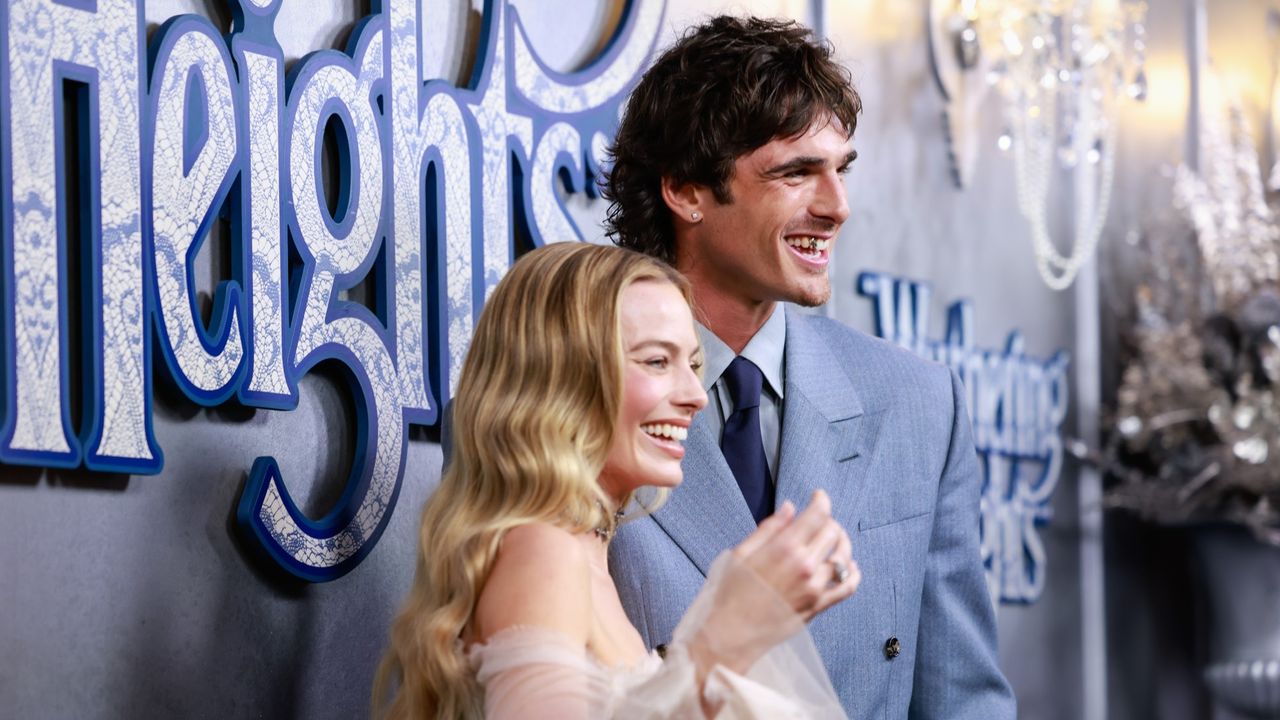
    “Sporting matching signet rings” engraved with “poetics about their twinned souls”, Margot Robbie and Jacob Elordi are the latest on-screen lovers hinting at off-screen romance, said The Times. Yet “this is not a case of life imitating art” – Robbie has been married to producer Tom Ackerley since 2016. What we’re seeing is a “showmance”: “a relationship cultivated by two stars to catapult a film into the zeitgeist”.

    ‘Planet Vomit’
    Even before “Wuthering Heights” hit UK cinemas, the “Byronic showmance” between its stars was “moving at warp speed to Planet Vomit”, said The Telegraph. During the promotional campaign, Elordi and Robbie have been “wrapped around each other like poison ivy, waxing lyrical about their ‘mutual obsession’”.

    They have “tried really, really hard to make everyone think they are besotted lovers”, rather than “professional colleagues with a product to sell”, said The Guardian. Is this how stupid the film industry thinks we become? Even platonic friendship isn’t safe – while promoting “Wicked”, Ariana Grande and Cynthia Erivo were “clinging to each other” and “sobbing like they’d just watched their childhood houses burn down”. Long gone are the days when “an actor’s performance began with the opening credits and ended when the lights went up”.

    ‘Fabricated pairings’
    Hollywood has been playing this game since its Golden Age, when big studios such as MGM and Universal often made their stars participate in “fabricated romantic pairings” to promote movies, said The Times – or sometimes to “deflect rumours” about their sexuality. Today’s showmances are less formal, Hollywood marketing agent Stacy Jones told the paper. It’s all “about amplifying chemistry that already feels believable”.

    But toying with audiences like this can backfire. Many people “seemed genuinely moved” when Liam Neeson and Pamela Anderson appeared to have fallen for one another while making “The Naked Gun”, said Slate – only for the whole affair to be revealed as a “sloppily executed” showmance as soon as the promotional tour was over. “If you’re going to fake a relationship, celebs, could you just be prepared to stick it out at least until the movie goes to streaming?”


    Good day 🎛️

    … for experimental music, after electronic artist Look Mum No Computer was chosen to represent the UK in May’s Eurovision Song Contest. “I find it completely bonkers to be jumping on this wonderful and wild journey,” said the YouTuber, whose real name is Sam Battle. Getting to “fly the flag for the UK is an absolute honour”.


    Bad day 🥖

    … for traditional bakeries, as one of Paris’s most venerable boulangeries goes into receivership. Poilâne owner Apollonia Poilâne, whose grandfather founded the chain in 1932, said that declining bread consumption in France and competition from trendier rivals had eaten into the company’s profits, along with rising labour and flour costs.


    picture of the day

    Grief and anger

    A woman draped in the Iranian flag confronts an official during a ceremony at a Tehran mosque commemorating the thousands killed in last month’s anti-government protests. Memorials are being held nationwide to mark the 40th day of mourning, a milestone in Shia Islam.

    Atta Kenare / AFP / Getty Images


    Puzzles

    Guess the number

    Try The Week’s new daily number challenge in our puzzles and quizzes section

    Play here


    THE WEEK RECOMMENDS

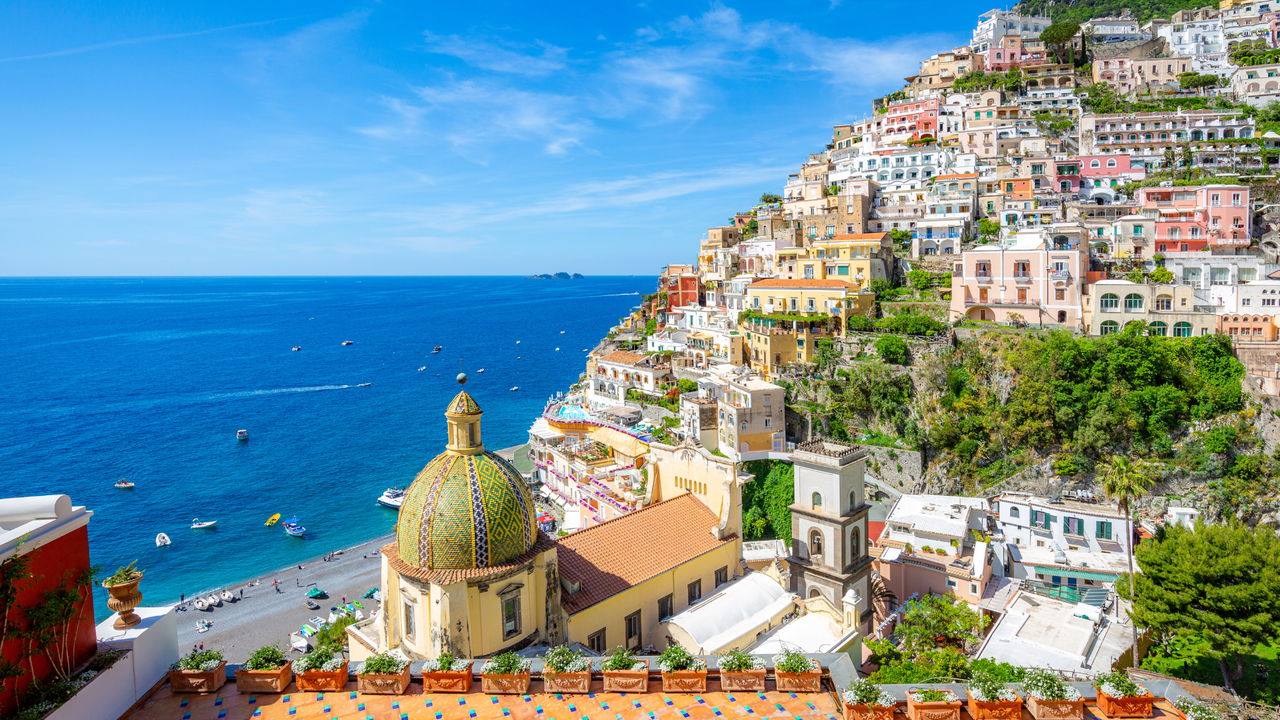
    A dreamy long weekend on the Amalfi Coast

    With its pretty pastel houses, shimmering blue water and rugged hills, few places are quite as beautiful as the Amalfi Coast. Spring is a wonderful time of year to visit, before the crowds descend during peak holiday season. 

    What to do
    Ravello, “the region’s dreamiest hill town”, is a great place to start an Amalfi Coast mini-break, said Louise Roddon in The Times. Wander through the medieval streets, then stop by at “the elaborate villas of Rufolo and Cimbrone, each set within highly romantic gardens”. A trip to the “mesmerising ruins” of Pompeii is also a must, said Helena Smith in Lonely Planet.

    If you don’t fancy navigating the “squiggly hairpin bends” of the region’s famed coastal road yourself, hop on the Sita bus to relax while you soak up the views of “lemon groves, pine-fringed bays, Saracen towers and pretty villages”, said Elise Taylor in Vogue.

    Where to stay
    If you’re seeking “unparalleled” views, the Caruso Belmond Hotel is a safe bet, said Taylor in Vogue. Located on a cliff overlooking the coast in Ravello, the “dazzling historic gem” is set within an 11th-century former palace. Sipping a Caruso spritz on one of the hotel’s sun loungers while looking out at the sea is “about as close to paradiso as it gets”. 

    There are some excellent “mid-range B&Bs” too, said Smith in Lonely Planet. Stand-out options include “Casa Giovanni da Procida, prettily perched La Fenice in Positano and hillside Ercole di Amalfi, just outside Amalfi town”. 


    Statistic of the day

    16.1%: The percentage of people aged between 16 and 24 who were out of work in the last three months of 2025, according to latest Office for National Statistics data. The overall UK unemployment rate rose to 5.2% – the highest in nearly five years.


    instant opinion

    Today’s best commentary

    The AI panic ignores something important – the evidence
    Parmy Olson on Bloomberg
    Investors are “getting whiplash” from “market turmoil” around AI, an industry “trading on vibes and anecdotes”, writes Parmy Olson. One minute it’s “overhyped”; the next, we’re verging on machines outsmarting humans. Yet “through all these narrative swings, the underlying data hasn’t changed”. We should acknowledge that no one has “any idea what is around the corner” and that AI’s “impact will be uneven” and “impossible to predict”. That’s “unlikely to go viral” but it’s the truth.

    I’ve just turned 50. In my lifetime nearly everything in Britain has got better
    James Kirkup in The Telegraph
    Britain “desperately needs” some optimism, writes James Kirkup. Apparently, voters can’t “think of a single reason to be cheerful”, and no political party seems to believe “things can and will get better”. But statistics show Britain’s “long-term arc” bending “towards improvement”: life here “is enormously better than it was” when I was born 50 years ago. We should “challenge the ‘Broken Britain’ narrative” and “tell a story of a country that is fundamentally good and strong”.

    Don’t bet against Angela Rayner
    John Oxley on UnHerd
    The “Westminster gossip mill” about Keir Starmer’s successor “continues to turn”, writes political strategist John Oxley. Tax investigations aside, Angela Rayner is “well placed for a crack at the leadership” and “could be a Lefty Thatcher: striking, principled, and loved – by her side, at least – for her pugnacity”. Her “polarising nature would normally be a weakness” but in this “age of divisive politicians”, she might offer Labour “what it currently lacks: a sense of identity”. 


    word of the day

    Kartoffel-Flut

    German for “potato flood”, the scenario facing the EU’s top producer of spuds following a bumper harvest. Tonnes of potatoes are being given away to food banks, schools and homeless shelters across the country, as the Kartoffel-Flut leaves farmers struggling with the cost and logistics of storing their surplus produce.


    Evening Review was written and edited by Rebecca Messina, Harriet Marsden, Chas Newkey-Burden, Elliott Goat, Irenie Forshaw, Natalie Holmes, Helen Brown and Kari Wilkin, with illustrations from Julia Wytrazek.

    Image credits, from top: illustration by Julia Wytrazek / Getty Images; Justin Paget / Getty Images; Hanna Lassen / Getty Images; Atta Kenare / AFP / Getty Images; Francesco Riccardo Iacomino / Getty Images

    Morning Report and Evening Review were named Newsletter of the Year at the Publisher Newsletter Awards 2025
     

    Recent editions

    • Sunday Shortlist

      Desert survival

    • Saturday Wrap

      Bezos shreds the news

    • Evening Review

      Democrats make partisan lemonade

    VIEW ALL
    TheWeek
    • About Us
    • Contact Future's experts
    • Terms and Conditions
    • Privacy Policy
    • Cookie Policy
    • Advertise With Us
    • FAQ
    Add as a preferred source on Google

    The Week is part of Future US Inc, an international media group and leading digital publisher. Visit our corporate site.

    © Future US, Inc. Full 7th Floor, 130 West 42nd Street, New York, NY 10036.