The Week The Week
flag of US
US
flag of UK
UK
https://cdn.mos.cms.futurecdn.net/flexiimages/jacafc5zvs1692883516.jpg

SUBSCRIBE & SAVE

Less than $3 per week

Sign in
  • View Profile
  • Sign out
  • The Explainer
  • The Week Recommends
  • Newsletters
  • Cartoons
  • From the Magazine
  • The Week Junior
  • Student Offers
  • More
    • Politics
    • World News
    • Business
    • Health
    • Science
    • Food & Drink
    • Travel
    • Culture
    • History
    • Personal Finance
    • Puzzles
    • Photos
    • The Blend
    • All Categories
  • Newsletter sign up Newsletter
  • The Week’s Saturday Wrap
    A dance of death in Morocco, a bunker for billionaires, and a novelistic history of the Murdochs

     
    FILM

    Sirat

    A father’s desperate search goes deeply sideways.

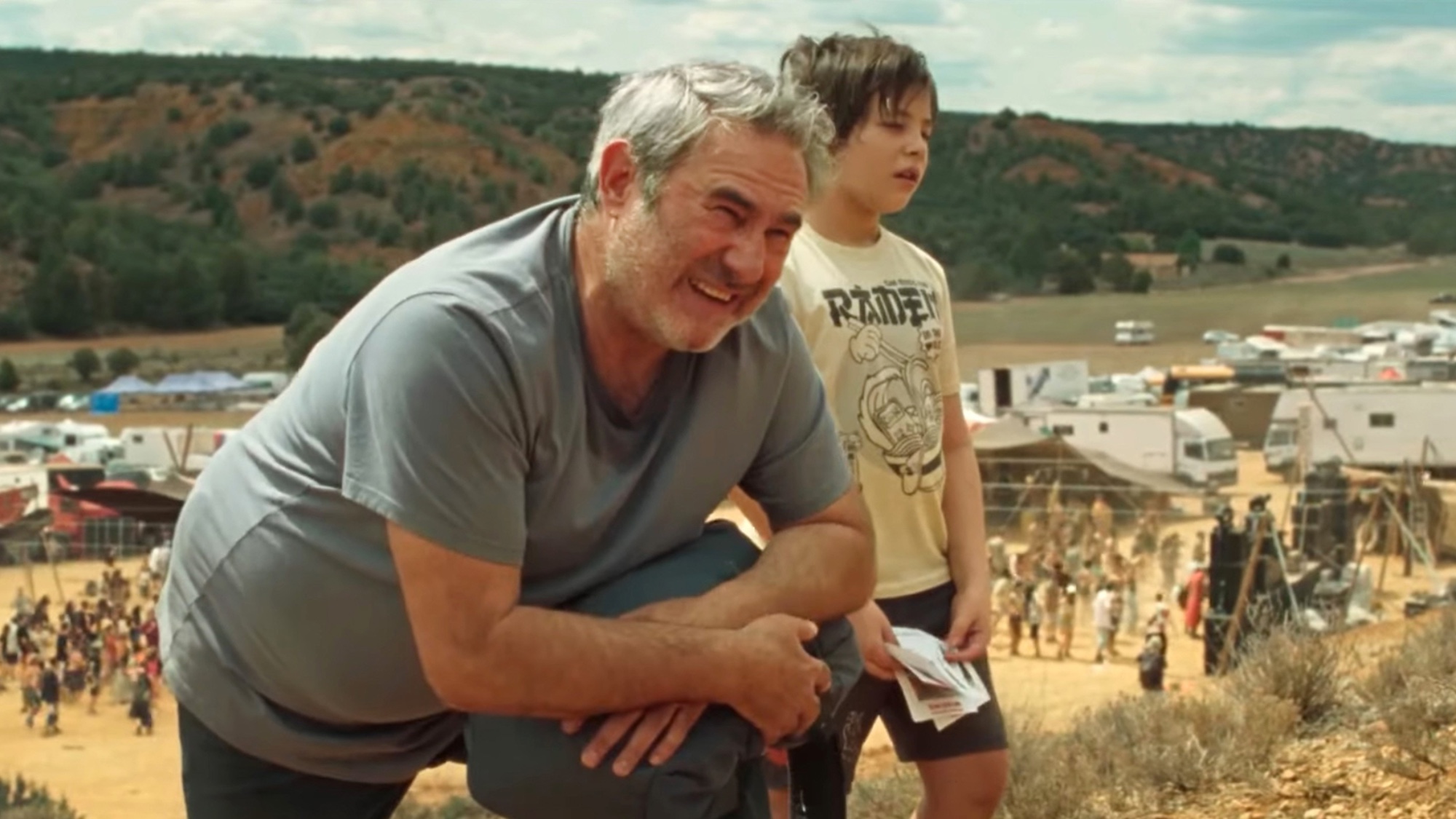
    “You might have a few reasonable guesses where this story is headed. They’re probably wrong,” said Amy Nicholson in the Los Angeles Times. Spain’s “punkish, prankish, and strangely existential” contender for the Best International Feature Oscar opens with a rave in the Moroccan desert at which we see a father and his young son asking the whacked-out revelers whether any have seen the boy’s missing older sister. The party is then broken up by soldiers bearing the news that something like World War III has broken out, and suddenly, Oliver Laxe’s “taut and riveting” drama is tracking the father, his son, and a break-off group of ravers racing farther into the desert. Though the movie “begins in exhilaration and concludes in despair,” said Justin Chang in The New Yorker, its narrative “takes off like a shot” and never flags while its “mysterious” power emanates from the makers’ “tough-minded understanding” that human kindness is “rare yet persistent,” even in the direst circumstances. “Laxe offers a much too literal takeaway during the film’s final moments,” said Natalia Keogan in the A.V. Club. “But as the cliché advises, it’s the journey Sirat takes us on that merits appreciation.” And if the world is truly ending, “maybe one last party, one last dose of serotonin, isn’t such a bad send-off.”


    tv review

    Paradise

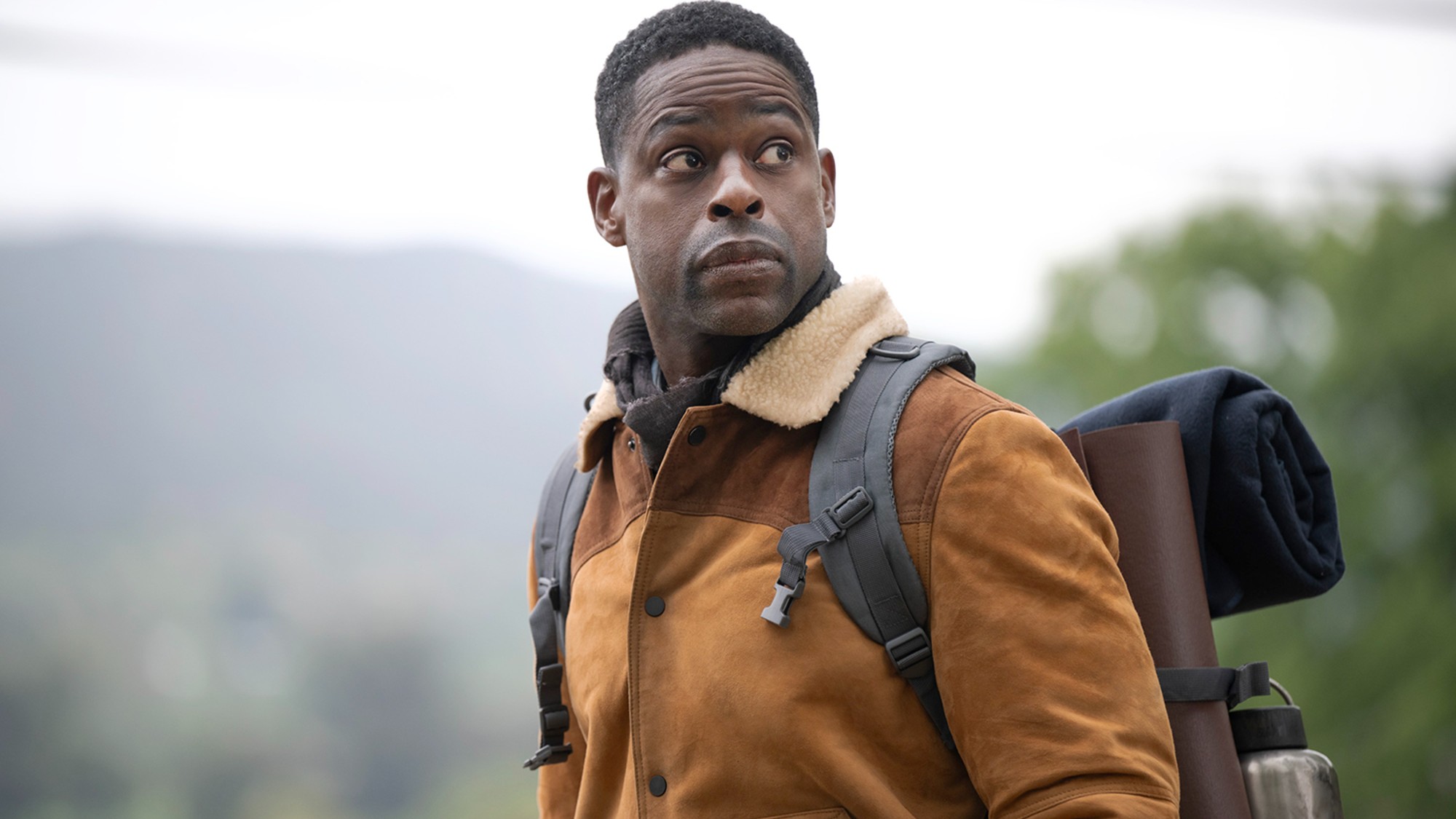
    It’s been trouble in Paradise from the beginning. The assassination of President Cal Bradford was but a jumping-off point in this high-concept thriller series. Turns out, the planet is in ruins and the characters viewers have been watching, notably Sterling K. Brown’s Secret Service agent Xavier Collins, have been living and working inside a massive bunker built for billionaires. As Season 2 begins, Collins is above ground searching for his wife, who somehow survived the apocalypse. Meanwhile, Julianne Nicholson’s bunker mastermind seeks to reassert control of her project after taking a bullet. Monday, Feb. 23, Hulu


    FOOD & DRINK

    Instant coffee: Getting better

    “Instant coffee tends to get a bad rap,” said Amelia Schwartz in Food & Wine. But some are now nearly as delicious as drip coffee; “you just have to find the right brand.” Our tasting panel tested 13 widely available options and arrived at the following top three, all great choices when you need the convenience of instant. 

    Starbucks Medium Roast Premium Instant ($10) 
    Made with the same arabica beans that Starbucks brews in its countless cafés, our bold top pick is perhaps “a bit chalky” but otherwise “could be easily mistaken for drip.” 

    Mount Hagen Organic Fairtrade Instant ($13)
    “If you like your coffee light, floral, and fruit-forward, Mount Hagen is the instant coffee for you.” It’s “bright and acidic, with notes of sour cherries.” 

    Café Altura Instant Organic ($15)
    While some testers judged the taste of this instant too aggressive, it’s the one to go with if you like your coffee “dark, toasty, and chocolatey.”


    BOOK OF THE WEEK

    Bonfire of the Murdochs: How the Epic Fight to Control the Last Great Media Dynasty Broke a Family—and the World

    by Gabriel Sherman

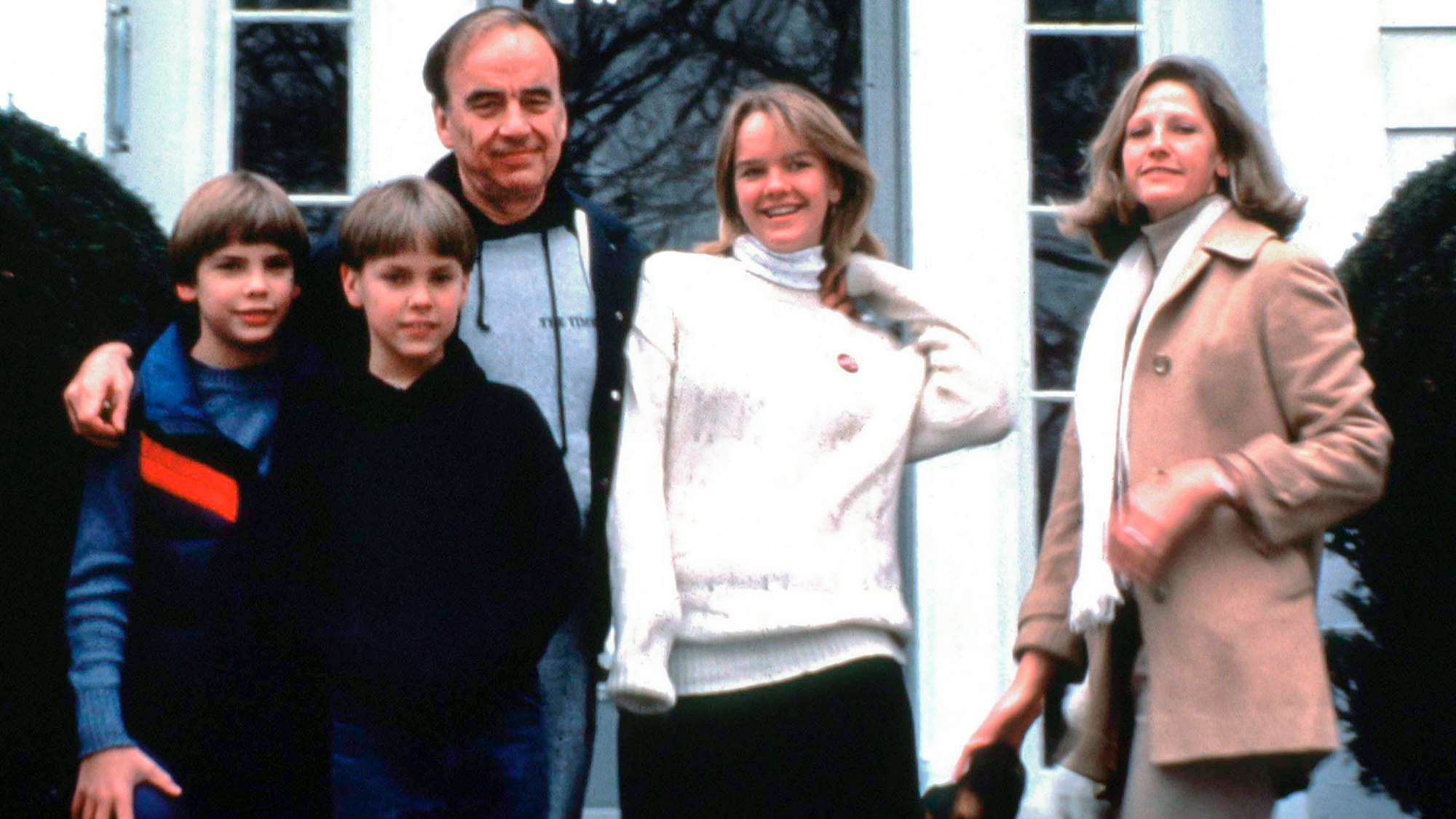
    Not merely a great read, Gabriel Sherman’s brief new history of the Murdoch family is also “a brilliant guide to how not to love your children,” said Matthew Lynn in The Washington Post. At the heart of Sherman’s story, of course, stands Rupert Murdoch, who inherited an Australian newspaper at age 21 and built from it a global media empire that, particularly by way of Fox News, has remade the U.S. news landscape and, in Sherman’s view, fueled the rise of Donald Trump. In recent decades, Murdoch, now 94, has subjected his oldest adult children to withering takedowns and has also pitted them against one another. But while the veteran journalist has done “a magnificent job” of getting inside the family feud, “there is a flaw at the narrative’s heart,” because he ignores business logic by presenting the children who hoped to abandon Fox’s conservative tilt as the two who deserved to win. 

    Whether you’re rooting for Liz, Lachlan, or James among Rupert’s potential heirs, “it’s a wonder all three are not in a psych ward,” said Tina Brown in The Observer (U.K.). “The great benefit of Bonfire of the Murdochs is its brevity,” because the distillation brings out Rupert’s repeated ruthlessness in matters of both business and family. Now on his fifth marriage, he has dumped four wives in all, including one, Jerry Hall, via a terse email. Meanwhile, he forced or lured Liz, Lachlan, and James into joining the family business, only to betray each of them. He had James take the fall for the 2011 phone-hacking scandal at the U.K. tabloid News of the World, then tasked Liz with firing her brother. And even Lachlan, who shares his father’s paleo-conservative worldview and was therefore granted control of Fox News, ultimately had to accept that much of the Murdoch empire had been sold out from under him when Rupert passed off 20th Century Fox to Disney for $71 billion in 2019. 

    There’s “something almost novelistic” in the trajectory of the Murdoch tale, said Andrew O’Hagan in The New Yorker. Rupert spent seven decades building his empire, then tore apart his family to prevent any of them from inheriting it intact, leaving his six children with payoffs of $1.1 billion each and his favored son atop Fox Corp. and News Corp. Maybe that end is fitting, because Lachlan carries on “his father’s core business insight: that great fortunes can be made from audiences who prefer their reality falsified.” Maybe Lachlan’s assumption of the throne also makes matters worse. Rupert’s British tabloids, though trashy, have at least been funny. Lachlan’s Fox News is “something darker: a purveyor of apocalyptic doom-mongering where America is a place of perpetual rape, murder, conspiracy, and terror.”


    OBITUARY

    Sonny Jurgensen

    The quarterback who made passing look easy

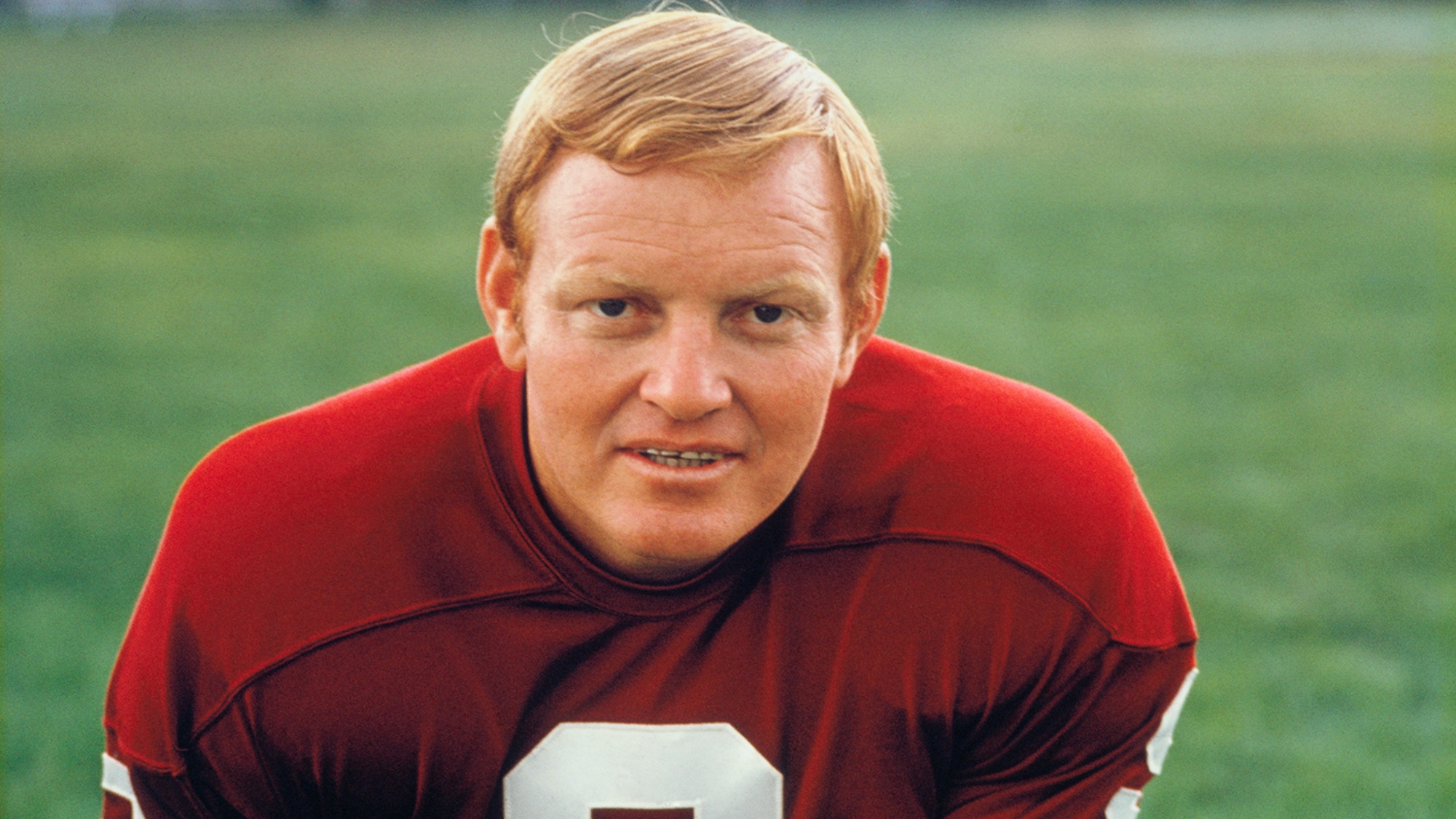
    Sonny Jurgensen’s unerring aim let him zip his passes directly past defenders in tight coverage and hit his receivers deep downfield, at a time when most quarterbacks were content to just hand off the ball. Between 1957 and 1974, while leading the Philadelphia Eagles and then the Washington Redskins, the pot-bellied, redheaded quarterback led the league in passing yards five times, tallied 255 total touchdowns, and notched five Pro Bowl appearances en route to an inevitable spot in the Pro Football Hall of Fame. An affable man who loved to party, Jurgensen sometimes butted heads with coaches who thought his play too flashy. But he clicked with the legendary Vince Lombardi, who called Jurgensen “the best I’ve ever seen” during the coach’s lone season in Washington. Jurgensen made life easy for his teammates. “All I ask of my blockers is 4 seconds,” he once said. “I beat people by throwing, not running.” 

    Christian Adolph Jurgensen III was raised in North Carolina by parents who nicknamed him Sonny “because of his ‘sunny’ disposition,” said The Washington Post. He learned how to throw a spiral by “playing catch with his mother in the front yard” and later earned a scholarship to play safety and quarterback at Duke University He didn’t get to show off his arm much for the run-heavy Blue Devils offense, but the Philadelphia Eagles liked what they saw and drafted him in the fourth round in 1957. He “emerged as a star” in 1961, said The New York Times, but a contract dispute led to his acquisition by Washington in a surprising 1964 trade between the Eastern Conference rivals. When Lombardi arrived in 1969, Jurgensen got serious, shaving off his muttonchops and shedding 10 pounds, and the coach-quarterback pair led the franchise to its first winning season in 14 years. That relationship was short-lived, however; Lombardi died from cancer the next year. 

    Injuries often limited Jurgensen’s playing time, but he remained popular and retired after the 1974 season. By 1981, he’d ensconced himself in the D.C. team’s radio booth, providing color commentary alongside his former teammate Sam Huff and play-by-play man Frank Herzog. The trio “would fuss and laugh while both rooting for and criticizing the burgundy and gold,” said the Associated Press. Together they were an institution until 2004, and Jurgensen kept up his own commentating until 2019. Beloved in Washington, he embraced his everyman persona. Fans, he once said, “could point to the television and say, ‘Look at that guy. If he can play, I can play.’”


    Sunday Shortlist was written and edited by Susan Caskie, Ryan Devlin, Chris Erikson, Chris Mitchell, Tim O’Donnell, and Matt Prigge.

    Image credits, from top: Neon / Everett; Hulu; Getty; Getty
     

    Recent editions

    • Saturday Wrap

      Bezos shreds the news

    • Evening Review

      Democrats make partisan lemonade

    • Morning Report

      Trump torches America’s climate change policy

    VIEW ALL
    TheWeek
    • About Us
    • Contact Future's experts
    • Terms and Conditions
    • Privacy Policy
    • Cookie Policy
    • Advertise With Us
    • FAQ
    Add as a preferred source on Google

    The Week is part of Future US Inc, an international media group and leading digital publisher. Visit our corporate site.

    © Future US, Inc. Full 7th Floor, 130 West 42nd Street, New York, NY 10036.