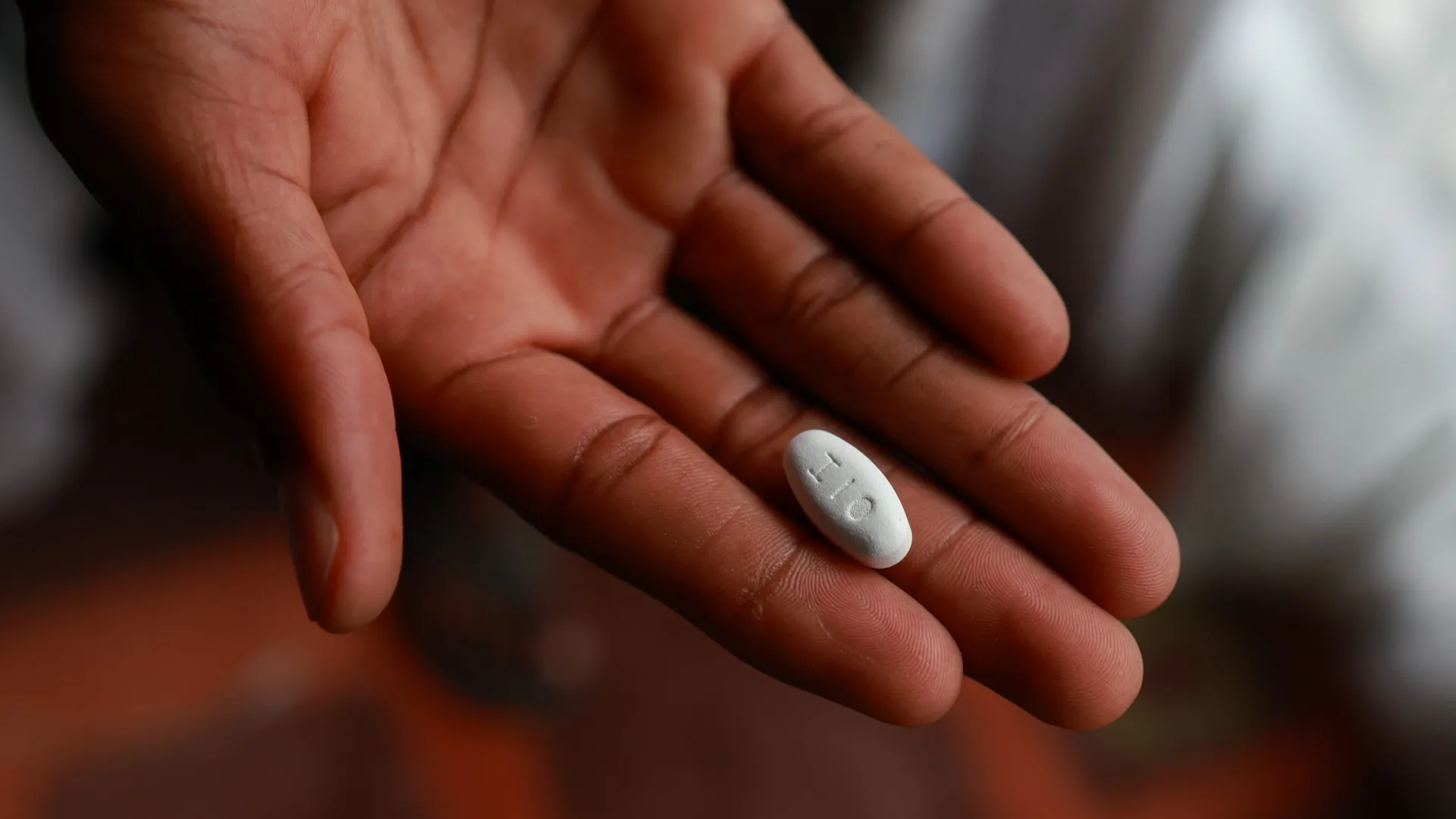
A new single-pill HIV treatment has proved as effective as a course of up to 11 tablets a day in suppressing the virus in hard-to-treat patients. It’s a “potential breakthrough for a growing cohort of long-term HIV survivors” who are resistant to standard treatments and struggle with complex medication schedules, said the Financial Times. Along with a twice-yearly jab to prevent HIV infection, this represents the “latest advance in a scientific ‘golden age’ for treating the virus,” even as wealthy countries cut their funding.
How effective is the new single-dose pill?
In a study spanning 15 countries, researchers recruited more than 550 people living with HIV for whom conventional therapies were no longer effective. They had a median age of 60, many had other health conditions, and their HIV treatment involved taking between three and 11 pills a day.
For the research, they were randomly assigned to continue their treatment or switch to the new single pill. Almost 96% of those who switched continued to suppress the virus, without new signs of drug resistance, according to results published in The Lancet. That was a similar rate to the control group that stayed on a more complicated multi-pill treatment. And the “switchers” found the new regimen easier to follow and experienced a decrease in some side effects, such as elevated cholesterol levels.
The findings are “game-changing” for people who have lived with the virus for decades and have conditions “associated with aging,” said study lead Chloe Orkin, a professor of infection and inequities at Queen Mary University of London.
How do the HIV-preventive injections work?
A twice-yearly jab of lenacapavir was shown in 2024 clinical trials to be 100% effective at preventing new HIV infections. An injection like this has a clear advantage over daily prevention pills in poorer countries, where patients, particularly young women, might struggle to access clinics or feel stigmatized for seeking treatment. The World Health Organization recommended the jab last year, when Director-General Tedros Adhanom Ghebreyesus described it as the “next best thing” to an HIV vaccine.
There was initial concern that the drug would not be affordable in poorer countries, but manufacturer Gilead then granted licenses to six manufacturers to produce generic versions of the drug in 120 low- and middle-income countries at $40 per patient per year. This is a “historic breakthrough,” said Philippe Duneton of the Unitaid global health initiative. |