The Week The Week
flag of US
US
flag of UK
UK
https://cdn.mos.cms.futurecdn.net/flexiimages/jacafc5zvs1692883516.jpg

SUBSCRIBE & SAVE

Less than $3 per week

Sign in
  • View Profile
  • Sign out
  • The Explainer
  • The Week Recommends
  • Newsletters
  • Cartoons
  • From the Magazine
  • The Week Junior
  • Student Offers
  • More
    • Politics
    • World News
    • Business
    • Health
    • Science
    • Food & Drink
    • Travel
    • Culture
    • History
    • Personal Finance
    • Puzzles
    • Photos
    • The Blend
    • All Categories
  • Newsletter sign up Newsletter
  • The Week Evening Review
    The Middle East erupts, activating the vagus nerve, and Russia’s nukes in space

     
    TODAY’S BIG QUESTION

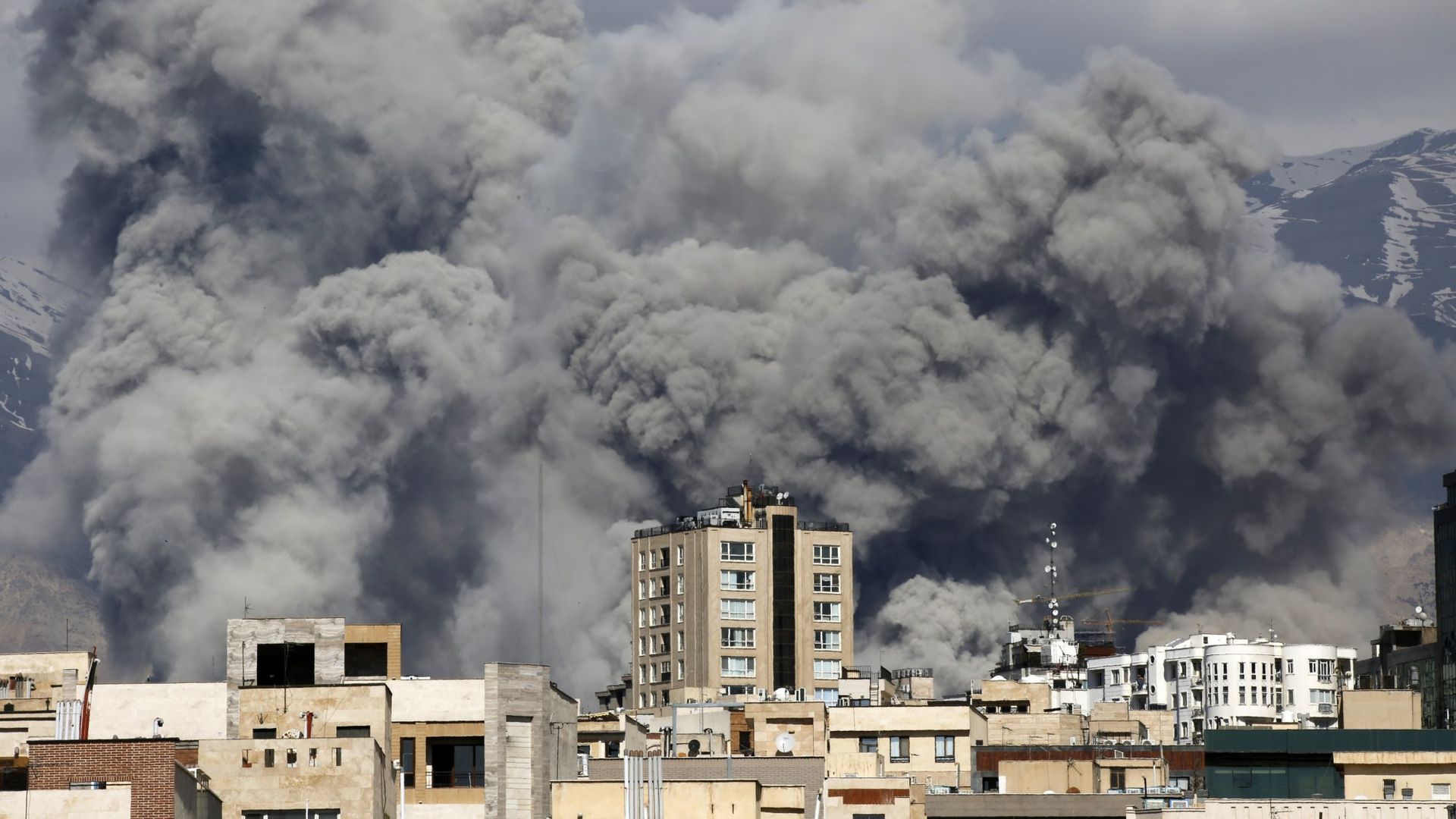
    How long will the Middle East attacks last?

    Donald Trump has said strikes on Iran could continue for “four to five weeks” and “it won’t be difficult” for the US and Israel to maintain the intensity of the battle.

    But “what happens in Iran doesn’t stay in Iran”, said the Atlantic Council. The consequences of US and Israeli-led military campaigns “will radiate across the region and the world”.

    What did the commentators say?
    Trump has said he “will talk” to Iran’s leaders, but amid the attacks and Tehran’s “retaliation” across the Middle East, said Robert Tait in The Guardian, “that might not be easy”. The lack of an obvious plan and failure of diplomatic talks could lead the US into a “long-lasting” and “open-ended” conflict.

    The president has offered several “contradictory visions” of a new regime and the means of achieving it, said The New York Times. Despite warnings from his advisers that there are “vast differences in cultures and history” between the two nations, Trump “appears enamoured of using a Venezuela-like model in Iran”. He told the newspaper yesterday that “what we did in Venezuela, I think, is the perfect, the perfect scenario”.

    But attacking Iran – which has a population three times larger than Venezuela’s – is considered “far more complex and risky” than the kidnapping of Nicolás Maduro, not least because it has “sustained an active nuclear programme”, the paper said. 

    The killing of Ayatollah Ali Khamenei has “left the regime reeling” in Iran, said Gideon Rachman in the Financial Times, but it “does not answer the question of what comes next”. The hope is that by removing the Iranian regime’s leader, the nation will spark into “organic and spontaneous transition to a new political system”, but “there is little reason to believe that will work”.

    Iran’s response to the attacks “may expand beyond the ballistic missiles it has used in the past to retaliate”, said Nancy A. Youssef and Jonathan Lemire in The Atlantic. How long the war lasts is “not up to just Trump or Israel”: it is “in the hands of both the regime and the people inside Iran”.

    What next?
    Countries in the Gulf face an “impossible choice”, said Urooba Jamal in Al Jazeera. Either they “strike back” against Iran “and risk being seen as fighting alongside Israel, or remain passive while their cities burn”.


    THE EXPLAINER

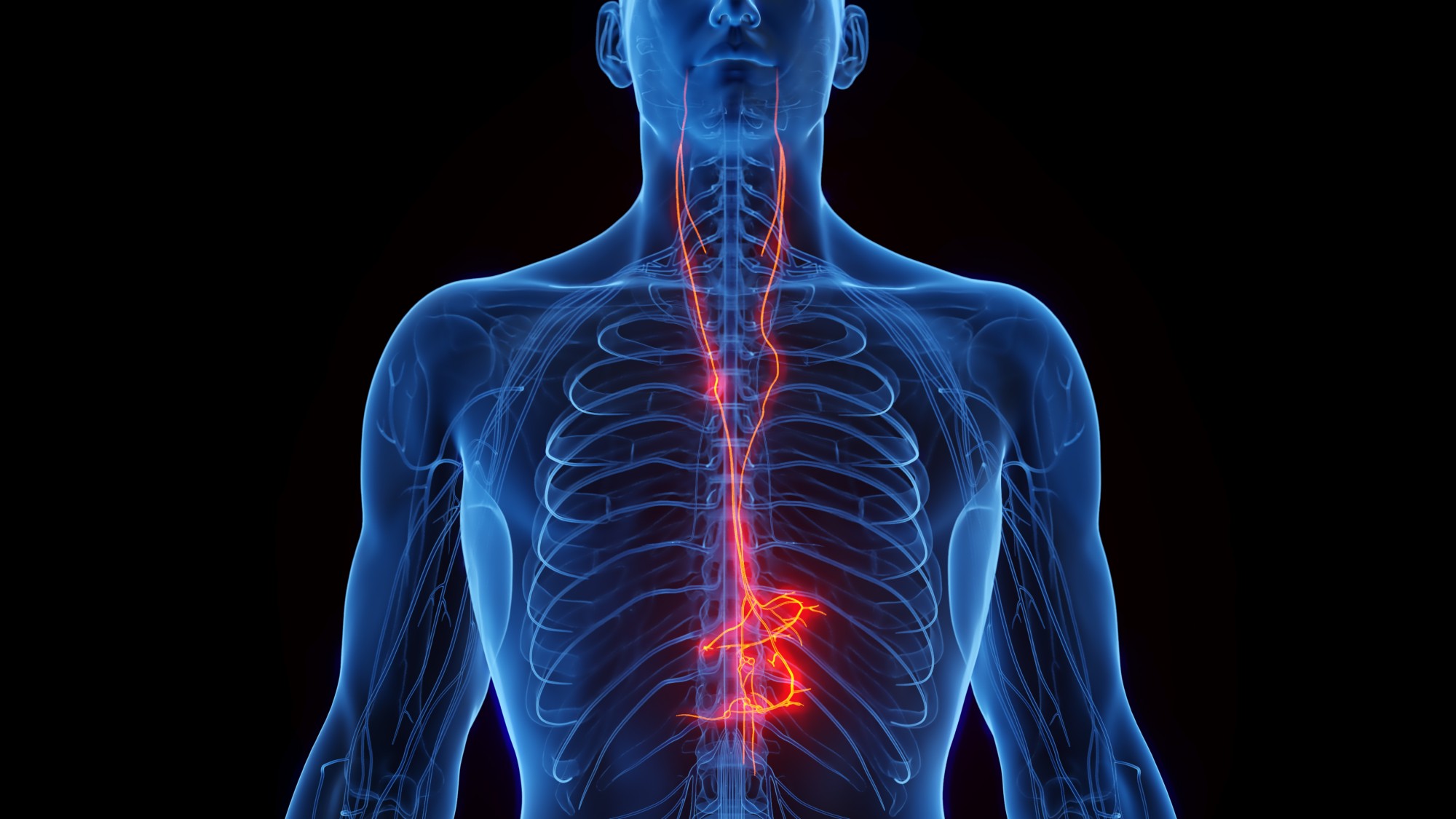
    How the vagus nerve affects your health

    A growing obsession is seeing people “hum into their phones, gargle with theatrical enthusiasm, dunk their faces into bowls of ice water, and poke at their ears”, said health experts Katie Edwards and Dan Baumgardt on The Conversation. They are all trying to “activate” their vagus nerve, the new “favourite body part” of the internet.

    Social media is abuzz with the transformational potential of vagus-nerve “training”. Stimulate it and reset it, wellness influencers claim, and you can improve your mental and physical well-being.

    What is the vagus nerve? 
    It’s the longest cranial nerve in the human body. The name derives from the Latin for “wandering”, because its two branches rove through the entire body – travelling from the brainstem down into the neck, chest and abdomen, connecting to the heart, lungs, gut and the liver. It constantly relays information from the brain to the organs and back again, and is often described as an internal communication superhighway, or our body’s intranet.

    How important is it?
    As “signal updater” between brain and body, the vagus nerve is a part of the autonomic nervous system that regulates processes that we don’t consciously control, such as heart rate, breathing and digestion. Within that system, it has a key role in the parasympathetic response – sometimes known as “rest and digest” – slowing heart rate and decreasing blood pressure. Put simply, when we feel calm, safe and relaxed, the vagus nerve is helping to make that happen. The theory is that the body can sometimes get “stuck” or spend too long in “fight or flight”, and stimulating the vagus nerve can prompt a return to calm.

    Can stimulating it make you healthier?
    Implanted devices that directly stimulate the vagus nerve have long been used to treat neurological conditions including epilepsy and treatment-resistant depression. More recently, trials of transcutaneous devices, often placed around the neck or in the outer ear, have shown promising results in treating conditions including diabetes, Crohn’s disease, fibromyalgia and irritable bowel syndrome. 

    I’m cautious about claims that the vagus nerve can be “switched on like a light”, said Arshad Majid, a professor of cerebrovascular neurology at the University of Sheffield, on The Conversation. That said, various clinical trials are taking place and the “next few years of research” could “reshape” how we treat a range of conditions. But “maybe hold off on aggressively poking your ear” for now.


    QUOTE OF THE DAY

    “I was acutely aware of the risks that come with injury and concussion, but I was happy that the reward and the joy of playing the sport far outweighed any of those.”

    Former England men’s rugby captain Lewis Moody tells a new BBC documentary that he has no regrets, after being diagnosed with motor neurone disease. There is no proven link between rugby and the muscle-wasting condition, but elite athletes are disproportionately affected.


    Poll watch

    The generation gap on phone etiquette has been greatly exaggerated, according to a YouGov poll. Of 2,257 adults quizzed, only 13% of 18- to 28-year-olds said it was unacceptable to call someone without giving them a heads-up, which was largely consistent with other generations. And only 3% of Gen Z greet callers with silence, busting another myth. 


    IN THE SPOTLIGHT

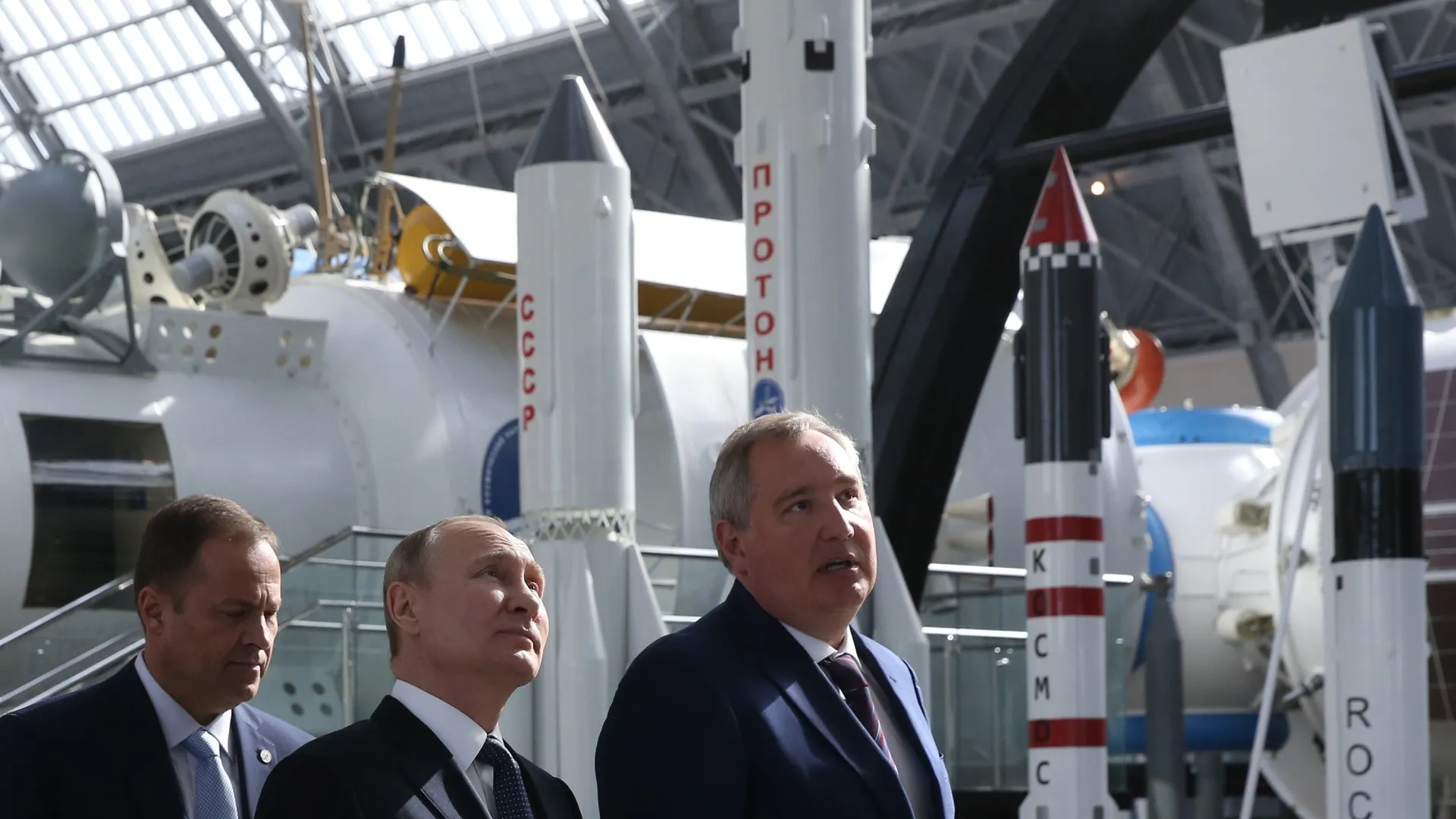
    ‘Incredibly terrible’: Russia’s nuclear weapons in space

    Russia’s plans to deploy nuclear weapons in space could be “catastrophic”, a Canadian military leader has warned on Ukraine’s news site Ukrinform. Moscow’s reported ambitions “appear quite alarming”, said Brigadier General Christopher Horner, commander of the Royal Canadian Air Force.

    Frying electronics 
    Satellite warfare has been a threat for some years, and the latest “devastating” development is the “possibility of Russia detonating a nuclear weapon in space”, said the Daily Mail. Simulated blast tests by nuclear experts at the Pentagon suggest that such an attack would destroy thousands of Western satellites. And these satellite networks are “critical to everything from banks synchronising their transactions to navigation tasks that ranged from guiding planes and ships to ensuring a pizza delivery driver finds the right address”.

    An anti-satellite nuke would “combine a physical attack that would ripple outwards, destroying more satellites”, with the nuclear component being “used to fry their electronics”, said The Associated Press. Mike Turner, a Republican member of the US Congress, warned that it could “render low-Earth orbit unusable for satellites for as long as a year” and that the effects would be “devastating”. The US and its allies could be “vulnerable to economic upheaval” and “even a nuclear attack”, Turner told the news agency. The scenario is “the Cuban Missile Crisis in space”.

    Satellite killers
    If Russia were to deploy such a “satellite-killing weapon”, it would violate the Outer Space Treaty of 1967, The New York Times said in 2024. This kind of space weaponisation from Russia and China is “one of the primary reasons” the US Space Force was established, said AP.

    Now countries are “scrambling to create their own rocket and space programmes to exploit commercial prospects and ensure they aren’t dependent on foreign satellites”, said Fortune. The US Space Force was launched in 2019 to protect US interests in space and to defend its satellites from attacks by enemies. It’s “far smaller” than the US Army, Navy or Air Force, but it’s “growing”.

    Canada’s Horner warned that his country doesn’t have the “capability” to disable a potential Russian nuclear bomb in space. So “my only advice as a military officer is to put pressure” on Moscow so that they don’t follow through with the plan, because that would be an “incredibly terrible thing”, he said.


    Good day 🧮

    … for GSCE students, who may never again have to memorise formulae and equations for maths, physics and combined sciences. Exam aids introduced post-Covid in recognition of disrupted learning were due to be withdrawn from 2028, but Schools Minister Georgia Gould has written to regulator OfQual urging that the support be made permanent.


    Bad day 🦷

    … for American parents, as the cost of funding the Tooth Fairy’s payout surges by 17% year-on-year to $5.84 per tooth – equivalent to about £4.30. Since the inception of Delta Dental’s annual Original Tooth Fairy Poll in 1998, the average cash gift left for kids has increased by 349%.


    picture of the day

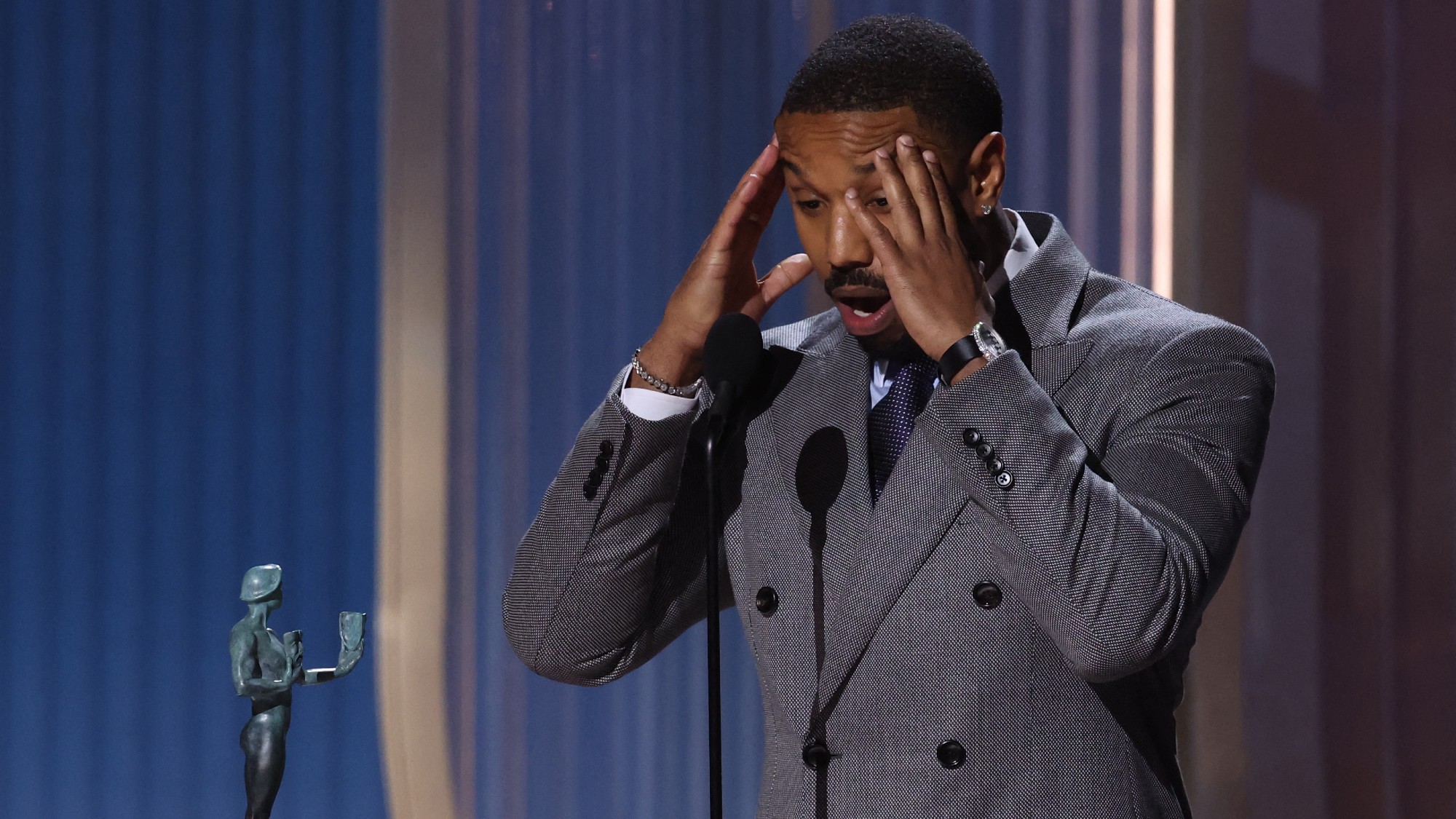
    Sinners winners

    Michael B. Jordan accepts the best male lead award for his role in “Sinners” at last night’s Actor Awards, formerly the SAG Awards. Ryan Coogler’s Southern vampire drama also won best ensemble, boosting its prospects at next week’s Oscars.

    Valerie Macon / AFP / Getty Images


    Puzzles

    Guess the number

    Try The Week’s new daily number challenge in our puzzles and quizzes section

    Play here


    THE WEEK RECOMMENDS

    The bone-broth drinking ‘phenomenon’

    Bone broth “has undergone the PR glow-up of a lifetime”, said Saskia Kemsley in The Standard. Celebrities including Gwyneth Paltrow, Halle Berry and Kylie Jenner have all jumped on board, extolling its rejuvenating benefits.

    The nutrient-dense liquid is made by simmering animal bones with vegetables or other natural ingredients for up to 24 hours. That may not sound especially appetising, but drinking the resulting brew for its health benefits is a “phenomenon” that has “skyrocketed” in recent years.

    “Of all the wellness trends, this one’s probably up there with the strangest,” said Daisy Jones in British Vogue. “A broth? Made from bones, you say? Sounds a bit fee-fi-fo-fum to me.” But bone broth promises an “array of supposed health benefits”. Although the evidence is mixed, some studies have shown that it is an anti-inflammatory “gut-healing powerhouse”, rich in electrolytes and full of amino acids that help “regulate the immune system and promote gut health”.

    Some of the most popular ready-made brands are “hugely expensive” and often not much better than you can make at home, said Clare Finney in The Times. So why “spend a fortune” buying the stuff? Most butchers sell “broken-down bones” at a “fraction of the price”, Michelin-star chef Emily Roux told the newspaper, “or if you’re making a roast chicken, never throw away the carcass”. Instead, boil it for four to six hours at “long, slow simmer” and add combinations of “star anise, black peppercorns, any veggies or herbs that are suffering in the fridge” to “zhuzh it up”.


    Statistic of the day

    30: The number of months for which asylum seekers arriving in the UK from today will be eligible for temporary refugee status before their status is reviewed, under sweeping reforms by Home Secretary Shabana Mahmood. Until now, successful asylum seekers have been granted refugee status for five years.


    instant opinion

    Today’s best commentary

    The world wants to ban children from social media, but there will be grave consequences for us all
    Taylor Lorenz in The Guardian
    Social media bans for under-16s may sound “prudent” but they actually “endanger both children and adults”, writes US online culture columnist Taylor Lorenz. Age-verification measures will remove anonymity, enabling “easier government tracking and censoring of journalists, activists and whistleblowers”. Politicians “seem intent on leveraging” children’s “suffering” to “transform the internet from a space of free expression to a fully surveilled digital panopticon where every action you take online is tied to your government ID”.

    Music, at Least, Doesn’t Lie
    Jonathan Biss in The New York Times
    “The unholy trinity of social media, A.I. and aspiring authoritarian leadership bombards us with the distortion of reality every day,” writes concert pianist Jonathan Biss. But “when great art hits us in the solar plexus, our sense of what is true is momentarily restored”. The performing arts “cannot save us” from the “dishonesty of our leaders”, but they can “show us what the truth looks like”, and the “search for it is where true beauty and moral strength lie”.

    Why Harry and Meghan can’t stop copying every move Wills and Kate make
    Charlotte Cripps in The Independent
    The timing of the Duke and Duchess of Sussex’s “quasi-royal” Middle East trip was “deliciously perfect”, writes Charlotte Cripps. Two weeks after Prince William’s “football training session with young female players” in Saudi Arabia, Meghan “had a kickabout” with girls in Jordan. “Snap!” Then, “inviting comparisons” with Kate’s work with recovering addicts, the Sussexes visit a drug-recovery centre. They have an “uncanny knack for drawing media attention away from William and Kate’s charitable activities. One might even call it jealousy.”


    word of the day

    Hydrolysis

    A chemical process that uses water to break down complex molecules. Scotland today became the first UK nation to legalise alkaline hydrolysis, an environmentally friendly alternative to cremation or burial. The “green cremations” are already legal in the Republic of Ireland and some parts of the US, and release about seven times less CO2 than a typical cremation.


    Evening Review was written and edited by Jamie Timson, Will Barker, Chas Newkey-Burden, Irenie Forshaw, Adrienne Wyper, David Edwards, Helen Brown and Kari Wilkin.

    Image credits, from top: Fatemeh Bahrami / Anadolu / Getty Images; Sebastian Kaulitzki / Science Photo Library / Getty Images; Mikhail Svetlov / Getty Images; Valerie Macon / AFP / Getty Images; Madeleine Steinbach / Getty Images

    Morning Report and Evening Review were named Newsletter of the Year at the Publisher Newsletter Awards 2025
     

    Recent editions

    • Sunday Shortlist

      Love and leather

    • Saturday Wrap

      Trump’s Iran ambitions

    • Evening Review

      A breaking point for Pakistan and Afghanistan

    VIEW ALL
    TheWeek
    • About Us
    • Contact Future's experts
    • Terms and Conditions
    • Privacy Policy
    • Cookie Policy
    • Advertise With Us
    • FAQ
    Add as a preferred source on Google

    The Week is part of Future US Inc, an international media group and leading digital publisher. Visit our corporate site.

    © Future US, Inc. Full 7th Floor, 130 West 42nd Street, New York, NY 10036.