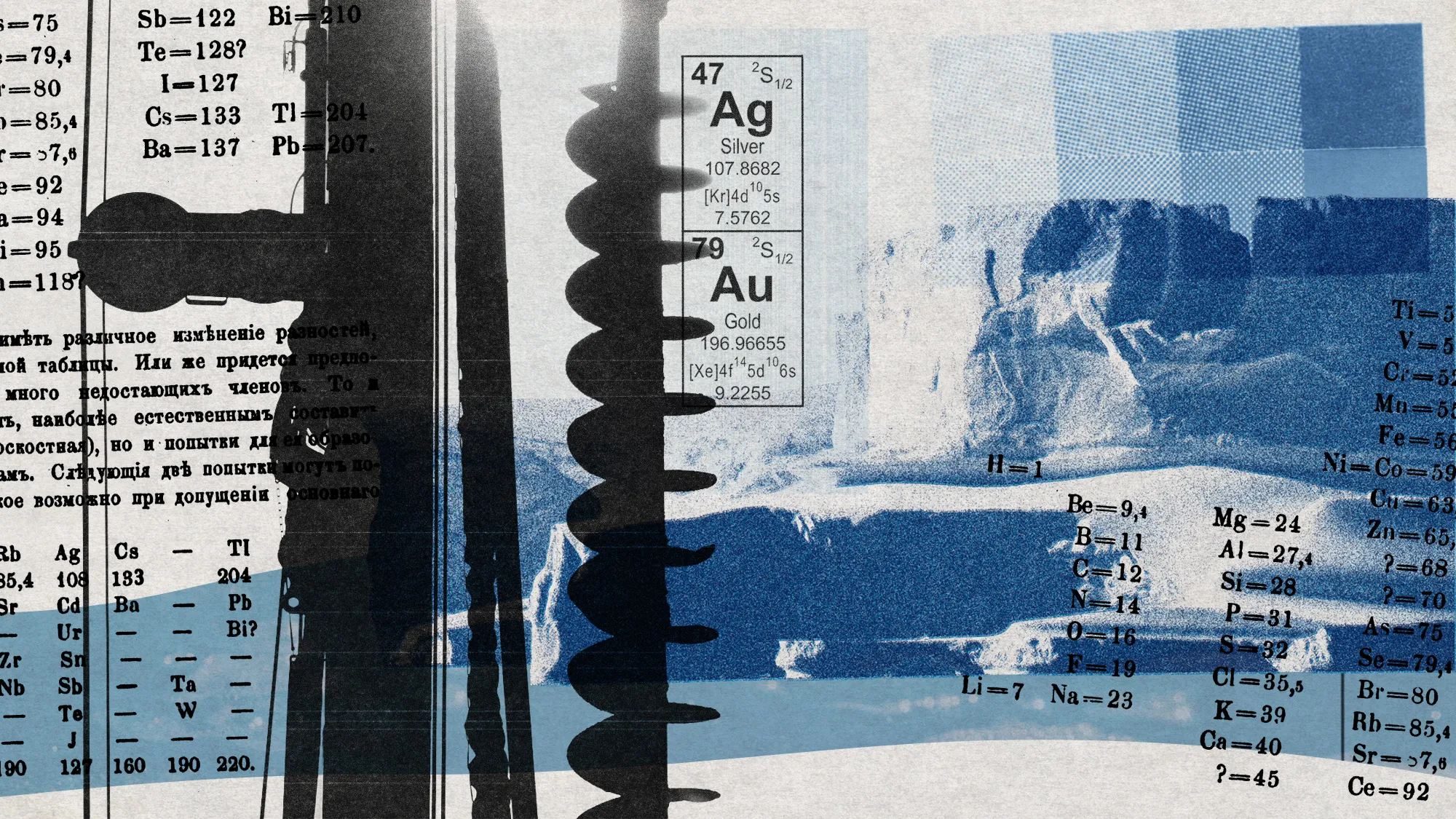
Below the Antarctic ice lies a treasure trove of valuable minerals, including copper, iron, gold, silver, platinum and cobalt. Warming temperatures due to climate change could unearth them and, in turn, fuel geopolitical conflicts, potentially leading to a reversal of the current Antarctic drilling ban.
Less than 0.6% of Antarctica is estimated to be free of ice cover today, but scientists predict there will be up to a 550% increase during the next 30 years, according to a study published in the journal Nature Climate Change. This climate-driven melting will lead to a “likely rise in the economic viability of Antarctic mineral resources over the coming centuries,” said the study. Global copper demand is “currently at 28 million metric tons and is expected to jump to 42 million metric tons by 2040 as demand for electricity grows,” said The New York Times.
The Antarctic Treaty, designed to protect the continent, was signed in 1959 as a response to World War II and global interest in keeping Antarctica unmilitarized. The agreement stipulates that Antarctica should be “used for peaceful purposes only” and bans mining or drilling activities for commercial purposes.
But those provisions may change in the future. Beginning in 2048, nations will be able to request adjustments to the treaty. Along with original stakeholders Argentina, Chile and Britain, Australia, New Zealand, France and Norway also made formal land claims to Antarctica before the treaty. “Major powers like the United States and Russia, though not formal claimants, retain strategic interests,” said Money Control, and “could play a key role if rules around resource extraction change.” |