The Week The Week
flag of US
US
flag of UK
UK
https://cdn.mos.cms.futurecdn.net/flexiimages/jacafc5zvs1692883516.jpg

SUBSCRIBE & SAVE

Less than $3 per week

Sign in
  • View Profile
  • Sign out
  • The Explainer
  • The Week Recommends
  • Newsletters
  • Cartoons
  • From the Magazine
  • The Week Junior
  • Student Offers
  • More
    • Politics
    • World News
    • Business
    • Health
    • Science
    • Food & Drink
    • Travel
    • Culture
    • History
    • Personal Finance
    • Puzzles
    • Photos
    • The Blend
    • All Categories
  • Newsletter sign up Newsletter
  • The Week Evening Review
    Fallout for Ukraine, a critical island, and defining hate

     
    TODAY’S BIG QUESTION

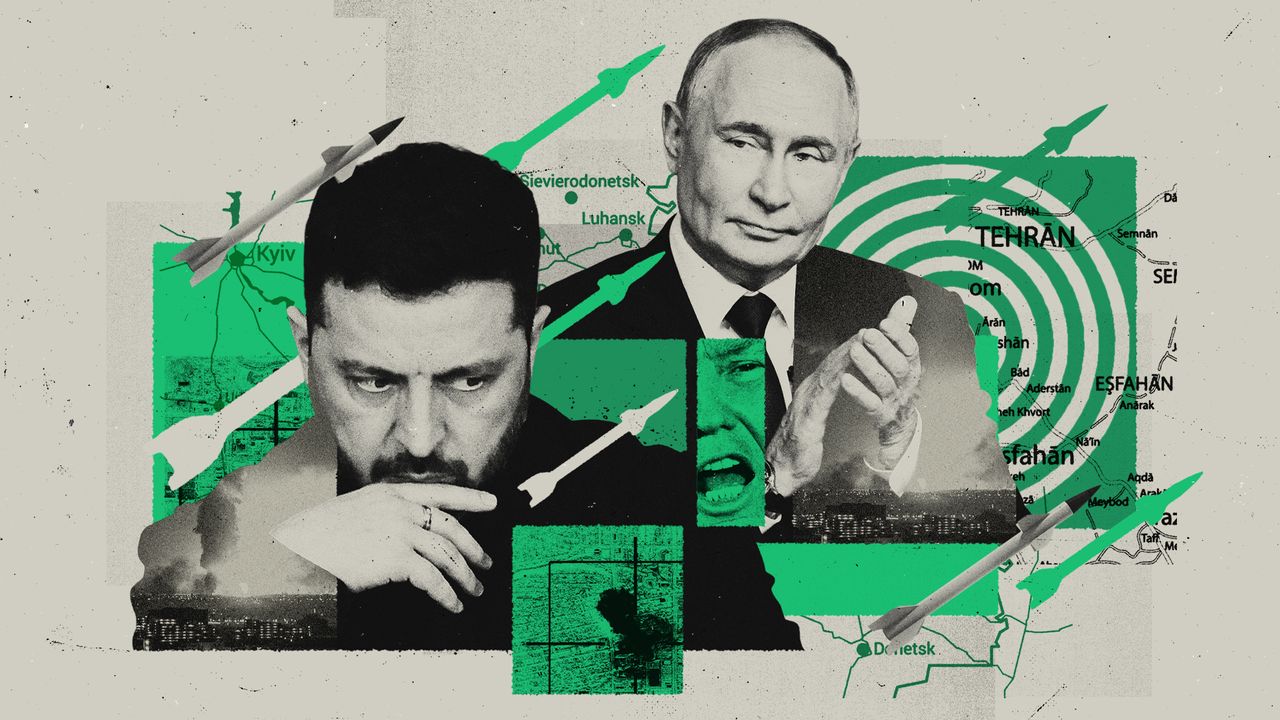
    How will the Iran war impact Ukraine?

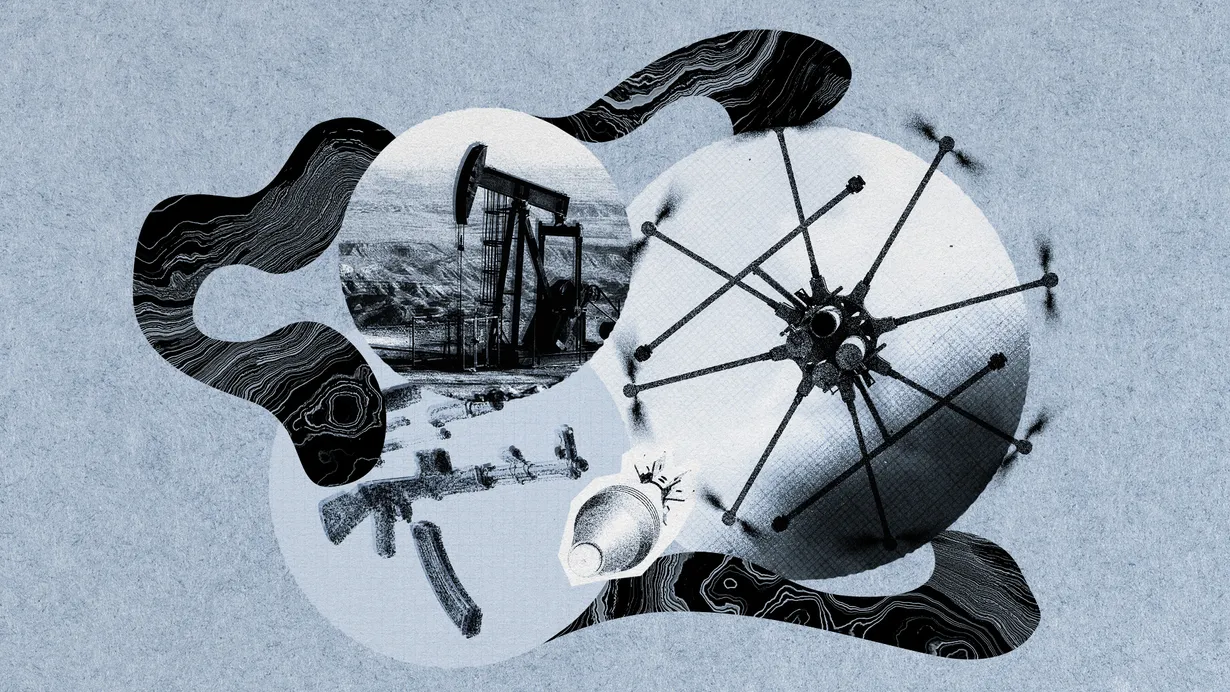
    The fallout of the US war on Iran is being felt worldwide, but Ukraine may be especially hard hit by the massive expenditure of munitions. “Everyone understands that the right weapons are our lifeline,” said Ukraine’s President Volodymyr Zelenskyy, and the intensity of the Iran war “will affect the amount of air defence we receive” to fight off Russia.

    What did the commentators say?
    War in the Middle East “offers Russia several opportunities”, said security expert Stefan Wolff in The Independent. The oil shock gives Moscow a “new lifeline for financing its ongoing war”, while the diversion of US arms to Iran hands Vladimir Putin an advantage in his “relentless campaign of missile and drone strikes”.

    The Iran war “could save” Putin’s “failing Ukraine invasion”, said the Atlantic Council. Russia “stands to benefit more than most” from a conflict that could also distract the Trump administration from its efforts to mediate a peace deal between Moscow and Kyiv.

    The “obvious truth” is that Ukraine’s struggle is “not a priority for the White House”, said Bohdan Nahaylo in the Kyiv Post. The Iran war also increases pressure on Europe, which now must “deal with instability in two important areas simultaneously”. European energy markets that “had just stabilised after cutting off Russian supplies” have been thrown into renewed turmoil, creating new challenges for a continent already “stretched thin” by its backing of Ukraine. This latest crisis will be a “test of Europe’s ability to remain focused and united”.

    What next?
     The Iran conflict could have positive, as well as negative, repercussions for Ukraine, said Politico. Kyiv has extensive experience with the kind of drone warfare raging over the Persian Gulf, and Trump is “looking to Ukraine to help its operations against Iran”. That may give Ukraine leverage. Zelenskyy said his country would lend assistance where possible, “as an investment in our diplomatic capabilities”.


    THE EXPLAINER

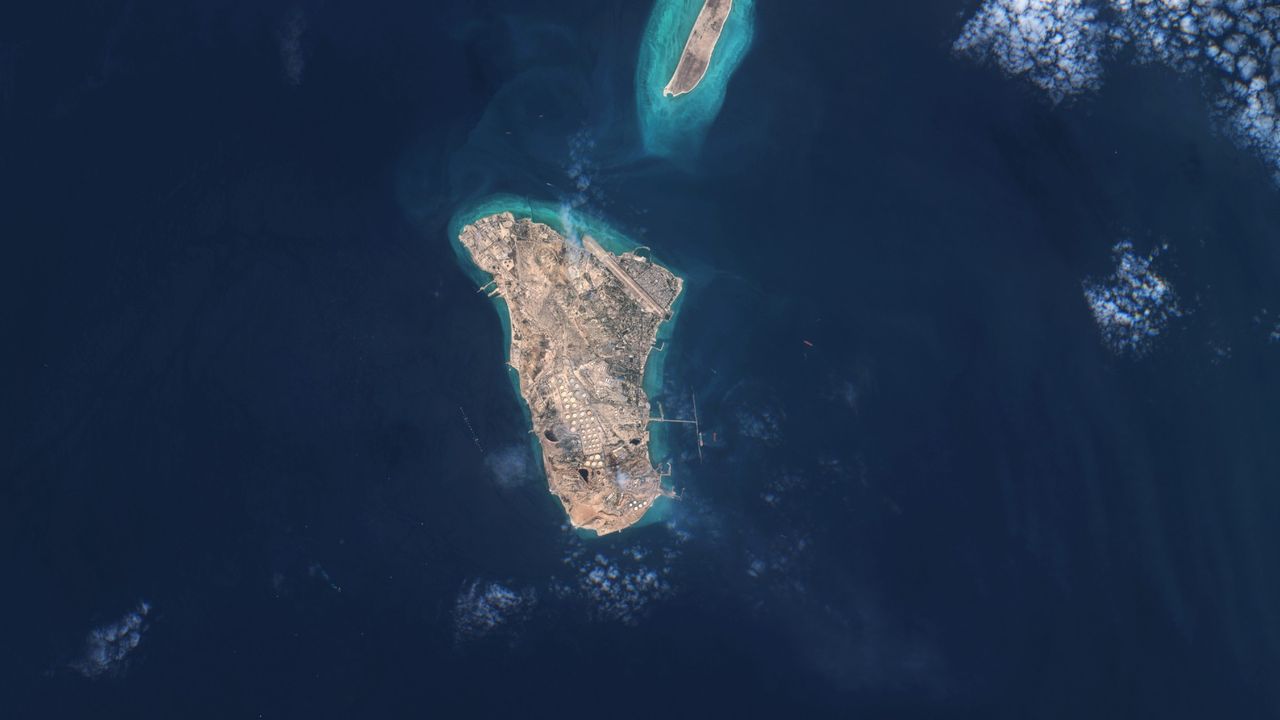
    Kharg Island: Iran’s ‘Achilles’ heel’

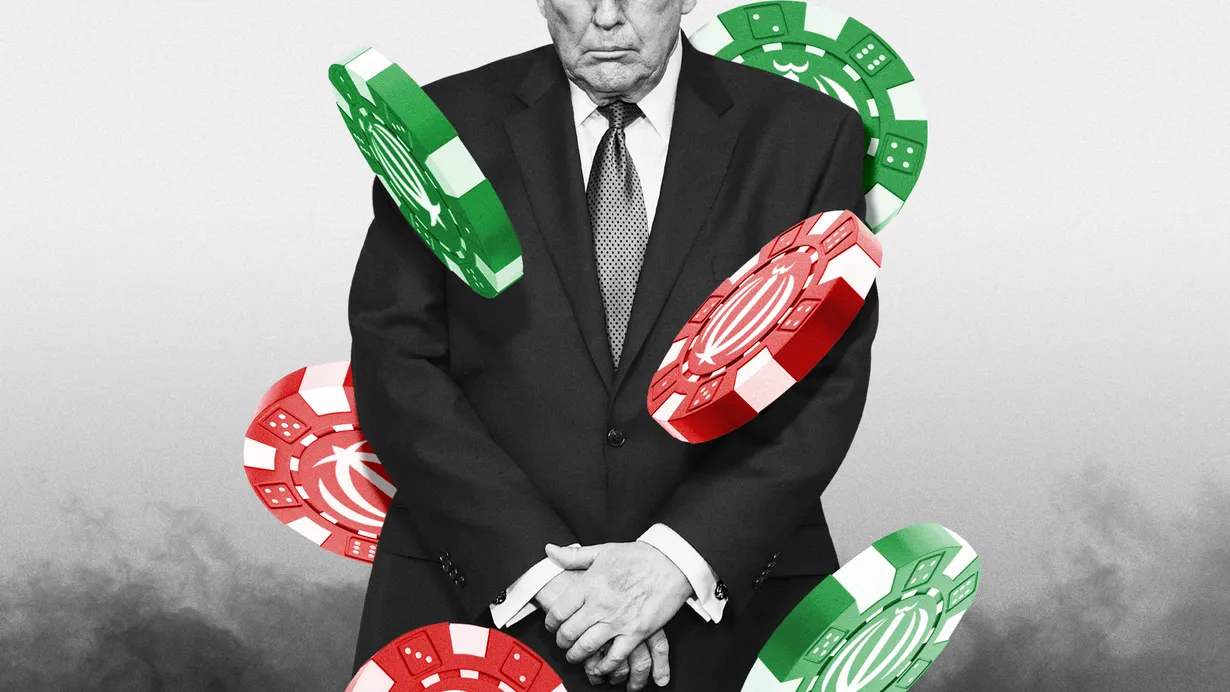
    Back in 1988, then property mogul Donald Trump told a Guardian interviewer how the US should respond to Iranian aggression. “One bullet shot at one of our men or ships, and I’d do a number on Kharg Island.”

    Situated northwest of the Strait of Hormuz, Kharg has long been seen as Tehran’s Achilles’ heel, and seizing it now could “let Trump beat Iran without sending a single soldier”, said The Telegraph.

    What is Kharg?
    Roughly 15 nautical miles off the Iranian mainland, the small coral outcrop is just five miles long and three miles wide. But beyond its “imposing steel fences and military watchtowers” is the “beating heart of Iran’s modern energy empire”, said Al Jazeera. Kharg is linked to major oilfields by underwater pipelines, and processes around 90% of the nation’s total oil exports, handling approximately 950 million barrels a year. 

    What would capturing Kharg mean?
    Seizing Kharg Island would “cut off Iran’s oil lifeline, which is crucial for the regime”, Petras Katinas, from the Royal United Services Institute, told The Telegraph. Oil exports make up nearly 40% of the Iranian government’s budget, so this would “give the US leverage during negotiations”, regardless of “which regime is in power after the military operation ends”. The move “would be reminiscent” of the US intervention in Venezuela, when it “effectively took control of the country’s oil sector”, oil analyst Tamas Varga told CNBC.

    Why hasn’t Trump seized it?
    Taking the island would involve making US and Israeli troops vulnerable to attacks by Iranian forces. In the longer term, it would damage any future regime’s chances of managing the economy, which Washington may be keen to avoid. 

    It’s “unlikely” that Trump would take over the territory, according to the Chatham House think tank’s Neil Quilliam. Previous US presidents have “steered away from Kharg, understanding its strategic importance to global oil markets”, Quilliam told The Independent.

    But if Trump did control the island, said The Telegraph, he could “pressurise the existing regime into compliance”, or “all-out collapse”, forcing any new government to “toe Washington’s line” if it wanted to “regain sovereignty over oil exports”.


    QUOTE OF THE DAY

    “I’m sorry, I don’t care what your courts say. It’s hate speech.”

    US diplomat Leo Brent Bozell III takes aim at South Africa’s decision to overturn a ban on apartheid-era protest song “Kill the Boer”, during his first engagement as ambassador to the country. He has been summoned to Pretoria to explain a series of “undiplomatic remarks”.


    Poll watch

    More than seven in ten doctors (72%) have never turned down a patient asking to be signed off work for mental health reasons, according to a BBC survey of 752 GPs. While some cited the difficulty of assessing non-physical complaints, others said the potential repercussions meant refusing a fit note was not worth “the hassle”.


    TALKING POINT

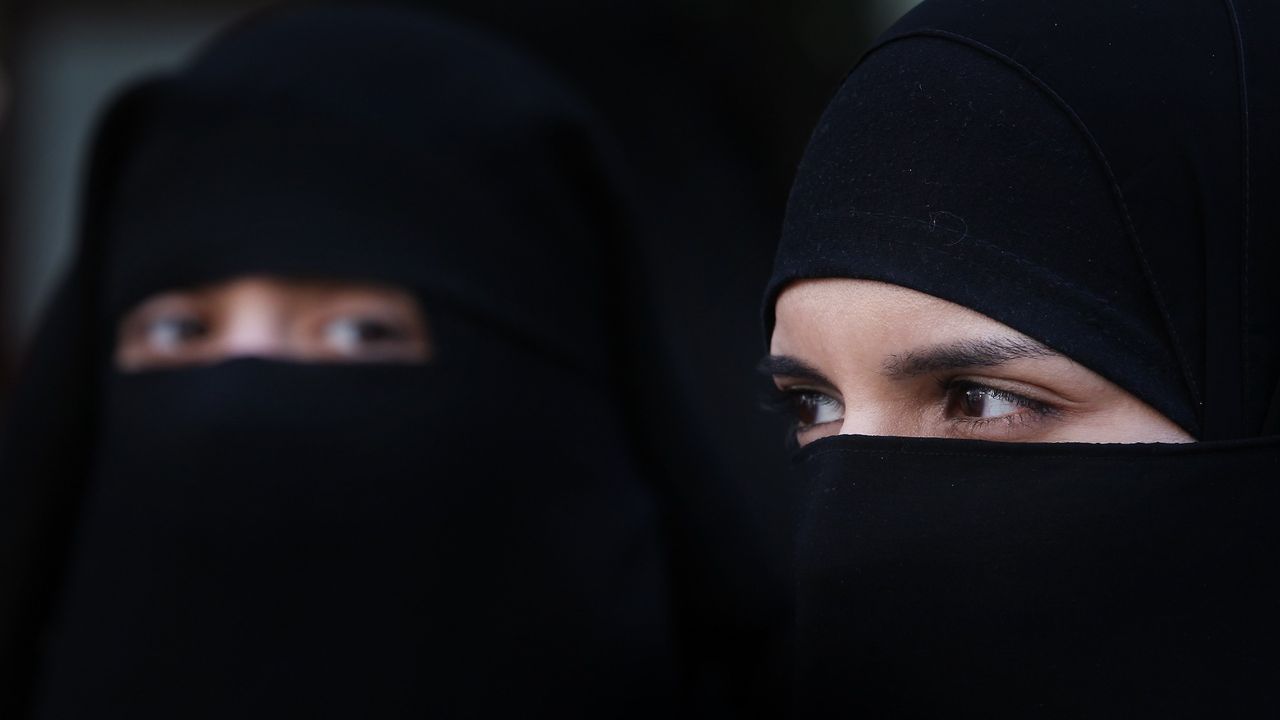
    The thorny task of defining anti-Muslim hatred

    The government’s new “anti-Muslim hostility” definition will in “no way” restrict people’s freedom to criticise Islam, the communities minister has said amid claims that it will block debate about immigration and cultural assimilation.

    The definition gives “a clear explanation of unacceptable prejudice, discrimination and hatred targeting Muslims”, Steve Reed told the Commons. The government has a “duty to act” against record levels of hate crime against Muslims, but “you can’t tackle a problem if you can’t describe it”.

    ‘Privileged status’
    The new three-paragraph definition, which is not legally binding, includes engaging in, assisting or encouraging criminal acts, as well as prejudicial stereotyping and unlawful discrimination targeting Muslims or those perceived to be Muslim.

    This is “an obvious and open act of two-tier policy”, said Andrew Gilligan in The Spectator. Religious discrimination “is already illegal”, so the “only purpose” must be “to create special protections for one faith which don’t apply to those of other faiths or none”. That will “stoke grievance” and “risks making Muslims less safe, not more”.

    Giving Muslims “privileged status to shield them from ‘hostility’” is also “inimical to free speech”, said The Telegraph’s editorial board. The “great debate of our times” is about the spread of “political Islamism and the terrorism committed in its name”. So why is the government “setting out to shut it down”?

    ‘Right diagnosis’
    Hate crimes against Muslims have risen by almost a fifth in the past year, said Zoe Williams in The Guardian. “Never have the effects of Islamophobia been so obvious, or so bleak.” This is “the right diagnosis for this illness”, said health under-secretary Zubir Ahmed, one of only two Muslims in the government. This definition is telling Islamophobes “that there is an issue”, and it’s “validating” our “existence in this country”.

    But the definition “doesn’t use the word Islamophobia”, said James Renton, co-director of the Racial Justice and Migration Research Group, on Al Jazeera. That’s a mistake: it gives “carte blanche to those who attack Islam” and claim “Muslims are all potential terrorists, oppressors of women” and “sex predators”. To “celebrate such attacks as the expression of ‘free speech’ is to glorify hatred”.


    Good day 👨‍⚕️

    … for prevention, as new research suggests that prostate screenings save four times more lives than previously thought. A European study of men who attended regular prostate cancer screenings over a 30-year period found that one death was prevented for every six men diagnosed via screenings. Shorter-running studies had suggested that ratio was one in 27.


    Bad day 🏠

    … for homebuyers, as mortgage rates rise and deals are pulled by lenders spooked by the Middle East crisis. Almost 500 mortgage products were axed in the first two days of this week, according to analysis by financial information company Moneyfacts, and the average rate on two-year fixed deals rose above 5% for the first time since last August.


    PICTURE OF THE DAY

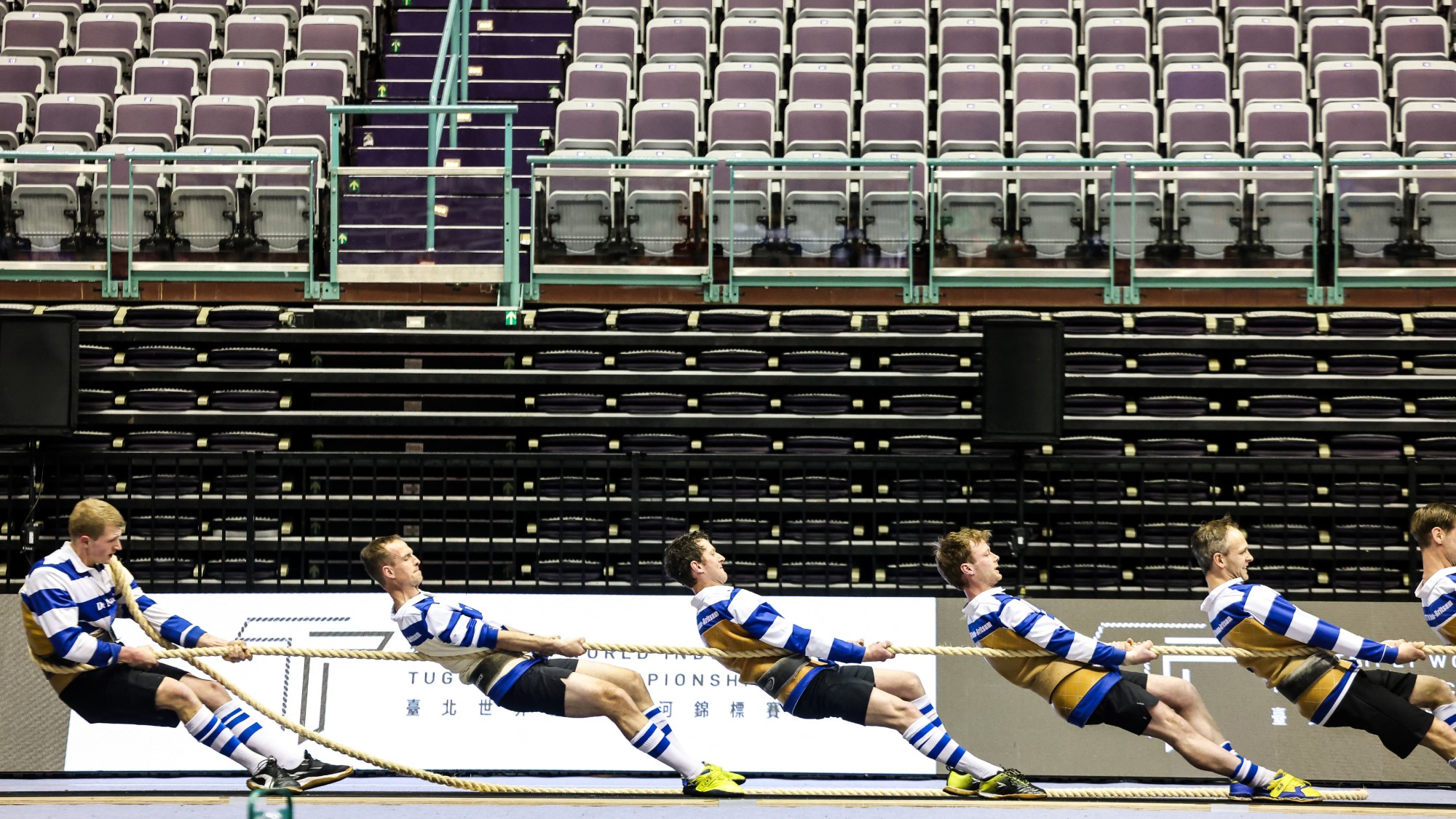
    Haul together

    Team Netherlands holds firm at the Tug of War Indoor World Championships in Taipei, where 1,000 athletes are competing over four days. The Dutch took gold in the men’s 640kg and 680kg events at the previous championships, in 2024 in Helsingborg, Sweden.

    I-Hwa Cheng / AFP / Getty Images


    Puzzles

    Guess the number

    Try The Week’s daily number challenge in our puzzles and quizzes section

    Play here


    THE WEEK RECOMMENDS

    The must-visit Unesco sites in the UK

    For travellers also seeking a trip back in time, Unesco’s World Heritage Sites are a ready-made bucket list. The UK is home to 31 such sites –  here are some of the best spots to visit. 

    St Agnes, Cornwall
    This village has a “compact charm” and is known for its “vibrant local community”, said Parul Sharma on Plymouth Live. Home to “Cornwall’s most awe-inspiring coastal paths and walks”, St Agnes also offers “dog-friendly beaches” and “popular spots for surfing, swimming and sunbathing”, along with “top-notch pubs and restaurants”. 

    Blenheim Palace, Oxfordshire
    Blenheim is an “elite example” of masterful late 17th- and early 18th-century architecture, said Chris Leadbeater in The Telegraph. Designed by John Vanbrugh, the palace’s “baroque majesty still sings three centuries” after the completion of its “broad wings and art-stuffed chambers”.

    Giant’s Causeway, Co Antrim
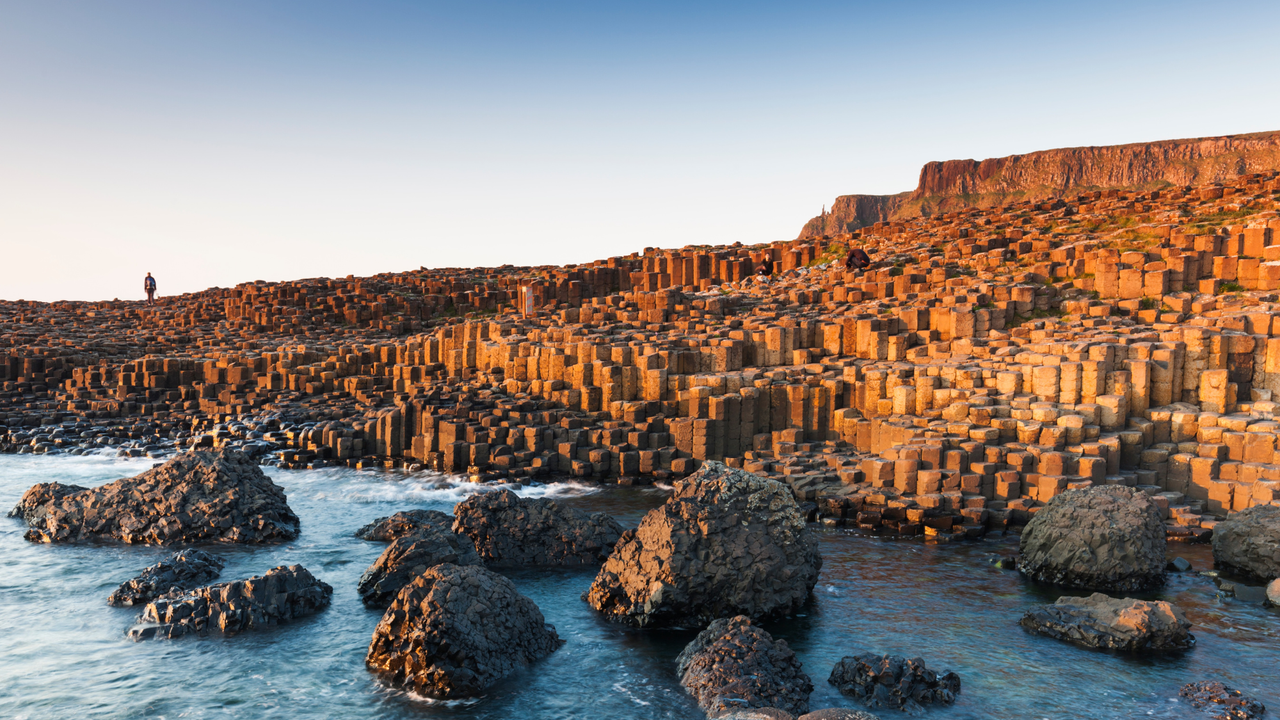
    The “spectacular cluster of around 40,000 black basalt polygonal columns” (pictured above) was created by lava that “cooled some 60 million years ago” and evolved into “tightly interlocking formations, cracking into remarkably regular geometric shapes”, said Ted Thornhill in The Independent. It’s an “exceptionally rare” phenomenon, especially at this scale. 

    St Kilda, Hirta, Outer Hebrides
    This archipelago was the first to achieve a dual listing from Unesco, for its “human heritage and unique nature”, said Robin McKelvie in The Telegraph. Home to the “world-famous seabird colonies”, it boasts “Tolkien-esque sea cliffs”, while the old village “tells the story” of the locals who lived here until 1930. 


    Statistic of the day

    11%: The year-on-year increase in usage of London’s lifts in January, indicating that more workers are returning to the capital’s offices. Lift-maker Kone analysed data on more than a billion elevator rides over five years in 10 European cities, and found that London and Paris were the only two places where use accelerated last year.


    instant opinion

    Today’s best commentary

    Vietnam’s Communists remember that socialism doesn’t work
    The Washington Post’s editorial board
    Vietnam is an “avowedly communist” country yet its “remarkable growth” in recent decades “has been driven by free market capitalism”, says The Washington Post. And its “repressive” President To Lam looks set “to dispense with even more of the traditional Marxist-Leninist playbook”, after endorsing a “raft of liberalization measures to supercharge business”. But he’s not willing “to expand personal liberties” for his people, betting that he can “reap the benefits of free markets without giving anything else away”.

    Let’s pay MPs less
    William Yarwood in The Critic
    “Another year, another inflation-busting pay rise for MPs,” writes William Yarwood of the TaxPayers’ Alliance. Their “salaries will rise by 5% to £98,655”, while “millions of households are seeing their living standards sliding backwards”. Instead, MPs’ pay should be “tied to GDP per capita”. Then, “if living standards rise”, they “would benefit alongside the public”, but “if the country becomes poorer, politicians would share at least some of the consequences of the policies they pursue”.

    Is the City still sexy?
    Eva Sayers in City A.M.
    I’m told “the Square Mile has lost its lustre”, writes reputation-management consultant Eva Sayers. But I think “the allure of the place remains strong. If just a bit different.” There’s still “the historic buildings, the sense you’re part of something, the feeling of anticipation, the hubbub of activity”, but “the loosening of old‑school traditionalism has opened the door for far more types of people – women, ethnic minorities – to make their mark”. I “feel very lucky to be here”.


    word of the day

    Butsukari

    Japanese for “bumping”, used to describe a disturbing trend of people deliberately barging into unwitting strangers. Viral footage of a child being pushed to the ground at Tokyo’s famous Shibuya Crossing has increased public angst about butsukari attacks, which some experts suggest are motivated by urges to vent stress and societal frustrations.


    Evening Review was written and edited by Rebecca Messina, Jamie Timson, Chas Newkey-Burden, Irenie Forshaw, Deeya Sonalkar, Helen Brown, David Edwards and Kari Wilkin, with illustrations from Stephen Kelly.

    Image credits, from top: illustration by Stephen Kelly / Getty Images; Gallo Images / Orbital Horizon / Copernicus Sentinel Data 2024 / Getty Images; Peter Macdiarmid / Getty Images; I-Hwa Cheng / AFP / Getty Images; Walter Bibikow / Getty Images

    Morning Report and Evening Review were named Newsletter of the Year at the Publisher Newsletter Awards 2025
     

    Recent editions

    • Evening Review

      Iran war strains US economy

    • Morning Report

      Iran weaponizes Strait of Hormuz

    • Evening Review

      Iran was ready for this

    VIEW ALL
    TheWeek
    • About Us
    • Contact Future's experts
    • Terms and Conditions
    • Privacy Policy
    • Cookie Policy
    • Advertise With Us
    • FAQ
    Add as a preferred source on Google Add as a preferred source on Google

    The Week is part of Future US Inc, an international media group and leading digital publisher. Visit our corporate site.

    © Future US, Inc. Full 7th Floor, 130 West 42nd Street, New York, NY 10036.