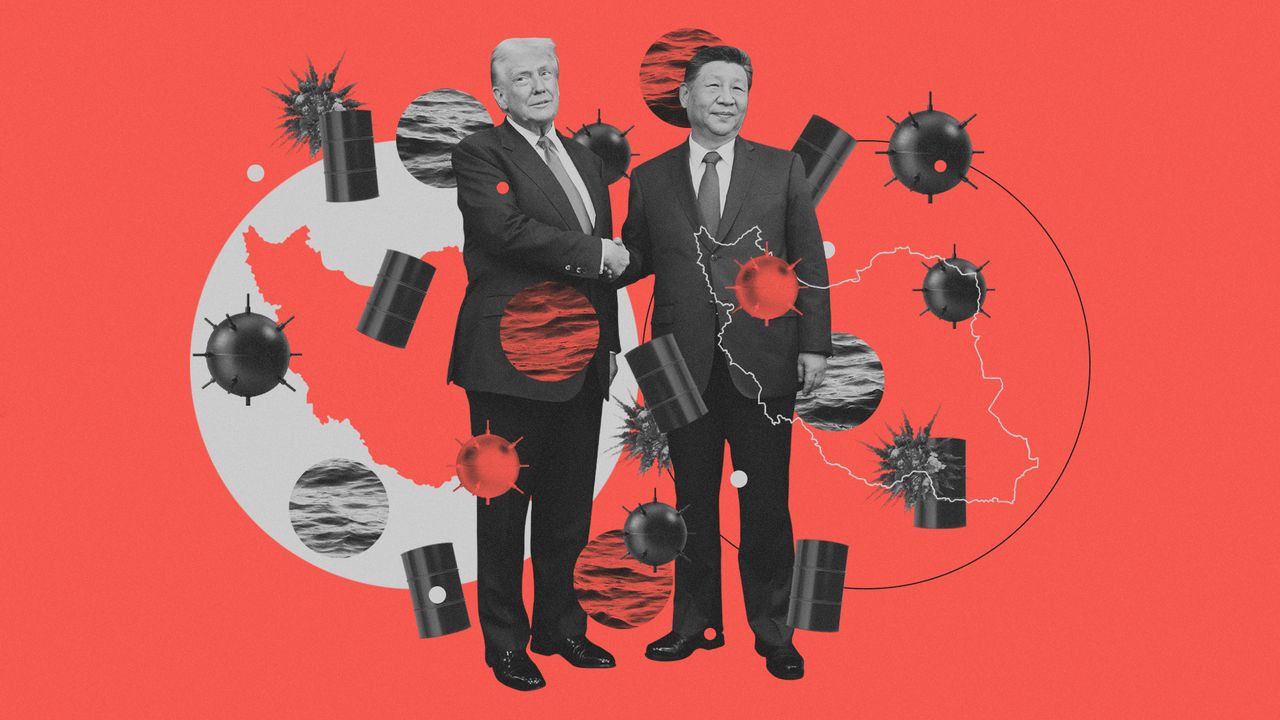
For decades, China has been Iran’s most important economic ally, maintaining close diplomatic ties with Tehran through years of Western sanctions and international isolation. But China’s relatively muted response to the US-Israeli strikes has led many to question whether leader Xi Jinping is a fair-weather friend – or whether Beijing is playing a longer game in its bid for global supremacy.
What is the background?
When George Bush declared Iran part of an “axis of evil” in 2002, Beijing “saw an opportunity”, said Richard Spencer in The Times. It “began signing multibillion-dollar oil and gas deals” with Iran. Now, about 90% of Iran’s crude exports are sold to China every year, at a steep discount.
In return, Iran “kept Washington bogged down in the Middle East”, said Geoffrey Cain in The Spectator. That was “extraordinarily useful” and cost Beijing “almost nothing”. China also supplied Tehran with arms until 2007, before joining in UN sanctions, and the countries have held regular joint military drills.
How has China reacted to the conflict?
China hasn’t provided any direct military support or “new weapons assistance to any party involved”, said The Diplomat. Although Beijing has voiced opposition to the US-Israeli strikes, warning that they could undermine regional stability, it has also criticised Iran’s retaliatory attacks on its Gulf neighbours, and its de facto blockade of the Strait of Hormuz.
Why the muted response?
With President Xi, “a hard-nosed pragmatism is at play”, said CNN. Iran “ranks below his top priorities”, including China’s fragile trade truce with the US, ahead of an upcoming summit with Donald Trump in Beijing. Trump this week announced that he was delaying the summit, as he pressures China to send warships to help reopen the Strait of Hormuz. But a delay could also be in China’s interests. “If the war drags on, added pressure on Washington could mean more leverage for China,” said The New York Times.
Fundamentally, China does not lose much “whatever happens to Iran”, said Spencer – except for oil. As much as 40% of the country’s imported crude oil is shipped through the strait. Although China holds one of the world’s biggest oil reserves, said the BBC, the disruption is “putting its resilience to the test”.
|