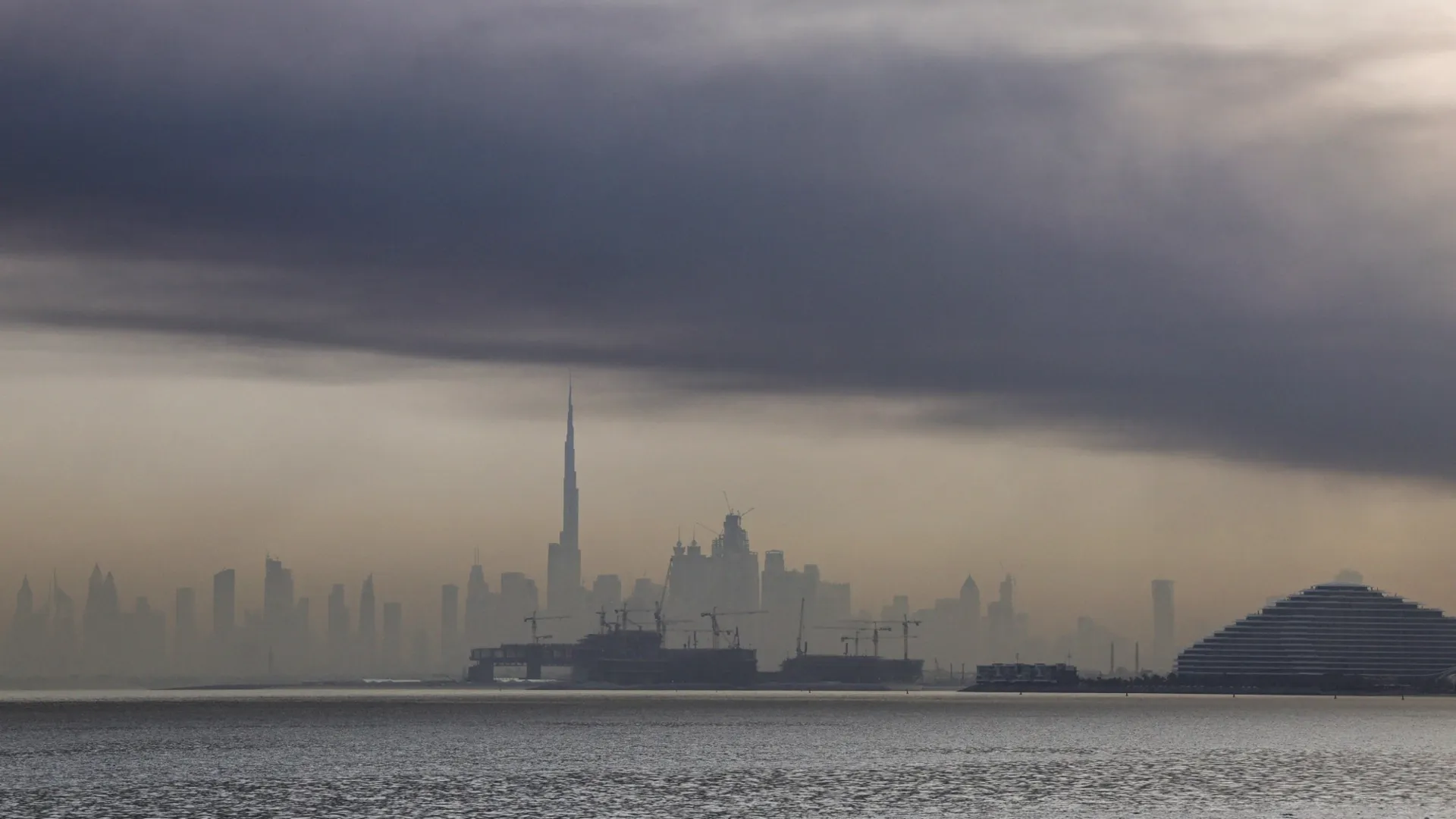
Dubai is known for being one of the world’s most opulent cities, as well as a bastion of safety in a region under the perpetual threat of violence. But the recent start of the Iran war has shattered the image of peace in the United Arab Emirates’ largest city. Iranian drone attacks and missile launches against the Persian Gulf have turned it into a place where residents must walk cautiously.
‘Built itself this image’
The war in Iran has “punctured the notion that towering skyscrapers, financial clout and the embrace of luxury and diversity in the Persian Gulf can act as impenetrable shields against the region’s turmoil,” said The Wall Street Journal. Since the war broke out, Iran has launched over 1,900 missiles and drones toward the UAE, according to the country’s defense ministry, with Dubai bearing the brunt.
Iran’s attacks have been “shutting down the airport, striking the iconic Burj Al Arab hotel and Dubai’s deep-water port, and killing several people across the UAE,” said the Journal. This marks a significant change for Dubai, as its wealth and status as a financial hub have largely made it “impervious to conflict.”
Dubai has “built itself this image that people aspire to,” said Abdulkhaleq Abdulla, a political science professor from the UAE, to The Washington Post. Publicly, leaders in the region say Dubai is still safe and have “projected confidence in their defense capabilities.”
‘The shine has definitely been taken off’
Despite the public confidence in the city’s safety, many living there seem to feel differently. There are “tens of thousands of residents and tourists that have fled” since the shelling began, though the city’s “large population of migrant workers largely don’t have that privilege,” said The Guardian.
“The shine has definitely been taken off,” said John Trudinger, a British teacher and Dubai resident for 16 years, to The Guardian. “I don’t want to be in Dubai anymore,” said Zain Anwar, a taxi driver from Pakistan. “There’s no business, we are earning nothing since this war,” he said to the outlet, and “I don’t see the tourism coming back.” |