The Week The Week
flag of US
US
flag of UK
UK
https://cdn.mos.cms.futurecdn.net/flexiimages/jacafc5zvs1692883516.jpg

SUBSCRIBE & SAVE

Less than $3 per week

Sign in
  • View Profile
  • Sign out
  • The Explainer
  • The Week Recommends
  • Newsletters
  • Cartoons
  • From the Magazine
  • The Week Junior
  • Student Offers
  • More
    • Politics
    • World News
    • Business
    • Health
    • Science
    • Food & Drink
    • Travel
    • Culture
    • History
    • Personal Finance
    • Puzzles
    • Photos
    • The Blend
    • All Categories
  • Newsletter sign up Newsletter
  • Brand Logo
    RFK Jr. vaccine reversal, Cuba blackout and trucking rule

     
    TODAY’S Health Policy story

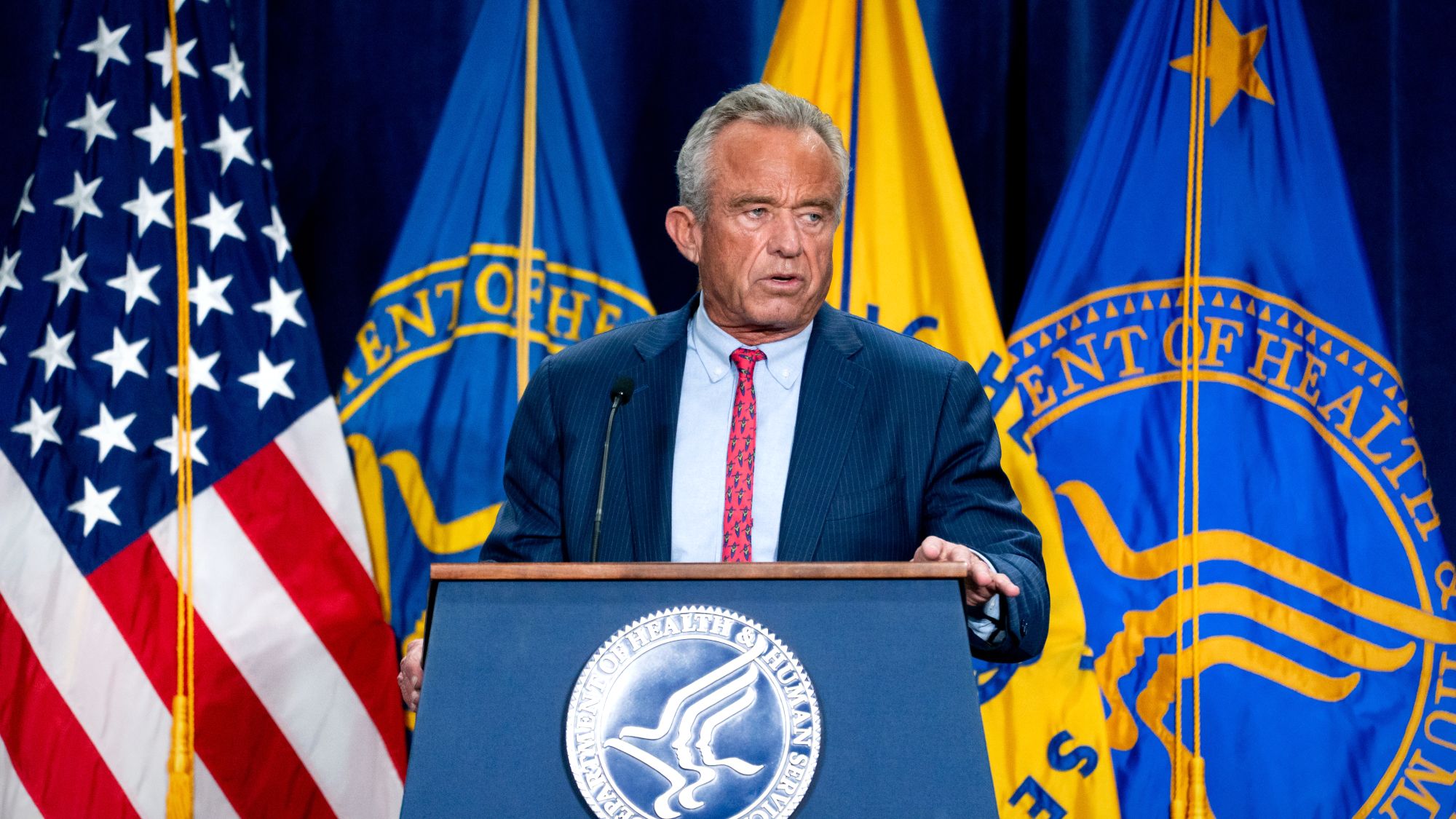
    Judge pauses most of RFK Jr.’s vaccine agenda

    What happened
    A federal judge in Boston yesterday paused most of Health Secretary Robert F. Kennedy Jr.’s consequential actions on vaccines and all the decisions made by the influential vaccine advisory committee he gutted and remade with handpicked members. U.S. District Judge Brian Murphy, siding with the American Academy of Pediatrics and five other medical groups, said Kennedy had likely violated legal administrative procedures in appointing his new Advisory Committee for Immunization Practices, then illegally sidestepped his handpicked panel in January to shrink the federal schedule for childhood vaccines from 17 routine immunizations to 11. 

    Who said what
    Since 1964, “all U.S. vaccine policy has first run through ACIP, an independent panel of vaccine experts” that guides the Centers for Disease Control and Prevention’s recommendations, CNN said. The committee has historically decided which vaccines are safe and effective through “a method scientific in nature and codified into law through procedural requirements,” Murphy ruled. “Unfortunately,” under Kennedy, “the government has disregarded those methods and thereby undermined the integrity of its actions.”

    The ruling from Murphy, an appointee of President Joe Biden, is a “severe blow to the Trump administration’s health agenda,” The New York Times said. But the “blow to Kennedy’s efforts to overhaul federal vaccine policy” landed “at a time when the White House is seeking to limit vaccine critics’ influence within the administration,” Axios said. Kennedy wants federal vaccine policy “to more closely reflect” his skepticism of vaccines, Politico said. But the White House is looking to “shift the focus ahead of the midterms away from vaccines, which the public overwhelmingly supports, toward priorities with widespread voter buy-in, like lowering prescription drug costs.”

    What next?
    Murphy’s order effectively blocks ACIP from meeting tomorrow and Thursday, as planned. But it’s “not the final word,” The Associated Press said. His ruling bars 13 of ACIP’s 15 members from serving on the panel, freezes all the committee’s decisions since June and halts Kennedy’s reduced immunization schedule “pending either a trial or a decision for summary judgment.” The Trump administration is expected to appeal the ruling. 


    TODAY’S INTERNATIONAL story

    Cuba’s power grid fails as Trump lays claim to island

    What happened
    Cuba’s aging electrical grid collapsed yesterday, leaving the island nation of some 11 million people without power amid a U.S. oil blockade. President Miguel Díaz-Canel on Friday blamed the U.S. embargo for Cuba’s economic problems, saying no oil shipments had arrived for three months. But in a national broadcast, he acknowledged for the first time that his government was in talks with the Trump administration to “identify the bilateral problems that need a solution.” Trump yesterday told reporters he believed he would have “the honor of taking Cuba.”

    Who said what
    “I think Cuba sees the end,” Trump said at a White House news conference. “Taking Cuba in some form, yeah, taking Cuba — I mean, whether I free it, take it, I think I can do anything I want with it.” The Trump administration’s opening demand in negotiations is Díaz-Canel’s ouster, The New York Times said, citing four people familiar with the talks. That would “topple a key figurehead while keeping in place the repressive Communist government,” giving Trump a “symbolic win” he can sell to the American people and “Cuban exile community,” though the lack of regime change would “likely disappoint many conservative Cuban exiles.”

    Cubans “have grown accustomed to power outages,” Reuters said, but the current crisis “sparked a rare violent protest” over the weekend. The oil blockade has crushed tourism, fueled unaffordable gas prices, forced hospitals to ration care and left garbage piling up in the streets.

    What next?
    Cuban Deputy Prime Minister Oscar Pérez-Oliva Fraga told NBC News in a clip broadcast yesterday morning that Havana was “open to having a fluid commercial relationship with U.S. companies, also with Cubans residing in the United States and their descendants.” Government officials “had planned to announce the economic changes on an evening television program” but did not, the Times said, possibly as a “result of power outages.”


    TODAY’S LABOR Story

    Immigrant truckers to lose driver’s licenses

    What happened
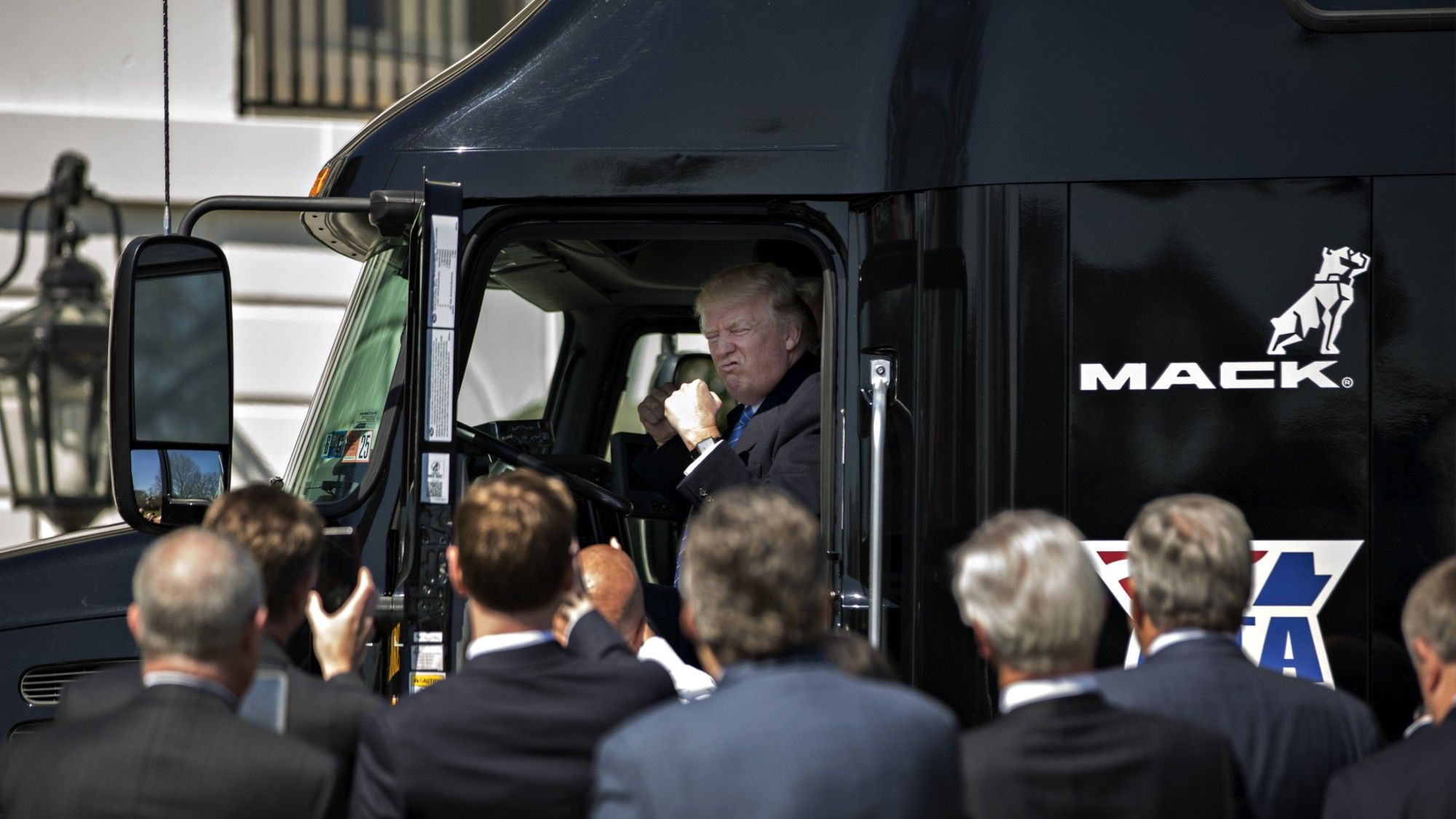
    The roughly 200,000 immigrant truck drivers in the U.S. began losing their commercial driver’s licenses yesterday as a new Trump administration rule took effect. The Transportation Department rule bars asylum seekers, refugees and DACA recipients from obtaining a commercial license, though those who already have a license can continue using it until it expires. 

    Who said what
    The new rule “will weigh on the beleaguered trucking industry,” already “plagued by high turnover rates” amid “long hours, low pay, dangerous road conditions and extended periods away from home,” The Washington Post said. Immigrants, who currently hold about 5% of commercial driver’s licenses, are “critical to transporting goods across America at a time when energy costs are surging due to the war in Iran.” 

    America has “allowed dangerous foreign drivers to abuse our truck licensing systems — wreaking havoc on our roadways” — for “far too long,” Transportation Secretary Sean Duffy said in a statement announcing the rule last month. “The Trump administration has conceded that there’s no empirical relationship between a person’s nation of domicile and safety outcomes,” said Wendy Liu, a lawyer at the Public Citizen Litigation Group, which is suing to block the rule. Immigrants have to pass the same tests after attending the same driving schools as nonimmigrants.

    What next?
    The new rule is part of President Donald Trump’s “widening campaign against immigrant truck drivers following several high-profile accidents last summer,” the Post said. In his State of the Union speech, Trump urged Congress to codify in law his restrictions on immigrant truckers, though no votes have been scheduled. The trucking industry warned that such bans would “ripple through the supply chain,” KABC Los Angeles said, potentially “costing Americans more at the store.”


    It’s not all bad

    Through the Bounty Project, commercial fishing boats clean up trash from the North Pacific Garbage Patch during their regular fishing trips. Hawaii Pacific University’s Center for Marine Debris Research launched the program in November 2022, and since then, participants have removed more than 185,000 pounds of discarded fishing gear like nets, floats and lines. The objects are brought back to land for “reuse, recycling, energy recovery or responsible disposal,” said Good News Network.


    Under the radar

    Women-only Ubers: safety vs. discrimination

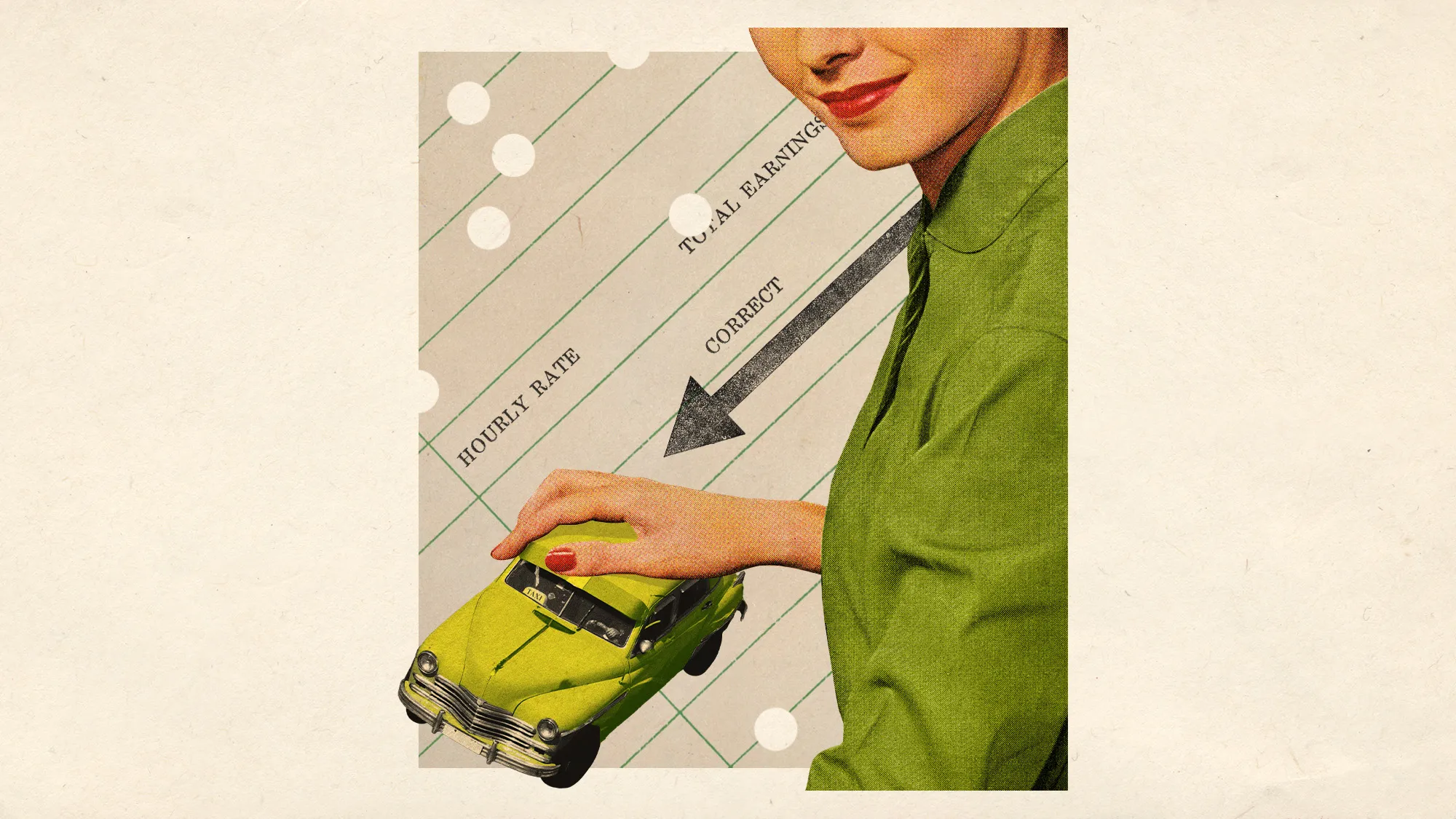
    After running pilot programs in several U.S. cities last year, Uber has launched a women-only service across the country. The company says the new feature on its app, which gives women the choice to request trips with women drivers, is designed to help both the passenger and driver “feel more confident” about their shared ride.

    Uber and rival company Lyft have “faced criticism over their safety records” for years, said The Associated Press. The ride-hailing apps have received “thousands of reports of sexual assaults from passengers and drivers,” and many women users have lost trust in the service. According to Uber’s latest safety summary, the number of sexual assaults reported during rides has dropped from 5,981 in 2017-2018 to 2,717 in 2022-2023. That latter number, Uber says, represents 0.0001% of rides nationwide. 

    The rollout of the new service is going ahead despite an ongoing court case in California brought by two Uber drivers who argue that the policy is discriminatory against men and violates the state’s Unruh Civil Rights Act, which prohibits sex discrimination by businesses. Uber is disputing that the California law has been violated, saying its “women preferences” feature serves a “public policy interest in enhancing safety.” 

    “I take Uber rides at all times of the day and night,” said Lakshmi Varanasi at Business Insider. There’s a “wide gray area between assault and a perfectly uneventful Uber ride.” The women-only driver option could give riders and drivers more “control” over uncomfortable situations, she added. “I, for one, will try this out.”


    On this day

    March 17, 1941

    The National Gallery of Art opened in Washington, D.C., with a dedication speech from President Franklin D. Roosevelt. At the time, the gallery was the largest marble building in the world. It remains a major attraction in the nation’s capital and is the second-most visited museum in the U.S.


    TODAY’S newspaperS

    ‘Trump berates allies’

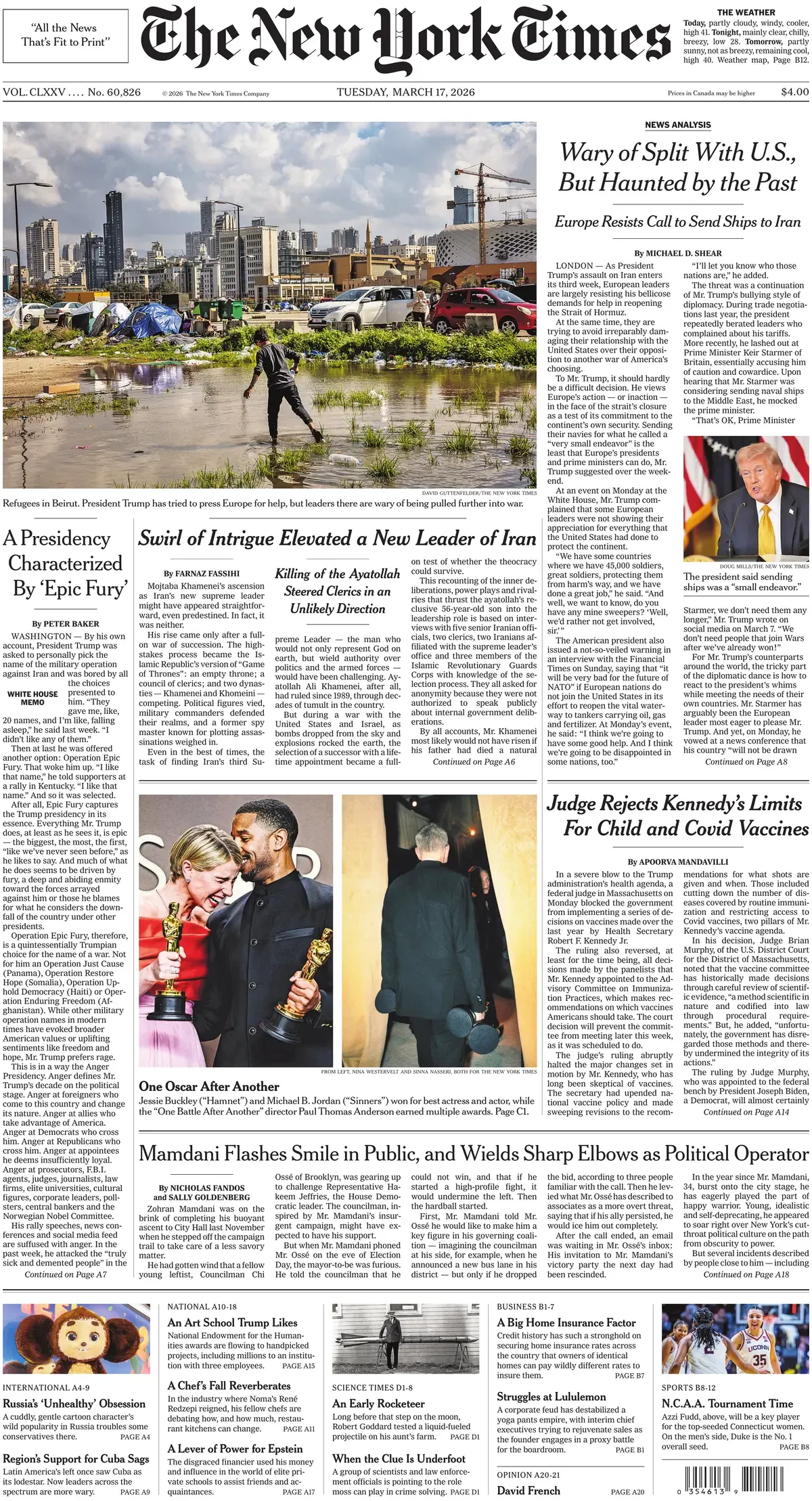
    “Trump berates allies who won’t safeguard strait,” the Los Angeles Times says on Tuesday’s front page. “Wary of split with U.S., but haunted by the past, Europe resists calls to send ships to Iran,” The New York Times says. “Kurds set to invade, seek U.S. air cover,” USA Today says. “DOJ flails as it tries to target Trump foes,” The Minnesota Star Tribune says. “Trump nearing deadline on pick in Senate” between Sen. John Cornyn or Ken Paxton, the Houston Chronicle says. “Teens sue Musk’s xAI” for creating “sexual images of them,” The Washington Post says. “At OpenAI, alarm over ‘adult mode,’” The Wall Street Journal says. “Storms, staffing wreak havoc on travelers,” says The Atlanta Journal-Constitution. 

    ► See the newspaper front pages


    Tall tale

    Fleet fox

    An adventurous fox got perhaps more than he bargained for when he hopped on a cargo ship in England and traveled 3,400 miles to New York City. The vessel left Southampton on Feb. 4 and arrived in the U.S. on Feb. 18, and the fox was discovered on board by port officials. No one is sure how the animal got on the ship, which was transporting cars across the Atlantic. He is now in the care of the Bronx Zoo.


    Morning Report was written and edited by Nadia Croes, Irenie Forshaw, Catherine Garcia, Scott Hocker, Anya Jaremko-Greenwold, Justin Klawans, Rafi Schwartz, Peter Weber and Kari Wilkin, with illustrations by Stephen Kelly and Julia Wytrazek.

    Image credits, from top: Stefani Reynolds / Bloomberg via Getty Images; Yamil Lage / AFP via Getty Images; Andrew Harrer / Bloomberg / Getty Images; Illustration by Julia Wytrazek / Getty Images
     

    Recent editions

    • Evening Review

      The GOP swerve on mass deportations

    • Morning Report

      Trump belatedly seeks an Iran coalition

    • Sunday Shortlist

      Quiet scares in a minimalist horror

    VIEW ALL
    TheWeek
    • About Us
    • Contact Future's experts
    • Terms and Conditions
    • Privacy Policy
    • Cookie Policy
    • Advertise With Us
    • FAQ
    Add as a preferred source on Google Add as a preferred source on Google

    The Week is part of Future US Inc, an international media group and leading digital publisher. Visit our corporate site.

    © Future US, Inc. Full 7th Floor, 130 West 42nd Street, New York, NY 10036.