The Week The Week
flag of US
US
flag of UK
UK
https://cdn.mos.cms.futurecdn.net/flexiimages/jacafc5zvs1692883516.jpg

SUBSCRIBE & SAVE

Less than $3 per week

Sign in
  • View Profile
  • Sign out
  • The Explainer
  • The Week Recommends
  • Newsletters
  • Cartoons
  • From the Magazine
  • The Week Junior
  • Student Offers
  • More
    • Politics
    • World News
    • Business
    • Health
    • Science
    • Food & Drink
    • Travel
    • Culture
    • History
    • Personal Finance
    • Puzzles
    • Photos
    • The Blend
    • All Categories
  • Newsletter sign up Newsletter
  • Brand Logo
    Trump-Tehran escalation, ICE joins TSA and a fatal plane-truck collision

     
    TODAY’S IRAN WAR story

    Trump, Iran trade threats on oil, energy targets

    What happened
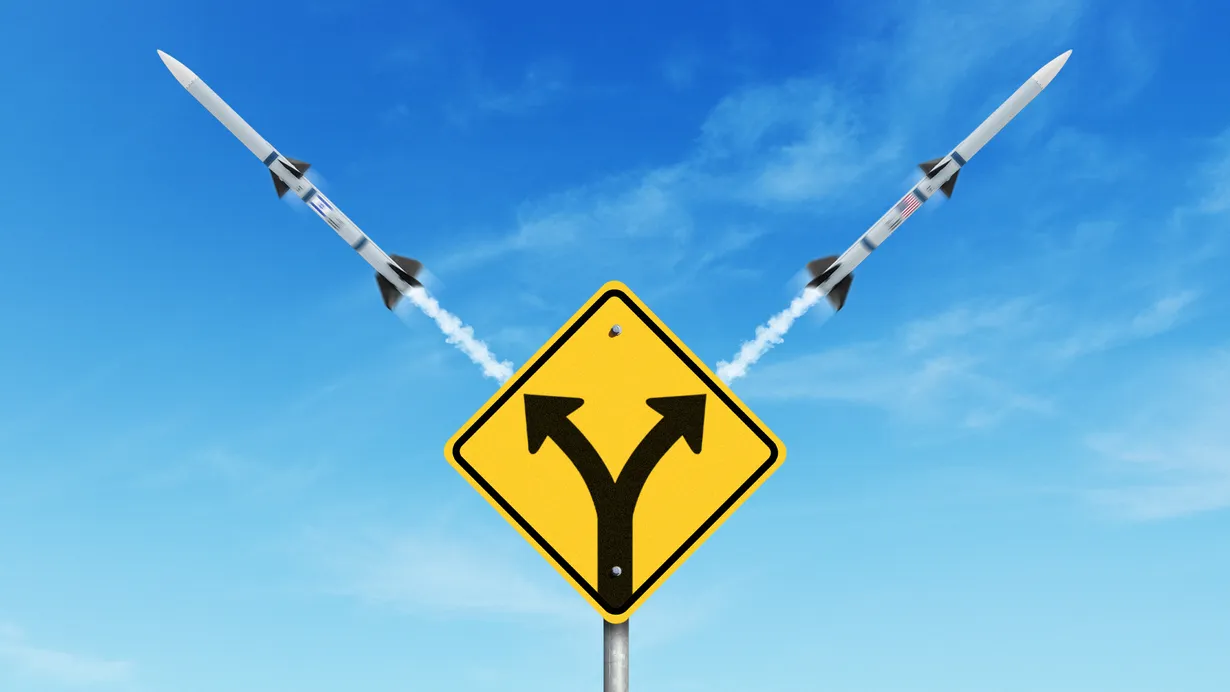
    President Donald Trump over the weekend gave Iran until tonight to “FULLY OPEN, WITHOUT THREAT, the Strait of Hormuz” or the U.S. would “obliterate their various POWER PLANTS, STARTING WITH THE BIGGEST ONE FIRST!” Iran yesterday vowed to retaliate in kind if Trump followed through with his threats, destroying critical regional infrastructure used by the U.S. and its allies and sending soaring oil and gas prices even higher. 

    Who said what
    If Iran’s power plants are targeted, “vital infrastructure and energy and oil facilities” across the Gulf region “will be destroyed irreversibly, and oil prices will rise for a long time,” Iranian Parliament Speaker Mohammad Bagher Ghalibaf said on social media. An Iranian military spokesperson said “fuel, energy, information technology and desalination infrastructure” would be attacked, and the Strait of Hormuz would be “completely closed” until damaged Iranian power plants were rebuilt. 

    Trump is “cycling through an increasingly desperate list of options” as he seeks a solution to the “crisis in the Strait of Hormuz,” The Associated Press said. His latest threat just “fueled criticism that he is grasping for answers after going to war without a clear exit plan.” It was a “dramatic reversal from just a day earlier,” when Trump said he was considering “winding down” the war without reopening the strait, Axios said.

    Trump’s threats are “the only language the Iranians understand,” Treasury Secretary Scott Bessent said on NBC News yesterday. “Sometimes you have to escalate to de-escalate.” Attacks on power plants could “hurt Iran,” Reuters said. But “they would be potentially catastrophic for its Gulf neighbors,” which use roughly “five times as much power per capita” to make “their gleaming desert cities habitable” and desalinate nearly all of their drinking water.

    What next?
    Trump’s energy infrastructure threat and “surge” of 4,500 more U.S. troops to the region “have set the stage” for “the war’s possible endgame: a battle for control of the Strait of Hormuz,” The Washington Post said. Reopening the strait to ship traffic now appears to be Trump’s “paramount objective,” but such an operation “could take at least weeks, put U.S. sailors and other forces at risk, and expose U.S. warships to attacks” for “an unknown duration.” 


    TODAY’S AIR SAFETY story

    ICE agents to join TSA at airport checkpoints

    What happened
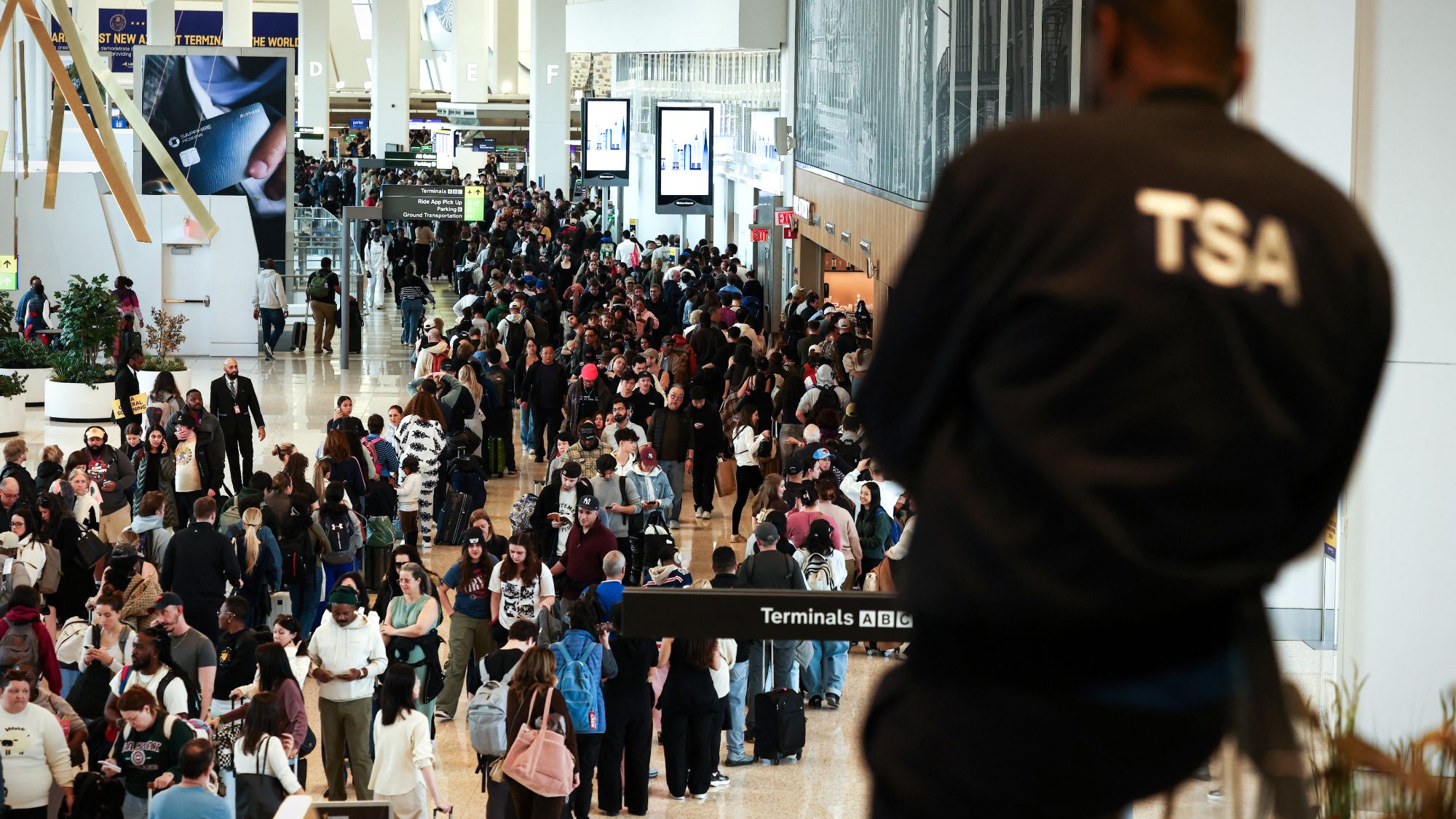
    President Donald Trump and White House border czar Tom Homan yesterday said immigration agents would be deployed at some U.S. airports starting today to help the Transportation Security Administration move travelers through security lines faster. Homan said his goal was to free up trained TSA agents. Trump on Saturday portrayed the move as a way to pressure Democrats to stop blocking Homeland Security Department funding to force a change in ICE tactics. TSA agents, like most DHS employees, have been working without pay since Feb. 14. ICE agents are being paid through a different DHS account.

    Who said what
    Until Democrats agree to fund DHS, ICE agents would “do Security like no one has ever seen before, including the immediate arrest of all Illegal Immigrants,” Trump said on social media. His first posts on the deployment “came as a surprise to officials inside ICE and at DHS, who have spent the weekend trying to figure out how it could work,” The Wall Street Journal said, citing three people familiar with the matter. The officials also “expressed frustration with the plan,” saying it would “distract” from mass deportations and reduce “Republicans’ leverage in the funding fight.” 

    Transportation Secretary Sean Duffy yesterday told ABC News that “Democrats want to see long lines at airports as leverage,” and Trump was “trying to take that leverage away.” Senate Republicans on Saturday “rejected a motion by Democrats to take up legislation to fund TSA,” The Associated Press said. Trump last night urged Republicans to reject any DHS funding deal with Democrats unless Congress passes an elections bill with stricter voting registration rules.

    What next?
    The ICE deployment is “a work in progress,” but “we’ll have a plan by the end of today,” Homan told CNN yesterday, and “we will be at airports tomorrow, helping TSA.”


    TODAY’S AIR SAFETY Story

    NYC’s LaGuardia closed after 2 killed in jet-truck crash

    What happened
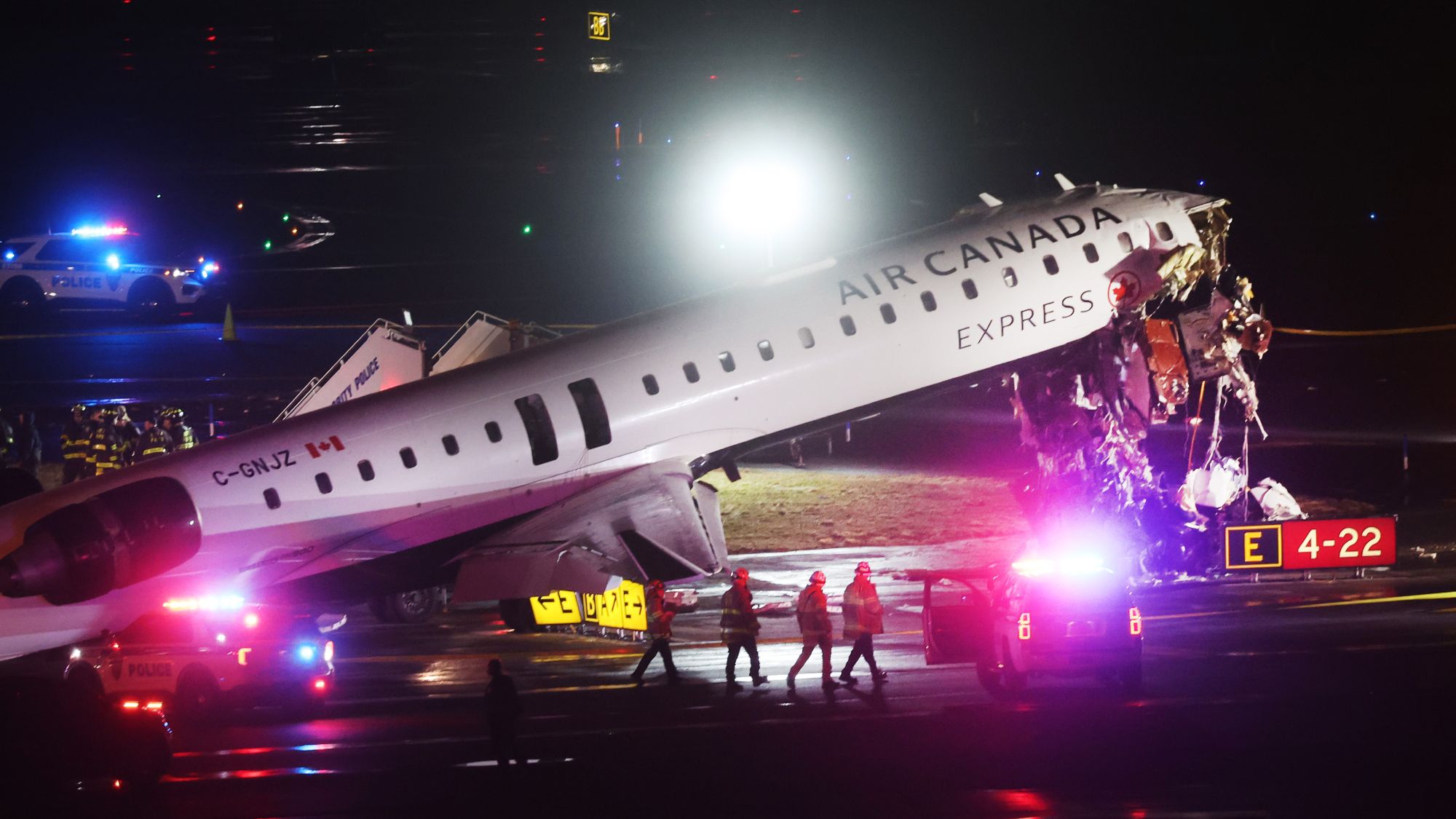
    An Air Canada regional jet landing at New York’s LaGuardia airport last night crashed into a fire truck, killing the pilot and copilot, the Port Authority of New York and New Jersey said this morning. The Federal Aviation Administration shut down all flights at the airport until 2 p.m. today to facilitate the investigation of the collision. Of the 72 passengers and crew aboard the flight from Montreal, 41 were hospitalized and 31 have since been released, Port Authority Executive Director Kathryn Garcia said at a press conference this morning. 

    Who said what
    Air Canada Express Flight 8646, operated by Jazz Aviation, struck a rescue and firefighting truck that was “responding to a separate incident” shortly before midnight, LaGuardia said in a statement. Photos of the scene showed “severe damage to the front of the aircraft, with cables and debris hanging from a mangled cockpit,” and the “damaged emergency vehicle” on its side nearby, The Associated Press said. 

    The plane was “going about 130 miles per hour just before it hit the fire truck,” CNN said, citing data from Flightradar24. Air traffic control had granted the truck permission to cross the runway to a United flight that had reported an odor making flight attendants ill, then seconds later urgently ordered the truck to stop, according to audio from the tower. The National Transportation Safety Board said it was investigating the incident.

    What next?
    LaGuardia is a “critical hub for the busy Northeast corridor,” with “nearly 900 departures and arrivals each day,” The New York Times said. More than 400 flights were canceled today, “compounding delays at an airport already under strain” from TSA worker shortages.


    It’s not all bad

    Australian scientists have created what they say is the first early-stage quantum battery, which charges wirelessly with a laser. Until now, quantum batteries have been a “theoretical concept” to use the “principles of quantum mechanics to store energy,” said The Guardian. The prototype completed a full battery cycle and held the charge for a few nanoseconds, but researchers aim to increase storage time and develop quantum batteries that “charge almost instantaneously” and can power small electronic devices.


    Under the radar

    Climate change is fueling a physical inactivity crisis

    Warming temperatures from climate change will likely lead to high levels of physical inactivity in the future, with potentially significant public health implications. Heat leads to dehydration and exhaustion and creates overall inhospitable conditions. Regions with less air conditioning and fewer cooling facilities will see the highest reduction in activity. Without intervention, more places will be affected.

    Rising temperatures are “projected to increase the prevalence of physical inactivity, translating into additional premature deaths and productivity losses,” said a study published in The Lancet Global Health. The study analyzed data from 156 countries between 2000 and 2022. The results showed that by 2050 “each additional month with an average temperature above 27.8°C (82°F) would increase physical inactivity by 1.5 percentage points globally and by 1.85 percentage points in low- and middle-income countries,” The Lancet said in a press release.

    With this reduction in physical activity, there would be a “predicted 0.47-0.70 million additional premature deaths annually and $2.40-3.68 billion in productivity losses,” said the release. 
    “Outdoor laborers, street vendors and subsistence farmers cannot easily shift physical exertion to cooler hours,” said the study. “Women and adolescents often lack access to climate-controlled recreational spaces.” 

    “The link between physical inactivity and chronic diseases is so strong that any compromise to achieving regular exercise” will “pose broad public health risks,” Jonathan Patz, the chair of health and the environment at the University of Wisconsin-Madison, told The Washington Post. The new research suggests that prioritizing reducing greenhouse gas emissions as well as building cooling infrastructure will be necessary for human health.


    On this day

    March 23, 1857

    The first modern elevator was installed in a department store in New York City. While the device, invented by Elisha Otis, was not the world’s first lifting system, it was the first elevator to have a series of built-in safety mechanisms, including a steam-powered cable system and brakes.


    TODAY’S newspaperS

    ‘Just add ICE’

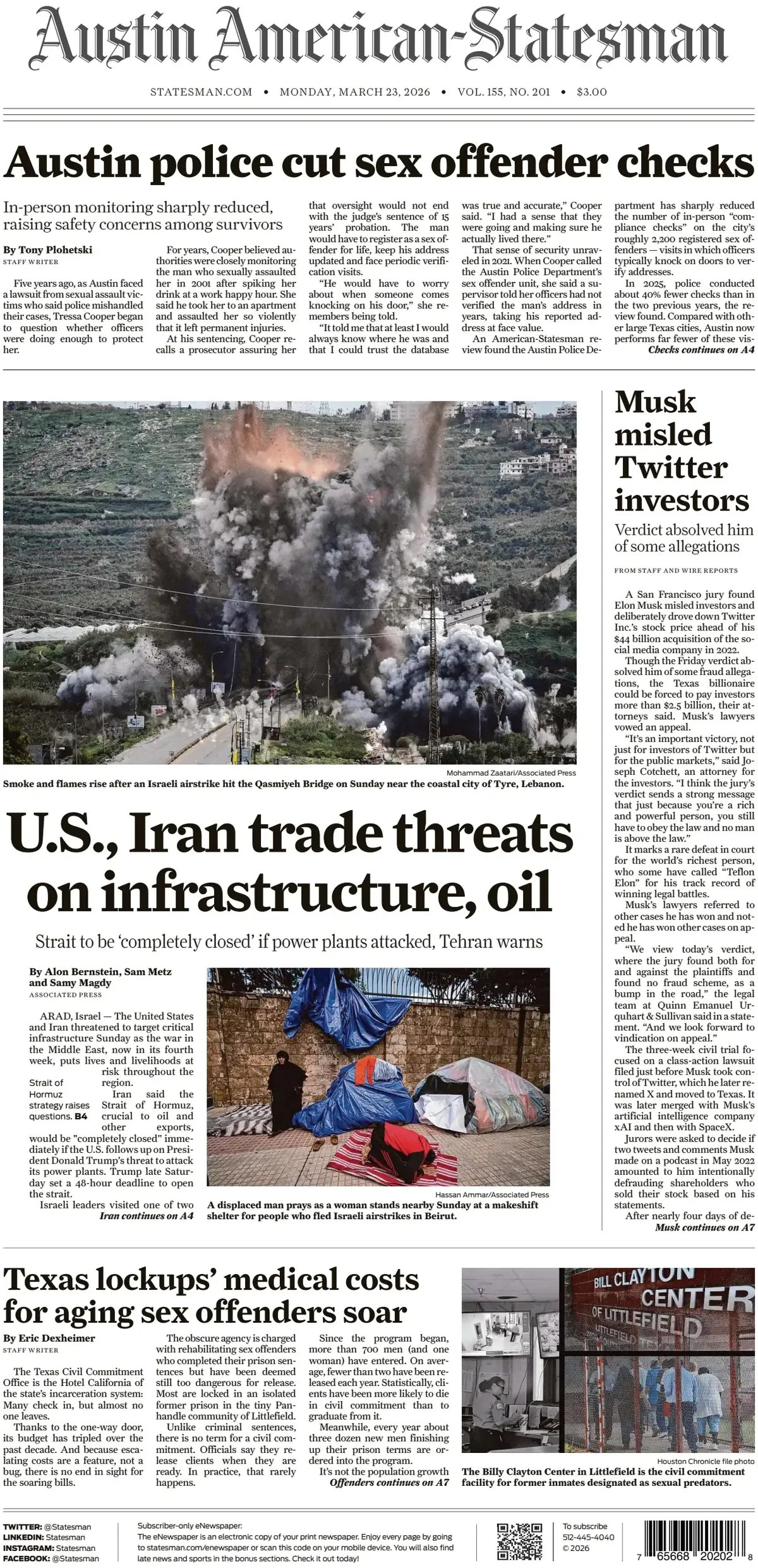
    “Trump, Tehran exchange threats,” The Wall Street Journal says on Monday’s front page. “Hits on Mideast infrastructure place world economy in peril,” says The New York Times. “Trump’s solution to TSA absences: Just add ICE,” The Washington Post says. “ICE agents at airports drawing concerns,” The Boston Globe says. “ICE shells out $200 million for warehouses in Georgia,” The Atlanta Journal-Constitution says. “Hawaii hit with worst flooding in decades,” the San Francisco Chronicle says. “Musk misled Twitter investors,” the Austin American-Statesman says. “Justices take up mail-in ballots,” as “Trump and GOP seek to limit grace period,” says USA Today. “New HIV prevention shot shows promise,” says the Arizona Republic.

    ► See the newspaper front pages


    Tall tale

    Attention hog

    A tiny porker named Merlin set a Guinness World Record for being the most followed pig on Instagram, with more than 1.1 million people signed on to track his exploits. Merlin is known for videos showing him pressing buttons that “play voice recordings that specify his current needs and desires,” said UPI. In one clip, he pushes a button that says “vegetable please,” and when his owner tells him no more food, Merlin responds by hitting the “sad” and “pay attention to me right now” options.


    Morning Report was written and edited by Nadia Croes, Catherine Garcia, Scott Hocker, Anya Jaremko-Greenwold, Justin Klawans, Rafi Schwartz, Peter Weber and Kari Wilkin, with illustrations by Stephen Kelly and Julia Wytrazek.

    Image credits, from top: Celal Gunes / Anadolu via Getty Images; Charly Triballeau / AFP via Getty Images; Spencer Platt / Getty Images; Illustration by Marian Femenias-Moratinos / Getty Images
     

    Recent editions

    • Sunday Shortlist

      A science teacher saves the universe

    • Saturday Wrap

      A lack of homeland security?

    • Evening Review

      Are the US and Israel fighting the same war?

    VIEW ALL
    TheWeek
    • About Us
    • Contact Future's experts
    • Terms and Conditions
    • Privacy Policy
    • Cookie Policy
    • Advertise With Us
    • FAQ
    Add as a preferred source on Google Add as a preferred source on Google

    The Week is part of Future US Inc, an international media group and leading digital publisher. Visit our corporate site.

    © Future US, Inc. Full 7th Floor, 130 West 42nd Street, New York, NY 10036.