The Week The Week
flag of US
US
flag of UK
UK
https://cdn.mos.cms.futurecdn.net/flexiimages/jacafc5zvs1692883516.jpg

SUBSCRIBE & SAVE

Less than $3 per week

Sign in
  • View Profile
  • Sign out
  • The Explainer
  • The Week Recommends
  • Newsletters
  • Cartoons
  • From the Magazine
  • The Week Junior
  • Student Offers
  • More
    • Politics
    • World News
    • Business
    • Health
    • Science
    • Food & Drink
    • Travel
    • Culture
    • History
    • Personal Finance
    • Puzzles
    • Photos
    • The Blend
    • All Categories
  • Newsletter sign up Newsletter
  • The Week’s Saturday Wrap
    Counterterrorism gaps, why MAHA's mad
    at Trump, and the war on the press

     
    controversy of the week

    Iran: Is the U.S. ready for a new wave of terrorism?

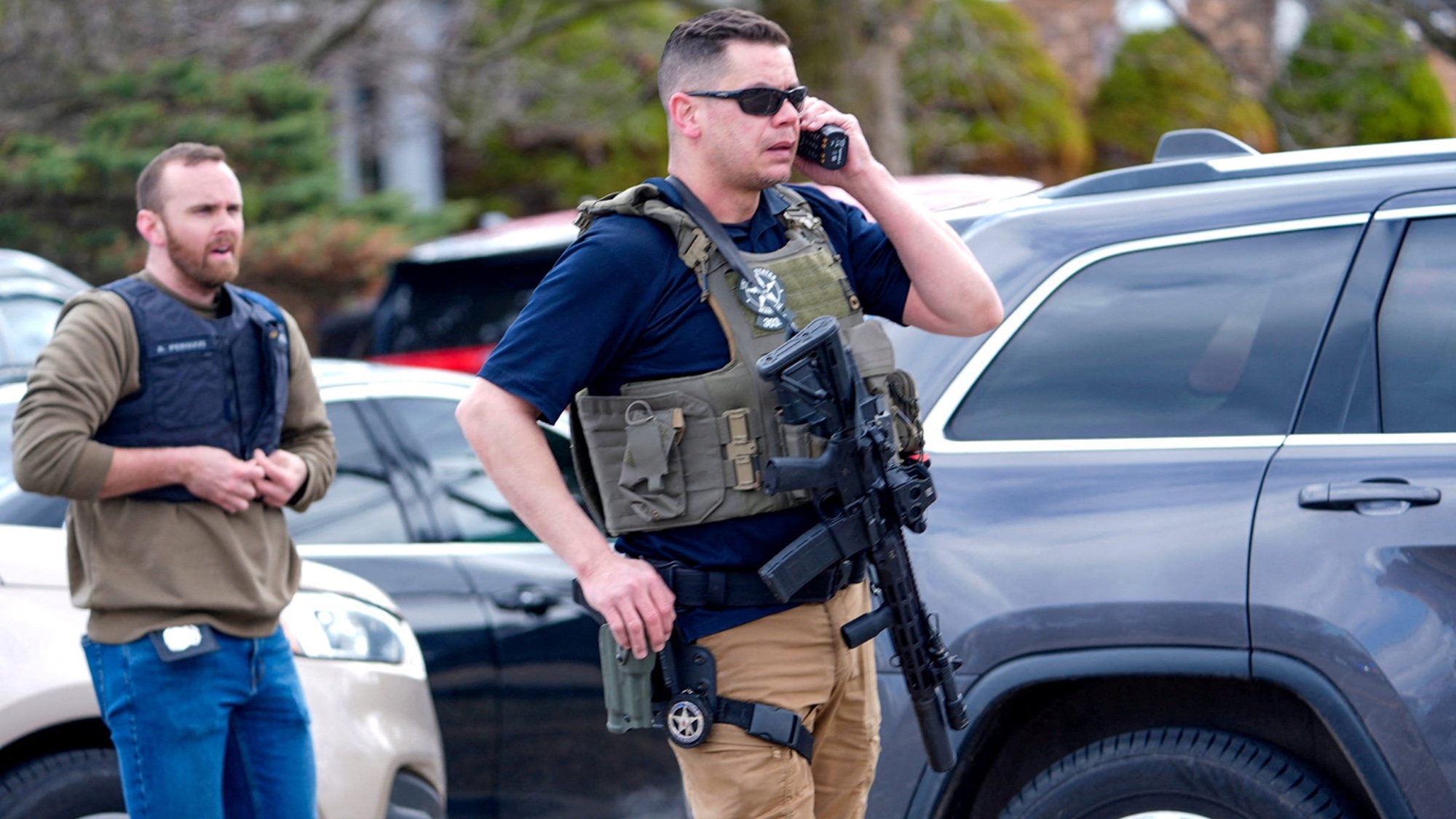
    As President Trump boasts about the pain he’s inflicting on Iran, Americans are discovering “violence has a way of breaking containment,” said Campbell Robertson and Tim Arango in The New York Times. On March 1, the war’s second day, a gunman wearing a T-shirt with Iranian flag colors opened fire outside a bar in Austin, killing three people and wounding 15. A week later, two ISIS-supporting teenagers from Pennsylvania tried to explode homemade bombs at a protest in New York City. And in the space of two hours last week, an ISIS supporter fatally shot an ROTC instructor at Old Dominion University in Virginia, and a Lebanese American man rammed an explosive-laden truck into a synagogue in West Bloomfield Township, Mich., where 140 children were attending preschool. The attacker, Ayman Mohamad Ghazali, was killed by security; his was the only death. There’s no evidence Iran directed any of these attacks. But faced with an existential threat, the regime in Tehran might activate “sleeper cells” and conduct assassinations, bombings, and cyber strikes in the U.S. The violence in the Middle East could also inspire more attacks by “lone offenders” like Ghazali, who went on the rampage after an Israeli air strike on Hezbollah targets in Lebanon killed four members of his family.

    “Team Trump may be less ready to deal with” such threats “than previous administrations,” said Daniella Cheslow in Politico. It’s not just that the Department of Homeland Security is partially shut down, with Democrats refusing to fund the department unless there are meaningful immigration enforcement reforms. It’s also that former DHS secretary Kristi Noem slashed the staff at an intelligence office “that would ordinarily focus on the kind of threats posed by Iran.” Meanwhile, the National Counterterrorism Center, which fuses intelligence about threats from across government, has shifted its focus under Trump toward drug cartels. And then there’s Kash Patel, said former FBI agent Jacqueline Maguire in The New York Times. The “sophomoric” FBI director has redirected counterterrorism personnel to work on Trump’s migrant crackdown and purged scores of agents, including a dozen Iran specialists just days before the war. Their crime: taking part in past investigations of Trump.

    The deeper problem is that terrorism has evolved, said Kevin Cohen in The Wall Street Journal. In the years after 9/11, security agencies focused on keeping foreign radicals from either entering the country or recruiting people already here. But in 2026, most terrorists are “made in the USA,” like last week’s attackers: U.S.-born or naturalized citizens who “self-radicalize” and who are near impossible to identify before they act. Not everything has changed, said The Free Press in an editorial. We don’t help ourselves by ignoring the truth that these terrorists share the same Islamist ideology that motivated the 9/11 hijackers. “A society that cannot name its enemies cannot protect itself against them.”

    If demonizing Muslims were enough to keep us safe, Trump might be the perfect leader for this moment, said Jackie Calmes in the Los Angeles Times. But it isn’t, and he isn’t. The same “recklessness” that led Trump to launch a war with no clear goal or exit plan has left us effectively undefended from “retaliatory attacks.” Our security agencies have been gutted. The professionals who ran them have been replaced with “genuflecting enablers.” And they answer to a president who, when asked last week if he expected Iran- related terrorism on U.S. soil, could only reply with a shrug: “I guess.” 


    VIEWPOINT

    ‘Epic Fury’ is on brand for Trump

    “Operation Epic Fury is a quintessentially Trumpian choice for the name of a war. Every thing Trump does, at least as he sees it, is  epic—the biggest, the most, the first, ‘like we’ve never seen before,’ as he likes to say. And much of what he does seems to be driven by fury, a deep and abiding enmity toward the forces arrayed against him or those he blames for what he considers the downfall of the country under other presidents. While other military operation names in modern times have evoked broader American values or uplifting sentiments like freedom and hope, Trump prefers rage. Anger defines Trump’s decade on the political stage.”

    Peter Baker in The New York Times


    briefing

    The weed-killer wars

    Trump wants the U.S. to ramp up production of glyphosate.
    The MAHA movement is furious.

    What is glyphosate? 
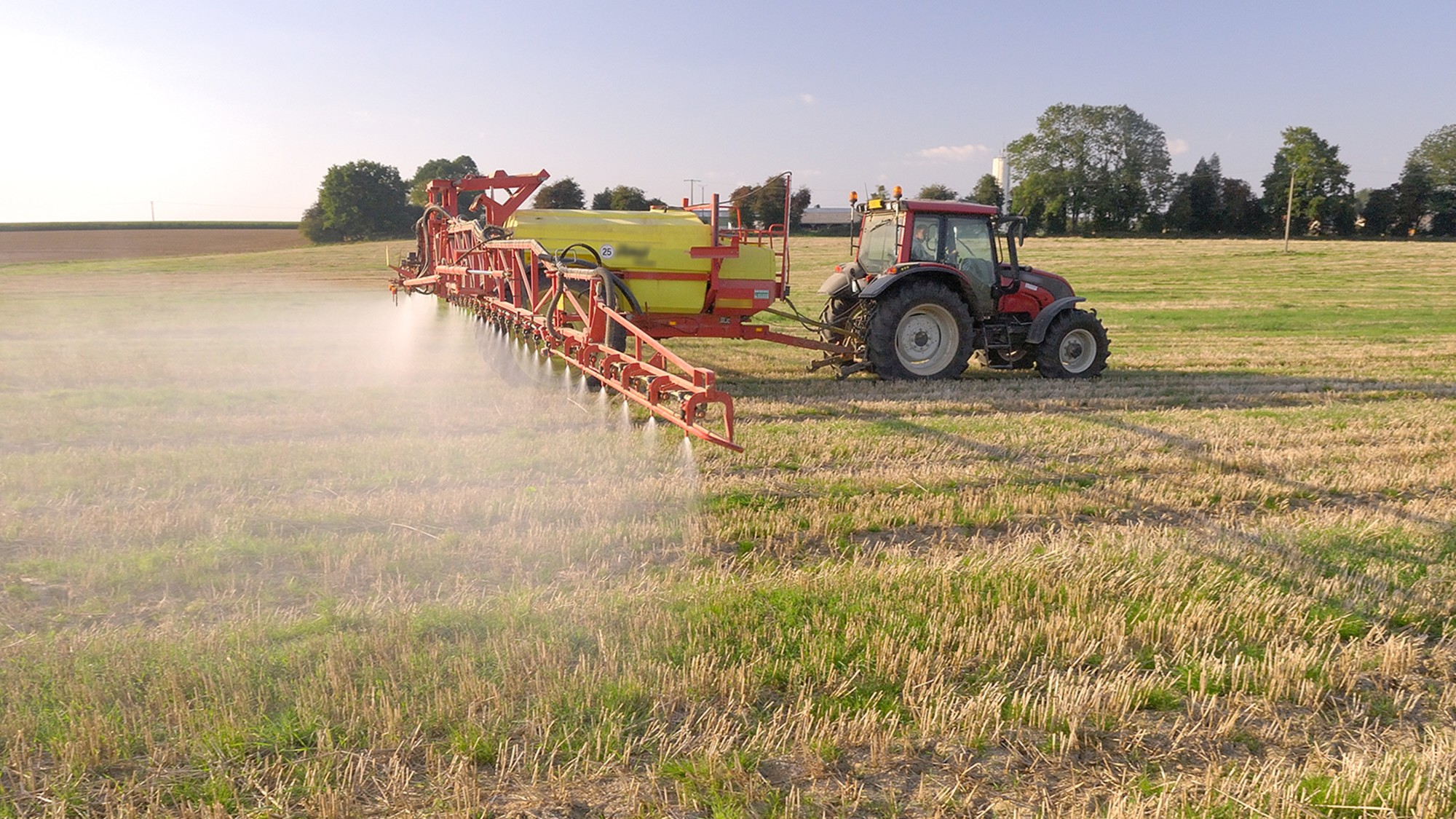
    It’s the world’s most used herbicide, best known in the U.S. as Roundup. American farmers alone spray about 300 million pounds of it on fields annually. Such chemical herbicides have long been opposed by environmental groups and Health Secretary Robert F. Kennedy Jr.’s MAGA- aligned Make America Healthy Again movement, which claims glyphosate causes cancer and other health problems. Bayer, the German chemicals giant that makes Roundup, last month proposed a $7.25 billion settlement to resolve tens of thousands of lawsuits from people who allege the  glyphosate-based weed killer is to blame for their non- Hodgkin lymphoma, a cancer of the immune  system. (Bayer insists glyphosate is safe and has not admitted liability, but in 2023 began phasing the chemical out of Roundup sold for residential use.) So MAHA activists were stunned when President Trump issued an executive order a day after the settlement was announced to boost glyphosate production, calling it “central to American economic and national security.” Zen Honeycutt, founder of the MAHAlinked Moms Across America group, said she felt “sick to my stomach” when she read the executive order, calling it, “a love letter to glyphosate.”

    Is glyphosate safe?
    The evidence is mixed. The International Agency for Research on Cancer, an affiliate of the World Health Organization, designated the herbicide in 2015 as “probably carcinogenic to humans.” Bayer points out that the IARC puts drinking hot beverages and eating red meat at the same hazard level as glyphosate, and that other public health  bodies— including the EPA and the U.N.’s Food and Agriculture  Organization— disagree with this assessment. But Lianne Sheppard, a University of Washington professor who served on the EPA panel that reviewed glyphosate in 2016, notes that scientific evidence for the herbicide’s effects on human health has recently “strengthened for cancer and other end points.”

    What is that evidence? 
    A  meta-study she co-authored found that people with high  exposures—such as agricultural workers or people who live near farms—have a 41% increased risk of developing non- Hodgkin lymphoma.  Meanwhile, laboratory studies using human cells and animals suggest glyphosate can damage DNA and harm the liver and kidneys. Critics caution that animal and cell studies typically use far higher exposure levels than most people would encounter. “There’s just no compelling evidence that glyphosate causes cancer,” said Robert Tarone, a 28-year veteran of the National Cancer Institute. But other scientists argue that there’s a lack of hard evidence showing glyphosate to be safe, especially following the retraction in November of a landmark study cited by many regulators as proof that the herbicide is not carcinogenic. 

    Why was the study pulled? 
    Because lawsuits against  Monsanto—the former owner of Roundup, which Bayer acquired for $63 billion in 2018— revealed emails that show the company’s scientists secretly helped conceive and write the supposedly independent study. In messages sent in 2000, one Monsanto employee complimented her colleagues’ “hard work” on the paper and said the “plan is now to utilize it both in the defense of Roundup and Roundup Ready crops worldwide.” In withdrawing the study, the Regulatory Toxicology and Pharmacology journal cited “serious ethical concerns” over the “independence and accountability of the authors,” who may have been paid by Monsanto for their work. The study’s retraction doesn’t mean its findings were incorrect, but it adds to the haze of uncertainty around glyphosate. “We absolutely must study it, given it is the most commonly used herbicide in the world,” said Brenda Eskenazi, a public health expert at the University of California, Berkeley. “Even a small, tiny effect, if it’s real, can have a huge public health impact because so many people would be exposed.”

    How many people are exposed to the herbicide?
    A 2024 CDC study found glyphosate traces in the urine of about 70% to 80% of Americans, but researchers say that the presence of the chemical does not mean it is causing harm. While running for president in 2024, Kennedy vowed to curb Americans’ exposure to glyphosate, which he called “one of the likely culprits in America’s chronic disease epidemic.” And as an environmental lawyer in 2018, Kennedy won a nearly $290 million lawsuit against Monsanto, in which he argued Roundup caused his school  groundskeeper-client to develop cancer. But since joining the agribusiness- friendly Trump administration, Kennedy has quietened his criticisms.

    What has he said about glyphosate?
    The first report from the White House’s Kennedy-led MAHA Commission in May mentioned glyphosate once in 72 pages, saying studies have “noted a range of possible health effects.” A second 20-page report in September made no mention of it. That led to rumblings of discontent in the MAHA movement, which became thunderous after Trump’s executive order. In a statement, Kennedy said herbicides “are toxic by design” but that he backed the president’s order as a necessary step “to bring agricultural chemical production back to the United States.” Many MAHA supporters—a group that includes 62% of parents who identify as  Republican— called that about-face a betrayal. So-called MAHA moms “feel like they were lied to,” said conservative wellness influencer Alex Clark. “How am I supposed to rally these women to vote red in the midterms?” Kelly Ryerson, a MAHA advocate who goes by Glyphosate Girl online, said the order feels “very, very much like the breaking point. People can’t continue to make excuses for the administration.” 


    Only in America

    A federal judge has dismissed a $100,000 lawsuit from a German tourist who found the salsa at a Manhattan taqueria “too spicy.” Faycal Manz admits he added “a lot of spoons” of Los Tacos No. 1’s salsa verde to his taco, but says he was unprepared for the resulting “physical symptoms.” Judge Dale Ho found the restaurant had no duty to warn diners that its salsa is spicy, and indeed that “the spice is often the point.”


    talking points

    Media: The war over war reporting

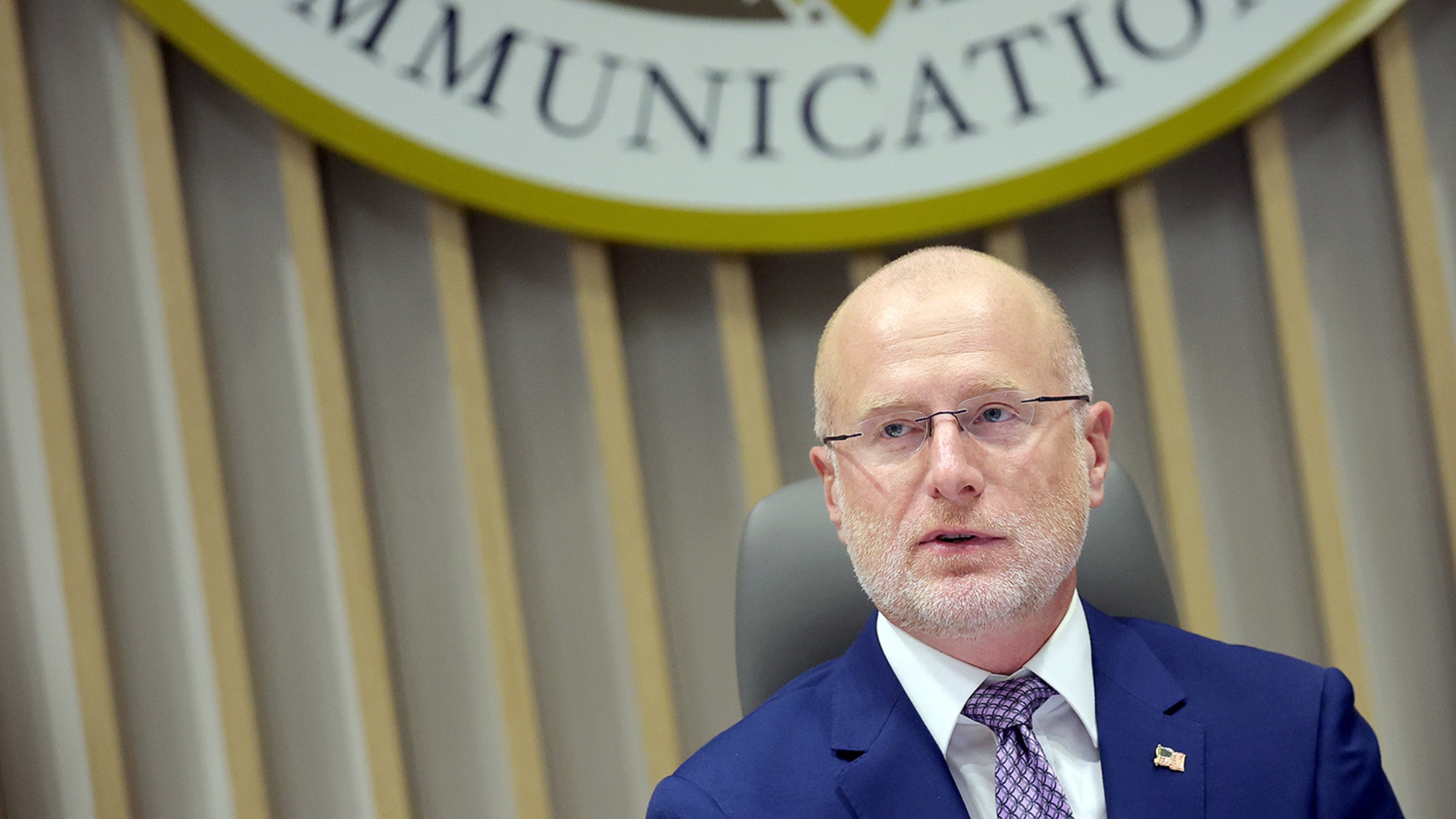
    The Trump administration has identified a new enemy in its war on Iran, said Caitlin Vogus in The Guardian: the American media. Frustrated that outlets are daring to inform the public about U.S. casualties, the conflict’s economic fallout, and the administration’s “lack of planning or strategy,” President Trump and his allies are pressuring news organizations to provide favorable coverage—or else. Trump has mused online about “charges for TREASON” for journalists and “lowlife ‘papers’” that “perpetuate LIES.” Federal Communications Commission chair Brendan Carr has threatened to revoke the licenses of broadcasters that air what he deems “hoaxes and news distortions.” And Defense Secretary Pete Hegseth has used Pentagon briefings to assail outlets for being insufficiently patriotic, saying “the sooner” CNN is taken over by Trump-friendly billionaire and Paramount owner David Ellison, “the better.” It seems that, rather than a free press, the Trump administration wants a media that “operates more like that in, well, Iran,” with “obedient, state-run broadcasters that run propaganda praising a supreme leader and his wars.” 

    “Carr’s threats ring hollow,” said Brian Stelter in CNN.com. The FCC hasn’t yanked a broadcaster’s license in decades, and any revocation attempt would spark an ugly, years-long litigation battle “with many opportunities for stations to beat back the Trump administration’s pressure.” Broadcasters would be favored to win any case, by arguing their free speech rights are threatened by “Trump’s retributive streak” and by noting that reporting the truth of the war is in the public’s interest. Still, “station owners have to be willing to defend themselves. And that’s not always a given.” Carr knows that some outlets will change their coverage rather than “go through the arduous work of defending themselves,” said Tom Jones in Poynter.org. And he knows that broadcasters are uniquely vulnerable to pressure when they have a merger requiring FCC approval—like station owners Nexstar and Sinclair, which temporarily pulled Jimmy Kimmel’s late night show last year after Carr complained about the comedian. 

    This ongoing crusade against the free press is deeply un-American, but also highly revealing, said Steve Benen in MS.now. When a war is going well, administrations typically don’t “whine incessantly about media coverage” and threaten news organizations. If Trump and his team genuinely felt confident about achieving their objectives in Iran, they wouldn’t be making the “kind of hysterical press complaints we’re seeing now.” They can shoot the messenger, but that won’t change the fact that their unpopular war in Iran is not going to plan. 


    people

    How Styles hit his stride

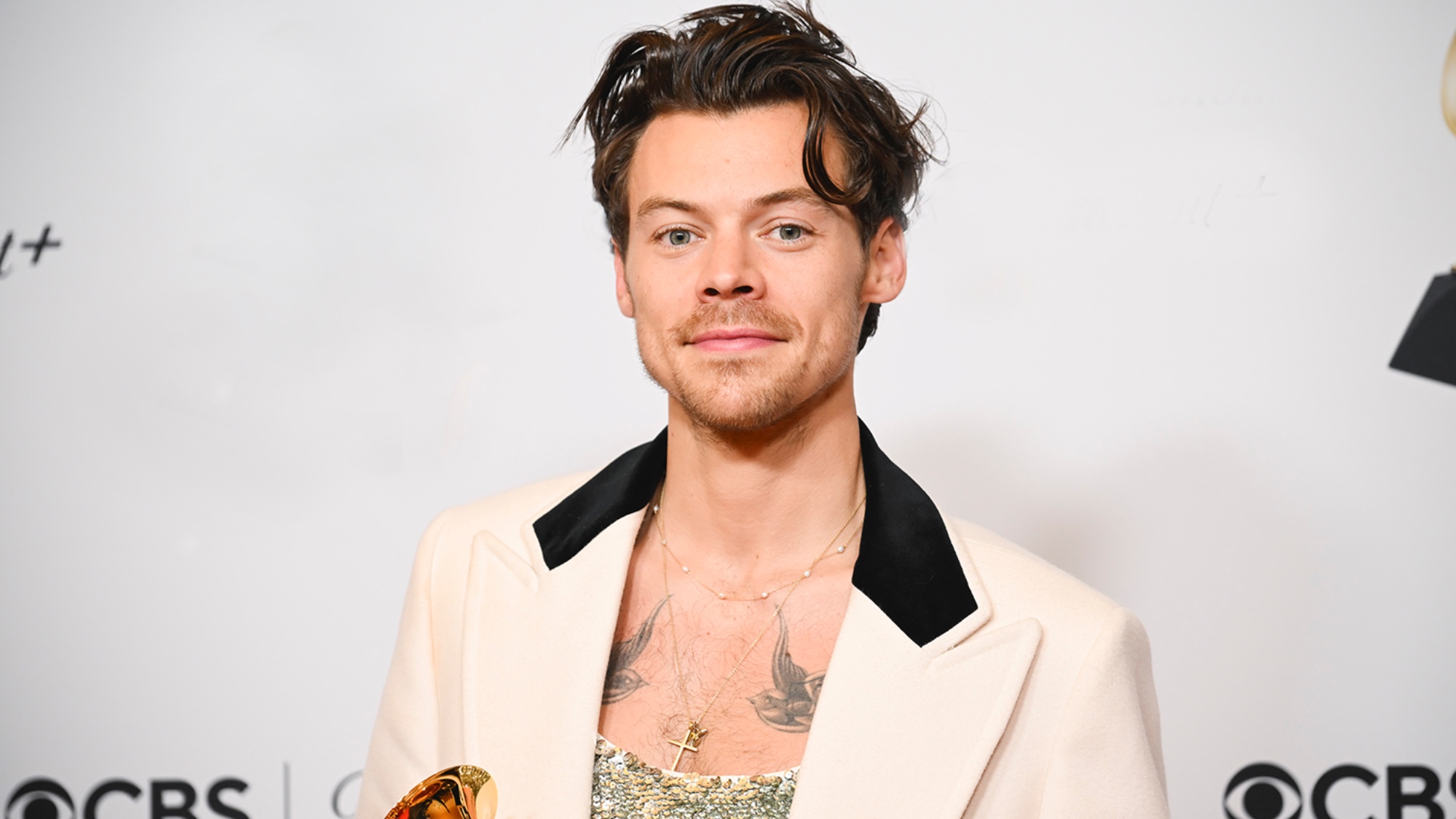
    Harry Styles has found a way to escape the pressures of fame, said Sophie Heawood in Runner’s World. The Grammy-winning pop star has become a serious runner, logging his first marathon in Tokyo last year and then finishing the Berlin Marathon in under three hours just six months later. Discovered at age 16 on British talent show The X Factor, Styles became a megastar within months, first as a member of the boy band One Direction and then as a solo artist, and he’s been touring his entire adult life. After turning 30 in 2024, he says he took a break “for the first time in—well, in some ways, ever,” and found running could offer a chance for reflection. “The reward system and the kind of adulation that you can receive feels so loud. But what am I contributing? At times I felt quite existential about that.” Now he trains daily in the streets of London, unbothered that fans might recognize him. “With people who see me, it’s a bit more ‘Was that...?’ rather than, ‘Oh look, it’s him!’ And by that time, you’re already gone.” His musical success, he says, has always been a team effort, with producers and collaborators who help craft his sound. But with running, “it’s just you, alone, moving through the world. You don’t need anything, just a pair of shoes.”


    Saturday Wrap was written and edited by Theunis Bates, Conor Devlin,
    Bill Falk, Bruno Maddox, and Rebecca Nathanson.

    Image credits, from top: Reuters, Getty, Getty, Getty
     

    Recent editions

    • Evening Review

      Are the US and Israel fighting the same war?

    • Morning Report

      Congress flinches at Iran war cost

    • Evening Review

      Iran war threatens China peace

    VIEW ALL
    TheWeek
    • About Us
    • Contact Future's experts
    • Terms and Conditions
    • Privacy Policy
    • Cookie Policy
    • Advertise With Us
    • FAQ
    Add as a preferred source on Google Add as a preferred source on Google

    The Week is part of Future US Inc, an international media group and leading digital publisher. Visit our corporate site.

    © Future US, Inc. Full 7th Floor, 130 West 42nd Street, New York, NY 10036.