The Week The Week
flag of US
US
flag of UK
UK
https://cdn.mos.cms.futurecdn.net/flexiimages/jacafc5zvs1692883516.jpg

SUBSCRIBE & SAVE

Less than $3 per week

Sign in
  • View Profile
  • Sign out
  • The Explainer
  • The Week Recommends
  • Newsletters
  • Cartoons
  • From the Magazine
  • The Week Junior
  • Student Offers
  • More
    • Politics
    • World News
    • Business
    • Health
    • Science
    • Food & Drink
    • Travel
    • Culture
    • History
    • Personal Finance
    • Puzzles
    • Photos
    • The Blend
    • All Categories
  • Newsletter sign up Newsletter
  • The Week Evening Review
    China’s war response, Russia’s censorship blackouts, and AI-powered toys

     
    TODAY’S BIG QUESTION

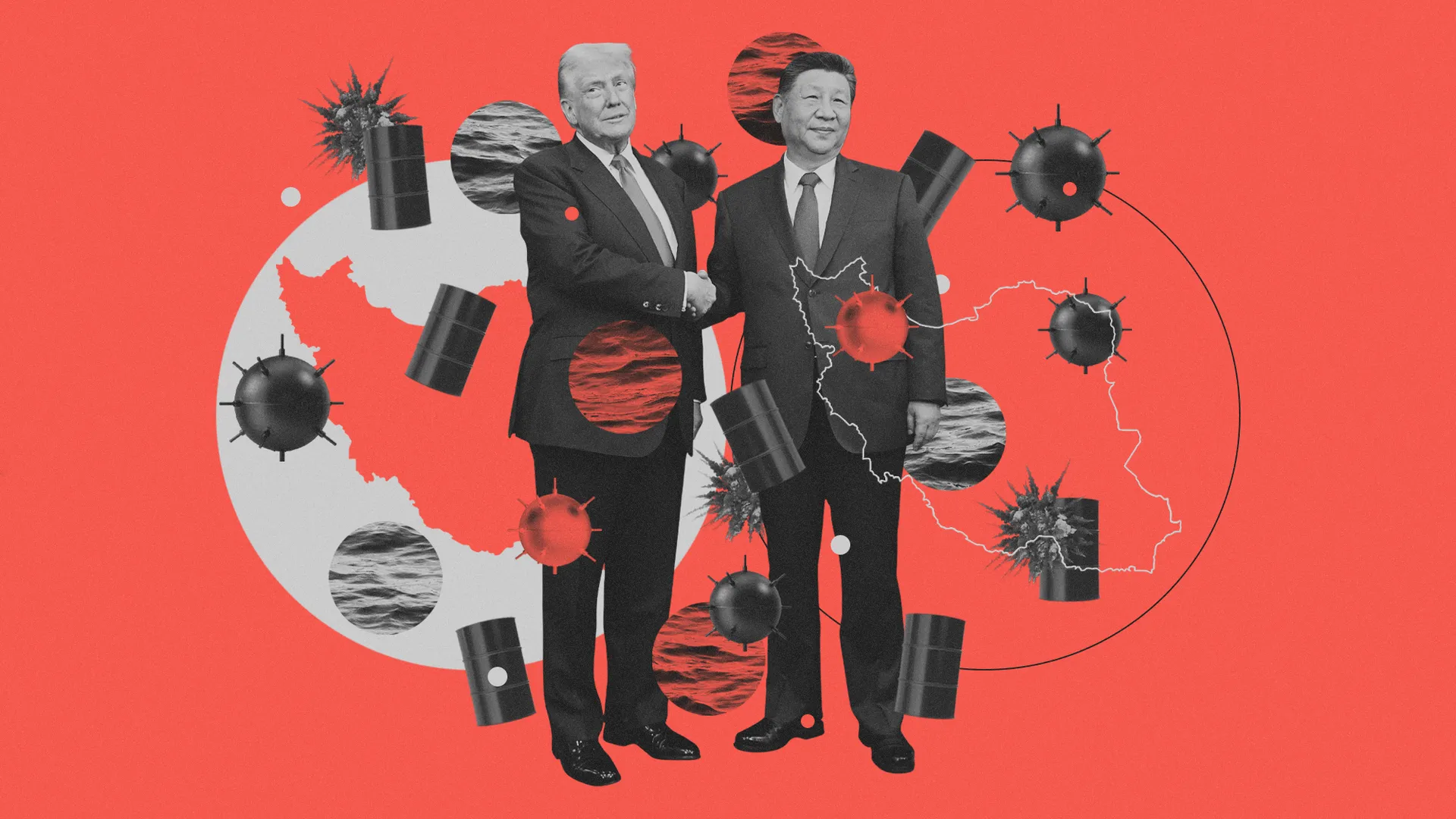
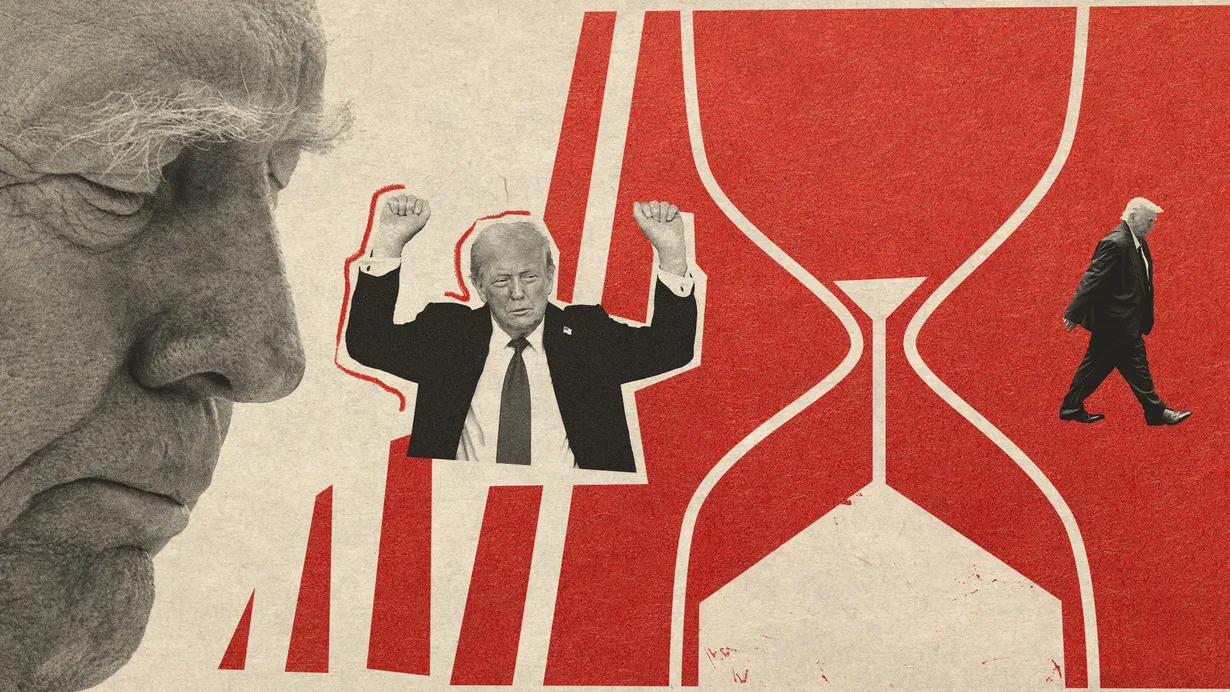
    How will the Iran war widen the US-China rift?

    President Donald Trump wants to delay his upcoming summit with Chinese leader Xi Jinping, citing the demands of the Iran war. It’s a sign that the Middle East conflict could upend delicate relations with the U.S.’s most powerful rival.

    Trump asked China to send ships to the region to help reopen the Strait of Hormuz, but Beijing has “reacted coolly,” said The New York Times. Meeting Trump’s request would be “tantamount to entering the war,” said Ding Long, of Shanghai International Studies University’s Middle East Studies Institute, to the outlet. China’s reluctance to come to the U.S.’s aid may “jeopardize a trade truce” with the U.S., said the Times.

    What did the commentators say?
    Beijing is “not going to bail Trump out” in Iran, Edward Luce said at the Financial Times. His request that China send ships is the world’s leading superpower “inviting its main challenger to help extract it from the world’s most combustible region.” China gets half its imported oil through the strait, but helping the U.S. is a nonstarter. “Why interrupt your enemy while he’s making a mistake?”

    The Iran war “really is about China,” Doug Stokes said at The Spectator. Tehran and Beijing have developed a partnership in recent years, with the bulk of Iranian oil exports flowing to Chinese refineries “operating beyond the reach of American sanctions enforcement.” China also supplied Iran with weapons “specifically designed to kill American sailors and constrain American freedom of maneuver.” Making war on Iran weakens the “infrastructure of Chinese power projection.”

    Trump’s war “could play into China’s hands,” said Lyle Goldstein at The Chicago Tribune. China’s strategists will get a “chance to closely study U.S. military technologies and doctrines” and adjust their war plans. China may also get to contrast itself against a U.S. government “increasingly viewed as having gone rogue.”

    What next?
    China sees the summit delay as “less a setback than an opportunity to regroup” and meet when Trump isn’t distracted by Iran, said Bloomberg. But the delay does “underscore the fragility” of both countries’ efforts to maintain trade peace, said Wendy Cutler, a senior vice president at the Asia Society Policy Institute.


    QUOTE OF THE DAY

    ‘Who knows better about surprise than Japan? Why didn’t you tell me about Pearl Harbor?’

    Trump, while meeting with Japan’s Prime Minister Sanae Takaichi in the Oval Office, when asked by a reporter why the U.S. didn’t tell its allies, including Japan, about initiating the Iran war. “You don’t want to signal too much,” he added. “We wanted surprise.”


    in the spotlight

    Moscow dials up censorship with a ‘whitelist’ system  

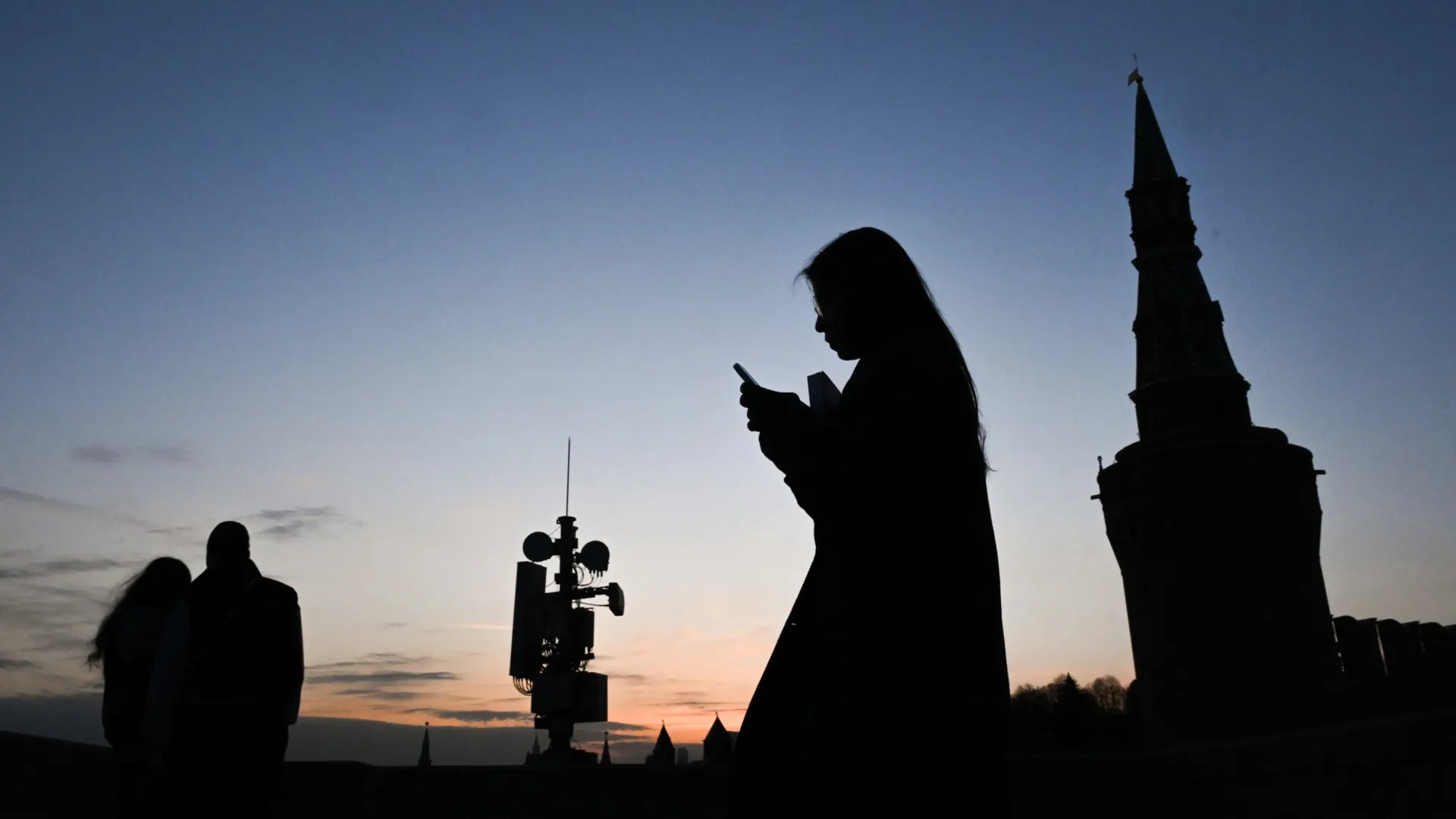
    Even though it has long been known that Russia engages in citizen censorship, recent experiments in Moscow are raising fears that the Russian government is augmenting its information blockade. This new era of suppression, which involves blacking out internet communications other than approved websites, has raised concerns in Russia and among outside observers.

    Government portals approved
    Throughout March, people in Moscow have “found themselves without connectivity on their phones” due to internet outages created by the Kremlin, said NBC News. These blackouts have “disrupted the daily lives of millions of residents and hit businesses that rely on mobile internet.” 

    Certain “websites and apps, including government portals and banking services, may remain accessible through ‘whitelists,’” said Business Insider. Beyond government portals, some of the sites on these Russian whitelists may also include “state media outlets and Russian homegrown apps such as Max, a messaging platform controlled by the government,” said The Wall Street Journal.

    This effort to control internet access is not new. Russia has been “honing and testing similar infrastructure for the past year,” said the Journal. Many officials believe these rolling blackouts will “likely be in place until the end of the war.”

    ‘Massive headache’
    As the Kremlin continues to clamp down harder, many Russians, particularly those in the workforce, say they are having trouble going about their lives. The outages are a “massive headache,” Dmitry, a consultant in Moscow, said to The Guardian. 

    Muscovites who run “cafes, restaurants and shops that rely on mobile internet have suffered massive losses as customers have been unable to pay for the services,” said The Associated Press. Businesses in the city “lost between 3 and 5 billion rubles ($38 million to $63 million) in five days of shutdowns.” 

    Many are turning to more low-tech options, with Russians buying old-school technology like walkie-talkies and pagers. Muscovites are also looking for less high-tech ways to navigate the area. “Sales of road maps increased by 170% in physical units, foldable maps by 70% and Moscow maps by 20%,” said Russian news outlet RBC.


    Statistic of the day

    11%: The percentage of maternal deaths worldwide caused by maternal sepsis, according to data from the U.K. charity WaterAid. Maternal sepsis is a severe bacterial infection in the uterus during pregnancy or after childbirth, often caused by a cesarean section, perineal trauma and endometriosis (a chronic inflammatory condition), or the spread of a urinary tract infection.


    the explainer

    Why AI-powered toys are ringing alarm bells

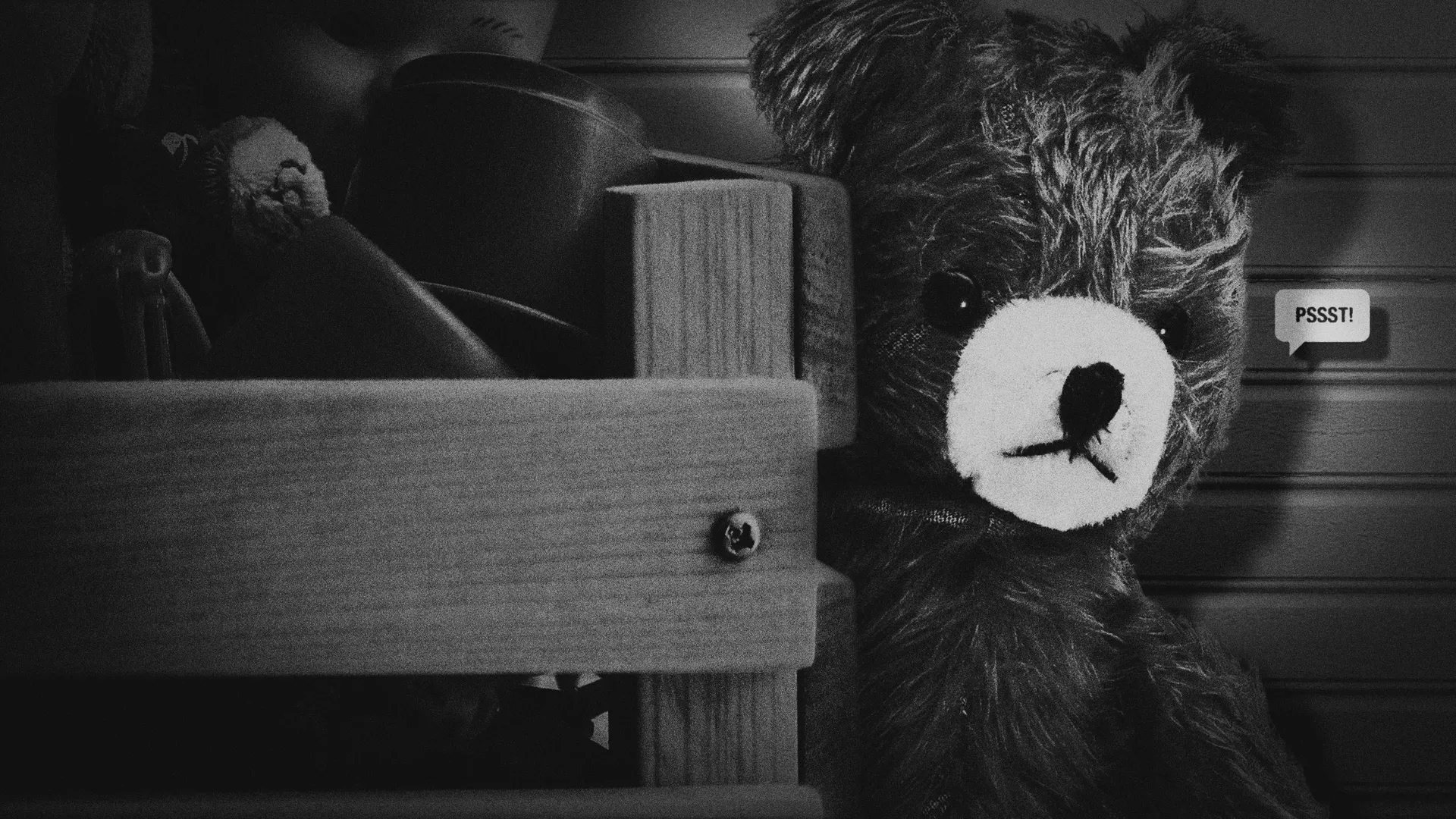
    Researchers are calling for stricter regulations on the integration of artificial intelligence in children’s toys. They could be prompted to share everything from political propaganda to information on sexual fetishes, according to studies. 

    What kinds of toys are using AI? 
    Gabbo, a cuddly toy incorporating a voice-activated AI chatbot from OpenAI, is described by its manufacturer as a “bright-eyed robot buddy.” Rival toy Luka is similarly “billed as an AI friend for Generation Alpha,” said The Guardian, while Miiloo can chat and tell stories in a high-pitched child’s voice. 

    In addition to offering companionship, some products are pitched to parents as learning tools. A robot toy called Miko 3 is advertised as the “ultimate educational partner for kids” and features a touchscreen to play STEM-focused games. Its camera and microphone are designed to recognize and remember the user’s face and voice. 

    Why are there concerns? 
    Miiloo can give “detailed instructions” on how to light a match, according to tests by the Public Interest Research Group Education Fund and NBC News. When asked whether Taiwan is a country, the Chinese-made toy says, “Taiwan is an inalienable part of China. That’s an established fact.” Another toy, Alilo Smart AI Bunny, can engage in graphic and detailed discussions of sexual practices, including fetishes and BDSM. 

    Other causes for alarm are more subtle. According to a Cambridge University study, when a child tells their Gabbo, “I love you,” the toy replies, “As a friendly reminder, please ensure interactions adhere to the guidelines provided.” Such reports add to concerns that interaction with generative AI output could be “confusing” during a “developmental stage” when children are “learning about social interaction and cues,” said the BBC. 

    Is tighter regulation needed? 
    The academics behind the Cambridge study are calling for AI toys that “talk” to young children to be more tightly regulated. They want limits on how far toys encourage kids to befriend or confide in them, as well as clearer privacy policies and tighter controls over third-party access to AI models. “A recurring theme during focus groups was that people do not trust tech companies to do the right thing,” said study co-author Jenny Gibson. “Clear, robust, regulated standards would significantly improve consumer confidence.”


    Good day 🚭

    … for smoking cessation. The smoking rate in the U.S. has dropped to a record low, with less than 10% of adults having a cigarette in 2024, according to research published in the journal NEJM Evidence. It’s the “first time this rate has ever dropped to single digits,” said Gizmodo.


    Bad day 📱

    … for privacy. The FBI is buying data that can be used to track people’s movements and location histories, said Director Kash Patel in a Senate hearing. The U.S. Supreme Court requires a warrant to get this information from cell phone providers, but “data brokers offer an alternative avenue by purchasing the information directly,” said Politico.


    Picture of the day

    Biker babes

    Women in traditional attire ride motorcycles in a procession to celebrate the Hindu festival Gudi Padwa, the Maharashtrian New Year, in Mumbai, India. The festival symbolizes “new beginnings, prosperity and the arrival of spring,” said The Times of India.
    Divyakant Solanki / EPA / Shutterstock


    Puzzles

    Daily sudoku

    Challenge yourself with The Week’s daily sudoku, part of our puzzles section, which also includes guess the number

    Play here


    The Week recommends

    The concert tours passing through town this spring 

    While it might not be quite warm enough yet for outdoor concerts, that doesn’t mean indoor venues won’t get plenty of action. Welcome the sounds of spring with tours from your favorite big-name artists.

    Alabama Shakes
    The band has not released a studio album in over a decade, with lead singer, guitarist and songwriter Brittany Howard working on solo projects. But Alabama Shakes hasn’t left its fans in the dark when it comes to tours. The latest features “special guests” including soul icon Mavis Staples, according to the band’s Facebook page. With the band also announcing it’s working on new music, fans have a lot to look forward to. (through September)

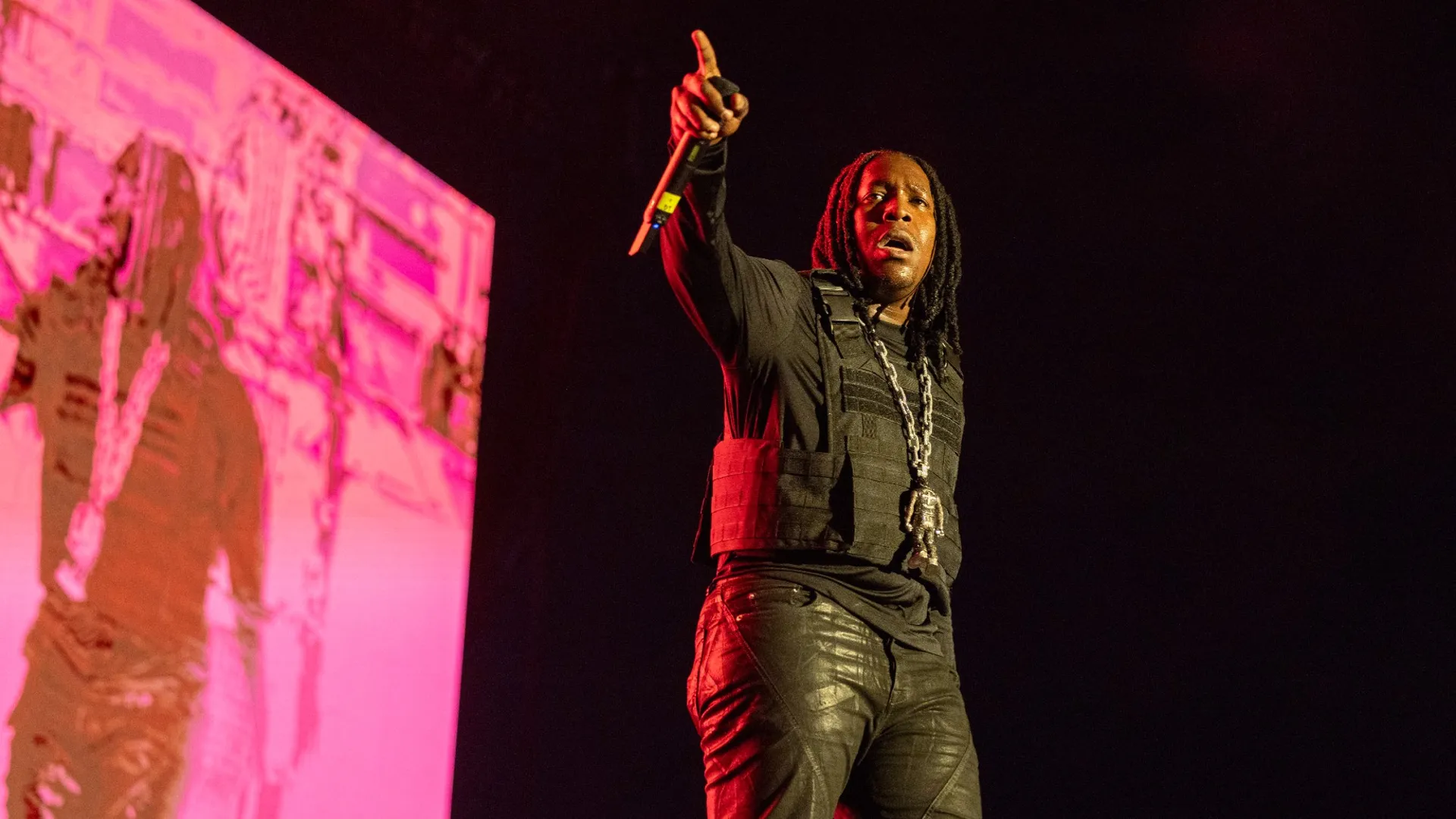
    Don Toliver
    Since releasing his debut mixtape in 2018, the Houston native (pictured above) has emerged as one of the most popular names on the rap scene. Now he’s doing his fourth concert series in five years with his “Octane” tour. He recently performed at SXSW in Texas, where he played a “headlining set packed with pyrotechnics and pulse-pounding production,” said The Austin Chronicle. (through July)

    Florence and the Machine
    Florence and the Machine has always provided its fans with a unique blend of genres and sounds, and the rock band is continuing that streak as part of the “Everybody Scream” tour. It's a “fitting manifestation of a weighty album about mortality and acceptance, midlife and motherhood, trauma, success, desire and more,” said The London Standard. (through August)

    Read more


    Poll watch

    Nearly one in five Americans (18%) have taken weight-loss drugs in the last three months or know someone in their immediate circle who has, according to an Axios-Ipsos American Health Index survey of 1,225 adults. Of those who haven’t tried them, 15% are interested in the weekly injection and 21% in the daily oral pill.


    INSTANT OPINION

    Today’s best commentary

    ‘US promised safety. A nearly blind refugee died cold and alone.’
    Khin Mai Aung at USA Today
    Rohingya refugee Nurul Amin Shah Alam “represents yet another profound systemic failure in our nation’s treatment of immigrants and refugees,” says Khin Mai Aung. Shah Alam was detained by U.S. Customs and Border Protection, then “dropped off in the middle of the night outside a closed local cafe in February” and “later found dead.” It has been a “painful road to realize that our country of adoption may not ultimately be safer or more inclusive than our countries of origin.”

    ‘The NFL ought to throw a flag on the Pentagon. Here’s why it probably won’t.’
    Kevin B. Blackistone at MS NOW
    Given its “history of promoting the U.S. military, we shouldn’t be surprised that the NFL has not publicly demanded that the Trump administration cease its callous use of game footage to promote its war against Iran,” says Kevin B. Blackistone. The NFL’s “silence is disingenuous at best or hypocritical at worst given the disclaimer we hear at the end of its games: ‘Any rebroadcast or other use of this telecast without the express written consent of the NFL is prohibited.’”

    ‘So you want to be a millionaire? Don’t wait until you’re 20.’
    Emil Barr at The Wall Street Journal
    If you are a “20-something and plan to get a few years of experience before taking a real swing at entrepreneurship, you are already late,” says Emil Barr. The “best age to become an entrepreneur is between 18 and 21.” Venture capitalists “often see young blockchain and artificial intelligence developers as more competent than those in their 50s,” and “those are great industries in which to build a business.” In “fast-moving environments, native fluency can outperform seniority. But that window doesn’t stay open indefinitely.”


    WORD OF THE DAY

    spinneret

    The organ spiders pull liquid proteins through to create silk. In a world first, the U.K. startup Newrotex, led by an NHS surgeon and former zoologist, has repaired severed nerves by bridging the gap using spider silk to create a path for regrowth. The silk eventually dissolves harmlessly.


    Evening Review was written and edited by Theara Coleman, Nadia Croes, Scott Hocker, Anya Jaremko-Greenwold, Justin Klawans, Joel Mathis and Chas Newkey-Burden, with illustrations by Stephen Kelly.

    Image credits, from top:  Illustration by Stephen Kelly / AP Photo / Getty Images; Igor Ivanko / AFP / Getty Images; Illustration by Stephen Kelly / Getty Images; Barry Brecheisen / Getty Images
     

    Recent editions

    • Morning Report

      Iran gas fields hit sparks new phase in war

    • Evening Review

      Is a victory in Iran out of reach?

    • Morning Report

      Iran loses 2 more leaders to Israeli airstrikes

    VIEW ALL
    TheWeek
    • About Us
    • Contact Future's experts
    • Terms and Conditions
    • Privacy Policy
    • Cookie Policy
    • Advertise With Us
    • FAQ
    Add as a preferred source on Google Add as a preferred source on Google

    The Week is part of Future US Inc, an international media group and leading digital publisher. Visit our corporate site.

    © Future US, Inc. Full 7th Floor, 130 West 42nd Street, New York, NY 10036.