Sign up to get Today’s Best Articles in your inbox
Join 350,000+ subscribers and keep yourself informed with a selection of
The Week’s most interesting, enlightening and entertaining stories - plus daily puzzles.
You are now subscribed
Your newsletter sign-up was successful
Want to add more newsletters?
An account already exists for this email address, please log in.
Moscow dials up censorship with new ‘whitelist’ system
The Kremlin claims these internet blackouts are done for security purposes
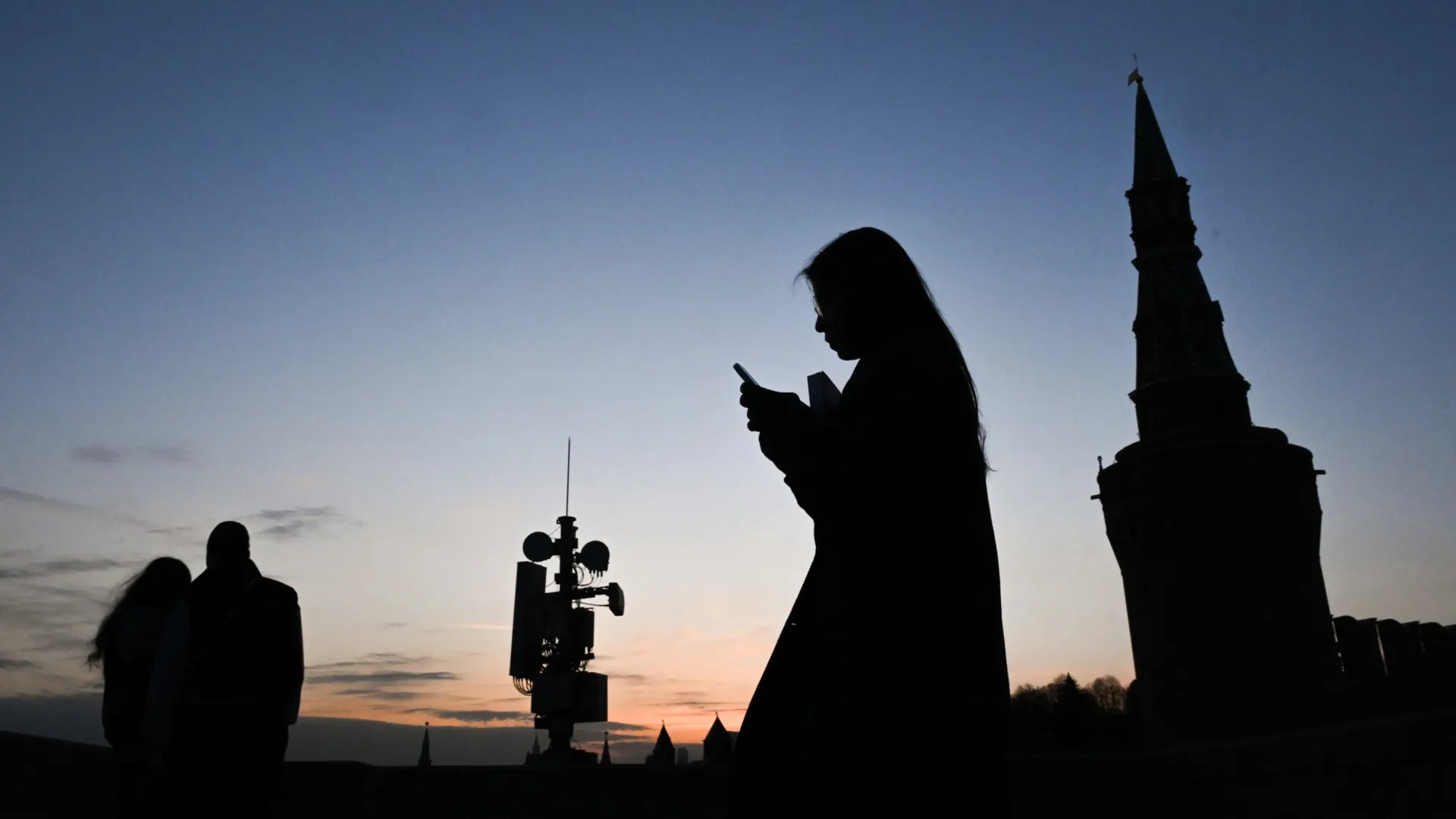
Even though it has long been known that Russia engages in censorship of its citizens, recent experiments in Moscow are raising fears that the Russian government is augmenting its information blockade. This new era of censorship, which involves blacking out internet communications other than approved websites, has raised concerns in Russia and among outside observers.
‘Severely limit what people can see’
Throughout March, people in Moscow have “found themselves without connectivity on their phones” due to internet outages created by the Kremlin, said NBC News. These blackouts have “disrupted the daily lives of millions of residents and hit businesses that rely on mobile internet,” though the Russian government has repeatedly said this is being done in the name of security due to threats from the war in Ukraine.
Certain “websites and apps, including government portals and banking services, may remain accessible through ‘whitelists,’” said Business Insider, as the Kremlin may allow “certain services to keep operating even while broader internet access is restricted.” Beyond government portals, some of the sites on these Russian whitelists may also include “state media outlets and Russian homegrown apps such as Max, a messaging platform controlled by the government,” said The Wall Street Journal.
The Week
Escape your echo chamber. Get the facts behind the news, plus analysis from multiple perspectives.
Join more than 350,000 subscribers and keep yourself informed with a selection of The Week’s most interesting, enlightening and entertaining stories - plus daily puzzles.
Join more than 350,000 subscribers and keep yourself informed with a selection of The Week’s most interesting, enlightening and entertaining stories - plus daily puzzles.
This effort to control internet access is not new: Russia has been “honing and testing similar infrastructure for the past year,” said the Journal. Many officials believe these rolling blackouts will “likely be in place until the end of the war.” This comes as Russians are already “contending with rising inflation and economic strain more than four years into the war in Ukraine.”
‘Massive headache’
As the Kremlin continues to clamp down harder, many Russians, particularly those in the workforce, say they are having trouble going about their lives. The outages are a “massive headache,” Dmitry, a consultant in Moscow, said to The Guardian. “I’m having trouble ordering a taxi, sending work emails or even just messaging my family.” The blackouts are also “slamming businesses that rely on cellphone internet,” said The Associated Press.
Muscovites who run “cafes, restaurants and shops that rely on mobile internet have suffered massive losses as customers have been unable to pay for the services,” said the AP. Many of the city’s ATMs and parking meters that “rely on cellphone internet stopped working,” further complicating Moscow life. Businesses in the city “lost between 3 and 5 billion rubles [$38 million to $63 million] in five days of shutdowns.” However, businesses with “broadband access and residents with broadband at home have not been affected.”
Many are turning to more low-tech options, with Russians buying old-school technology like walkie-talkies and pagers. Sales of walkie-talkies “increased by 27%, sales of pagers for communication with clients and staff by 73%, and landline telephones by about a quarter,” said Russian news outlet RBC. Muscovites are also looking for less high-tech ways to navigate the area. “Sales of road maps increased by 170% in physical units, foldable maps by 70% and Moscow maps by 20%.”
Sign up to get Today’s Best Articles in your inbox
A free daily email with the day’s biggest news and analysis – and the best features from TheWeek.com
Justin Klawans has worked as a staff writer at The Week since 2022. He began his career covering local news before joining Newsweek as a breaking news reporter, where he wrote about politics, national and global affairs, business, crime, sports, film, television and other news. Justin has also freelanced for outlets including Collider and United Press International.