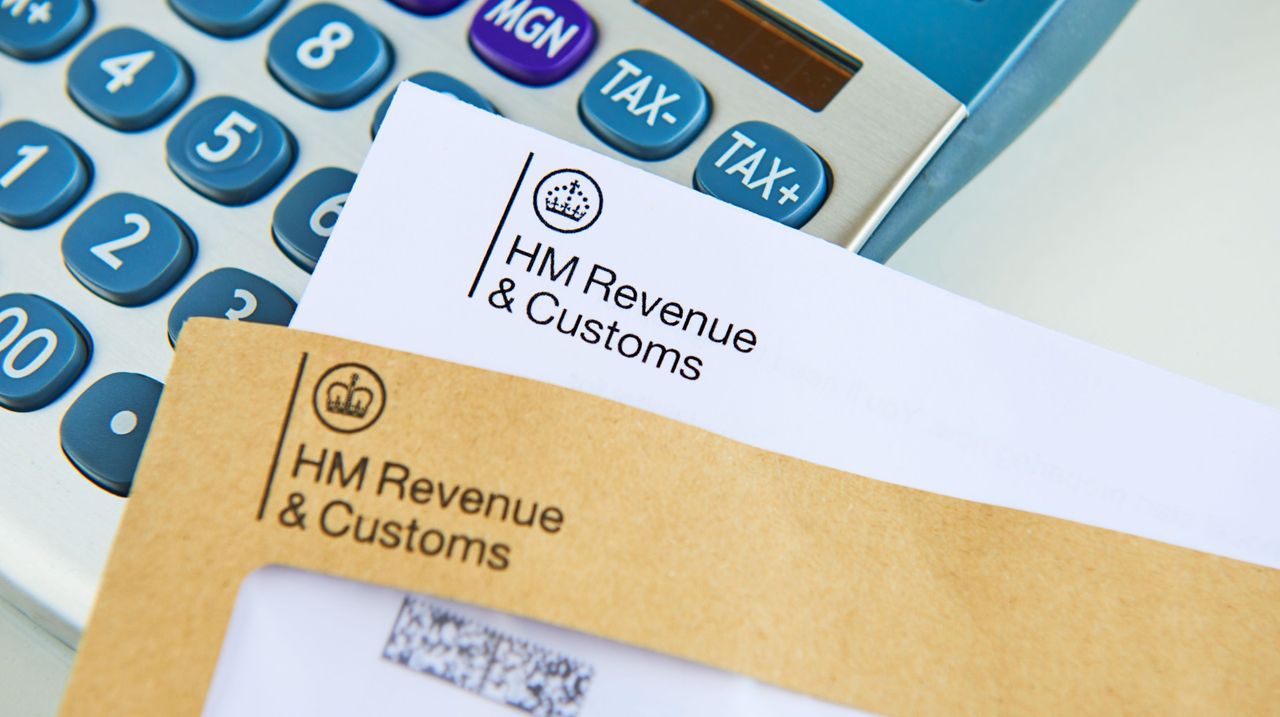
The £100k tax trap “might sound like a champagne problem”, said Becky Wilding in The Independent, but a growing number of people are affected by this quirk of tax legislation. The tally of Brits earning six-figure salaries is expected to exceed two million for the first time in the 2026-27 tax year.
What is the £100k tax trap?
In the UK, most people receive a personal allowance (tax-free income) of £12,570, but professionals earning between £100,000 and £125,140 lose that, creating a 60% effective tax rate. Above £125,140, the rate falls back to 47%. A system where “rates rise and then fall” as income goes up is “indefensible”, said the Tax Policy Associates’ Dan Neidle in the Financial Times.
For graduates repaying student loans, the tax rate can rise to 71% or higher, and parents of young children lose their entitlement to 30 hours per week of free childcare after they cross the £100,000 threshold.
What effect does it have?
This is “one of the UK tax system’s most notorious quirks”, said Michael Healy on LBC, and it’s led to “distorted behaviour”. Four in five people making between £90,000 and £125,000 have “actively taken steps” to keep their earnings below the £100,000 threshold.
That it pays more to earn £99,999 than it does to earn £144,500 is “farcical”, said The Telegraph’s investment editor James Baxter-Derrington. A nation that “tells people ambition doesn’t pay will soon run out of ambitious people”.
What can be done?
On childcare, the Centre for British Progress think tank has suggested replacing the £100,000 cliff edge with a new 3% tax on income over £100,000 for each child receiving support. Those just above £100,000 will hardly feel the effect, while higher earners “face a clear, proportionate trade-off”, said the FT.
Taxpayers close to the limit looking for “straightforward (and legal!) and financially savvy” workarounds have a few options, said The Independent. These include increasing their pension contributions to take their taxable income to below £100,000; sacrificing salary for other employee benefits, such as additional days of leave; and making Gift Aid donations.
|