The Week The Week
flag of US
US
flag of UK
UK
https://cdn.mos.cms.futurecdn.net/flexiimages/jacafc5zvs1692883516.jpg

SUBSCRIBE & SAVE

Less than $3 per week

Sign in
  • View Profile
  • Sign out
  • The Explainer
  • The Week Recommends
  • Newsletters
  • Cartoons
  • From the Magazine
  • The Week Junior
  • Student Offers
  • More
    • Politics
    • World News
    • Business
    • Health
    • Science
    • Food & Drink
    • Travel
    • Culture
    • History
    • Personal Finance
    • Puzzles
    • Photos
    • The Blend
    • All Categories
  • Newsletter sign up Newsletter
  • The Week Evening Review
    AI’s new cybercapabilities, beta-blockers, and South Korea’s ‘double blow’

     
    TODAY’S BIG QUESTION

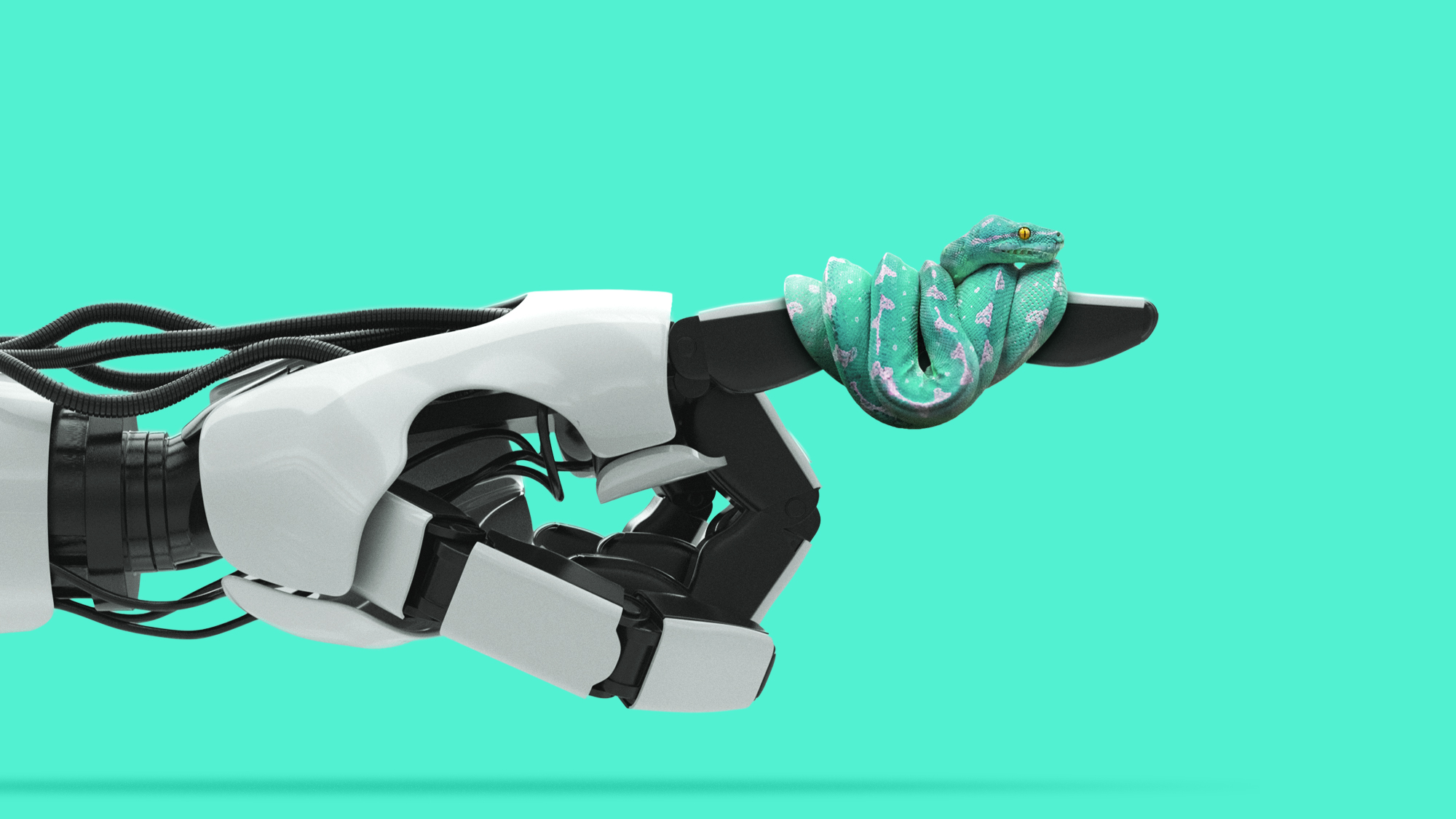
    Are AI firms handing hackers the ultimate weapon?

    Tech firms “usually create buzz around products they plan to release”, said The Economist. American AI lab Anthropic “has managed to create excitement – and a good deal of worry” – around something it plans to keep under wraps. The problem is not that Anthropic’s new Claude Mythos model is “buggy or unreliable” but rather “that it works so well that releasing it would put the world’s digital infrastructure at risk”.

    What did the commentators say?
    As well as writing code, this next generation of AI models, such as Anthropic’s Mythos or OpenAI’s new closed-version GPT 5.4-Cyber, can recognise errors, or “bugs”, in the code – so they can identify potential weaknesses but also ways to attack computer systems.

    “It’s impressive” but “worrying”, because it makes cyberattacks “easier”, said cybersecurity professor Florian Tramèr on ETH Zurich university’s website. A lone hacker “can suddenly try out thousands of variants” and “if one attack fails, he or she can simply try with the next one”.

    Because of that danger, Anthropic and OpenAI have limited access to their new models to a small pool of people and organisations aiming to use it for defensive cybersecurity measures. But Anthropic’s strict security protocols appear to have been breached.

    The company confirmed this week that it is investigating how a group of users gained “unauthorised access” to Mythos. That will “add to anxiety” about the new model and whether it can be kept “out of the hands of bad actors”, said Cristina Criddle in the Financial Times. News of these new cybercapabilities had already “sent shockwaves through the markets and prompted high-level discussions among financial institutions and global regulators”. 

    What next?
    Capitalising on a “mix of fear and excitement over AI and its future impact” has “become a hallmark of the sector and its marketing strategies in recent years”, said the BBC. With Mythos, “we still do not know enough about it to know whether these hopes or fears are justified, or more a reflection of the hype surrounding the industry”.

    In reality, “like other tools from the long history of cybersecurity”, the latest AI models “can be used for both offence and defence”, said The New York Times. “The question is who finds the flaws first.”


    THE EXPLAINER

    How beta-blockers became the ‘magic pill’ for anxiety

    “A little blue pill is creating a stir in Hollywood,” said pharmaceuticals expert Dipa Kamdar on The Conversation. “And no, it’s not Viagra.” Celebrities have been singing the praises of propranolol, a beta-blocker originally designed for heart conditions that also helps with anxiety. Kristen Bell, Rachel Sennott and Natasha Rothwell have all mentioned taking the pill at red-carpet events over the past year.

    These A-lister endorsements have helped to fuel a surge in demand for propranolol prescriptions, especially among young women and girls. It’s now the “go-to pill for dealing with all sorts of stressful situations, from public speaking to first dates”, said The Wall Street Journal.

    How does it work?
    The beta-blocker was approved by the US Food and Drug Administration in 1967 for the treatment of heart problems including high blood pressure, arrhythmia (irregular heart rate) and angina. But the drug was also found to reduce physical responses to anxiety, such as high heart rate, sweating, nausea and trembling hands. And while other medications prescribed for anxiety can take weeks to work, propranolol can take effect within an hour.

    Unlike drugs such as Xanax or Valium, which “act directly on the brain and can leave people feeling sedated, foggy, or zoned out”, propranolol doesn’t address anxiety’s “underlying roots”, said The Boston Globe. Instead, it blocks the physical symptoms, by slowing down the heart rate and lowering blood pressure.

    How widely is it used?
    In the US, propranolol prescriptions are up by 28% from 2020. NHS England figures show an increase of 37.6% over the past decade, according to data seen by The Observer. The biggest rise in the UK has been among girls aged between 12 and 17 – up from 618,813 prescriptions in 2015 to more than 1.1 million in 2025. The second-highest increase in use, at 81.7%, is among women aged 18 to 23.

    Are there any risks?
    Compared to Xanax or Valium, propranolol is a non-addictive and low-risk medication. However, “it’s not without risks or side-effects”, said Kamdar on The Conversation. Because propranolol works to reduce blood pressure and heart rate, common side-effects include dizziness, fatigue, cold hands and feet, and vivid dreams. “More serious risks – though rare – include heart failure, breathing difficulties and allergic reactions.”


    QUOTE OF THE DAY

    “Slavery was never abolished.”

    The chief of the Voice of Domestic Workers group calls for UK visa reforms to protect migrant domestic workers from trafficking and abuse. Marissa Begonia told ITV News that the system pushes some nannies, carers and cleaners into “hidden, unsafe situations” and unpaid work.


    Poll watch

    Only 36% of Britain’s youth now expect to have a better life than their parents, down from 63% last year, according to an annual survey. The steep drop was one of the “starkest developments” in the latest UK Youth Poll, said researchers at Glasgow University’s John Smith Centre, who interviewed 2,051 people aged 16 to 29.


    IN THE SPOTLIGHT

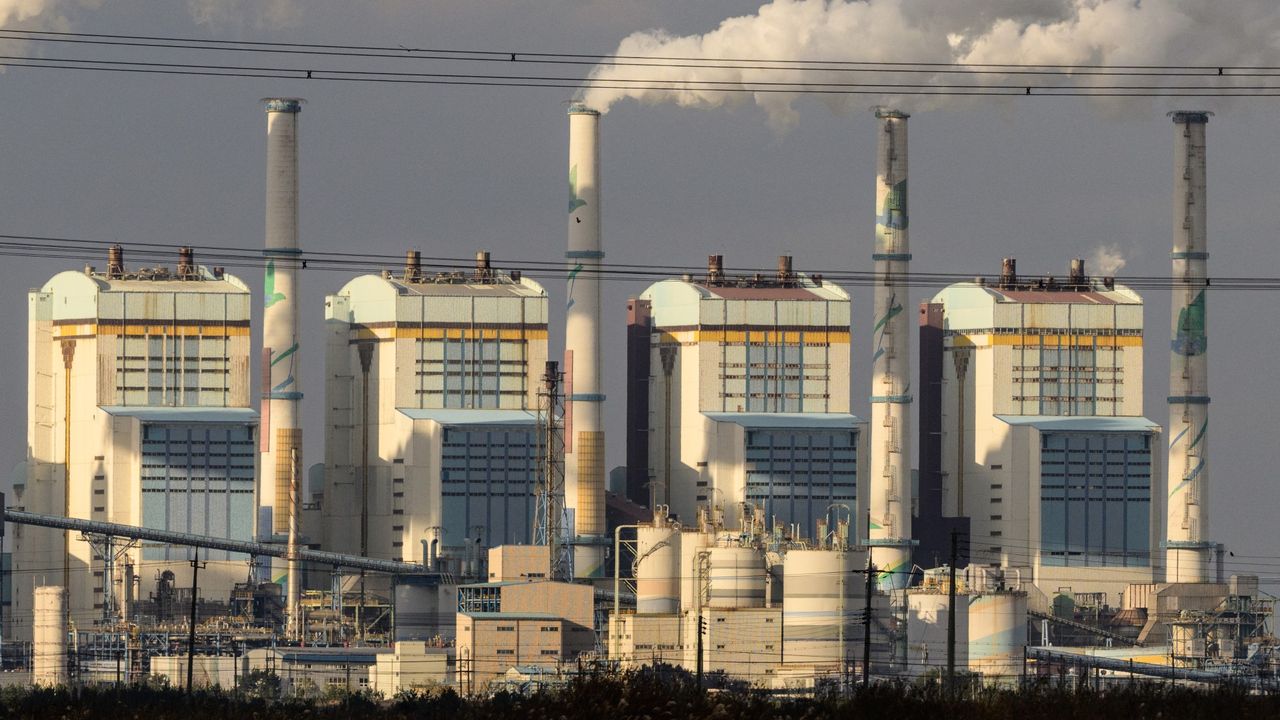
    South Korea’s ‘war-like’ energy crisis

    The Iran conflict represents a “war-like situation” for South Koreans, President Lee Jae Myung warned earlier this month. 

    Rising oil prices, and the weakening of the won against the dollar, are “dealing a double blow” to the Korean economy, said The New York Times. Oil reserves are dwindling and it would take a long time for supplies to catch up even if normal service in the Strait of Hormuz were to resume. 

    ‘Draconian’ measures
    The “brightly illuminated” satellite images of South Korea at night, set alongside the “sea of blackness” in the North, have long been seen as a “wider triumph of capitalism and democracy”, said The Telegraph’s transport industry editor Christopher Jasper. But due to the Iran war, these lights could be extinguished “in a matter of weeks”.

    Compared with fellow developed countries, South Korea is “almost uniquely lacking in natural resources”, relying on imports to meet “90% of its energy needs”. Around 70% of its crude oil shipments, and 20% of its natural gas, come from the Gulf. South Koreans are now facing surging fuel prices, a ban on driving one day per week, and orders to reduce shower times and to charge electric cars and phones only in the daytime. Much more “draconian” measures could be weeks away.

    ‘Catnip’ calls
    South Korea must face a “difficult home truth”, said David Fickling in Bloomberg. Behind the “sleek modern society” is an “insatiable appetite for fossil fuels that’s undermining its economy”.

    The war is “serving as a significant turning point” for South Korea to shift to renewable energy, Minister of Climate, Energy and Environment Kim Sung-hwan told CNBC. Energy targets predating the war include generating 20% of the country’s electricity from renewables by 2030 and phasing out coal by 2040. 

    But the “catnip” calls to transition to renewables have “no chance of being met”, said Fickling. For instance, state utility Korea Electric Power Corporation has “effectively banned” all new generators in the “renewables-rich” east until 2032, because its “crumbling grid is supposedly incapable of accepting new connections”. Decisions such as these will do “nothing to advance South Korea’s energy transition”. Society as a whole needs to fight against those who have kept them “hooked on polluting power”.


    Good day 💌

    … for the Romantics, after stolen love letters from John Keats to his muse Fanny Brawne were returned to their rightful owners. A leather volume containing the handwritten missives disappeared from the Long Island estate of the Whitney family in the 1980s, but resurfaced last year when a man tried to sell them to rare book dealers in Manhattan.


    Bad day 💋

    … for copulation, as the world’s leading condom maker warns of a potential 30% price hike due to the Iran war. Malaysian firm Karex, which supplies Durex and Trojan, relies on materials made from oil, which is in increasingly short supply as the Strait of Hormuz remains effectively closed.


    PICTURE OF THE DAY

    In fine feather

    Two great egret chicks perch in a nest at a bird rookery in St Augustine, Florida. The wading birds were hunted almost to extinction for their feathers in the 1800s, but are now a common sight across the US state thanks to conservation efforts.  

    Ronen Tivony / NurPhoto / Getty Images


    Puzzles

    Guess the number

    Try The Week’s daily number challenge in our puzzles and quizzes section

    Play here


    THE WEEK RECOMMENDS

    The best Pixar movies

    Pixar has been “changing the game” for over three decades with its “sophisticated” and “characterful” animated feature films, said Empire. With the studio’s hotly anticipated “Toy Story 5” due to hit UK cinemas in June, now is a great time to revisit the classics. Here are some of the best.

    Toy Story (1995)
    “Pixar’s first feature is still the template for every great movie the studio has made since,” said Vulture. Packed with “lots of giddy, witty, silly laughs” and “ripping action sequences”, the “best comedy of the 1990s remains perfect” three decades after its release.

    Finding Nemo (2003)
    Despite the “terrors” throughout “Finding Nemo”, the message is clear, said Vulture. If our children are “going to survive on their own”, we must “release them into the scary world” rather than “smothering” them. 

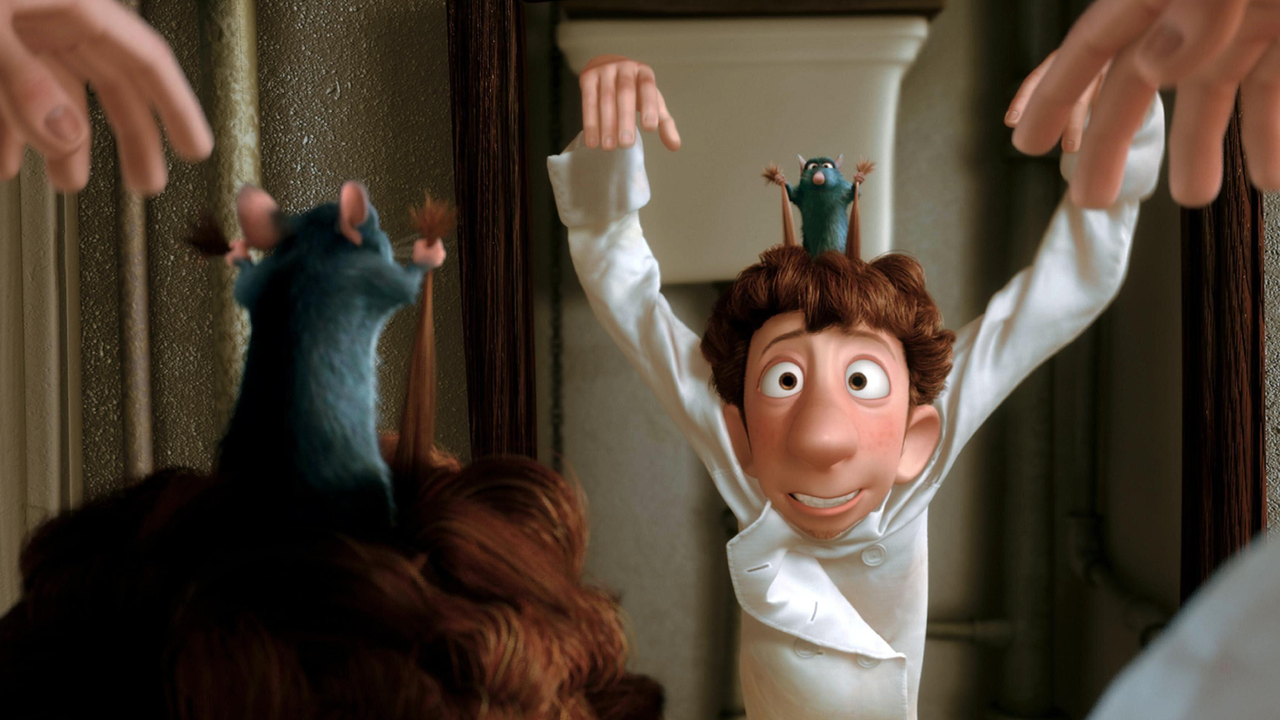
    Ratatouille (2007)
    This is one of Pixar’s “smartest and deepest films”, said IndieWire. The action follows Remy, an intelligent rat with an extraordinary sense of smell who “dreams of becoming a great chef”. He soon finds an “ally” in hapless kitchen porter Alfredo Linguini, who works in the restaurant of his “culinary idol” in Paris.

    Up (2009)
    “Everyone talks about the wordless opening section” of this “devastating” tearjerker, said GQ. The montage follows a couple from their “first blush of childhood love all the way to the uncomfortable and unavoidable truth” that most happy marriages will end when one partner dies before the other. “Heavy stuff for a family film”, but it quickly unfurls into an “utterly original flight of whimsy”.

    See more


    Statistic of the day

    6.5 minutes: How long it reportedly takes to charge Chinese manufacturer CATL’s new EV battery from 10% to 98%. Analysts say the Tesla supplier’s Shenxing 3 battery could make charging electric cars almost as quick as refuelling petrol and diesel vehicles.


    instant opinion

    Today’s best commentary

    The rush to appease Trump led Keir Starmer into this ethical void
    Rafael Behr in The Guardian
    Peter Mandelson’s “disastrous” appointment as US ambassador “flowed from panic” over Donald Trump’s “chaotic, petulant style of administration”, writes Rafael Behr. The very “traits that should have disqualified” Mandelson were “mistaken” for “credentials” by Keir Starmer, who now “says he regrets it as a lapse of judgment”. What he’s “unable to explain, because it exposes the abdication of ethics in an epic foreign policy miscalculation, is why he thought it was a good idea at the time”.

    Why America is falling out of love with Israel
    Edward Luce in the Financial Times
    “Fewer Americans think of Israel as David standing up to the Arab world’s Goliath,” writes Edward Luce. According to recent polling, “more and more associate it with heavy-handed militarism”. Donald Trump’s advisers were sceptical about Benjamin Netanyahu’s urgings to attack Iran, and the Democrats, who once “eagerly sought money” from the pro-Israeli lobby, have now “voted to block US arms sales to Israel”. The “one thing” Netanyahu can “bank on is that whoever comes after Trump is likely to be far less friendly”.

    A break-up gift candle? I favour shredding an ex’s trousers and revenge sex
    Carol Midgley in The Times
    In “the good old days, people got over a break-up” by “scissoring out the crotches of their partner’s best trousers” and having “a very ill-judged ‘revenge shag’”, writes Carol Midgley. Now, “we have a ‘break-up gift registry’”, with sellers hawking “twee clutter bearing meaningless ‘inspirational’ messages” or “‘hate poetry’ to counterbalance ‘betrayal melancholia’”. But “what’s wrong with an old-fashioned wax doll and a pin”? Or better yet, “a ‘divorce voucher’ that buys you a consultation with a hotshot lawyer”?


    word of the day

    Geophagy

    Deliberately eating dirt or soil, a practice recently observed among Gibraltar’s macaques. The monkeys are “snaffling so much junk food from tourists” that they’re resorting to geophagy to “quell their upset stomachs”, said The Telegraph. Cambridge University researchers said the animals were trying to “buffer their digestive system”.


    Evening Review was written and edited by Hollie Clemence, Jamie Timson, Rebecca Messina, Will Barker, Chas Newkey-Burden, Irenie Forshaw, Adrienne Wyper, Helen Brown, David Edwards and Kari Wilkin, with illustrations from Stephen P. Kelly.

    Image credits, from top: illustration by Stephen P. Kelly / Getty Images; Shidlovski / Getty Images; Anthony Wallace / AFP / Getty Images; Ronen Tivony / NurPhoto / Getty Images; Maximum Film / Alamy

    Morning Report and Evening Review were named Newsletter of the Year at the Publisher Newsletter Awards 2025
     

    Recent editions

    • Evening Review

      Mamdani’s plan to tax the rich

    • Morning Report

      Labor secretary exits amid brewing scandals

    • Evening Review

      Waging economic warfare on Iran

    VIEW ALL
    TheWeek
    • About Us
    • Contact Future's experts
    • Terms and Conditions
    • Privacy Policy
    • Cookie Policy
    • Advertise With Us
    • FAQ
    Add as a preferred source on Google Add as a preferred source on Google

    The Week is part of Future US Inc, an international media group and leading digital publisher. Visit our corporate site.

    © Future US, Inc. Full 7th Floor, 130 West 42nd Street, New York, NY 10036.