The Week The Week
flag of US
US
flag of UK
UK
https://cdn.mos.cms.futurecdn.net/flexiimages/jacafc5zvs1692883516.jpg

SUBSCRIBE & SAVE

Less than $3 per week

Sign in
  • View Profile
  • Sign out
  • The Explainer
  • The Week Recommends
  • Newsletters
  • Cartoons
  • From the Magazine
  • The Week Junior
  • Student Offers
  • More
    • Politics
    • World News
    • Business
    • Health
    • Science
    • Food & Drink
    • Travel
    • Culture
    • History
    • Personal Finance
    • Puzzles
    • Photos
    • The Blend
    • All Categories
  • Newsletter sign up Newsletter
  • The Week Evening Review
    The ‘extraordinary’ Ebola outbreak, climate threats, and Guardiola’s record

     
    TODAY’S BIG QUESTION

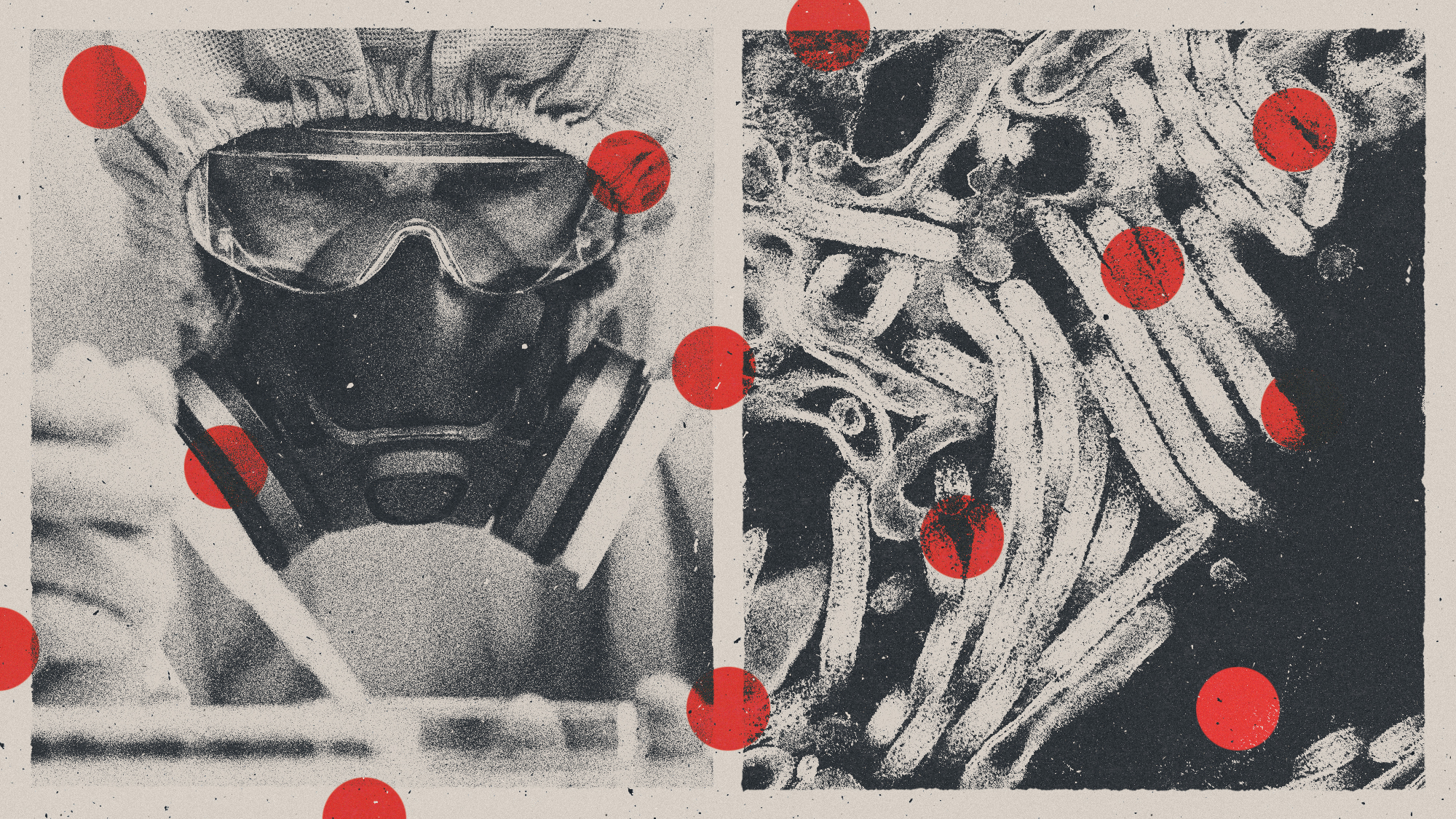
    How serious is the Ebola threat?

    The Ebola outbreak in the Democratic Republic of the Congo is ringing alarm bells across a region still scarred by previous outbreaks of the highly contagious viral disease. The World Health Organization has declared a “public health emergency of international concern”.

    At least 540 suspected cases and 131 suspected deaths have been reported by DR Congo’s Health Ministry, and two cases have been confirmed in neighbouring Uganda. But the WHO’s initial sampling suggests the outbreak is potentially much more widespread.

    What makes this outbreak “extraordinary”, the UN agency said, is that it’s caused by the rare Bundibugyo strain of the Ebola virus. This has a lower fatality rate than previous strains, but there is no approved vaccine or treatment, and standard Ebola tests often miss Bundibugyo.

    What did the commentators say?
    Experts are alarmed that this outbreak “has been able to spread for weeks undetected across a densely populated ​area”, said Reuters. Identifying the Bundibugyo strain and then pinpointing cases was “slowed by limited diagnostic capacity”.

    The lack of a vaccine is why I am in “panic mode”, Jean Kaseya, the director-general of Africa-Centres for Disease Control and Prevention, told Sky News. And ongoing attacks by Islamic State-backed militants in Ituri, the province at the centre of the outbreak, are “restricting surveillance and rapid response operations”.

    Ituri is “rebel-held territory” close to “porous borders” with Uganda and South Sudan that communities cross constantly, said The Times. That’s a key factor “making containment so difficult”. Bundibugyo is also “among the least studied of the Ebola strains”: this is only the third outbreak on record.

    We have reached a “critical moment”, said the BBC’s health correspondent James Gallagher. Most Ebola outbreaks are small, but specialists are still “haunted” by the largest, which started in 2014 and killed more than 11,000 people in West Africa. This time, there is a “significant threat” not only to DR Congo and Uganda but also to South Sudan and Rwanda. But that doesn’t mean we’re “in the early stages of a Covid-style pandemic”. The risk to the rest of the world “remains tiny”.

    What next?
    The WHO is sending a team of experts to Congo and will host an emergency scientific consultation on Friday. “The cash-strapped organisation has already released almost $4 million (£3 million) to combat the outbreak,” said the BBC, “but much more may be needed.” Public health officials are also considering using a combination of the vaccines approved for previous strains.


    THE EXPLAINER

    How the UK must adapt to cope with climate change

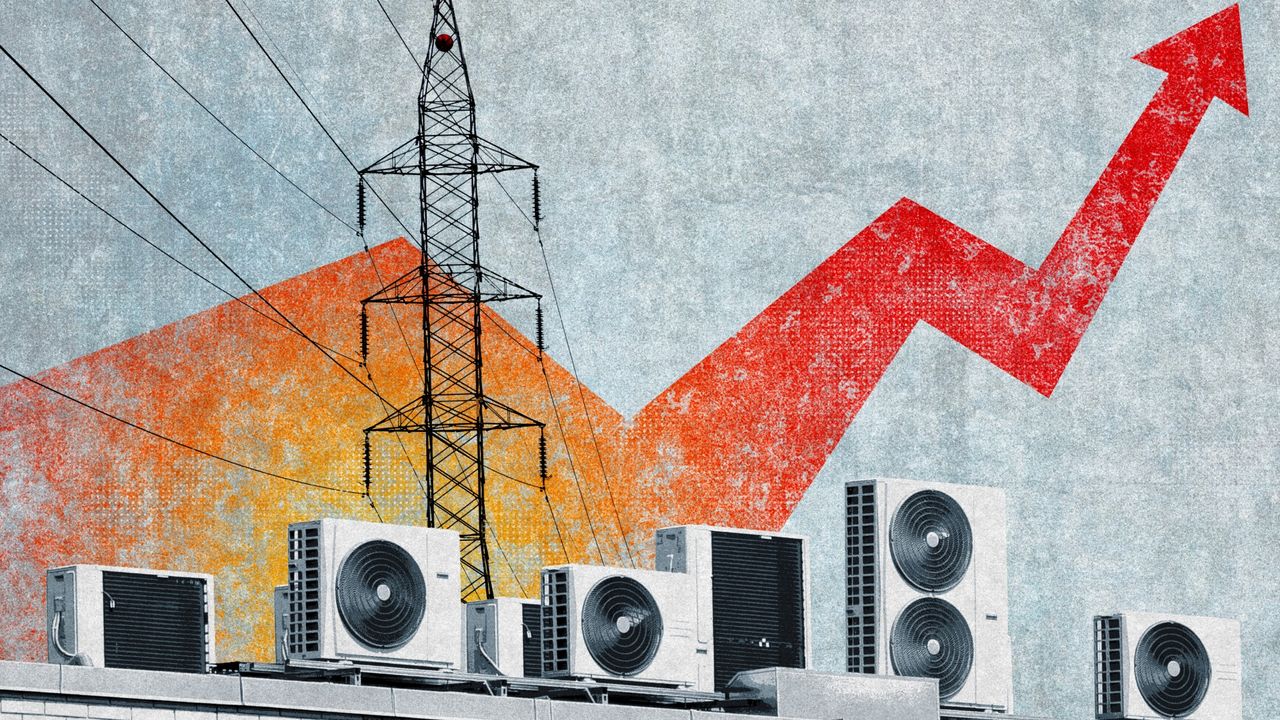
    Britain’s hospitals, schools and homes need to be fitted with air conditioning ahead of expected rises in global heating, the government’s climate advisers have said. With temperatures forecast to exceed 40C in all parts of the UK by 2050, a new report from the Climate Change Committee warns that the country is “built for a climate that no longer exists today and will be increasingly distant in years to come”.

    What else is in the report?
    Of the many climate threats examined, “extreme heat is certainly the most deadly” and requires the “need to see cooling rolled out at scale”, said Julia King, chair of the CCC’s adaptation subcommittee. The report recommends that air conditioning be installed in all care homes and hospitals within the next 10 years, and in all schools within 25 years. And exams should take place at cooler times of year.

    The advisers also say the government should set a maximum temperature for working indoors and outdoors, as do a range of other countries. In Spain, the maximum legal working temperature indoors is 27C for sedentary work and 25C for light physical work. The report warns that failure to take the necessary steps to protect people from overheating could cause deaths from heat-related illnesses to rise to 10,000 a year by 2050.

    Global warming will also lead to more erratic rainfall, flash flooding and droughts. Seven million UK properties are currently at risk of flooding; that could rise by 40% by 2050 unless action is taken. Sea levels will rise too, threatening coastal areas, and higher temperatures would put domestic food production under threat.

    How much would the changes cost?
    The advisers estimate that their recommendations would cost roughly £11 billion per year, split between the public and private sectors. But every £1 spent would yield about £5 in benefits, according to the committee. 

    Inaction could have a political cost. The government risks “stoking support” for populist politicians if it doesn’t step up efforts to adapt to hotter temperatures, according to Sam Alvis, from the left-leaning IPPR think tank. “When increasingly severe and frequent climate impacts strike, populists are quick to exploit public anger over a lack of preparation, using it to advance their own agenda and weaken support for climate action more broadly,” he told The Times.


    QUOTE OF THE DAY

    “It’s not cost-cutting, it’s replacing in some cases lower-value human capital with the financial capital and the investment capital we’re putting in.”

    Standard Chartered boss Bill Winters gives his take on AI replacing humans, as the bank prepares to cut 8,000 jobs. These are not “job losses” but rather “job role reductions in favour of the machines”, he told an investor event in Hong Kong. 


    Poll watch

    A majority of Americans (59%) think Donald Trump is using his office for personal gain, according to an Economist/YouGov survey of 1,549 adults. Less than a third (30%) disagreed, while the remaining 11% were unsure. 


    IN THE SPOTLIGHT

    End of an era? Pep Guardiola’s legacy

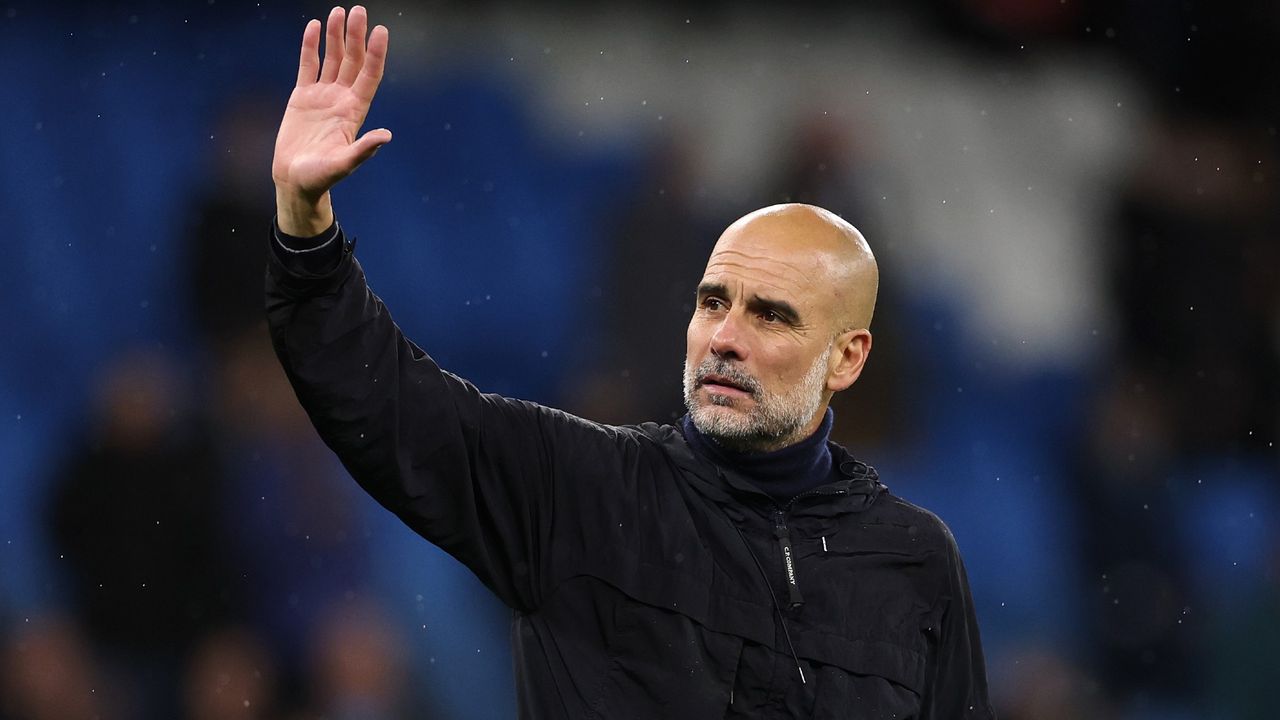
    Many questioned whether Pep Guardiola could hack the rough and tumble of the Premier League when he became Manchester City’s manager a decade ago. Could his brand of “tiki-taka” football, refined in Barcelona and developed at Bayern Munich, cut it on a cold Tuesday night in Stoke?

    Today, his record speaks for itself: six Premier League titles, the Champions League, three FA Cups, five League Cups, the Uefa Super Cup and the Fifa Club World Cup. He is the second-most decorated manager in Premier League history, behind Sir Alex Ferguson. So rumours of his departure at the end of the season have kicked off a media storm.

    ‘Level of tactical complexity has soared’
    Guardiola has “created a legacy that has changed the face of football at every level in England”, said BBC chief football writer Phil McNulty. At City, he “has not just shaped elite football”, he’s “had an impact at every level down to grassroots, where even junior coaches adopt his strategies”.

    His successes are “embedded into the very foundation of the game in England”, said The Sun. Even semi-professional teams now play out from the back. Goalkeepers will pass into danger rather than go long. The rigid formations of old are gone. Defenders sometimes play as strikers. “The level of tactical complexity has soared.”

    ‘Lingering question’
    City’s Abu Dhabi ownership has “more than got its money’s worth” with Guardiola, said The Independent’s Miguel Delaney. But “the one purely football caveat in Guardiola’s sensational record” is that “he’s never really had to work anywhere where he’s had to compromise”. He had Lionel Messi in his prime, took charge of an already Treble-winning Bayern and enjoyed immense resources at City.

    There’s also a “lingering question” about how City acquired its “bludgeoning power”, said Oliver Brown in The Telegraph. The seemingly never-ending Premier League investigation into 115 charges of financial irregularity has loomed over the club. “For years Guardiola has had to deny suggestions of an asterisk being placed alongside their achievements.”

    And Arsenal’s Premier League victory after City’s 1-1 draw at AFC Bournemouth last night showed that Guardiola “can no longer usurp his one-time protégé Mikel Arteta at the top of the table”, said ESPN. But finding a new Man City manager “will be no easy feat”, said The Athletic. Enzo Maresca has been tipped to fill his shoes. Guardiola has “set the standard so high, both for fans of Manchester City and for those of us judging from the outside, that anything short of sustained brilliance could easily seem underwhelming”.


    Good day 🍷

    … for English wine, which has won 25 gold medals at this year’s International Wine Challenge, the highest percentage per entry of all the competing countries. Supermarket own-brands did particularly well, with Aldi, Tesco, Marks & Spencer and Sainsbury’s claiming top prizes at the blind-tasting event in London. 


    Bad day 📻

    … for premature announcements, after a radio station mistakenly reported that King Charles had died, before suspending their programming and playing “God Save the King”. Apologising for the mix-up, Radio Caroline, which broadcasts across the south of England and the Midlands, said a “computer error” triggered their “Death of a Monarch procedure”. 


    PICTURE OF THE DAY

    Fire hose

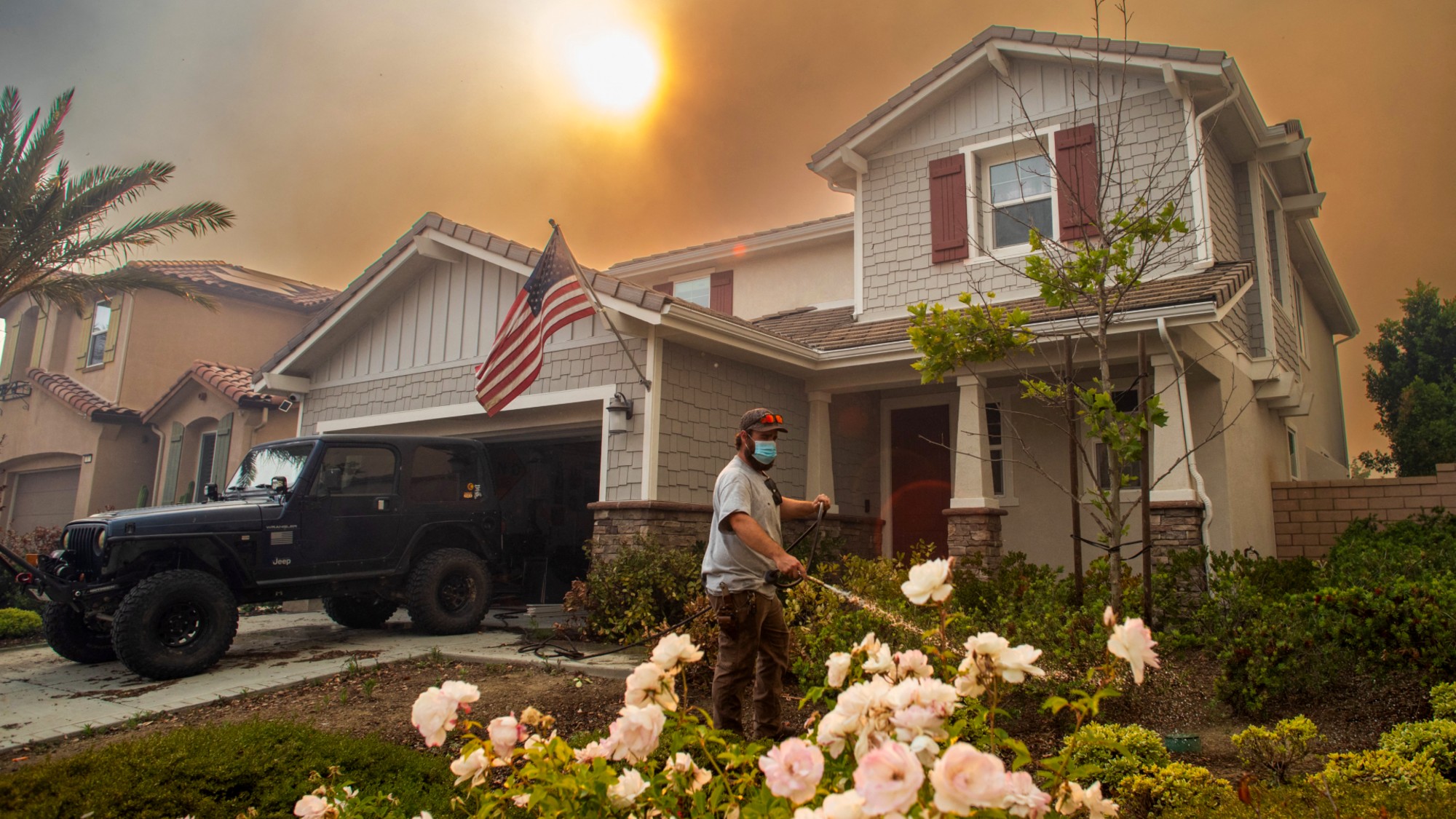
    A resident waters his garden under a plume of smoke from a wildfire in nearby hills in Simi Valley, California. Evacuation orders have been issued to more than 28,000 people in the area since the blaze began on Monday.

    Apu Gomes / AFP / Getty Images


    Puzzles

    Chain Word

    Try The Week’s new daily word challenge in our puzzles and quizzes section

    Play here


    THE WEEK RECOMMENDS

    The best films at Cannes

    Cannes Film Festival has been a “launchpad for Hollywood blockbusters” from “Top Gun: Maverick” to “Killers of the Flower Moon”, said The Times. But in its 79th year, a “strange thing has happened”: it’s once again all “about the art”. Major studios wary of rocking the box-office boat with negative early reviews are shunning the French festival, and the 2026 line-up is instead filled with indie collabs. Here are some of our top picks.

    Fatherland
    Polish director Paweł Pawlikowski’s film about “exile and betrayal” is “an impossibly elegant, poised historical vignette”, said Peter Bradshaw in The Guardian. Shot in “lustrous monochrome” by Lukasz Zal, it follows German novelist Thomas Mann as he returns home to Frankfurt with his daughter in 1949, having fled the Nazis before the war, “for California exile”. But the Germany that they go back to is “dead”.

    Hope
    Na Hong-jin’s sci-fi horror is “crazy good” fun, said David Rooney in The Hollywood Reporter. From the opening scenes, it’s clear you’re “in the hands of an assured genre auteur”. Police are called to a remote village in South Korea where “vicious slaughter” has left a “bull dead in the middle of the road”. As officers try to hunt down the mysterious predator, viewers are treated to “set piece after kickass set piece”.

    Fjord
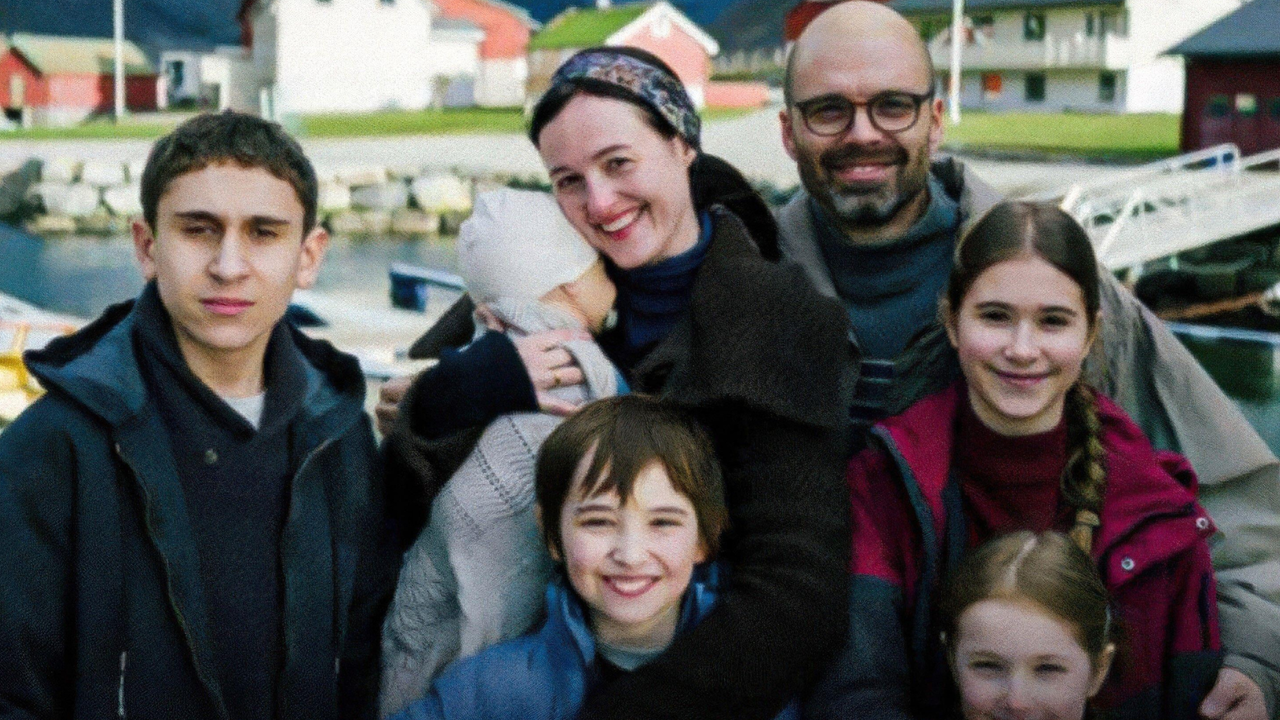
    This “magnificently controlled yet blood-boiling drama” stars Sebastian Stan and Renata Reinsve as a devoutly religious Romanian couple who move their young family (pictured above) to a remote Norwegian village, said Robbie Collin in The Telegraph. But their “strict attitude to discipline raises their neighbours’ hackles” and they find themselves “sucked into a serpentine child protection nightmare”.


    Statistic of the day

    610 minutes: How much moderate to vigorous exercise adults should aim to do every week for the greatest heart benefits, according to a study in the British Journal of Sports Medicine. The researchers said people with a higher base fitness level could get similar results by doing 560 minutes – which is still almost four times more than the current NHS guideline of 150 minutes.


    instant opinion

    Today’s best commentary

    Matt Brittin has taken the helm of the supertanker BBC, but there are plenty of icebergs in his way
    Jane Martinson in The Guardian
    In “a world of on-demand entertainment, fake news and internet slop”, the BBC faces “huge hazards”, writes Jane Martinson. New boss Matt Brittin, formerly of Google, seems keen on “emerging technologies” and has called for a “sense of urgency” in adopting positive change. But there are worries about “his lack of editorial experience”, given the recent controversies involving “editorial or cultural mistakes”. To survive, the BBC needs “editorial that upholds truth”. It “will be hard, but its survival depends on it”.

    Donald Trump’s latest scheme could be the most corrupt act in American history
    Mikey Smith in The Mirror
    The US president “is setting up a billion dollar ‘slush fund’ to hand cash to his allies”, writes Mikey Smith. After suing the Internal Revenue Service for leaking his tax records, Donald Trump is using a $1.776 billion settlement to “pay out compensation to people” he claims “were wronged by the justice department”, including the 6 January rioters. He’s “telling people ‘if you commit crimes for me, you will not only not face punishment, you will be rewarded’”.

    I gave up drinking. Don’t call me teetotal
    Owen Matthews in The Spectator
    Teetotallers are “buzz-killing squares”, writes Owen Matthews. I hate their “pitying looks” and “early departures from the dinner table”. Yet I’ve also “recently mounted the wagon”, because “my body can no longer cope” in “the land of the drunk”. I’ve realised that “constant boozing is a thief of time, a destroyer of one’s life force”. I am still a hedonist at heart. “But if one’s life is to be truly devoted to joy and gratification, booze is not a friend.” 


    word of the day

    Polyclass

    People who identify as belonging to more than one social class. The term was coined by consumer research platform Attest, which polled 2,000 adults and found that 14% felt they were part of two or more different social classes, while 39% said they had moved class. This rise of the polyclass is “at odds with the rigid class framework that has defined British society for generations”, said The HR Director magazine.


    Evening Review was written and edited by Hollie Clemence, Jamie Timson, Harriet Marsden, Chas Newkey-Burden, Irenie Forshaw, Helen Brown, David Edwards and Kari Wilkin, with illustrations from Stephen P. Kelly.

    Image credits, from top: illustration by Stephen P. Kelly / Getty Images; Zpagistock / Getty Images; Stu Forster / Getty Images; Apu Gomes / AFP / Getty Images; Neon / Courtesy Everett Collection / Alamy

    Morning Report and Evening Review were named Newsletter of the Year at the Publisher Newsletter Awards 2025
     

    Recent editions

    • Evening Review

      Will Democrats take the House?

    • Morning Report

      Trump’s ‘anti-weaponization’ slush fund

    • Evening Review

      Is Ukraine giving up on Trump?

    VIEW ALL
    TheWeek
    • About Us
    • Contact Future's experts
    • Terms and Conditions
    • Privacy Policy
    • Cookie Policy
    • Advertise With Us
    • FAQ
    Add as a preferred source on Google Add as a preferred source on Google

    The Week is part of Future US Inc, an international media group and leading digital publisher. Visit our corporate site.

    © Future US, Inc. Full 7th Floor, 130 West 42nd Street, New York, NY 10036.