The Week The Week
flag of US
US
flag of UK
UK
https://cdn.mos.cms.futurecdn.net/flexiimages/jacafc5zvs1692883516.jpg

SUBSCRIBE & SAVE

Less than $3 per week

Sign in
  • View Profile
  • Sign out
  • The Explainer
  • The Week Recommends
  • Newsletters
  • Cartoons
  • From the Magazine
  • The Week Junior
  • Student Offers
  • More
    • Politics
    • World News
    • Business
    • Health
    • Science
    • Food & Drink
    • Travel
    • Culture
    • History
    • Personal Finance
    • Puzzles
    • Photos
    • The Blend
    • All Categories
  • Newsletter sign up Newsletter
  • The Week Evening Review
    Ukraine’s aerial war, Restore Britain, and Iceland’s EU referendum

     
    THE EXPLAINER

    How the Ukraine war is playing out in the skies

    With Russian and Ukrainian forces seemingly locked in a stalemate on the ground, both countries are increasingly turning to drones and “smart” missiles to try to gain an advantage.

    What does that look like?
    Although both sides are increasingly reliant on aerial warfare, they’re using different tactics, according to Russian military expert Nikolai Mitrokhine. Russia carries out occasional but massive strikes and “sometimes fires nearly 1,000 drones a day – as was the case on 24 March – while Ukraine launches almost nightly attacks, between 250 and 400 drones”, Mitrokhine told France’s Le Monde.

    Ukraine has also built an “increasingly sophisticated, layered air defence system”, said the BBC’s defence correspondent Jonathan Beale, and is now able to successfully intercept the vast majority of Russian missiles.

    What weapons are being used?
    Ukraine has been producing long- and medium-range FP-1 and FP-2 drones – known as Drakosha (“little dragons”) – capable of reaching targets more than 110 miles behind the front line, said Reuters. And although Ukraine still relies on expensive US-made Patriot missiles to take down Russian ballistic missiles, cheap interceptor drones such as the P1-SUN – which are 3D-printed and cost just $1,000 (£750) – are proving most effective in defending its cities from aerial attack.

    These defences can do little, however, to stop Russian glide bombs – Soviet-era munitions fitted with cheap guidance kits that turn so-called “dumb” bombs into precision weapons.“For three years, they have been one of the most destructive weapons” used by Kremlin forces to level entire city blocks, said The Telegraph.  But last week, Ukraine unveiled its first domestically produced glide bomb, named the Vyrivniuvach (“Equaliser”).

    How might it impact the war?
    The Equaliser is “one of the most significant additions to Ukraine’s home-grown arsenal since the war began”, said The Telegraph. It “could potentially accelerate the pace at which Russian forces are pushed back”, the Chatham House think tank’s Keir Giles told the paper.

    “Fast-improving” Ukrainian drone capabilities are also “hurting the invaders’ logistics behind the battlefield, and pounding oil infrastructure and military targets deeper inside Russia”, said The Wall Street Journal. This summer will test whether Ukraine “can turn that slender advantage into a strategic turning point”.


    TODAY’S BIG QUESTION

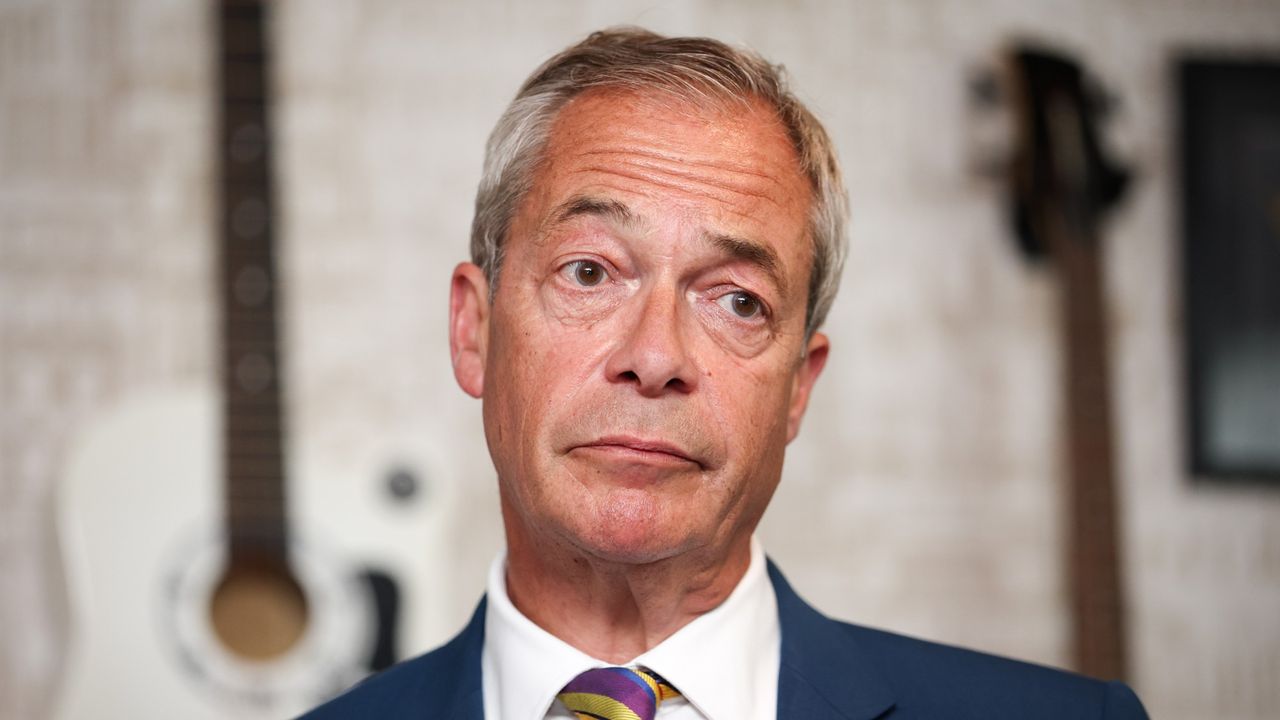
    Will Restore Britain scupper Reform’s bid for Makerfield?

    Parties contesting the Makerfield by-election are “locked in a war of words” over how many voters are backing insurgent “far-right” party Restore Britain, said Kitty Donaldson in The i Paper. An early poll by Survation puts support for Rupert Lowe’s Restore at 7%, with Labour at 43% and Reform UK at 40% – fuelling Labour supporters’ hopes that Restore could split the right-wing vote and usher in leadership hopeful Andy Burnham.

    What did the commentators say?
    Farage and his allies are “visibly rattled” by Restore, said Robert Shrimsley in the Financial Times. Although Farage may not fear being “superseded” by Lowe, a split on the right could “cost him seats”. Yet a Restore surge could also be a blessing in disguise for Farage, serving as a “decontamination chamber” to rid his own party of extreme voices unpalatable to mainstream voters.

    “Then there is Lowe himself,” said James Heale in The Spectator. Farage has “withstood 30 years of muckraking and press sleuthing. Is Lowe ready for the same?” At 68, the Restore leader must now “do in a decade what Farage managed in three”. Lowe is already under investigation by the parliamentary watchdog over a complaint made against him, and as his party’s prominence grows, he will also face pressure to “disavow comments his activists have made”. Given the need to balance that with Restore’s founding principle that Reform’s immigration policies are “insufficiently robust”, his party will “inevitably struggle to keep its base onside”.

    What next?
    “You don’t need to be John Curtice to see what this means,” said Brendan O’Neill on Spiked. In a “two-horse” race between those who believe Andy Burnham can “resuscitate the corpse of Labour” and those who are “taking a punt on the populists of Reform”, Restore is “giving the listless, dull-eyed horse of technocracy its best shot of winning”.

    Support for Restore could make a “critical difference” to the result in Makerfield, said Melanie Phillips in The Times. But either way, “whoever occupies No. 10 after this by-election”, and perhaps the general election, “will be presiding over a country that has become an explosive tinderbox”.


    QUOTE OF THE DAY

    “The pay’s not good, none of us are beautiful and the cars are crap.”

    Former MI6 head Alex Younger, who has died at the age of 62, debunks popular misconceptions about the “glamour” of espionage during a 2024 talk at the Cliveden Literary Festival. The intelligence chief was diagnosed with prostate cancer last year.


    Poll watch

    One in three UK companies expect to make redundancies by the start of 2027, according to a YouGov survey of 1,011 senior decision-makers. The research, for employment mediation service Acas, suggests that larger businesses are more than twice as likely to be anticipating lay-offs (46%) as smaller firms (21%).


    TALKING POINT

    Iceland at an EU crossroads

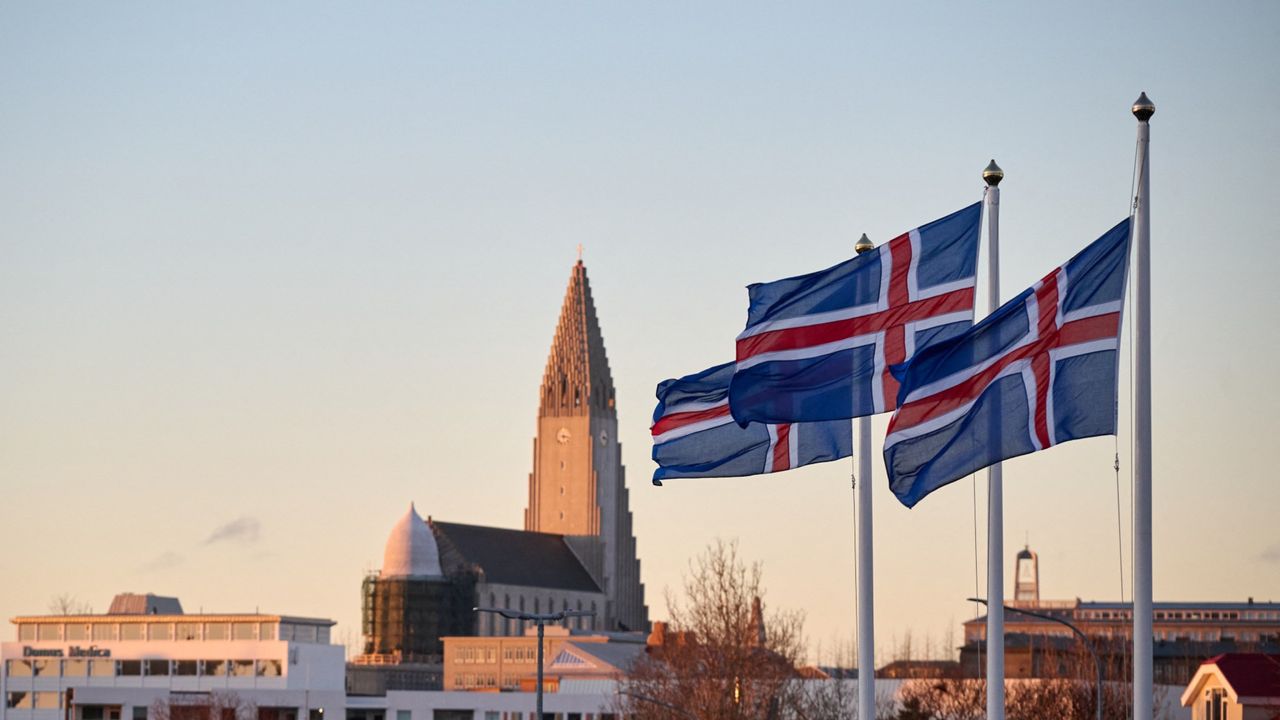
    The EU may soon be on track to gain a 28th member, as Iceland prepares to vote on resuming accession talks. Polling shows Icelanders divided on the issue ahead of August’s referendum, which could have ripple effects on the international order.

    Strategy ‘rethink’
    If Icelanders vote to resume accession talks with the EU, any agreement ultimately reached with the bloc would be subject to a second referendum. According to a recent survey, “42% of Icelanders are in favour of reopening accession talks and 39% are opposed”, said The Guardian. Those in favour view joining the EU as “important for international security and an opportunity for better integration in Europe”, an attitude “in part motivated by threats from the US, a longtime close ally of Iceland, to forcibly acquire its closest neighbour, Greenland”.

    Since last year’s Greenland furore, the bloc has “intensified a rethink of its Arctic strategy”, said Mari Novik in the Financial Times. Previous talks stumbled over regulations around fishing, a major industry in Iceland, but the EU may now be prepared to offer a “carve-out” to smooth the way towards accession.

    ‘Forced to pick a side’
    Politics in Iceland “tend to be rather benign”, but there’s “something about the EU debate that stirs the pot” of public opinion, said Elías Þórsson at Icelandic news magazine The Reykjavík Grapevine. Some feel that EU membership means “giving up Iceland’s sovereignty”.

    The outcome of the vote may come down to the all-important fishing industry. Icelanders have “watched with alarm as Ireland, an EU member, has endured cuts to fishing quotas that have devastated its coastal communities”, said Amelia Nierenberg in The New York Times. Citizens are fearful that the EU could do the same thing to Iceland, unless a carve-out can be secured.

    “People feel that they might be forced to pick a side,” Eirikur Bergmann, a politics professor at Iceland’s Bifrost University, told the paper. But with Donald Trump’s threats to Greenland looming in Icelanders’ minds, there’s “really only one side to pick”.


    Good day 💉

    … ovarian cancer patients, after the NHS medicines regulator approved the first new treatment for the disease in more than 20 years. Mirvetuximab soravtansine will be offered to patients with certain forms of advanced ovarian, fallopian tube or peritoneal cancers and has been shown to extend survival outcomes by an average of four months compared with chemotherapy alone.


    Bad day 🥚

    … brown-egg lovers, as Sainsbury’s cracks on with plans to scrap them from its own-brand ranges. As part of its commitment to achieve net zero, the supermarket is switching to only white-shelled eggs, which have a 12.7% lower carbon footprint than their brown equivalents because they’re laid by smaller hens that consume less food and resources.


    PICTURE OF THE DAY

    Soldiering on

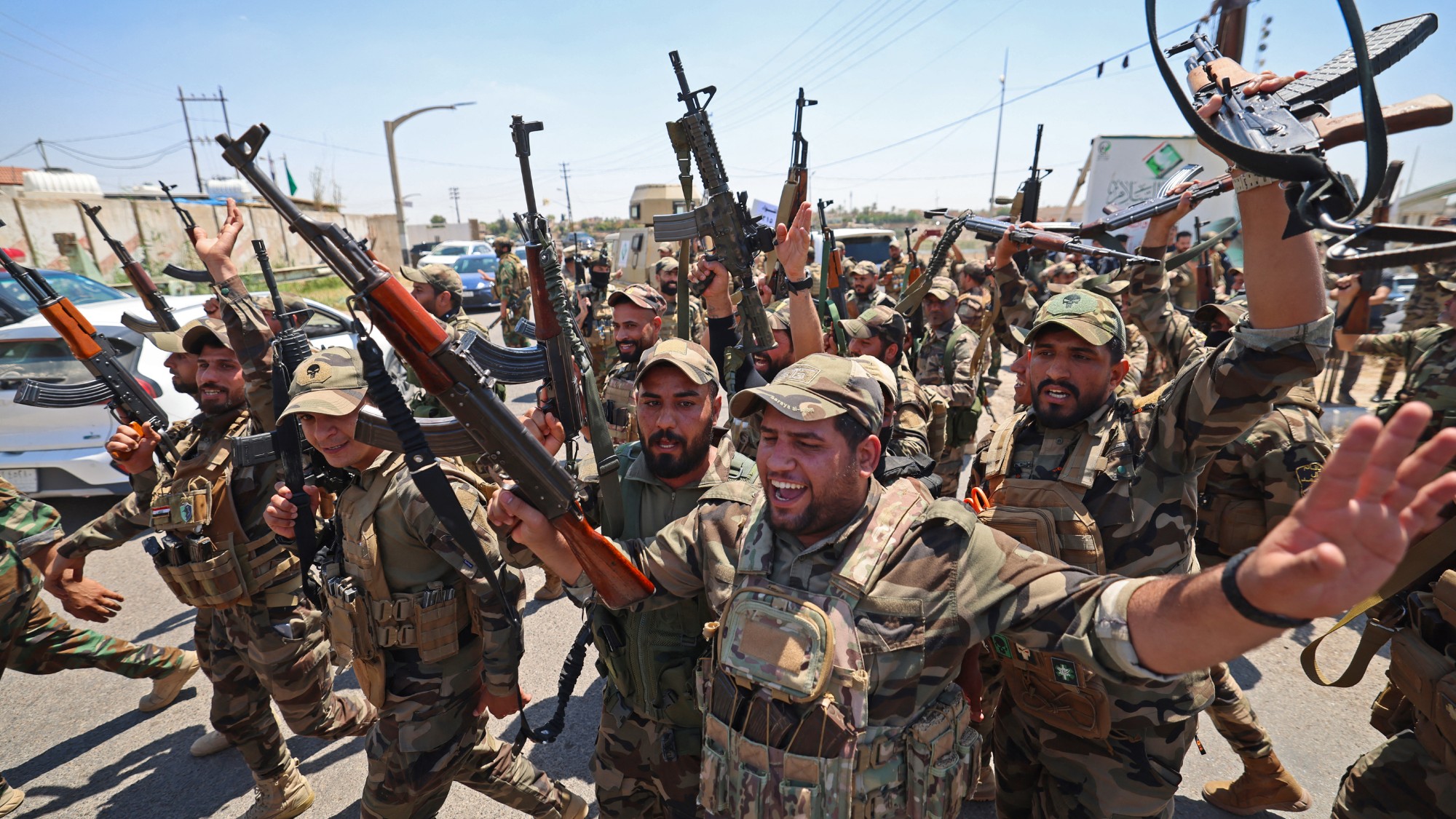
    Members of Iraq’s Saraya al-Salam militia celebrate during a ceremony in the city of Samarra marking their formal integration into the country’s security forces. Prime Minister Ali al-Zaidi has urged armed factions to join government forces, amid US pressure to rein in Iran-aligned groups.

    Ahmad Al-Rubaye / AFP / Getty Images


    Puzzles

    Chain Word

    Try The Week’s new daily word challenge in our puzzles and quizzes section

    Play here


    THE WEEK RECOMMENDS

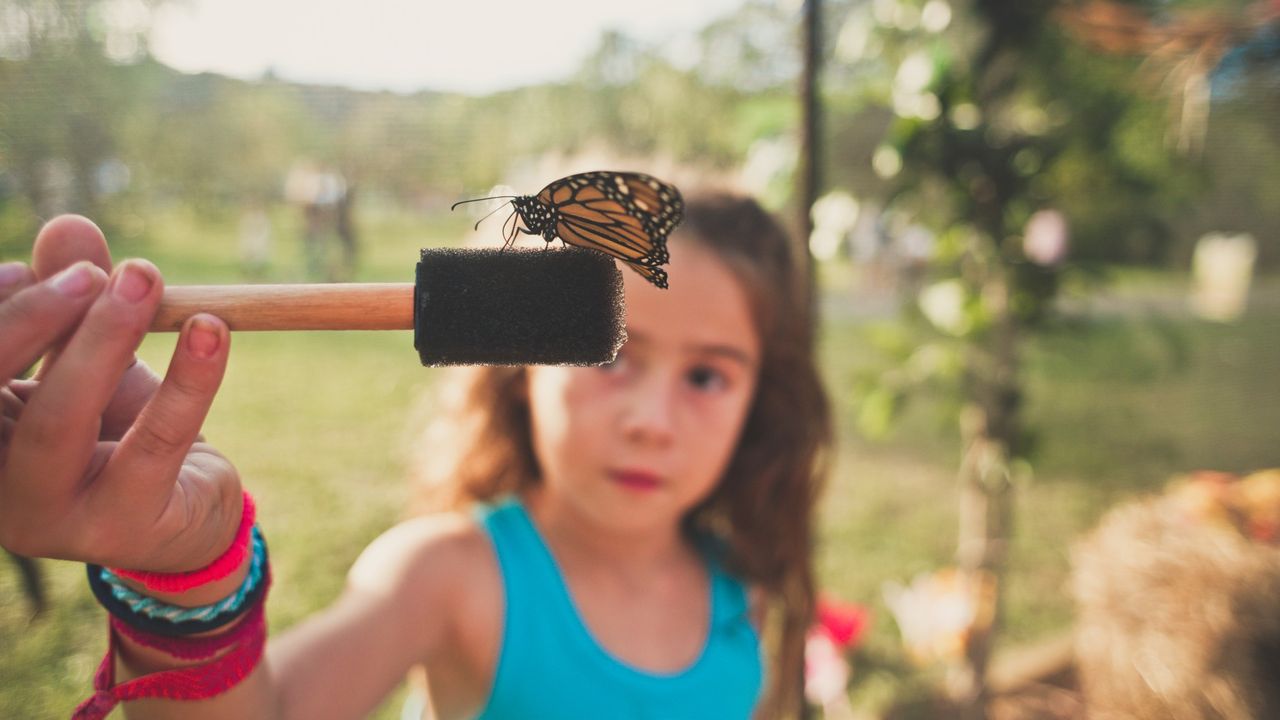
    Best UK nature festivals to visit this summer

    Outdoor life takes centre stage in summer, and nature is the headliner. Up and down the country, there are some brilliant nature festivals where you can spot animals and plants, learn about conservation and immerse yourself in hands-on experiences. Here are some of the best.

    Biosphere festival, Isle of Wight
    This event showcases “the most diverse species and landscapes of this Unesco reserve, from beaches and wetlands to chalk downland and woodland”, said The Guardian. There are open gardens, storytelling sessions, scavenger hunts and fossil workshops, as well as an array of “nature experiences” at sites across the island.

    Cambridge Nature Festival, Cambridge
    This popular festival highlights the region’s natural sights, “from the ancient fens of Wicken” to the “rare orchids of Haslingfield Quarry”, said the Cambridge Independent. There are more than 180 free or low-cost “outdoor adventures” to choose from, including guided bat walks, pond-dipping, boat trips and children’s bushcraft sessions.

    Festival of Nature, Suffolk
    An opening-day talk by local wildlife illustrator Angela Harding kicks off three weeks of creative workshops, discovery sessions, talks and family events at this new addition to the nature festival calendar. Look out for “immersive sound baths, sound installations” and “mesmerising projections”, said the BBC.

    Festival of Nature, Bristol and Bath
    This is the UK’s “largest free nature festival”, with an impressive collection of fun and informative events, said The Guardian. Expect “wildlife walks, river and shoreline surveys, citizen science projects, seed-planting, pollinator-tracking and hands-on conservation activities”.


    Statistic of the day

    779: The number of complaints alleging antisemitic behaviour by UK doctors received by the General Medical Council between October 2023 and December 2025, according to a newly published review. Jewish NHS staff and patients are exposed to “routine ostracism” in the health service, John Mann, the government’s antisemitism tsar, said in his report.


    instant opinion

    Today’s best commentary

    AI is the greatest money-wasting scheme humanity has ever invented
    Cory Doctorow in The Telegraph
    People “fret” that AI will “take all our jobs”, writes digital-rights activist and author Cory Doctorow. But they don’t worry about how much of the stock market is “tied up” in tech firms that “have yet to make a penny’s profit on AI”. This “could become the most toxic investment bubble in history”. AI can’t “do your job, though an AI salesman might well convince your boss” otherwise. But if “the stock market collapses”, it could “destroy your livelihood”.

    Dramatising Sarah Everard’s death only serves the ghouls
    Janice Turner in The Times
    The murder of Sarah Everard “will haunt a generation of young women forever”, writes Janice Turner. That’s why 400 female screenwriters “who petitioned the BBC feel so betrayed” that a new docu-drama about her “will be written by a man”. But it's “immaterial” who writes it; “the only relevant question is whether” it’s right to dramatise “such a horrific and recent crime”. No doubt “Sarah Everard: the Movie will be a mega ratings hit”, but I'm “queasy” about fictionalising her story for “entertainment”.

    Remembering Muhammad Ali’s message of peace
    Amina J. Mohammed on Al Jazeera
    “Ten years after the world said goodbye” to Muhammad Ali, his words still echo “in a hallway just outside my office”, writes UN Deputy Secretary‑General Amina J. Mohammed. Hanging there is a watercolour he painted for us, with a handwritten letter underneath that says: “Service to others is the rent we pay for our room here on Earth.” That message feels “even more urgent” today, reminding us that “peace requires courage” and that “we must nurture and safeguard” it every day.


    word of the day

    Habitability

    A more relatable term than “the environment” for framing climate action, according to French scholars. In a new book, Baptiste Morizot and Laurent Neyret argue that environmentalism is associated with “people who like flowers and little birds”, whereas “habitability” emphasises the conditions essential for continued human life on Earth.


    Evening Review was written and edited by Rebecca Messina, Jamie Timson, Elliott Goat, Will Barker, Justin Klawans, Chas Newkey-Burden, Irenie Forshaw, Helen Brown, David Edwards and Kari Wilkin, with illustrations from Stephen P. Kelly.

    Image credits, from top: illustration by Stephen P. Kelly / Getty Images; Ryan Jenkinson / Getty Images; Halldor Kolbeins / AFP / Getty Images; Ahmad Al-Rubaye / AFP / Getty Images; Fran Polito / Getty Images

    Morning Report and Evening Review were named Newsletter of the Year at the Publisher Newsletter Awards 2025
     

    Recent editions

    • Evening Review

      A conspicuously missing congressman

    • Morning Report

      Midterms take shape after key primaries

    • Evening Review

      UAE’s role in Sudan’s crisis

    VIEW ALL
    TheWeek
    • About Us
    • Contact Future's experts
    • Terms and Conditions
    • Privacy Policy
    • Cookie Policy
    • Advertise With Us
    • FAQ
    Add as a preferred source on Google Add as a preferred source on Google

    The Week is part of Future US Inc, an international media group and leading digital publisher. Visit our corporate site.

    © Future US, Inc. Full 7th Floor, 130 West 42nd Street, New York, NY 10036.