The Week The Week
flag of US
US
flag of UK
UK
https://cdn.mos.cms.futurecdn.net/flexiimages/jacafc5zvs1692883516.jpg

SUBSCRIBE & SAVE

Less than $3 per week

Sign in
  • View Profile
  • Sign out
  • The Explainer
  • The Week Recommends
  • Newsletters
  • Cartoons
  • From the Magazine
  • The Week Junior
  • More
    • Politics
    • World News
    • Business
    • Health
    • Science
    • Food & Drink
    • Travel
    • Culture
    • History
    • Personal Finance
    • Puzzles
    • Photos
    • The Blend
    • All Categories
  • Newsletter sign up Newsletter
  • The Week Evening Review
    Falklands tensions, life at Eton, and the Mormon Church’s landholding

     
    TODAY’S BIG QUESTION

    Is the UK heading for a new Falklands crisis?

    During the Falklands War, Margaret Thatcher had the “solid backing” of her “ideological soulmate” Ronald Reagan, said Robert Tait in The Guardian. But as Argentina again reasserts its claim to the British overseas territory, Andy Burnham “must contend with the chill wind emanating from the menacing and destabilising presence” of Donald Trump.

    In a televised address last week, Argentine President Javier Milei said the geopolitical “winds of change” would favour Buenos Aires, and proposed a “handover” of the islands akin to the transfer of Hong Kong to China.

    What did the commentators say?
    Trump’s recent suggestion that the US might reconsider its tacit support for British sovereignty over the Falkland Islands, in retaliation for the UK’s failure to support him in the Iran war, “was almost entirely the trigger” for Milei’s address, said Tait in The Guardian. The US president’s “vindictive mindset” is an advantage for Milei, who is trying to counter his own “falling political popularity”. This same factor “may have played a key role” in the military junta’s decision to invade the Falklands in 1982.

    But there’s no suggestion that Argentina would “dream of repeating” that “disastrous” decision, which led to the deaths of 907 sailors and soldiers in the 10-week conflict, said The Economist. Milei “appears uncompromising”, but he knows that forcing any change in status for the Falklands is a “tall order”. In a 2013 referendum with a turnout of more than 90%, all but three of 1,517 islanders voted to remain a British overseas territory.

    In the event of another conflict, even a deployment of “two destroyers and three or four frigates” would be a “stretch” for the Royal Navy, said Lewis Page in The Telegraph. Even so, the UK’s aircraft carrier capability would be “completely dominant against Argentina”. Their forces are “even more run down than ours”. Although the UK could not sustain an aircraft carrier presence “indefinitely”, we could “dominate the skies over the Falklands for long enough to mount a campaign there”. And, unlike in 1982, the Falklands are “at least somewhat garrisoned”, which would be a “serious problem for a renewed Argentinian invasion”.

    What next?
    Foreign Secretary Ed Miliband has said British support for the Falkland Islanders’ right to determine their own future is “unwavering”.


    THE EXPLAINER

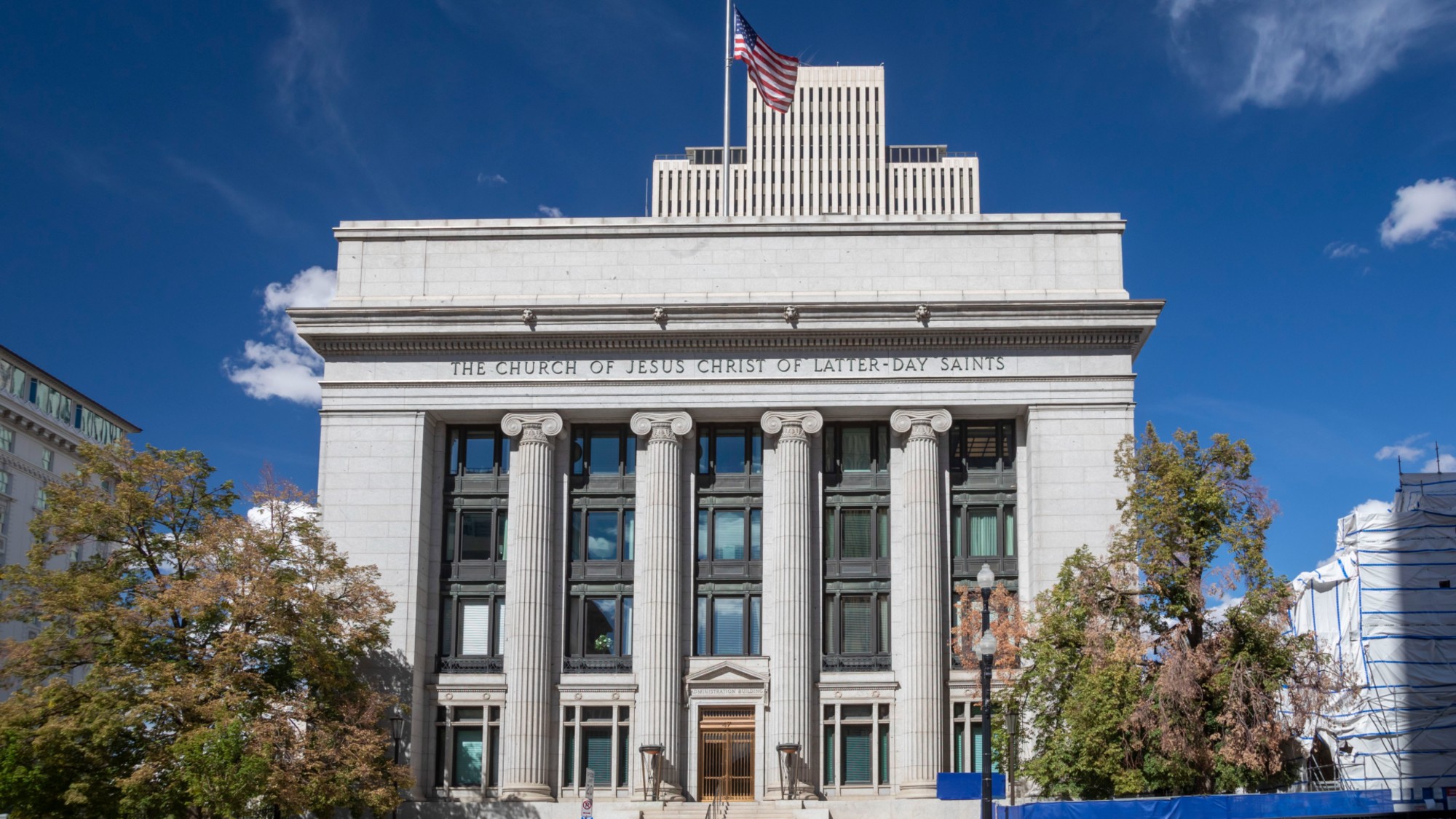
    The Mormon Church’s secretive real estate kingdom

    Mormon temples are a common sight in many US cities, but just how much land is owned by the Mormon Church is less clear. Using a largely obscure real estate company, the Church has been expanding its holdings and is showing no signs of slowing down.

    How is the Mormon Church acquiring land?
    The Church of Jesus Christ of Latter-day Saints, as it is officially known, largely purchases land through its real estate management brand, Property Reserve, which is “relatively unknown to many”, said Bloomberg. Through a “web of subsidiaries”, it has “accumulated billions of dollars of properties from farms and ranches to apartments and hotels, becoming one of America’s largest – and least transparent –  landowners”.

    A review of property records suggests the Church owns at least 2.4 million acres, “an area almost twice the size of Delaware”, with an estimated value of more than $20 billion. As well as buying land for temples and farmland, it is now “starting to get more involved in housing and master-planned communities”. These building projects have triggered “debates over everything from water and infrastructure to environmental preservation and local control”.

    What is the goal?
    The Church says all of its real estate is intended to support its mission, whether the land is used for religious, historical preservation or investment purposes. The portfolio has grown “purposefully to provide durable cash flow to fund the Church’s mission”, according to a statement from Property Reserve.

    The Church has been acquiring land for more than a century, and property ownership is “intertwined” with its “emphasis on self-sufficiency and preparing for the future”, said Bloomberg. Just as the Church is becoming “increasingly visible in American culture, from influencers with millions of followers to TV shows such as ‘The Secret Lives of Mormon Wives’”, its “most consequential” building projects may be “on a scale that can reshape entire regions”.

    This “multibillion-dollar real estate portfolio” has attracted criticism, said The Real Deal. Members are required to donate 10% of their income to the Church, but public disclosure rules on where the money goes are less strict for religious institutions than for businesses.


    QUOTE OF THE DAY

    “That’s when you really feel your profound loss, it’s when life gets back to normal.”

    The mother of Nottingham stabbings victim Grace O’Malley-Kumar says the end of the public inquiry into the killings by Valdo Calocane will be “just the beginning” for her family to grieve. We may “crumble” after the hearings conclude tomorrow, Dr Sinead O’Malley-Kumar told reporters.


    Poll watch

    Only 7% of the British public would back cuts to disability benefits, while 49% think they should be increased. The latest British Social Attitudes survey, based on 4,656 interviews, reveals a broad political consensus, with 38% of Reform voters, 43% of Conservative supporters and 57% of Labour supporters backing a rise.


    IN THE SPOTLIGHT

    School life at Eton

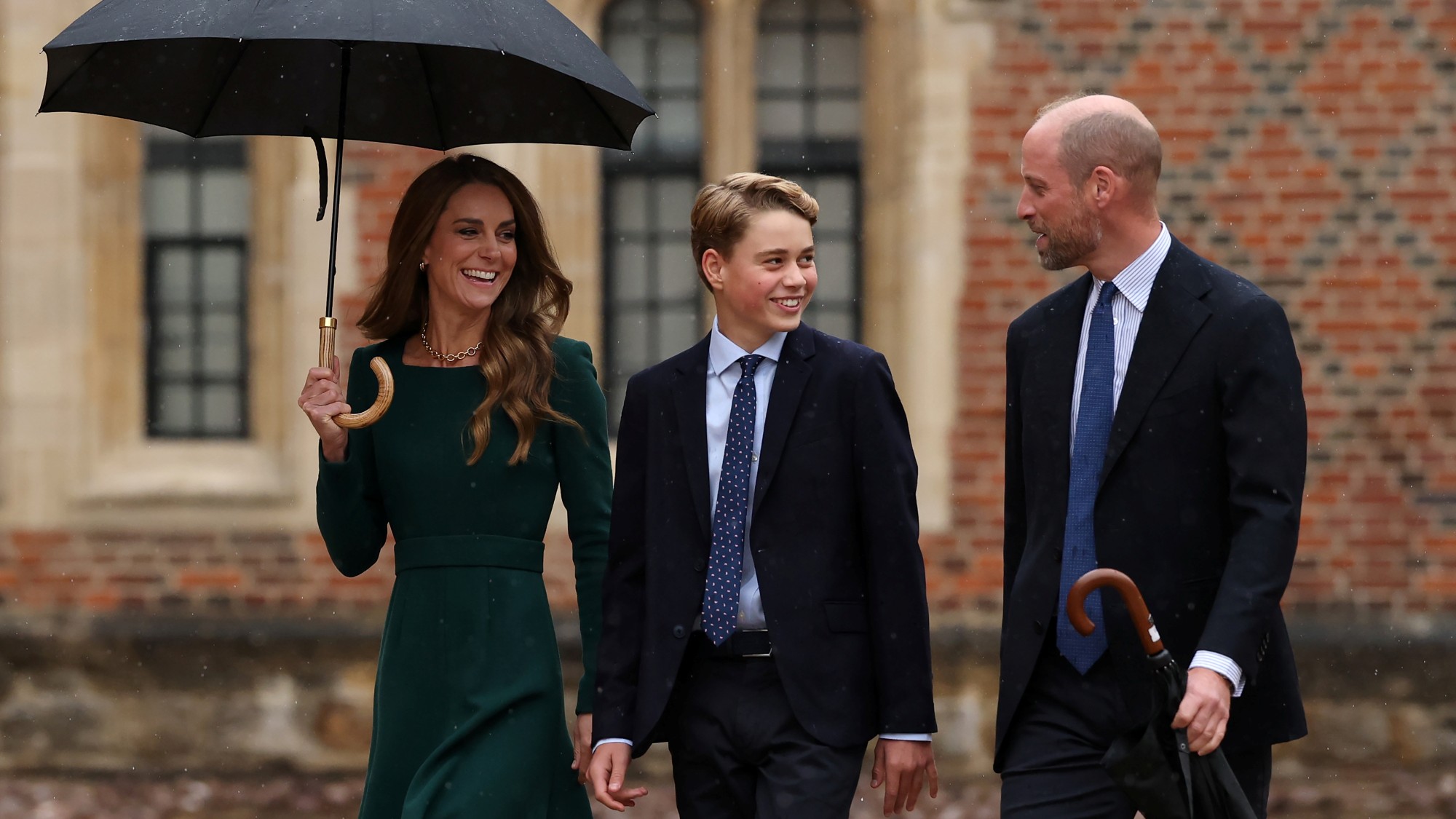
    Founded in 1440 by King Henry VI, Eton College is a “rarefied bubble of educational privilege” that will have taught the country’s next two kings, said The Telegraph. Prince George is following his father, uncle and 20 British prime ministers in attending the £21,891-per-term boarding school.

    ‘Uncle’ and ‘timelord’
    Prince George will be one of “250 apprehensive first years” arriving at the famed Berkshire school for their first term today, said The Telegraph. After settling into their accommodation, they will begin learning “Eton’s peculiar geography” and the typical “rhythm of the day”. School days begin with a 10-minute chapel service, followed by around seven lessons, and at least two hours of “intense sport”, as well as “EW (extra work)”.

    “Eton has its own language and its own traditions,” said The Sunday Times. Each house has a “dame”, Eton’s version of a matron, who will “regularly pop in for a chat with George and the other F-Blockers”, or first years. He will also be assigned an “‘uncle’” and a “timelord” from among the older boys in his house. The former will explain the intricacies of Eton’s uniform – a “black morning suit with pinstripe trousers” – and mastering the “front studs, back studs and detachable collars”. The latter will help him arrange his schedule and extracurricular activities, which might include “22in calibre rifle shooting on the school range” or “auditioning for a play”.

    ‘Unique phrases’
    “The school has so many unique names and phrases that there is an ‘Eton Glossary’ on its website,” said the Daily Express. George will be expected to learn and use the terms “pop” (senior prefects), “dry bobs” (those who play cricket instead of rowing in summer) and “beaks” (teachers). On day one, new pupils are quizzed on these “unique phrases of the school”, as well as the colours of each of its 25 houses. 

    Even though Eton is close to Forest Lodge, his family’s eight-bedroom Windsor home, George will be a full boarder, said Hello! But he will go home “every two or three weeks”, and will have a room to himself at school, as “there are no shared rooms at Eton”.


    Good day 💼

    … for old friends, as Netflix confirms that a new “The Inbetweeners” movie is in the works. Filming of the third feature film began yesterday, when the streaming giant also dropped a video teasing the return of original cast Simon Bird, James Buckley, Blake Harrison and Joe Thomas. 


    Bad day 🚀

    … for the US Space Force, after the military branch’s proposed new uniforms faced ridicule online. The row erupted after Donald Trump posted a mock-up graphic that said the design was inspired by the uniforms in the film “Starship Troopers”. As critics noted, the makers of the 1997 political satire modelled the costumes on Nazi SS and Gestapo aesthetics. 


    PICTURE OF THE DAY

    Making waves

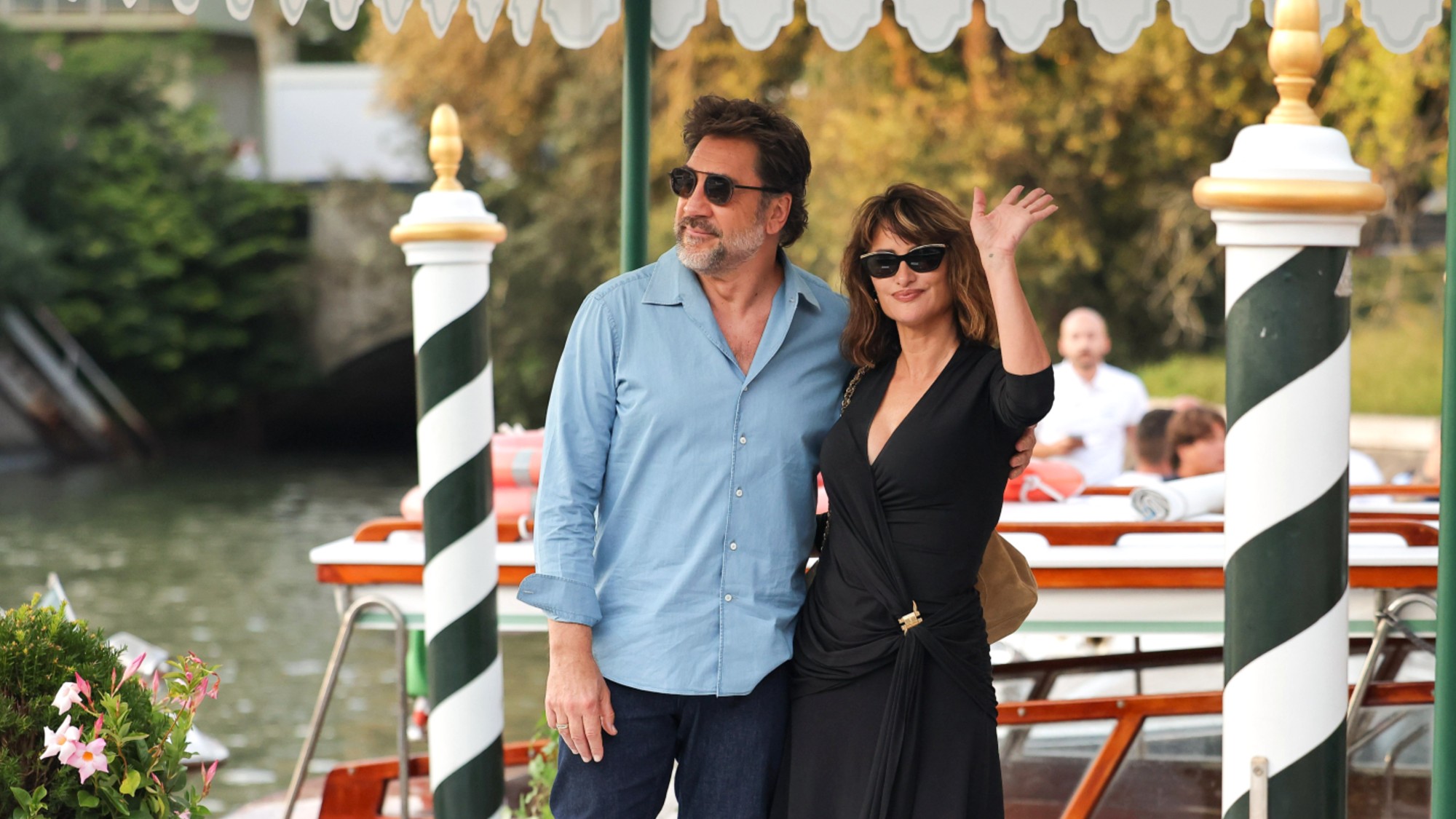
    Penélope Cruz and Javier Bardem arrive at the Venice Film Festival by boat ahead of the premiere of the real-life couple’s film “Bunker”. The psychological thriller, directed by Florian Zeller, is a contender for the festival’s coveted Golden Lion award.

    Laurent Vu / Sipa / Shutterstock


    Puzzles

    Chain Word

    Try The Week’s daily word challenge in our puzzles and quizzes section, which also includes sudoku and Guess the Number

    Play here


    THE WEEK RECOMMENDS

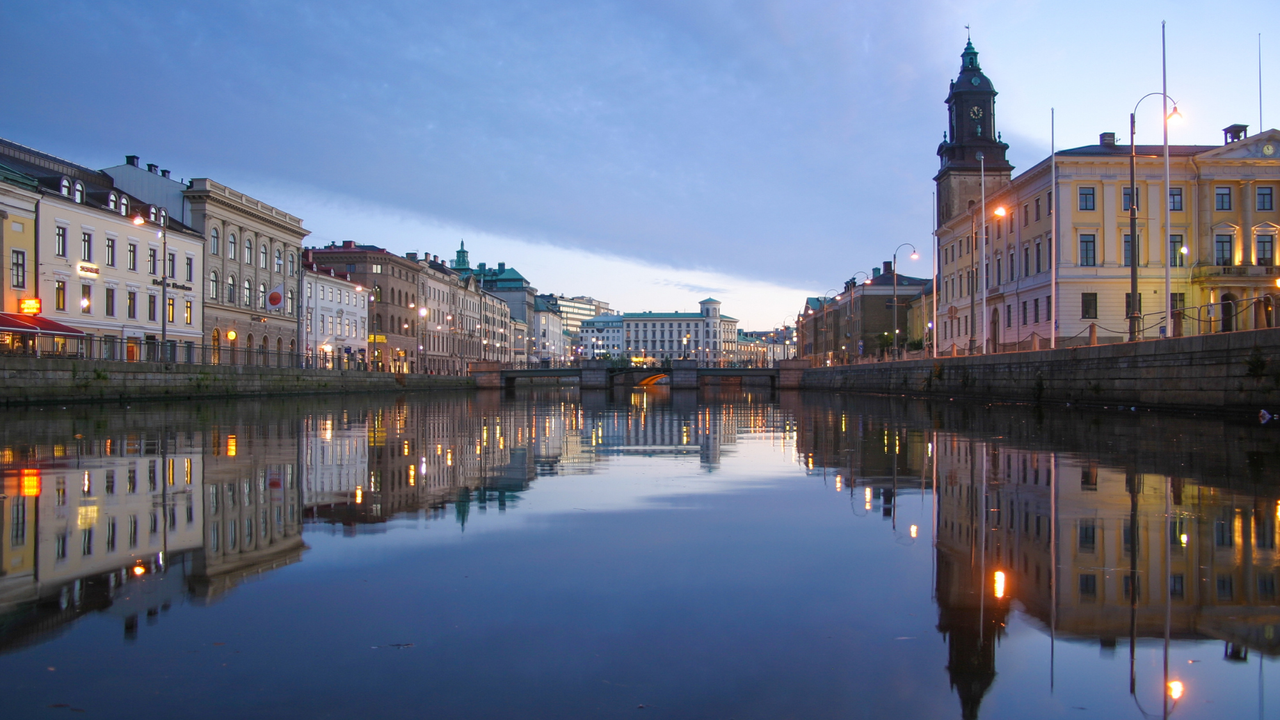
    A mini-guide to Gothenburg

    Sweden’s “second city” is less crowded than Stockholm, and thanks to the “icy, clean water” off the surrounding coast, Gothenburg is also known for its excellent seafood, said Arielle Domb in The Independent.

    Located on the country’s southwest coastline, at the mouth of the River Göta, Gothenburg has been a “crucial” destination for the fish and shellfish trade since the 18th century. Its daily indoor fish market, Feskekörka, is housed within a building that resembles a church, with “pointed Gothic arch windows”, where “vibrant fish stalls” are piled with everything from lobsters and crayfish to whole salmon. A two-day seafood festival “celebrating west coast ingredients” takes place every September. And Gothenburg is also “brimming” with trendy restaurants and coffee shops to enjoy all year round.

    If the city has one “must-see district”, it has to be Haga, said Alicia Miller in National Geographic. Grab some salty liquorice at Lakritsroten to munch while you explore the “cobbled streets and cute boutiques”, and stop to browse in the antiques shops. To “get to grips” with the city’s history, consider spending an afternoon at the Museum of Gothenburg, which is “primely placed in the 18th-century former Swedish East India Company headquarters, on the banks of Stora Hamnkanalen” (Great Harbour Canal).

    Gothenburg is also within easy reach of a “beguiling” archipelago, said Lizzie Frainier in The Times. Vrångö, the southernmost inhabited island, is a 30-minute ferry ride from Saltholmen port. With fewer than 400 residents, it’s home to two “ruggedly beautiful” nature reserves, each with its own hiking trail.


    Statistic of the day

    S$1.4 million: A one-off pay rise awarded to Singapore’s prime minister, already the highest-paid government leader in the world. Lawrence Wong’s annual pay package will rise from S$2.2 million (£1.3 million) to S$3.6 million (£2.1 million) from next month, although he has promised to donate the difference to charity for the next five years following criticism of the hike. 


    instant opinion

    Today’s best commentary

    Labour’s muddled migration policy won’t stop thuggery
    Stephen Bush in the Financial Times
    Labour has relied on the notion that rising anti-migrant unrest could be curbed “merely by reducing immigration and meeting people’s ‘legitimate concerns’”, writes Stephen Bush. Yet for a third consecutive summer, “falling net migration has been paired with emboldened far-right agitation”. The government, “unable to distinguish between legitimate concern and open hatred”, has responded with a muddled rush towards negative net migration that “neither stems the tide of illegitimate concerns nor addresses legitimate ones”.

    The terror and the truthers
    Ben Sixsmith in The Critic
    I don’t think the “9/11 Truthers” were right, writes Ben Sixsmith, but the actions of the Bush administration “fuelled the idea that something dishonest and malicious was going on”. More recently, Covid paranoia was driven by “establishment irrationality and sweeping authoritarianism”. While conspiracy theories are sometimes “motivated by bigotry”, or simply “make their advocates feel special”, such theories “should often make the powerful ask questions of themselves” and their own behaviour.

    Women who lie about having a nanny deserve a special place in hell
    Celia Walden in The Telegraph
    In a recent interview, TV presenter Cat Deeley praised the “amazing nanny” who looks after her sons, and I “love” her for that, writes Celia Walden. It’s a “mundane” story – “Working Woman Employs Nanny” – but for a “high-profile” mother not to echo “The Great Nanny Lie” is “such a breath of fresh air”. Many “sidestep, minimise or elide” the “judgement-inducing” disclosure that they have paid help. It’s just another way to “propagate the ‘juggle it all’ fantasy”.


    word of the day

    $LAPTOP

    Hunter Biden’s new meme coin, named after the “most-infamous personal computer in American political history”, said The Wall Street Journal. Joe Biden’s son is entering the cryptosphere tomorrow, trading under a ticker inspired by the laptop seized by the FBI after he dropped it off at a Delaware repair shop in 2019. The leaked contents “forged a cottage industry of investigations, conspiracies – and digital media content”. 


    Evening Review was written and edited by Hollie Clemence, Rebecca Messina, Harriet Marsden, Justin Klawans, Will Barker, Chas Newkey-Burden, Irenie Forshaw, Adrienne Wyper, David Edwards and Kari Wilkin, with illustrations by Stephen P. Kelly.

    Image credits, from top: illustration by Stephen P. Kelly / Getty Images; Jim West / UCG / Universal Images Group / Getty Images; Adrian Dennis / WPA Pool / Getty Images; Laurent Vu / Sipa / Shutterstock; Andreas Bitterer / Getty Images
     

    Recent editions

    • Sunday Shortlist

      A B movie with A-movie polish?

    • Saturday Wrap

      Dolly Parton’s unifying talent

    • Evening Review

      The Pentagon in turmoil

    VIEW ALL
    TheWeek
    • About Us
    • Contact Future's experts
    • Terms and Conditions
    • Privacy Policy
    • Cookie Policy
    • Advertise With Us
    • FAQ
    Add as a preferred source on Google Add as a preferred source on Google

    The Week is part of Future US Inc, an international media group and leading digital publisher. Visit our corporate site.

    © Future US, Inc. Full 7th Floor, 130 West 42nd Street, New York, NY 10036.