The Week The Week
flag of US
US
flag of UK
UK
https://cdn.mos.cms.futurecdn.net/flexiimages/jacafc5zvs1692883516.jpg

SUBSCRIBE & SAVE

Less than $3 per week

Sign in
  • View Profile
  • Sign out
  • The Explainer
  • The Week Recommends
  • Newsletters
  • Cartoons
  • From the Magazine
  • The Week Junior
  • More
    • Politics
    • World News
    • Business
    • Health
    • Science
    • Food & Drink
    • Travel
    • Culture
    • History
    • Personal Finance
    • Puzzles
    • Photos
    • The Blend
    • All Categories
  • Newsletter sign up Newsletter
  • The Week Evening Review
    A ‘triumph of optics’ over Greenland, the ‘Putney pusher’, and Earl Spencer’s book

     
    TODAY’S BIG QUESTION

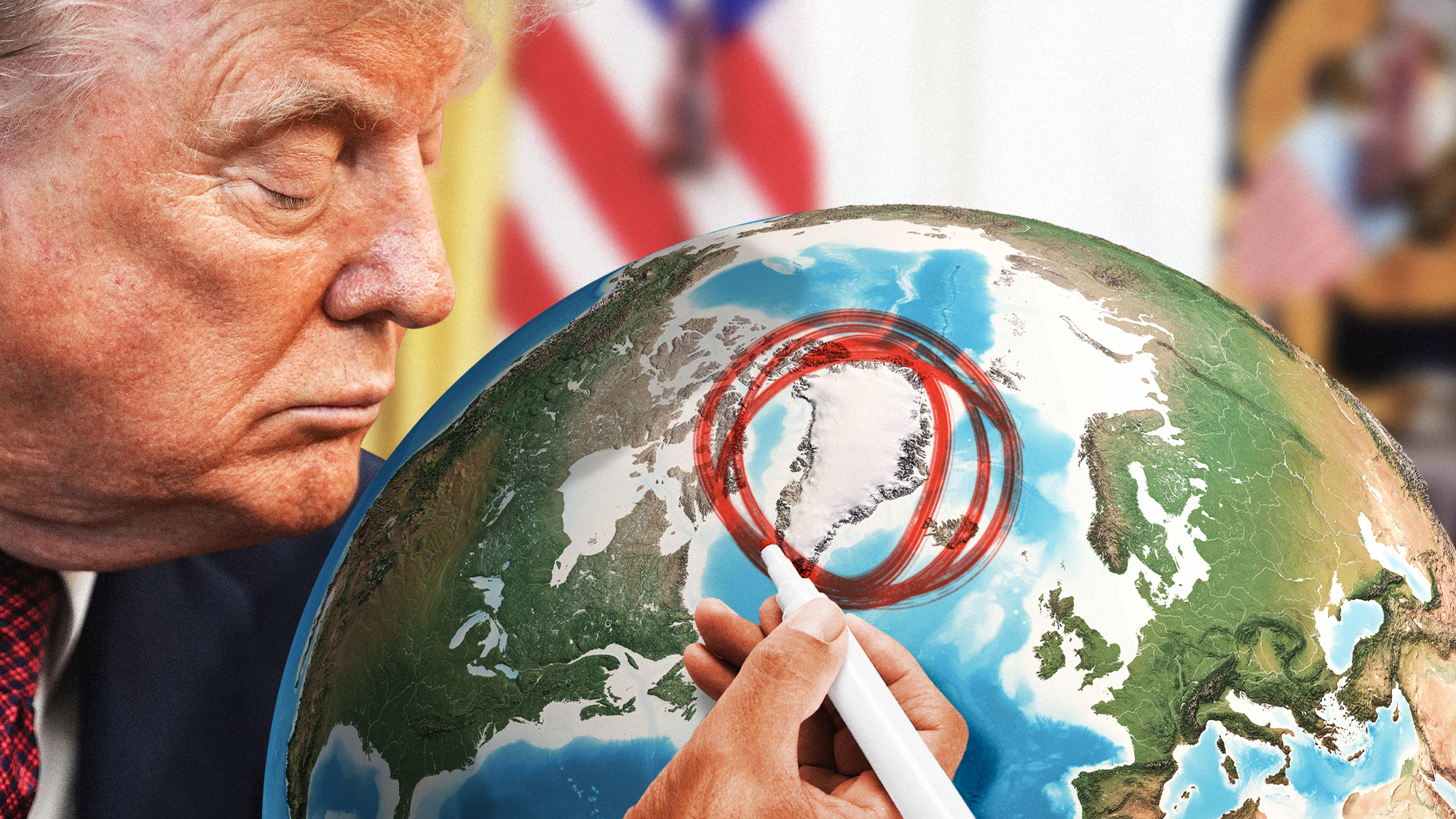
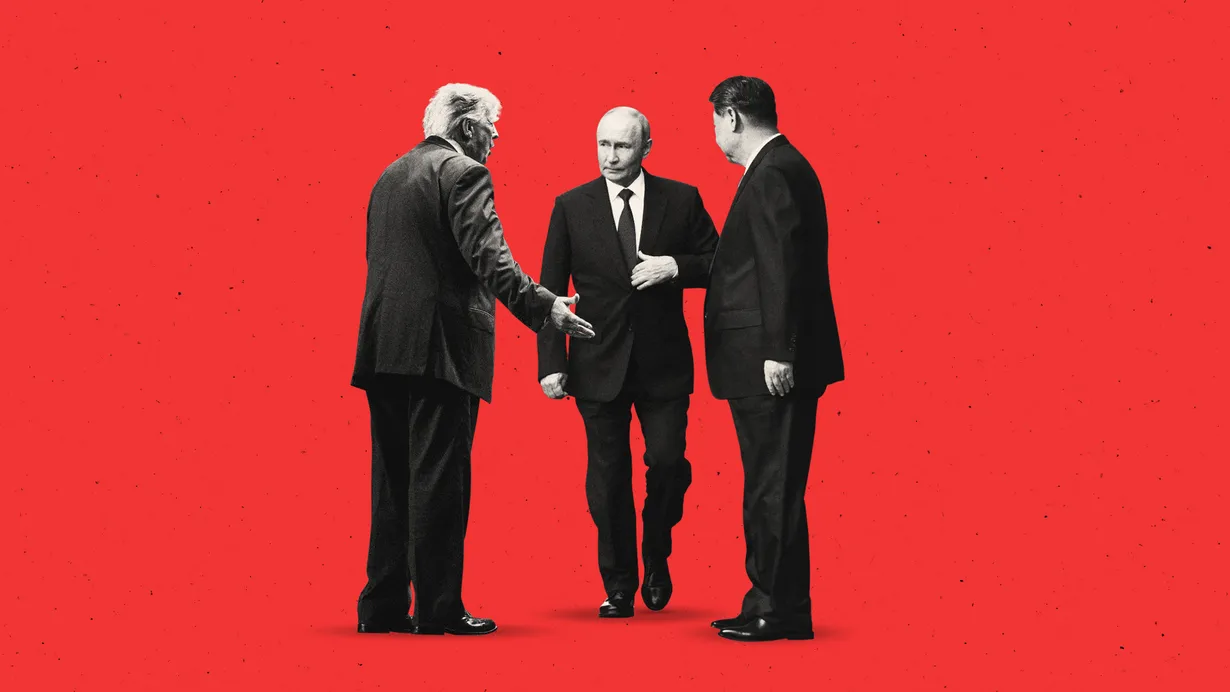
    Is the Greenland deal a victory for Trump?

    After months of threats to annex Greenland, Donald Trump has hailed a deal that gives the US “permanent control over security” in the semi-autonomous Danish territory. “From now on, no US adversary can EVER have a base in Greenland, have a military presence in Greenland, or make sensitive investments in Greenland, without our express written approval”, the US president said on Friday. This is an “infinite life agreement”.

    The deal has been described as a win for both sides but, as ever with Trump, “the devil is in the details” and “the details about this deal are still scarce”, said US financial news magazine Barron’s.

    What did the commentators say?
    The US has made it easier to “control encroachment on Greenlandic soil by China, Russia and other adversaries”, so the Arctic is undoubtedly “a safer place for America and its allies today”, said The Economist. For this, “due credit must go to” Trump.

    A 1951 agreement with Denmark already granted the US military exclusive privileges over the “valuable strategic territory”, but the new deal is “a hedge against the risk that Greenlanders might someday declare independence from Denmark”, said The Wall Street Journal’s editorial board. That said, it is still “fair to ask whether this deal could have been reached without the collateral damage to US alliances from Trump’s bullying threats”.

    “It is perhaps a triumph of optics,” said Marc Jacobsen on Al Jazeera. Despite all the backslapping in the White House, changes to the existing arrangement appear to be “relatively limited”. This is “a testament to the negotiating skills of the Danish and Greenlandic representatives”, who have given Trump “the opportunity to claim the victory he needed, while preserving sovereignty”.

    “A wise Danish politician once said that you can achieve almost anything if you are willing to let others take the credit,” Henrik Dahl, a Danish member of the European Parliament, told The Telegraph. “So let us give Donald Trump the credit for something very close to the status quo.”

    What next?
    The deal is expected to be signed on the sidelines of the UN General Assembly in New York on Tuesday, and will then need to be approved by legislators on both sides of the Atlantic before it can come into force.


    THE EXPLAINER

    Putney pusher: did the Met target the wrong man?

    Relatives of Nicholas Brandram, the man suspected of being the so-called “Putney pusher”, have accused Scotland Yard of being “negligent and reckless” after he was found dead at an address in London last week. 

    The 44-year-old had been arrested in June on suspicion of causing grievous bodily harm in 2017 by pushing a woman into the path of a bus. He “took his own life after months of immense pressure” caused by the Metropolitan Police investigation, said his family.

    What did the police do?
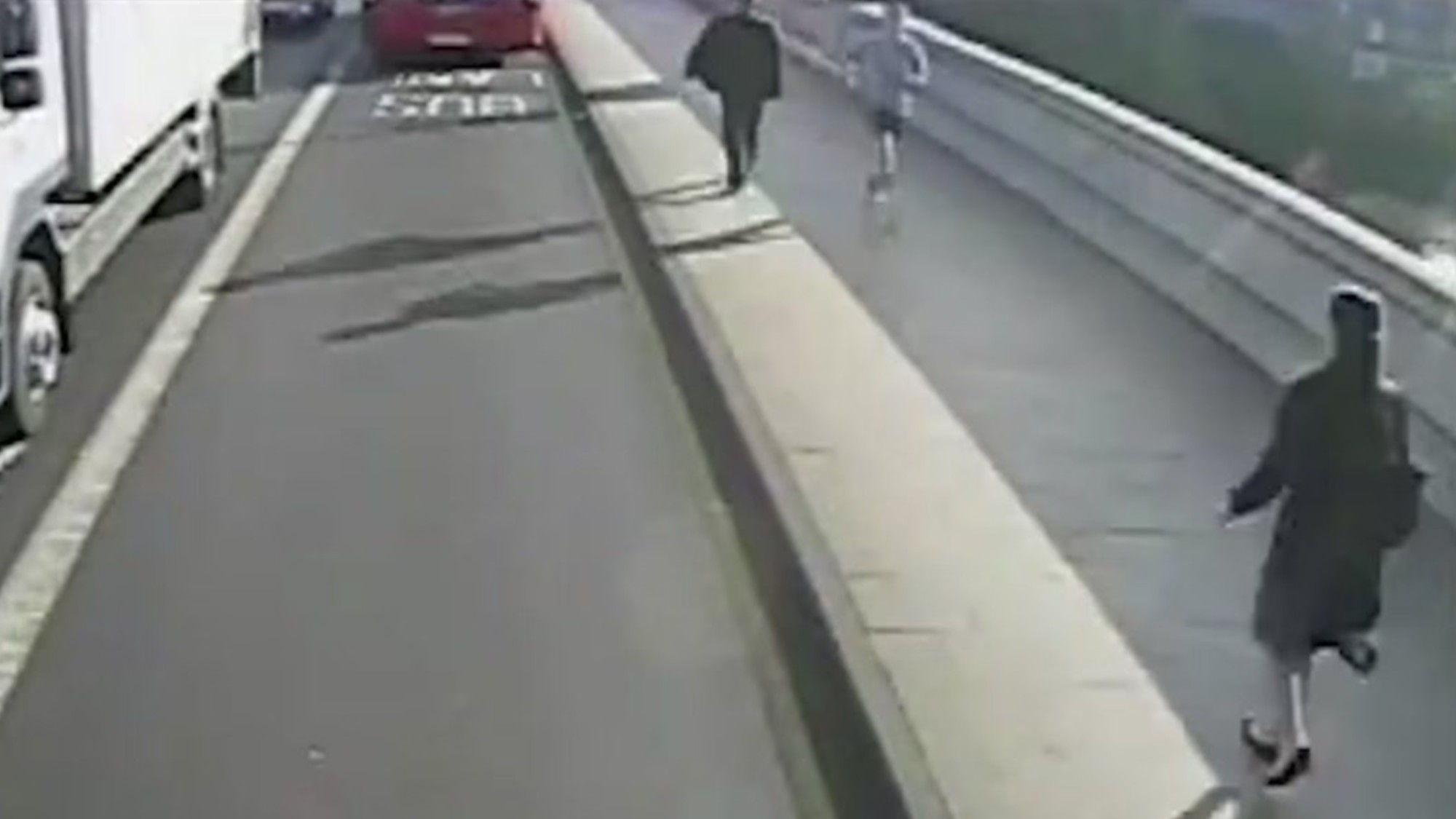
    At around 7.40am on 5 May 2017, a man jogging along the pavement on Putney Bridge in southwest London appeared to veer towards a woman coming in the opposite direction and push her into the path of an oncoming bus. The bus driver managed to swerve around her just in time. Detectives interviewed 50 men and arrested three suspects, but all three were released without charge and the Met closed its investigation in 2018. 

    Then, this summer, detectives arrested Brandram. He was additionally arrested on suspicion of possessing Class A and Class B drugs after a search of his home, and was suspended from his role as senior manager for HSBC’s private banking service. It is understood that he told friends that “a relative of his ex-wife had gone to the Met”, following “an acrimonious divorce” and custody battle, said The Times.

    He was initially released on bail. But, earlier this month, the Met announced that he had been released under investigation without any conditions, “suggesting that the case was not progressing with any urgency”, said The Telegraph. He was never charged or tried.

    What does his family say?
    Brandram’s relatives insist he was not the Putney pusher, and say the Met Police’s failure to clear his name was “a source of profound grief and anger for our family”. “There was no forensic evidence linking Nick” to the crime, and “no evidence placing him on Putney Bridge at that time”. The evidence, they said in a statement, “proved the opposite”.

    A spokesperson for the Independent Office for Police Conduct confirmed that it had received “a mandatory referral” from the Met Police after Brandram’s death. The Met says its investigation into the Putney pusher is still ongoing.


    QUOTE OF THE DAY

    “It poses a real and present danger to the wellbeing and mental health of school leaders and teachers, possibly even a risk to life.”

    The general secretary of the NAHT school leaders’ union warns that the new Ofsted grading system, brought in after a headteacher took her own life in 2023, is “even more stressful than the one that preceded it”. Paul Whiteman has urged the government to replace the current colour-coded report system with a narrative report on each school.


    Poll watch

    Unwelcome news for Liberal Democrats at their conference in Brighton: 43% of Brits think it’s unclear what Ed Davey’s party stands for. The YouGov survey of 2,128 adults found only 18% think the Lib Dems have a clear sense of purpose. The remaining 39% have no view either way or don’t know.


    IN THE SPOTLIGHT

    Earl Spencer’s Swan Song: the most explosive claims

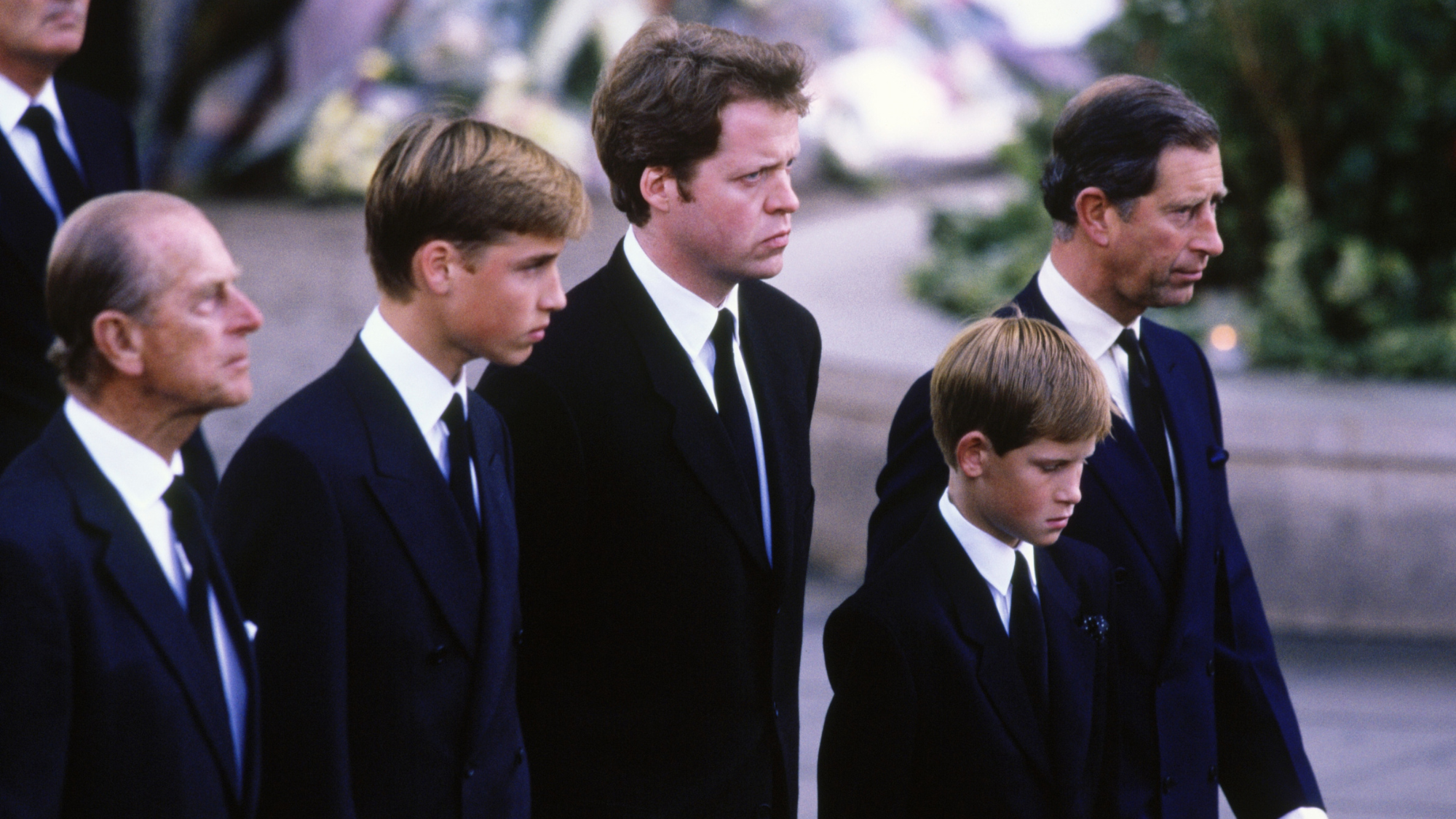
    Revenge, for Charles Spencer, is “best served in a primetime television slot with the merest hint of a smirk and, where appropriate, a few tears”, said The Times. Princess Diana’s brother, the ninth Earl Spencer, sat down with Laura Kuenssberg for a 30-minute interview on the BBC, and expanded on a series of controversial allegations set out in his new memoir, “Swan Song: Diana, My Sister”.

    ‘Gaslit by the King’
    Perhaps the most shocking claim in the book relates to a comment allegedly made by King Charles, then the Prince of Wales, in the days immediately after Diana’s death in 1997. Spencer claims that, during a heated telephone call about the funeral arrangements, Charles “hissed” the words: “We’ll forget her soon enough.” He also alleges that Charles sounded “giddily elated” on the phone shortly after receiving news that Diana had been killed in a car crash in Paris. 

    Buckingham Palace issued a statement on behalf of the King suggesting that “fraternal grief can cloud reason, affect judgement and colour memory in ways others do not recognise, even many years after such a loss”. That response was “astonishingly provocative and below the belt”, Spencer told The Mail on Sunday. “It is not every day you wake up to find you’ve been gaslit by the King,” he said, calling the statement a “rather poor imitation” of the late Queen’s “‘recollections may vary’ quote”.

    ‘Cancerous’ tabloids
    Spencer’s memoir also reveals details of Charles and Diana’s deeply unhappy marriage. Diana allegedly told a friend in the days before their wedding in 1981 that Charles was “very happy to marry her” but was “not actually in love with her”, and she was sure his “heart was elsewhere”. The earl also alleges that Charles contributed to Diana’s eating disorder by squeezing her waist soon after their engagement and saying, “Oh, a bit chubby here, aren’t we?” 

    Spencer claims there was a “lack of obvious care” for 12-year-old Harry, who seemed “so very alone in his despair and torment” following his mother’s death, and suggests the young prince was “allowed to spin out of control”. When asked by Kuenssberg how he feels about the Duke and Duchess of Sussex now, he expressed concerns over their security. Pointing to the “cancerous influence” of tabloid newspaper articles, he said: “It would really be beholden on people to learn from Diana’s example.”


    Good day 🐦‍⬛

    … for black robins, crowned New Zealand’s bird of the year after being saved from the brink of extinction. In the 1970s, there were only five of these “goths” of the bird world – and one breeding pair – left. But a project using “foster parents” from other species to look after their eggs has brought numbers back to 350 adults today.


    Bad day🏈

    … for American football, after an NFL game between the Tennessee Titans and the Philadelphia Eagles in Nashville was played in such extreme heat that players’ boot studs melted. Eagles coach Nick Sirianni needed IV rehydration after standing on artificial turf that reportedly reached 69.4C.


    PICTURE OF THE DAY

    ‘The Quiet Predator’

    The gas and dust of the Shark Nebula, 650 light years away in the constellation Cepheus, is captured by photographer Ali Alobaidly after two nights’ camping in the Kuwaiti desert. The image has won him the title of Royal Observatory Greenwich’s ZWO Astronomy Photographer of the Year.

    Ali Alobaidly / Royal Observatory Greenwich’s ZWO Astronomy Photographer of the Year


    Puzzles

    Chain Word

    Try The Week’s daily word challenge in our puzzles and quizzes section, which also includes sudoku and Guess the Number

    Play here


    THE WEEK RECOMMENDS

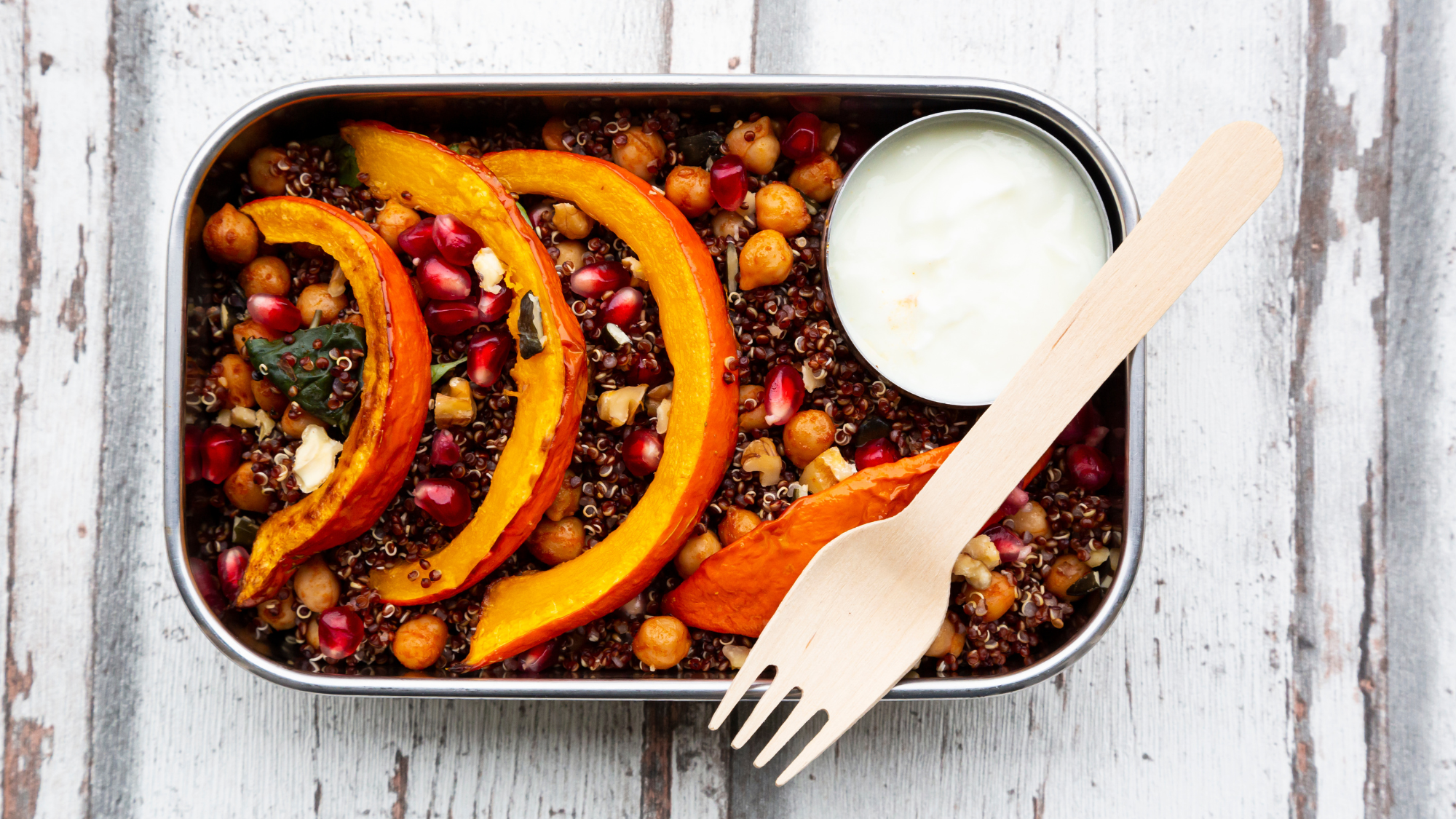
    Packed lunches that pack a punch

    That lunchbox that’s been “lurking” at the back of the cupboard for the past few years “may finally be heading back to work”, said Andrew Ellson in The Times. No more popping into Pret a Manger for a sandwich; office workers are “rediscovering the packed lunch”.

    This doesn’t have to mean soggy sandwiches or a “punishment tub of undressed baby spinach and slimy sweet potato chunks”, said Jimi Famurewa in The Guardian. Instead, you can get creative with “punchy, textural riots” like chapati omelette rolls or a celeriac, apple and lentil salad “brightened by lemony mayonnaise and an enlivening lick of Dijon mustard”. 

    For something easy but “great for gut health”, try whipping up a batch of ancient grains (you can use a Merchant Gourmet pouch from the supermarket) with feta and avocado, said Xanthe Clay in The Telegraph. Pack in as many vegetables as you like, and add pumpkin seeds. A tasty lunch like this will “boost your diet diversity” and deliver slow-release energy.

    If you prefer something more hearty and warming, consider making a homemade minestrone with parmesan meatballs. Ideal for cooking at the weekend and freezing in batches, it “always tastes better the next day”.

    Another brilliant recipe to “add to your repertoire” is an “oh-so-comforting” vegan chickpea and cauliflower dahl, said Good Housekeeping. Filled with “fragrant” spices and plenty of vegetables, it’s perfect served with “cooling” yoghurt, steamed rice or naan bread.


    Statistic of the day

    2.7 million: The number of extra lives that could be saved in a future flu pandemic if countries shared vaccines equitably, according to modelling in a new report from the NUS-Lancet Prime Commission. Researchers acknowledged, however, that high-income countries would see deaths rise if vaccine distributions were based on need, rather than purchasing power.


    instant opinion

    Today’s best commentary

    Obsession with ‘smart’ tech has killed privacy for us all
    Ruben Andersson in The Telegraph
    We’ve “hardwired careless sharing into every aspect of our lives”, writes anthropologist Ruben Andersson. We fit our homes with Ring doorbells, Alexas and Nests; track our movements with Fitbits and AirTags, and send our “genetic material to some cheery” internet start-up. It all “comes with disproportionate costs to our privacy” but “huge benefits” for those sucking the “data out of our lives”. Giving Big Tech “so much knowledge” makes us “the servants of technology rather than the other way round”.

    The spineless Suffolk superstar who exposed the true cost of ‘neutrality’
    Ian Birrell in The i Paper
    “Ed Sheeran is trying to salvage his brand,” writes Ian Birrell, but his “carefully-constructed” apology was “laced with hypocrisy”. He “invited an overtly-political performer on his tour, then refused to back him when pushed into a corner by powerful” promoters. “I have more respect for Boy George for daring to release his terrible pro-Israel song.” It may “be costly to take sides” but it’s “even worse to duck the big issues of our era”.

    Cake at work can betray a cynical taste for reputation management
    The Times’ editorial board
    Women who dish out “sweet treats” at work apparently have “a cynical taste for reputation management”, says The Times. A new study has found that they’re not “being nice” when they bring in that “red velvet sponge”, but rather taking part in an “arms race in cod generosity” between the office’s “most manipulative members” – the ones “after the promotion that has been rightfully yours for years”. Machiavellian dark arts are “alive and well” and “being practised in marketing and human resources”.


    word of the day

    Apocaloptimist

    A portmanteau of “apocalyptic” and “optimist”, to describe a person who acknowledges great peril but believes everything will be OK in the end. The documentary “The AI Doc: Or how I Became an Apocaloptimist”, now on Netflix, “isn’t quite a reassuring balm for our fears”, said Jonathan Margolis in The Independent. But it “does argue that, if we can keep humanity in the driving seat, it will probably work out just fine”.


    Evening Review was written and edited by Hollie Clemence, Rebecca Messina, Chas Newkey-Burden, Irenie Forshaw, David Edwards, Kari Wilkin and Helen Brown, with illustrations from Stephen P. Kelly.

    Image credits, from top: illustration by Stephen P. Kelly / Getty Images; Metropolitan Police; David Levenson / Getty Images; Ali Alobaidly / Royal Observatory Greenwich’s ZWO Astronomy Photographer of the Year; Larissa Veronesi / Getty Images
     

    Recent editions

    • Sunday Shortlist

      The century's greatest novel so far?

    • Saturday Wrap

      Did ‘Trumpapalooza’ help Republicans?

    • Evening Review

      Texas Republicans’ widening rift

    VIEW ALL
    TheWeek
    • About Us
    • Contact Future's experts
    • Terms and Conditions
    • Privacy Policy
    • Cookie Policy
    • Advertise With Us
    • FAQ
    Add as a preferred source on Google Add as a preferred source on Google

    The Week is part of Future US Inc, an international media group and leading digital publisher. Visit our corporate site.

    © Future US, Inc. Full 7th Floor, 130 West 42nd Street, New York, NY 10036.