The Week US
flag of US
US
flag of UK
UK
https://cdn.mos.cms.futurecdn.net/flexiimages/jacafc5zvs1692883516.jpg

SUBSCRIBE & SAVE

Less than $3 per week

Sign in
  • View Profile
  • Sign out
  • The Explainer
  • The Week Recommends
  • Newsletters
  • Cartoons
  • From the Magazine
  • The Week Junior
  • More
    • Politics
    • World News
    • Business
    • Health
    • Science
    • Food & Drink
    • Travel
    • Culture
    • History
    • Personal Finance
    • Puzzles
    • Photos
    • The Blend
    • All Categories
  • Newsletter sign up Newsletter
  • The Week Evening Review
    Palestine poppies, the Saudi slump, and Covid vaccine compensation

     
    TALKING POINT

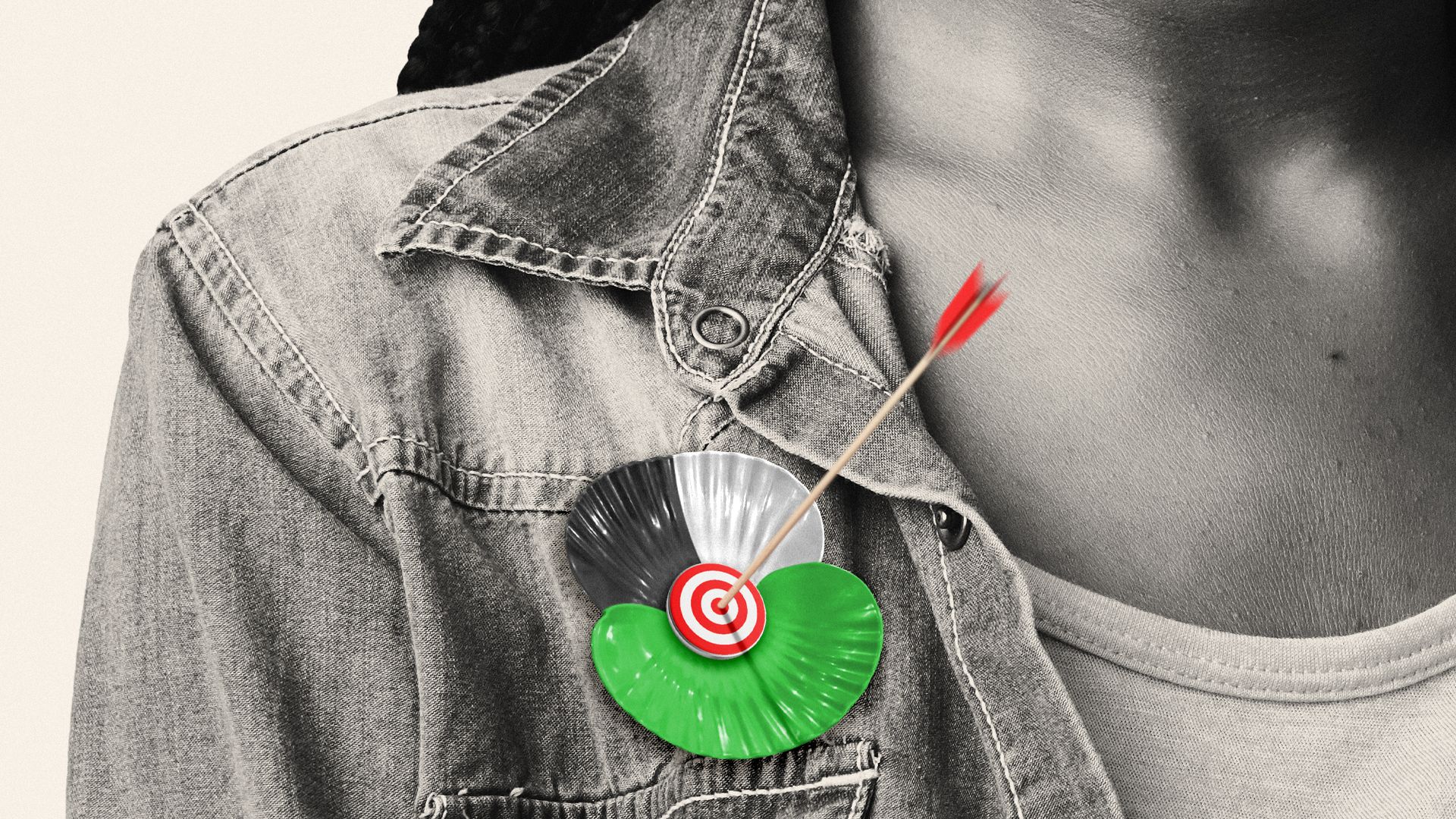
    The Palestine poppy controversy

    “Poppy politics” stirs up arguments and “predictable indignation” every year as Remembrance Day approaches, said Tessa Dunlop in The Independent. The latest outpouring of anger is directed at “the Palestinian lobby”, accused of having “appropriated” the poppy “to remember the ongoing horror story in Gaza”.

    The enamel Palestine Peace poppy badge is intended to raise funds for charities working in Gaza and was designed by NHS doctor Abdul Qader Ismail. He has faced public criticism and calls to be struck off the General Medical Council register following reports of deleted social media posts, including one that suggested Israel is a “cancer”.

    Not ‘such an outrage’
    Critics of the Palestine Peace poppy fear it will “sully” the poppy’s soothingly British reputation, said Dunlop. But I doubt “Britain’s fallen were front and centre in the minds of Tommy Robinson and Britain First when they flaunted poppy iconography alongside their anti-immigration and anti-Islam diatribes”. The “scale of loss” in Gaza arguably “resonates more directly with the First World War” than many other conflicts involving Britain in recent years. “In this context, is it really such an outrage that a few brave souls (and some misguided ones) wear a poppy in the colours of the Palestinian flag?”

    The flower has long-standing cultural significance for Palestinians, too. The Anemone coronaria poppy grows everywhere in Palestine and has become a symbol of “bitter memories of bloodshed during wars”, said The New Arab, and of “Palestinian resistance against Israeli occupation”.

    ‘Gut punch’
    People should be free to wear a Palestine poppy, said Druin Burch in The Spectator, “but we are also free to mock and condemn those who corrupt our traditions”. For Ismail to accuse Israel of appropriating Palestinian culture is rank hypocrisy; to “paint the Remembrance poppy in the colours of the Palestinian flag is killing something and wearing its skin”.

    “It is the sheer upside-downness of this which feels like a gut punch,” said Nicole Lampert in The Telegraph. Each November, we remember who “fought for our freedoms”, yet those same freedoms are being “used against us” to undermine the significance of this cherished annual commemoration. “And it seems like we don’t have the fight to stop it”.


    TODAY’S BIG QUESTION

    Is Saudi Arabia losing its lustre?

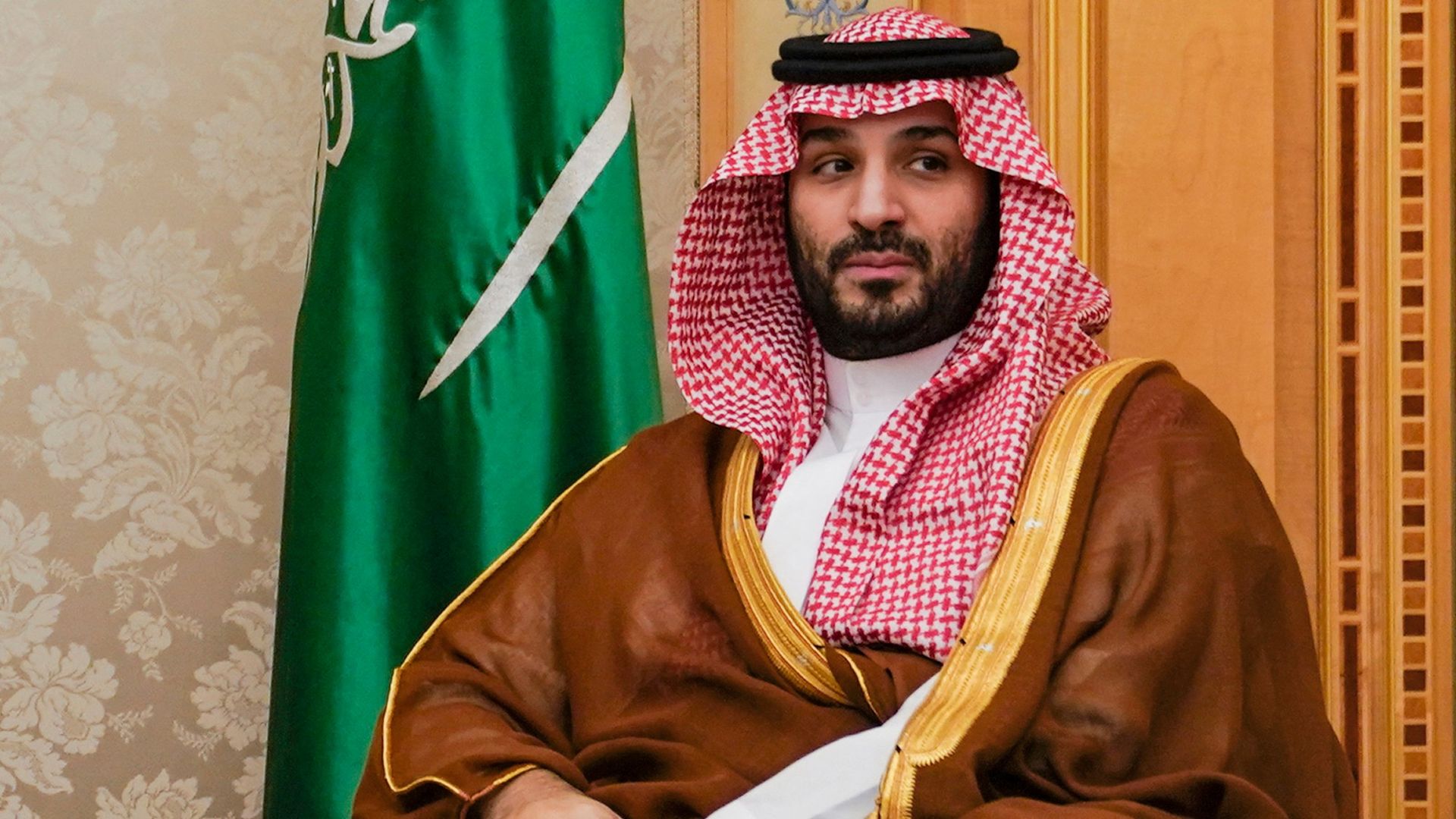
    The deadly missile attack by Houthi rebels on Riyadh’s international airport last week “exposed vulnerabilities in the kingdom’s defences that have heaped pressure on the Saudi royal family”, said The Observer. Thirteen people were killed and hundreds injured in an assault on the heart of Saudi power that “shattered the kingdom’s effort to establish its reputation as a secure global investment hub” and “diversify away from a dependence on oil”.

    What did the commentators say?
    Crown Prince Mohammed bin Salman’s bold Saudi Vision 2030 aims to turn his oil-rich country into a hub for tourism, international events and multinational enterprises. Iran’s attacks on US allies in the Gulf had already “dealt a blow” to that plan, said Agence France-Presse. With Houthi attacks on Saudi soil, it “now faces an existential hurdle”.

    The attacks have already resulted in the cancellation of a series of major events and summits, most notably the Future Investment Initiative, nicknamed “Davos in the desert”, which forms the centrepiece of the Saudi diversification drive. The kingdom’s scheduled hosting of football’s Asian Cup in January and February is also “being questioned”, said Rob Draper in The Guardian.

    Recent events “highlight the profound dilemma” facing the crown prince, “who must juggle immediate security imperatives and long-term economic interests”, said The Washington Post. “For Saudi Arabia’s economic transformation to succeed, it needs to welcome global talent, investment and tourists.” But “you can’t do that when people can’t land in your country safely,” said Kristen Smith Diwan from the Arab Gulf States Institute think tank in Washington.

    What next?
    Even before the US war against Iran began in February, some international investors and Wall Street firms were “questioning whether there was enough money to be made in Saudi Arabia”, said Bloomberg. Analysts now fear “the fallout from the war will hurt the kingdom’s attractiveness” further.

    Saudi Arabia “can reduce its exposure” in the short-term “through diplomacy and a serious Yemeni political process”, said Amine Ayoub, from the Middle East Forum think tank, on Ynet Global. “But a ceasefire cannot endure if it leaves the country’s power struggle unresolved.”


    QUOTE OF THE DAY

    “For the big juicy targets, I hope to goodness they are being patched quickly.”

    Cybersecurity expert Alan Woodward warns that companies and institutions must rush to protect their websites, after serious vulnerabilities were identified in PHP, the programming language underpinning most of the internet. This is a “race” against hackers, he told The Guardian.


    Poll watch

    Almost one in ten (9.6%) adults in England and Wales – around 4.7 million people – were victims of domestic violence in the year to March 2026, a new analysis of crime survey data suggests. A total of 31,000 people were quizzed for the Office for National Statistics, which is warning of a “significant increase in partner abuse” compared with the previous year, when the rate was 7.8%.


    THE EXPLAINER

    What is the Covid vaccine compensation scheme?

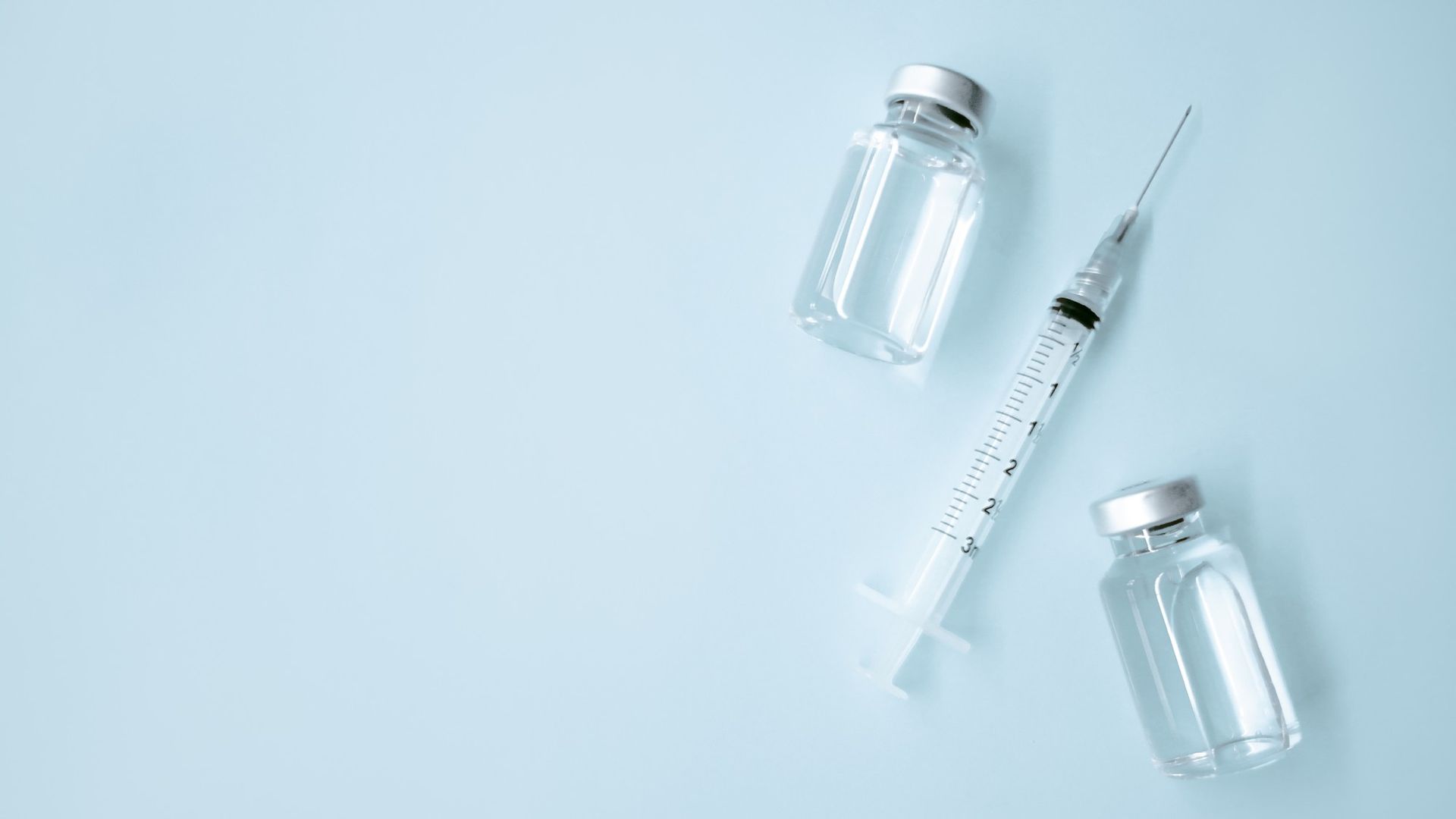
    The government is to reform the scheme that provides financial support for people injured or bereaved by unusually severe reactions to vaccines, following recommendations by the chair of the UK Covid-19 Inquiry.

    How does the scheme work?
    The vaccine damage payment scheme is designed to provide a one-off, tax-free sum of £120,000 to people who can prove they became severely disabled as a result of a vaccination against specific diseases, including Covid-19. “Disablement is worked out as a percentage, and ‘severe disablement’ means at least 60% disabled,” said the government guide. Assessment is “based on medical evidence from the doctors or hospitals involved in your treatment”.

    More than 24,000 people have filed “Covid-related claims” with the vaccine damage payment scheme, but only about 1% have received a payout so far, said the BBC. Most of the successful claims have related to the AstraZeneca vaccine.

    What are the problems?
    Critics say that the 60% disability threshold excludes many people who suffer a substantial, persistent condition that affects their ability to work, care for their family or lead a normal life. After taking part in the AstraZeneca vaccine trial, nurse Marie-Claire Hoyle developed transverse myelitis, a paralysing inflammation of the spinal cord that “left her in agonising pain and unable to use her limbs fully”, said The Telegraph. However, she was denied access to compensation because her condition improved over time and she has since regained most of her lost function.

    Claimants have also complained that the system is difficult to navigate, that lengthy backlogs are delaying decisions, and that payouts do not adequately reflect the impact of their condition.

    What has the Covid inquiry recommended?
    Inquiry chair Heather Hallett recommended that the government increase the payment at least in line with inflation, and then reassess it annually. The inquiry report also suggested that the government introduce graduated payment levels that reflect the degree of injury. The Department of Health and Social Care said it was “carefully considering” the “recommendations on reforming the scheme and will respond shortly”.


    Good day 🛌

    … for holiday lie-ins, as Airbnb bans hosts from requiring guests to strip beds at the end of their stay. Following complaints from users, the platform’s new rules say guests should not be asked to perform “onerous” chores typically performed by a cleaner, including washing dishes and taking out rubbish.


    Bad day 🎭

    … for theatrical partnerships, as Andrew Lloyd-Webber walks away from a Sherlock Holmes musical that he was scoring for his long-term collaborator, lyricist Tim Rice. Lloyd-Webber cited scheduling conflicts and rights issues for the decision not to use his music in the upcoming show, while Rice was more pointed. “Andrew is more concerned with much bigger productions,” he told The Times.


    PICTURE OF THE DAY

    Divine intervention

    Students shield themselves from the sun in Malang, East Java, after gathering to perform Salat al-Istisqa, an Islamic prayer for rain. At least four people have been killed by wildfires in the drought-stricken province in recent days.

    Hayu Yudha / AFP / Getty Images


    Puzzles

    Chain Word

    Try The Week’s daily word challenge in our puzzles and quizzes section, which also includes sudoku and Guess the Number

    Play here


    THE WEEK RECOMMENDS

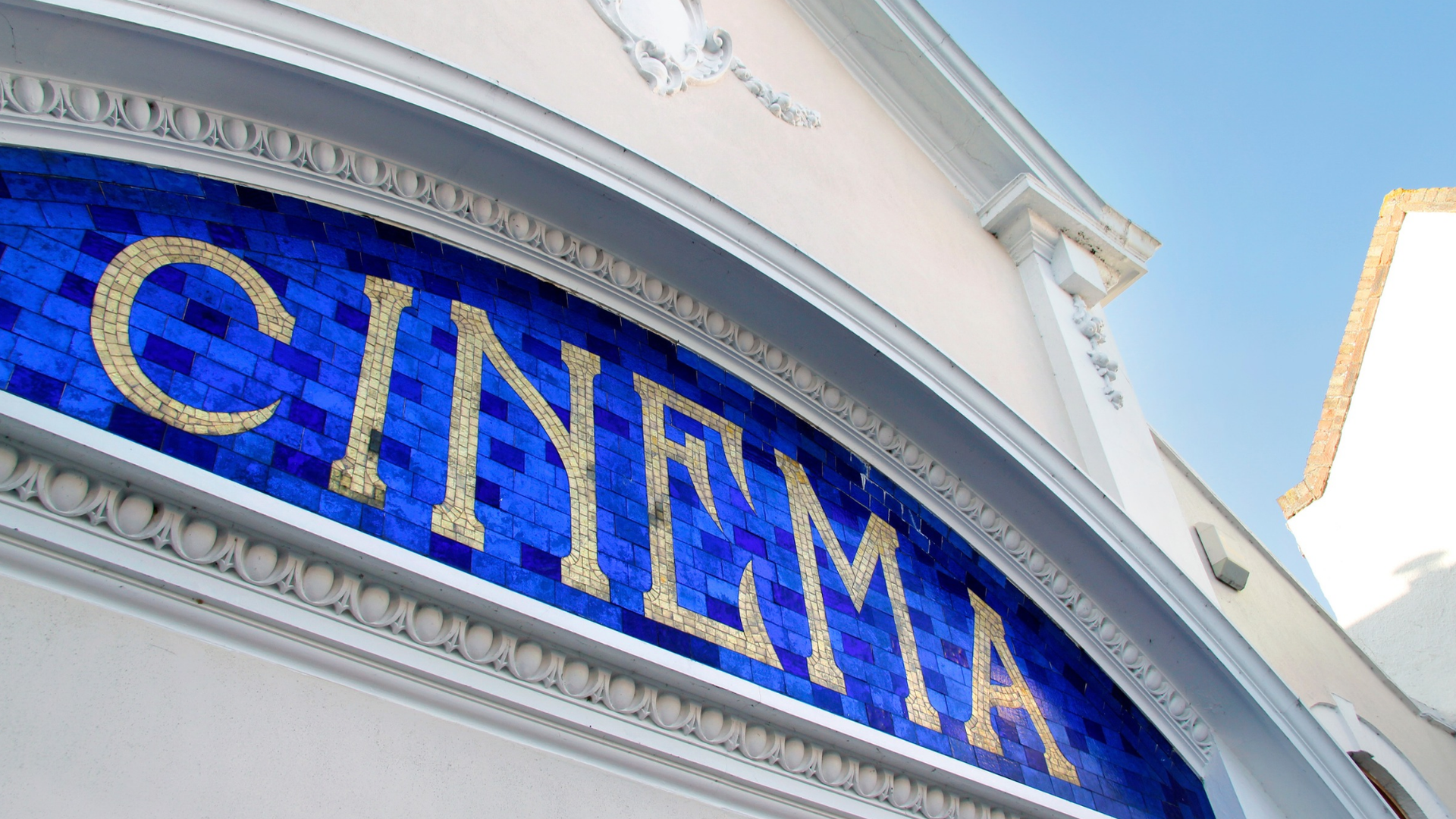
    The UK’s best independent cinemas

    Most people have access to “thousands of films” at home, but there’s something special about the “big-screen communal experience”, said Tim Robey in The Telegraph – and there are many “British movie palaces” to discover.

    The Odyssey, St Albans, Hertfordshire
    This “single-screen, 500-seat arthouse” takes its name from “2001: A Space Odyssey” by Stanley Kubrick, a “St Albans habitué” in his later years, said Robey. Located in a historic building that has been used as a picture palace since 1908, it has been renovated to showcase its “1930s Art Deco glory”.

    Campbeltown Picture House, Argyll and Bute
    Constructed in 1913, this charming Art Nouveau cinema is one of the first “purpose-built” venues in Scotland, said Madeleine Silver in Country Life. A 1935 revamp added a Mediterranean ambiance courtesy of a blue sky “complete with moving white clouds” projected onto the ceiling of the auditorium.

    The Magic Lantern, Tywyn, Gwynedd
    The Magic Lantern won the Cinema of the Year title at last year’s British Independent Film Awards. Built in 1893 as the Town Assembly Room, it now hosts screens “equipped with state-of-the-art 4K projection and Dolby Atmos sound”, said Shaurya Thapa in Time Out.

    Barbican, London
    This “fiercely independent” venue is “unrivalled”, said Mike Daw in The Standard. The Barbican makes the most of its “power” as a bigger arts establishment to keep “even the most niche tickets relatively affordable”. This is “independent cinema at its finest”.


    Statistic of the day

    50 million: How many AI-generated tracks Spotify has purged from its algorithms, as part of a push to remove “slop and spam” in favour of “music made by authentic, human artists”. The targeted tracks will remain available on the platform but no longer feature in its playlists or user recommendations.


    instant opinion

    Today’s best commentary

    Can UK pop cut immigration and stop the boats? I suppose we’ll find out with GB News Music Radio
    John Harris in The Guardian
    Look what’s “come along to fill” our “vacant cultural-political space”, writes John Harris. GB News is launching a new radio station that it says will be “dedicated exclusively” to British artists – which means the “Farage-ist tanks” are “heading for Britpop’s metaphorical lawn”. Yet “the demographics of Leave voters” don’t “map on to” the likes of Oasis and Blur, whose music “is founded on precisely the kind of cultural mixing that so many voices associated with GB News take against”.

    Trump’s Netanyahu endorsement crosses a line in Israeli democracy
    The Jerusalem Post’s editorial board
    In a “flagrant example of foreign interference”, says The Jerusalem Post, Donald Trump has intimated that if Benjamin Netanyahu loses power in Israel’s upcoming elections, his successor “would leave Washington to confront Tehran” alone. We understand Trump’s “desire” for a “like-minded ally”, but to call on us to back the candidate more likely to help him implement his global agenda is “outrageous”. Our country’s voters “face no shortage of issues” but “the US president’s preference should not be one of them”.

    Now the internet is passing the sniff test
    The Times’ editorial board
    A new “electronic nose” gadget can detect and analyse a smell, “then send enough information for another gadget to recreate” that smell “thousands of miles away”, says The Times. There’s no immediate application for this “breakthrough in bouquet beaming”. But, in time, it “could enhance virtual reality games, aid remote medical diagnosis or spice up bland food”. And meeting a friend for coffee may “not require either of you to actually leave home, which would be convenient, if also missing the point”.


    word of the day

    Terramation

    Also known as “human composting”, a process in which dead bodies are put in a special decomposition chamber where remains turn into nutrient-rich soil. New South Wales has become the first Australian state to legalise terramation as an alternative to burial or cremation, with several lawmakers expressing personal interest in the eco-friendly new option.


    Evening Review was written and edited by Rebecca Messina, Jamie Timson, Elliott Goat, Chas Newkey-Burden, Will Barker, Deeya Sonalkar, Irenie Forshaw, David Edwards, Adrienne Wyper, Helen Brown and Kari Wilkin, with illustrations from Stephen P. Kelly.

    Image credits, from top: illustration by Stephen P. Kelly / Shutterstock / Getty Images; Nathan Howard / Pool / AFP / Getty Images; Grace Cary / Getty Images; Hayu Yudha / AFP / Getty Images; iStock / Getty Images
     

    Recent editions

    • Evening Review

      The Ilhan Omar investigation

    • Morning Report

      Ad turns Ohio governor’s race even uglier

    • Evening Review

      Who will lead the House GOP next Congress?

    VIEW ALL
    TheWeek
    • About Us
    • Contact Future's experts
    • Terms and Conditions
    • Privacy Policy
    • Cookie Policy
    • Advertise With Us
    • FAQ
    Add as a preferred source on Google Add as a preferred source on Google

    The Week US is part of Future US Inc, an international media group and leading digital publisher. Visit our corporate site.

    © Future US, Inc. Full 7th Floor, 130 West 42nd Street, New York, NY 10036.