The Week US
flag of US
US
flag of UK
UK
https://cdn.mos.cms.futurecdn.net/flexiimages/jacafc5zvs1692883516.jpg

SUBSCRIBE & SAVE

Less than $3 per week

Sign in
  • View Profile
  • Sign out
  • The Explainer
  • The Week Recommends
  • Newsletters
  • Cartoons
  • From the Magazine
  • The Week Junior
  • More
    • Politics
    • World News
    • Business
    • Health
    • Science
    • Food & Drink
    • Travel
    • Culture
    • History
    • Personal Finance
    • Puzzles
    • Photos
    • The Blend
    • All Categories
  • Newsletter sign up Newsletter
  • The Week Evening Review
    Trump’s latest threats, the left’s religious rise, and Apple’s ‘gray list’

     
    TODAY’S BIG QUESTION

    Can Trump investigate his congressional investigators?

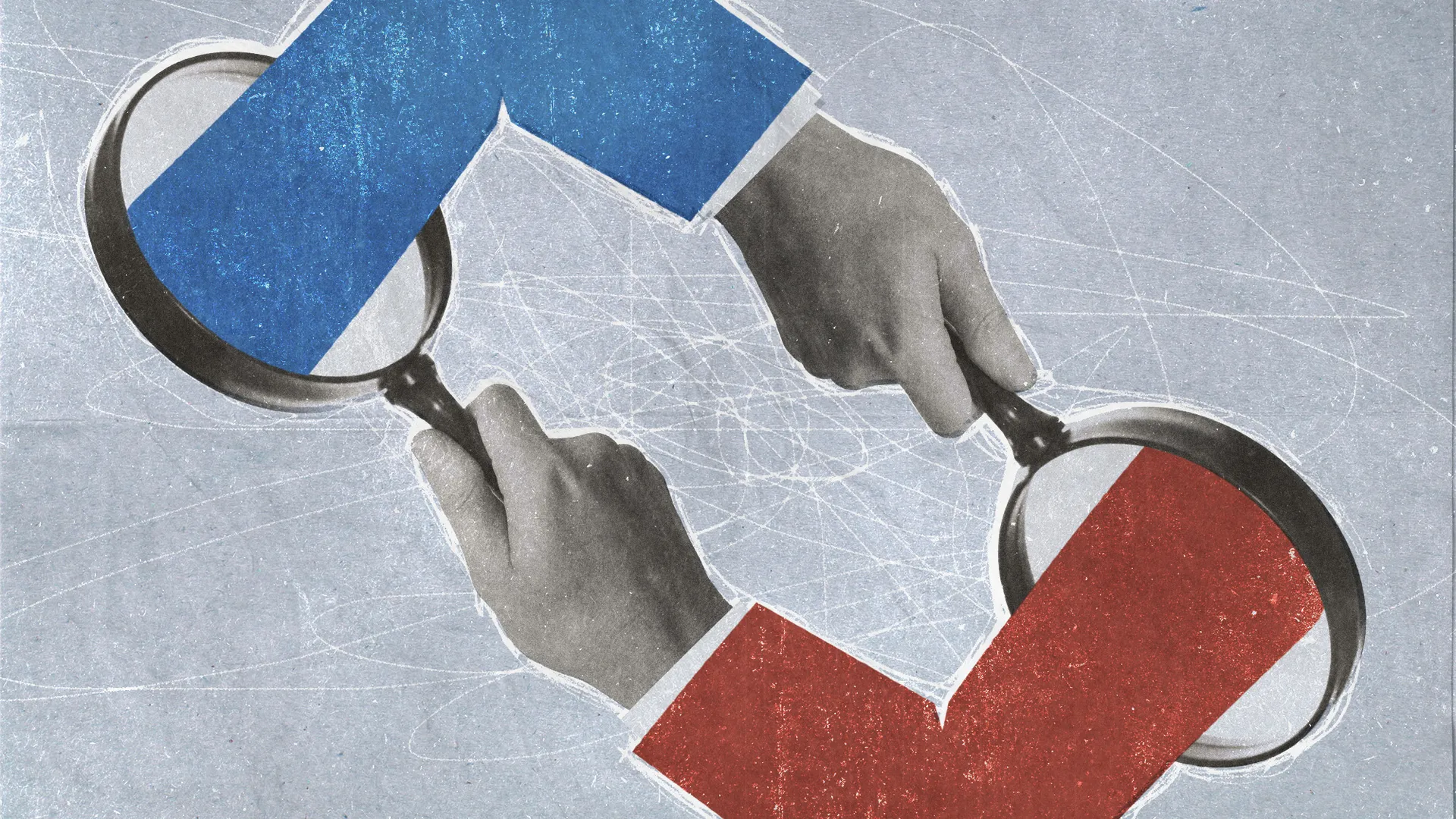
    President Donald Trump is attempting to short-circuit Democratic investigations of his administration before they get started. White House lawyers this week warned congressional leaders they may face Justice Department inquiries if they push too hard — a threat that could upend the Constitutional system of checks and balances.

    What did the commentators say?
    Congressional investigations could cross the line into “blatant criminality” if intended to “harass ​and aggrandize” the administration and its allies, said White House counsel Will Scharf in a Monday letter to the House Oversight Committee’s Rep. Robert Garcia (D-Calif.), per Reuters. Democrats are shrugging off the warning. Congress is a “coequal branch of government,” said Garcia in a statement, and members “will not be deterred by baseless threats.”

    Administration officials have a “false impression of how the U.S. government actually works,” said Matt Ford at The New Republic. Article I of the Constitution grants members of Congress immunity for “any speech or debate” that takes place in the House or Senate. Courts have ruled that provision covers “many of Congress’ official functions, including hearings and investigations,” said Ford.

    Scharf’s letter is the “latest sign of panic” from the White House following vast GOP losses in the midterm elections, said Steve Benen at MS NOW. The Trump administration’s unwillingness to endure scrutiny suggests it’s “absolutely terrified” of questions executive branch officials “apparently don’t want to answer.”

    What next?
    The threat to investigate the investigators demonstrates the “extent to which the administration is prepared to go” to fight oversight, said John Light at Talking Points Memo. The issues will be “litigated in court” and could “send Democrats’ efforts at accountability down a labyrinth of legal wrangling” that results in “fewer revelations or consequences” for Trump and his allies.

    House Democrats are looking for a new top lawyer to “shatter Trump’s anticipated stonewalling,” said Politico. The hire is a “crucial priority” for leaders hoping to reassert congressional authority. “We need lawyers who are ready and willing to go and fight,” said Rep. Jamie Raskin (D-Md.) to the outlet.


    QUOTE OF THE DAY

    ‘Put down the crack pipe! It’s a lot deeper than that.’

    Sen. John Kennedy (R-La.) on CNN disagreeing with Vice President JD Vance in blaming GOP midterm failures on the Iran war. “I don’t think every statewide Republican in Texas lost” because they “think American foreign policy is too interventionalist,” Kennedy also said.


    IN THE SPOTLIGHT

    The rise of the religious left in the US

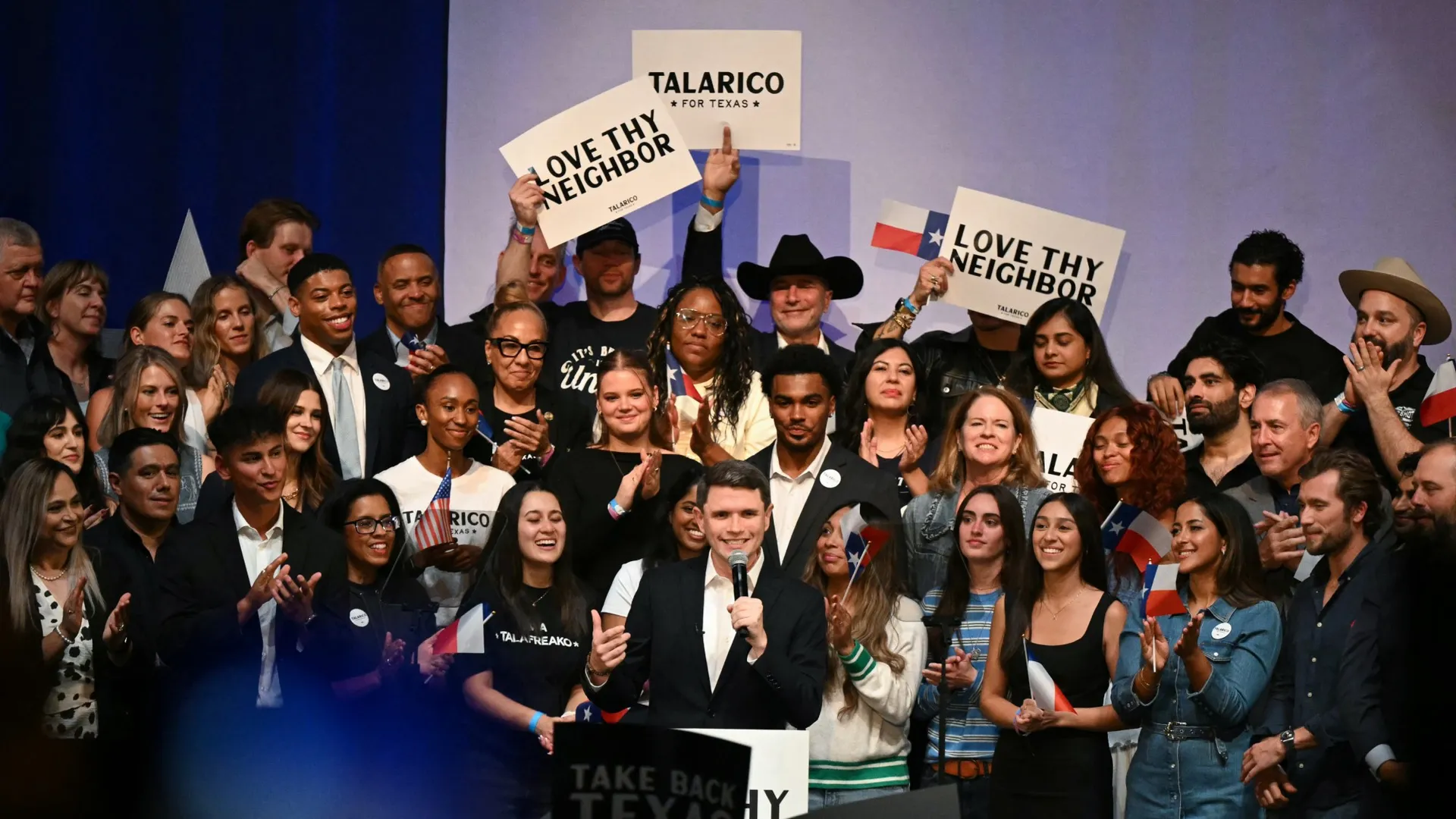
    Religion in this country has long been seen as the “preserve of the right,” going back to the late 1970s, with Republicans “traditionally viewed as the party of Christian values,” said The Telegraph. But significant wins in the midterms for religious Democrats, including James Talarico’s (pictured above) in Texas, have set up faith as a new “political battleground” in the lead-up to the 2028 presidential election.

    ‘Inclusive’ Christianity
    Scripture was the “rallying cry” of the left in these midterms, said The New York Times. References to Matthew 25, in which Jesus speaks of caring for the vulnerable, were a “favorite” among Democrats looking to “earn trust” from their states’ or districts’ more moderate Christian voters. 

    The religious messaging stopped them from being labeled as “godless,” as well as appealing to people “frustrated with the cost of living,” the Iran war, and divisions over immigration and healthcare, said the Times. It was an “inclusive,” progressive push that reaped dividends.

    Politicians on the Christian left have been trying to break through for a long while but were “mostly drowned out in primaries before they came close to reaching the national stage,” said Rolling Stone. But then, in just a few years of “profound corruption” and “incompetence,” President Donald Trump, who once enjoyed support from many with a strong Christian faith, “accomplished what otherwise may have taken generations”: He “opened a door for the religious left to make incredible inroads.”

    Earning trust of moderates
    It may be “too early,” however, to “say whether this election marks the start of a realignment” among voters of faith, said The Wall Street Journal. For a Democratic Party that’s “long been wary” of mixing religion and politics, these victories by “unapologetically faith-based candidates” certainly mark a change of direction, but the party’s broad support for abortion and transgender rights remains “unpalatable” to many socially conservative voters.

    To be successful in the next presidential election, Democrats need to keep winning over moderate Republicans for whom religion is important, said the Times. Candidates like Talarico have shown that their faith and “scriptural fluency” can achieve that. Running on “duty to care for one another,” the core principle of many religions, could just be the party’s “new path to the White House.”


    Statistic of the day

    430 million: The number of people worldwide who use Microsoft 365 apps. Last night, nearly 140,000 people from 74 countries reported problems with services including Outlook, Teams and Copilot — over 2,000 times the normal amount of reported issues, according to Downdetector. There’s “no indication” a cyberattack was to blame, said the tech company.


    THE EXPLAINER

    Apple’s hidden ‘gray list’ of words it won’t autocomplete

    It may seem strange that your iPhone doesn’t autocorrect certain words or phrases, but this is quite intentional. Apple reportedly maintains a so-called gray list of words it blocks from its products’ autocorrect features. Some believe this is a small but notable form of censorship.

    What words are on the list?
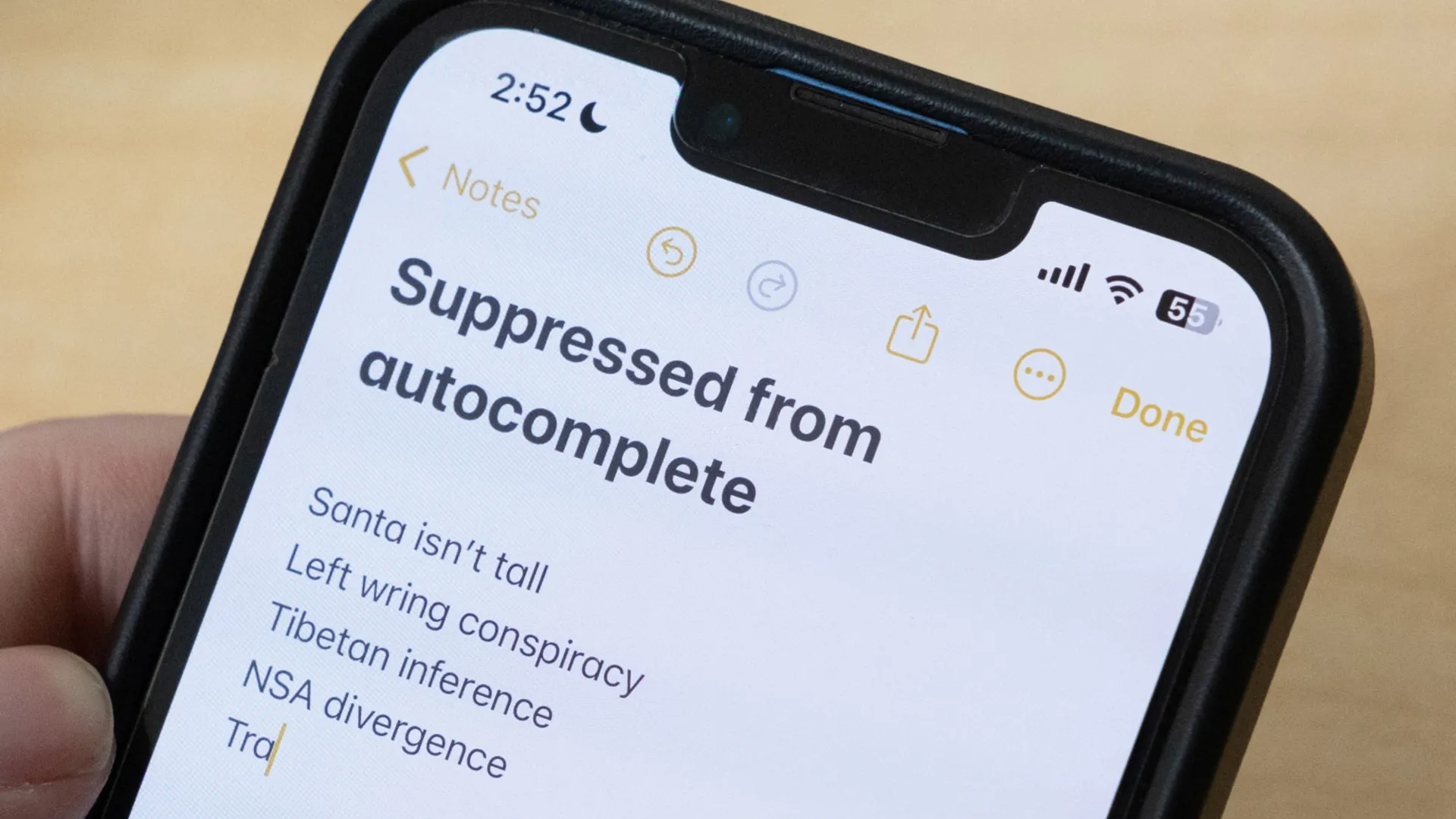
    Apple’s iOS keyboard has a “multilingual gray list of tens of thousands of words and phrases” that will not autocomplete, said Reuters, citing tech researcher Derik Kauffman, who recently discovered the list. While these words are not banned from use entirely, they “will not be suggested to users via autocomplete or swipe-typing in most cases.” Kauffman estimates about 100,000 gray-listed words.

    Kauffman published a website tracking Apple’s gray list, and some entries are racially charged, including “Nazis were good,” “Auschwitz” and “towel head,” alongside terms related to terrorist attacks. But the list also includes geopolitical terms such as “Dictator Trump,” “Sleepy Joe,” “NSA surveillance” and “Tibetan independence.” 

    Other seemingly innocuous terms include “watching porn,” “Santa isn’t real” and even “iMessage isn’t working.” And different languages are similarly affected. In Hebrew, iOS won’t autocomplete “occupied territories,” while in Arabic, it won’t autocomplete “Hamas movement.”

    Why is Apple doing this?
    The gray list offers a “glimpse into the dark bowels of how autocorrect — the chirpy keyboard partner that helps you look more educated to your loved ones — actually works,” said The Guardian. And Apple has previously said iOS will “avoid offering inappropriate or offensive predictive suggestions.” But it’s also likely that the list’s discovery is “going to raise censorship concerns,” said Digital Trends, especially since some have made comparisons to Chinese smartphones, which often place state-sanctioned “restrictions on what you can do or type on them.”

    This is not the first time a tech company has “run into trouble when predictive technology suggests embarrassing or controversial texts to users,” said Reuters, as Google has encountered similar problems. If a company is going to fiddle with autocorrect, it’s “something users should be really well aware of and have some ability to customize,” said David Greene, ​a senior counsel at the civil liberties group Electronic Frontier Foundation, to the outlet. This is “something that should not be secret.”


    Good day 🏆

    … for musical achievement. Rosalía won Best Album at the Latin Grammy Awards last night, making her the first woman to win the award three times. The Spanish superstar brought home five trophies for her album “Lux,” including Song of the Year for the single “La Perla.”


    Bad day 🫯

    … for family harmony. Leonardo Del Vecchio, the late founder of multibillion-dollar fashion empire EssilorLuxottica, which includes Oakley and Ray-Ban, would be “rolling in his grave,” said The Observer. After he died in 2022 and left his company to his seven children and widow, infighting threatens to tear the family apart, “draining patience and payouts.”


    Picture of the day

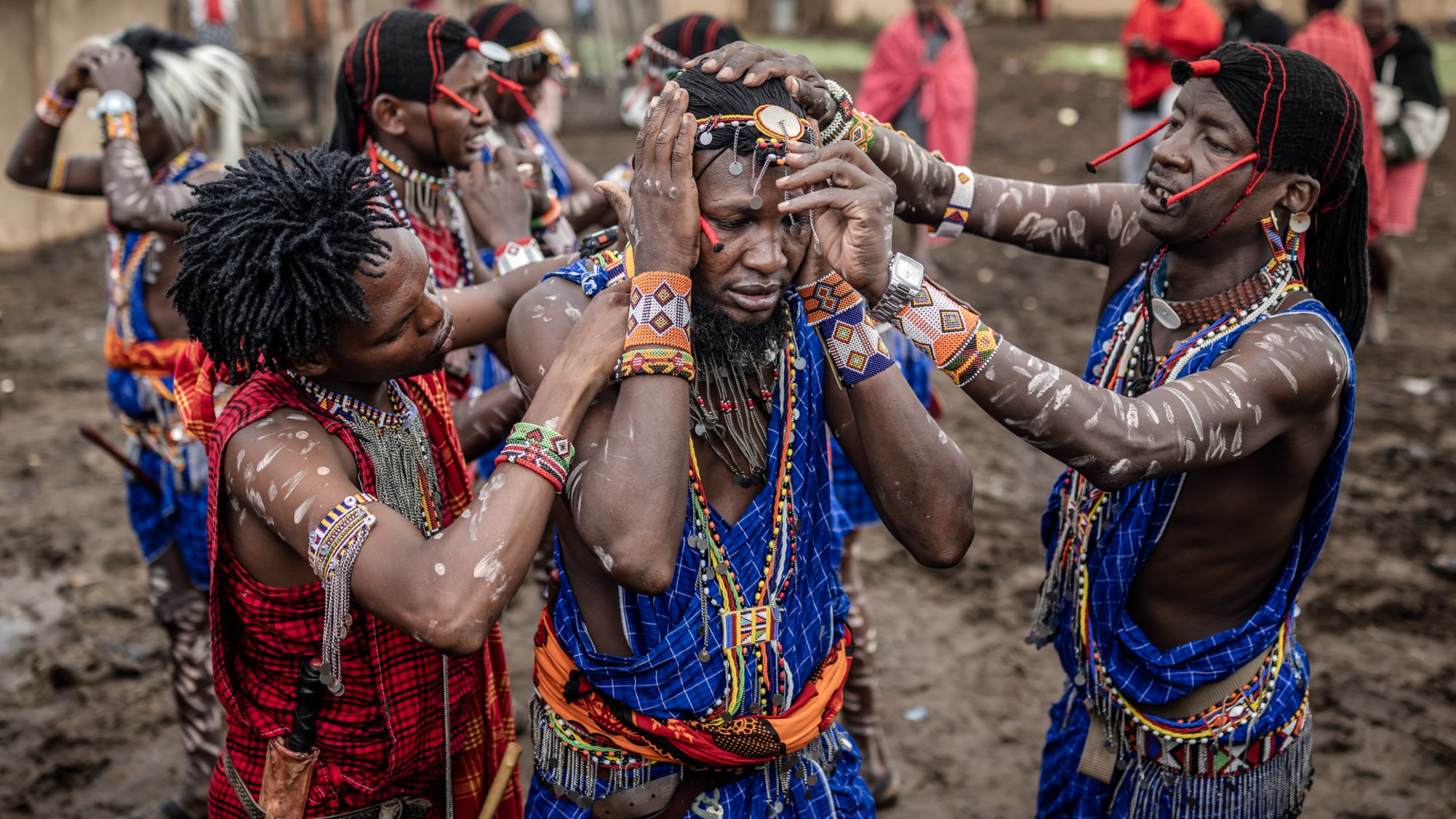
    Standing on ceremony

    Members of the Maasai community dress in traditional attire for a four-day celebration of their heritage in Sekenani, Kenya. Thousands of Maa-speaking people are gathering in the Maasai Mara National Reserve for the fourth Maa Cultural Festival.
    Luis Tato / AFP / Getty Images


    Puzzles

    Daily sudoku

    Challenge yourself with The Week’s daily sudoku, part of our puzzles section, which also includes guess the number

    Play here


    The Week recommends

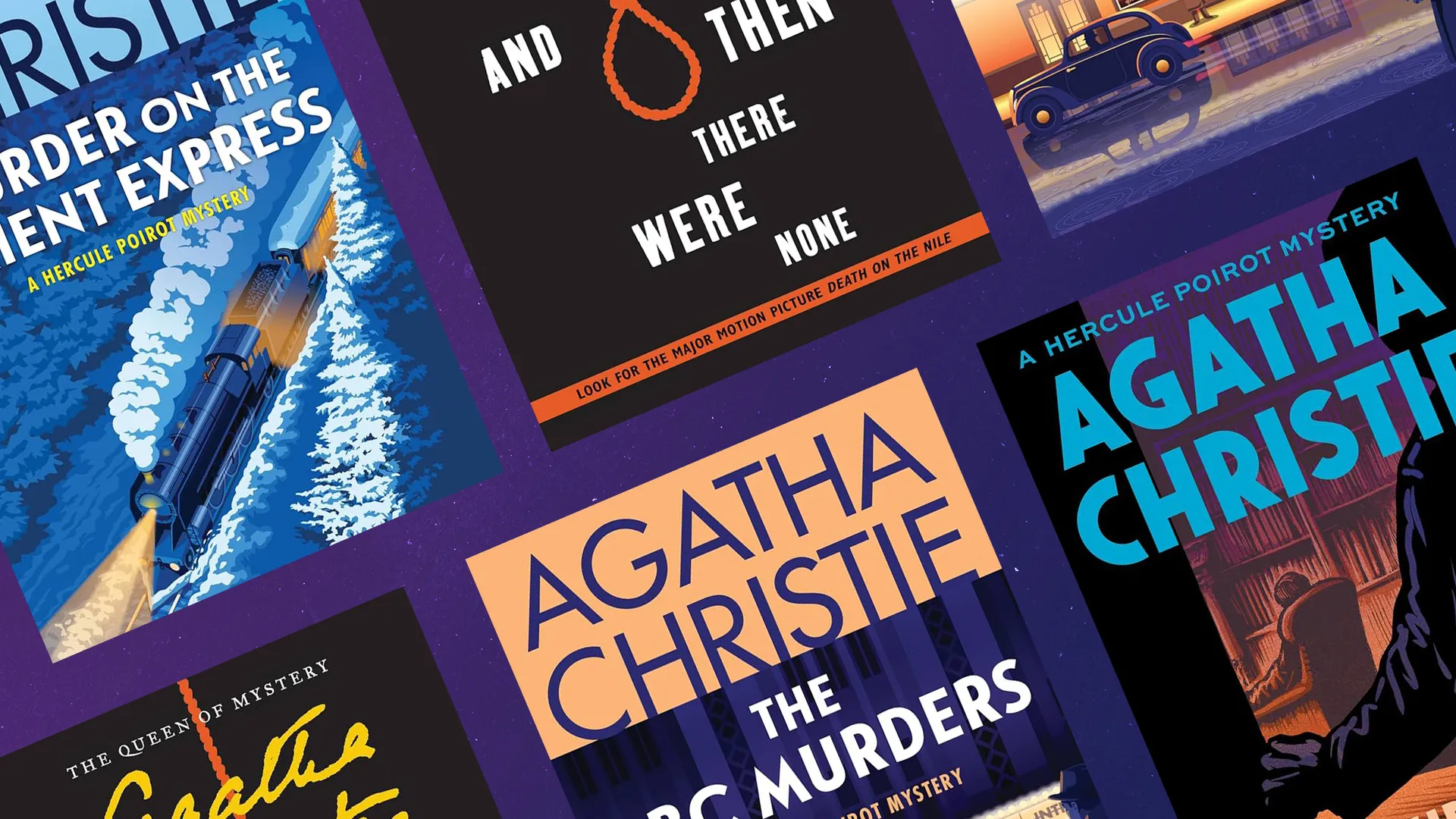
    The best of Agatha Christie’s books

    Widely regarded as the Queen of Mystery, Agatha Christie is so beloved that she’s second only to Shakespeare as the bestselling author of all time. Embrace your inner Hercule Poirot with the most intriguing mysteries in her catalog.

    ‘The Murder of Roger Ackroyd’ (1926)
    This is only the third novel with Belgian detective Hercule Poirot and showcases a “masterful use of narration and sleight of hand,” said Book Riot. “Both detective and author” are at the “height of their powers,” said The New York Times. ($11, Signet Classics)

    ‘Murder on the Orient Express’ (1934)
    In one of the most famous Poirot novels, the mustachioed wunderkind becomes snowbound on a luxury train, and a man is murdered on board, creating a baffling “locked-room” mystery. Christie provides “enough lovely detail of place” to make her novel as “atmospheric as it is ingenious,” said Forbes. ($19, William Morrow)

    ‘The ABC Murders’ (1936)
    Like many other Poirot books, this one is “narrated in part by his old friend Captain Hastings,” who’s a “bit of a dolt, a classic unreliable narrator,” said The New York Times. “The ABC Murders” is one of the “first times Christie dabbled in criminal psychology, with fantastic results.” ($19, William Morrow)

    ‘And Then There Were None’ (1939)
    This classic is perfect for fans of “isolated settings with a murderer on the loose,” said Reader’s Digest, and is Christie’s bestselling novel and one of her favorites, according to a list she wrote to a Japanese fan in 1972. Chances are you have “heard of this masterpiece” even if you have “never read the book.” ($20, William Morrow)


    Poll watch

    Over two-thirds of Americans (67%) don’t think building new Washington, D.C., monuments or renovating old ones should be a priority, including 86% of Democrats, 66% of independents and 50% of Republicans, according to a Reuters survey of 1,143 adults. 


    INSTANT OPINION

    Today’s best commentary

    ‘How Democrats can win Florida in 2028’
    Isvett Verde at Time
    Many Floridians have been “battered by the Trump administration’s immigration policies,” says Isvett Verde. And while some “Cubans and other Latinos in Miami supported Trump’s deportation policies,” others have “come to regret that support, and in part this election’s results bear that out.” But for Democrats, “winning statewide would take longer-term investment, because many young Latinos are just becoming eligible to vote.” Democrats “also need groups working in communities on issues like immigration and food insecurity.”

    ‘As housing protests sweep Portugal, police and politicians here seem bent on making the crisis worse’
    Ana Naomi de Sousa at The Guardian
    Portugal has become a “focus for encampments and daily protests drawing people in the thousands,” and the “breadth of these demonstrations is as wide as the housing crisis that has provoked them,” says Ana Naomi de Sousa. The government’s “responses have only made matters worse, ranging from the farcical to the outright repressive,” and the “police reaction has been shocking and aggressive, with Lisbon’s police attacking peaceful protesters.” The housing crisis now “affects even the professional middle classes.”

    ‘Sheikh Hasina must return to Bangladesh to face her sentence’
    Mushfiqul Fazal Ansarey at Al Jazeera
    For “families who lost relatives in Bangladesh’s July-August 2024 uprising, Sheikh Hasina’s presence in India is far more than just a question of political refuge,” says Mushfiqul Fazal Ansarey. When the “ousted prime minister speaks to Bangladeshis from India, the question arises: Why should those who paid the price for democracy have to watch the very person they hold responsible for their suffering continue to intervene in Bangladesh’s politics from abroad?” Hasina “must return to Bangladesh to answer in person.”


    WORD OF THE DAY

    triskaidekaphobia

    The fear or avoidance of the number 13. Today is the third Friday the 13th of 2026. Three is the “maximum number of times this date can occur in any year in the Gregorian calendar,” said The Guardian. Some trace triskaidekaphobia’s origin to Norse mythology’s Loki, the god of mischief, who “crashed a banquet” as the 13th guest.


    Evening Review was written and edited by Will Barker, Theara Coleman, Nadia Croes, Scott Hocker, Anya Jaremko-Greenwold, Justin Klawans, Joel Mathis and Summer Meza, with illustrations by Stephen Kelly and Julia Wytrazek.

    Image credits, from top: Illustration by Julia Wytrazek / Getty Images; Ronaldo Schemidt / AFP / Getty Images; Manuel Orbegozo / Reuters; William Morrow Paperbacks / Vintage
     

    Recent editions

    • Morning Report

      Huang downfall fallout

    • Evening Review

      Has Vance destroyed his 2028 odds?

    • Morning Report

      Mississippi flips

    VIEW ALL
    TheWeek
    • About Us
    • Contact Future's experts
    • Terms and Conditions
    • Privacy Policy
    • Cookie Policy
    • Advertise With Us
    • FAQ
    Add as a preferred source on Google Add as a preferred source on Google

    The Week US is part of Future US Inc, an international media group and leading digital publisher. Visit our corporate site.

    © Future US, Inc. Full 7th Floor, 130 West 42nd Street, New York, NY 10036.