Did you hear the world is ending tomorrow? That’s according to three physicists, six decades ago. “Our great-great-grandchildren will not starve,” they said in an article published on Nov. 4, 1960, in the journal Science. “They will be squeezed to death.”
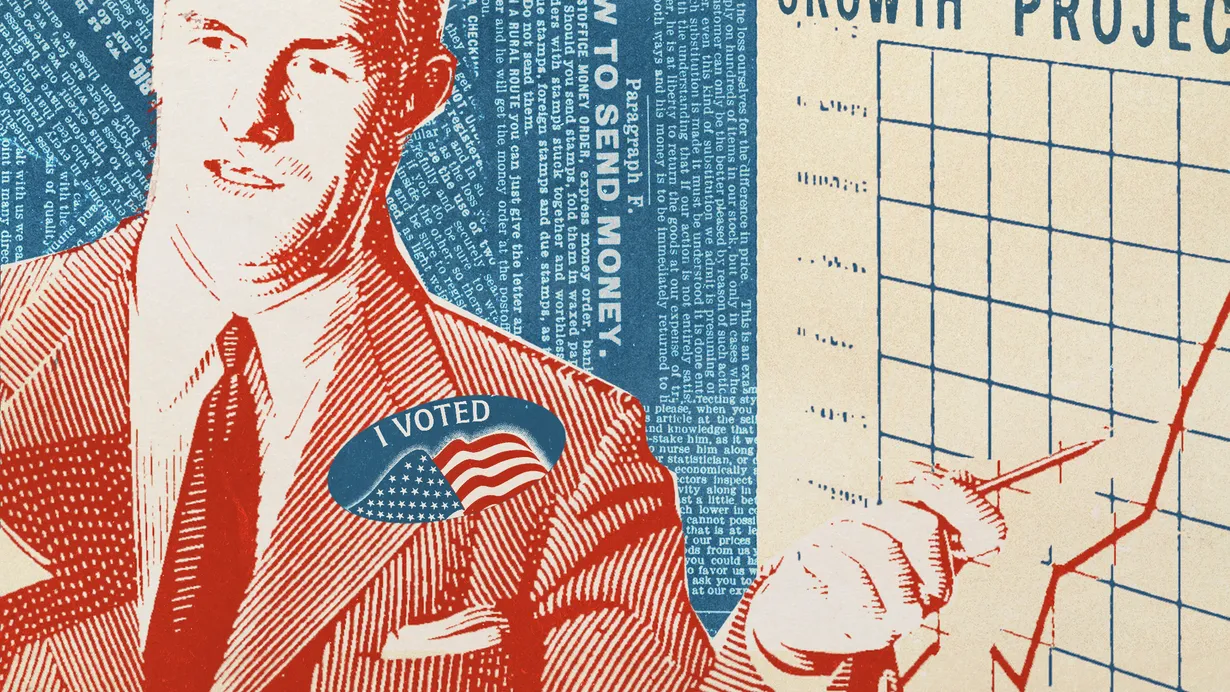
Austrian-American physicist Heinz von Foerster and two colleagues wrote the paper with the sobering and very specific title “Doomsday: Friday, November 13, A.D. 2026.” The work is “based on a simple observation” that the “time it took for the human population to double in size kept getting shorter,” Science said last month. Drawing on population estimates from about 400 B.C. until 1958, the authors “came up with an equation that best described the trend.”
They predicted that by 2020 the human population would exceed 25 billion. The claim caused an “immediate stir,” said Alan MacEachern, a history professor at Canada’s Western University, at The Conversation. Many commentators thought the article was “strictly a tongue-in-cheek comment on population fears.”
Demographers “pointed out obvious flaws,” said Science. Nevertheless, the article was “regularly cited,” and its predictions appeared “remarkably accurate” for a while.
But in 1993, “halfway to the ‘doomsday,’” the “global population began falling behind its forecasts,” said MacEachern. Now, the global birth rate is “slightly less than half what it was in 1960,” so “hopefully, we will all wake up on Nov. 13 to an ordinary day.” |