One of Britain’s biggest unions has called for a blanket ban on problem airline passengers, after a survey of members revealed that the majority of aviation workers have suffered abuse from customers.
Unite found that 72% of ground staff and 71% of cabin crew face verbal abuse at least monthly. Just under a third of ground staff and 42% of cabin crew said they had been physically assaulted. According to the UK Civil Aviation Authority, reports of serious disruptive passenger incidents have more than doubled since the pandemic, with more than 1,000 last year.
Booze and bad behaviour
Although flight delays, cancellations and baggage issues contribute to disruptive behaviour, by far the biggest factor is alcohol. In the Unite survey, 95% of cabin crew and 55% of ground staff pointed to intoxication as the biggest trigger for abuse.
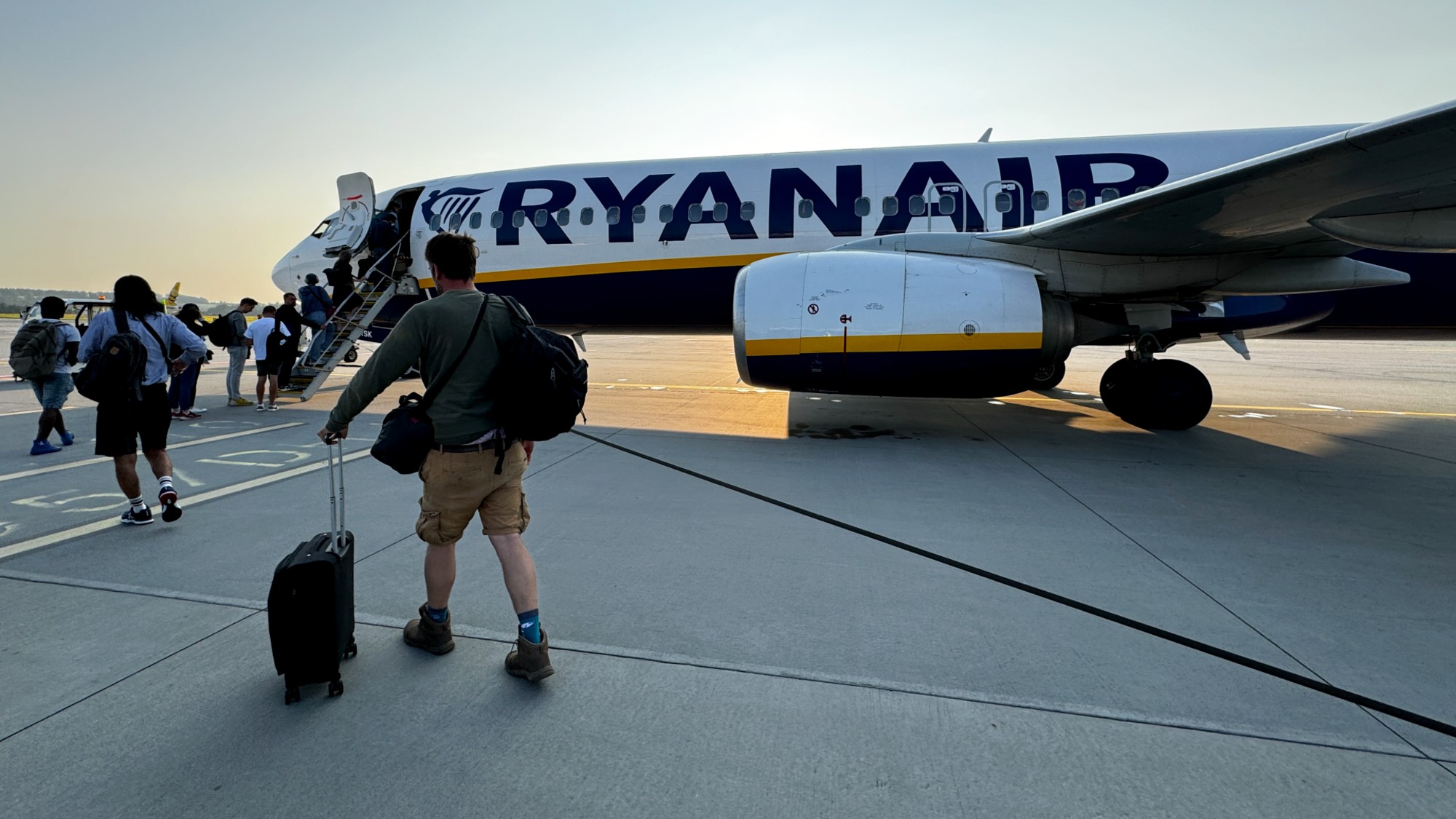
Being drunk on a plane is a criminal offence, punishable by a fine of up to £5,000 and two years’ imprisonment. But Ryanair boss Michael O’Leary told The Times earlier this year that the airline was having to divert almost one aircraft a day because of drunken and aggressive behaviour by passengers. “Until somebody creates an accident that causes a plane to crash and kills hundreds, no government will take this problem seriously and airlines are tearing their hair out,” he said, calling for morning drinking at airports to be banned.
‘Alarm bells’
Under current data protection rules, airlines are prohibited from sharing passenger details, so people banned from a flight or airline can easily book with another carrier. However, the Department for Transport set out plans this summer to create a national database of disruptive passengers, which would be cooperatively managed by the government and the airline industry. This would alert airline staff to passengers with a history of abuse, and they could then decide whether to let them fly. Repeat offenders could be banned for life from all airlines operating out of the UK.
The proposal is broadly welcomed by airlines, airport staff and the public. But civil liberties campaigner Josie Appleton, of the Campaign for Freedom in Everyday Life, said the plan “should ring alarm bells”. It “sets a dangerous precedent of government working with private companies to bar people’s access to transport and services”, she told LBC. |