The Week US
https://cdn.mos.cms.futurecdn.net/flexiimages/jacafc5zvs1692883516.jpg

SUBSCRIBE & SAVE

Less than $2.50 per week

flag of US
US
flag of UK
UK
Sign in
  • View Profile
  • Sign out
  • Newsletter sign up Newsletter
    • The Explainer
    • The Week Recommends
    • Newsletters
    • Cartoons
    • From the Magazine
    • The Week Junior
    • More
      • Politics
      • World News
      • Business
      • Health
      • Science
      • Food & Drink
      • Travel
      • Culture
      • History
      • Personal Finance
      • Puzzles
      • Photos
      • The Blend
      • All Categories
    The Week Evening Review
    Immigration low, luxury in North Korea, and London’s new museum

     
    TODAY’S BIG QUESTION

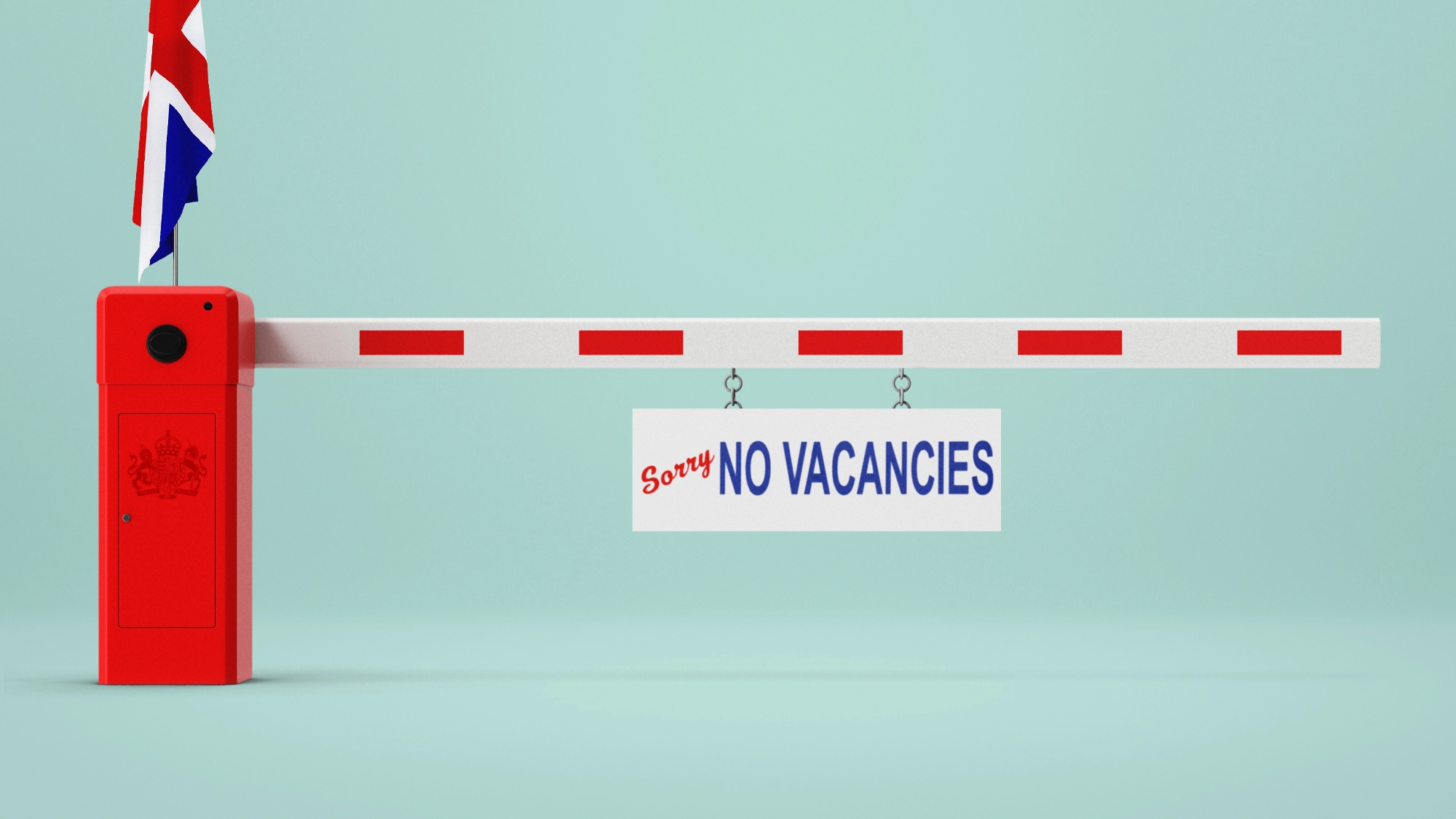
    Has Labour solved the immigration issue?

    Net migration fell to 77,000 over the year to June, according to the Office for National Statistics. That’s the lowest total – Covid period excepted – since 1997.

    It’s a sharp reversal of the post-Brexit surge in immigration “that prompted a political backlash and sweeping new restrictions”, said the Financial Times. But it remains to be seen “whether immigration will now shrivel as a topic of widespread worry”, said the BBC’s political editor Chris Mason.

    What did the commentators say?
    Home Secretary Shabana Mahmood has faced some resistance from within the Labour Party, but she “has seen her approach vindicated”, said The Times’ editorial board.

    Even though “immigration is a top concern for the public, most people haven’t noticed the change”, said Bobby Duffy, director of the Policy Institute at King’s College London, in The New Statesman. Only 4% of the public knew that net migration had fallen significantly between 2024 and 2025, while nearly two-thirds thought it had gone up, according to a Policy Institute survey. 

    There’s no denying that the “relentless focus in much of our media, social media and politics on the perceived threats from migration helps shape views”, said Duffy. But we “should maybe have some sympathy with the public for not registering the huge drop” as the migrant share of the population is still increasing – “just significantly more slowly”.

    Lower overall net migration “should be welcomed”, said The Telegraph, but the public “will not be fooled into thinking the issue is somehow closed”.

    What next?
    It’s clear that “British immigration policy simply does not respond to reasoned analysis”, said Ian Dunt in The i Paper. Successive governments have “spoken with two faces – publicly calling for a reduction in immigration while secretly making sure it doesn’t fall because it knows the economic cost is too high”. What we need now is “an honest conversation” about the “economic benefit of immigration”, while acknowledging public concerns. 


    The Explainer

    North Korea’s luxury tastes

    Photos of Kim Jong Un’s presumed heir, Kim Ju-ae, in luxury skiwear have renewed scrutiny of UN sanctions, and how they don’t seem to be stopping goods from entering North Korea. The pictures, published by North Korean state media last week, showed the 13-year-old wearing what appear to be European designer brands, which – if genuine – are barred from export to the hermit kingdom.

    What’s the issue?
    Since 2013, the UN has sanctioned the export of luxury goods to North Korea, including (since 2016) recreational sports equipment, due to its nuclear testing. The point, said The Times’ Asia editor Richard Lloyd Parry, is to “deny Kim access to the imported booty with which he rewards and encourages members of the elite”.

    After the pictures were published, South Korean media speculated that Kim Ju-ae’s skiing clothes and gear “cost more than the yearly income of most North Koreans”, said The Independent. Her skis and poles bear the logo of Swiss premium brand Stöckli, while markings on her white puffer jacket and trousers suggest French luxury brands. (Stöckli said it does not export products to North Korea and could not determine if the equipment was genuine.)

    How are goods getting in?
    Companies are unlikely to be selling directly to North Korea, said Lloyd Parry: “the damage to their reputation, if they were caught out, would exceed any profit to be had from such a small and unpromising market”. But “it’s practically impossible” to prevent goods reaching the hermit kingdom via “indirect routes”. For example, North Korean diplomats can buy them on embassy visits.

    South Korean satellite imagery analysis firm SI Analytics also identified a previously unseen luxury barge in the eastern port city of Wonsan, believed to belong to the Kim family. Its report suggested China and Russia could be “facilitating Pyongyang’s access to prohibited items either directly or indirectly”.

    Is it on the rise?
    While it may not be clear how luxury items are getting into North Korea, it is clear is that the ruling elite have “frequently been seen in public with luxury foreign cars, designer clothing and expensive watches”, said The Korea Herald. And luxury goods are “no longer confined to the ruling family and senior officials”; they are becoming “increasingly visible in Pyongyang’s upscale retail establishments” – while citizens “grapple with soaring food prices and a weakening currency”.

    The “growing visibility of luxury consumption” has fuelled speculation that North Korea is experiencing an “economic revival”, thanks to its increasing cooperation with Russia.


    Poll watch

    Seven out of 10 adults from the UK’s five largest ethnic minorities have experienced unfair treatment related to their race, ethnicity or religion in the past year. More than half (54%) of the 2,506 adults surveyed by YouGov believe the UK is worse at tackling racism than it was five years ago.


    Statistic of the day

    19: The percentage of Black Friday sale items that are returned, compared with 10% of those bought at full price. Half of all discounted fashion items bought during last year’s Black Friday period were sent back, according to e-commerce platform Reveni.


    Talking point

    Museum of London: capital’s newest white elephant?

    It’s been 10 years and £437 million in the making, but the new London Museum in Smithfield Market has finally opened its doors – to decidedly mixed reviews.

    It’s not actually a new museum, said The Independent’s culture editor Jessie Thompson, but the Museum of London “renamed and rehomed, with a major facelift”. And “the new logo, depicting a pigeon and some glittery poo, proved divisive from the off”.

    ’Lost its soul’
    “I was speechless” at the sight of it, said art critic Jonathan Jones in The Guardian. “Everything is presented with chic conceptualism, like a taster menu” and “the lack of fun is as noticeable as the lack of content”. It has “a good indoor piazza” where you can “hang out, have coffee, read your texts” but the artefacts from London’s long history have been “shoved downstairs”, away from the “chill-out spaces and vibing”. This museum has “lost its soul”.

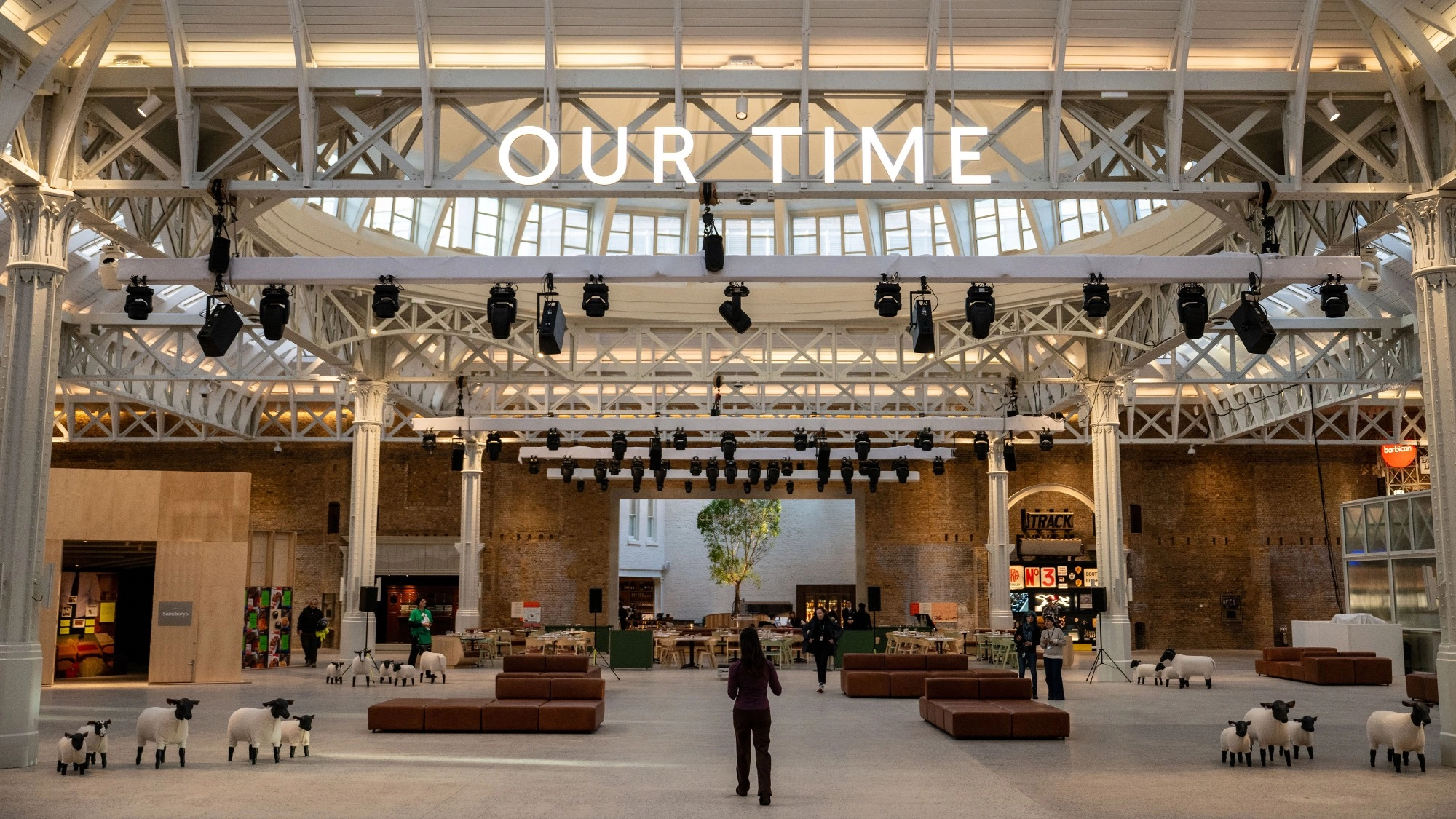
    The “colossal” ground floor is like a station concourse, said Alastair Sooke in The Telegraph. It has a shop, a cocktail bar and “sheep-shaped stools” (pictured, above) that “inadvertently cast” visitors” as a “witless flock”. In a “subterranean gallery”, 5,000 objects from the “capital’s boisterous, complex history” are on display. At least this “feels more like a museum” but the “dense presentation of so many diverse exhibits”, including a white Ford Cortina and a rare 18th-century penis-shaped cup, is “overwhelming”. Within minutes, “I felt as if I were struggling against a seemingly relentless tide of commuters during rush hour”.

    ‘Triumph’ and ‘inspired’
    I think it’s a triumph, said Martin Robinson in The Standard. It’s “been developed with care, wit and an understanding of what makes London tick”. Granted, some of the displays are “batshit-crazy”, like the animatronic giraffe that “wiggles its ears in front of a ‘We love the NHS’ sign”, but it “tells the story of the capital through its people, sounds, tastes and objects”. It’s “absolutely jam-packed with gems”, and “a brilliant new public space”.

    Museums have to “fight to stay relevant” because “just about any artefact can be viewed online”, so “the aim here is clearly to become a cultural destination with broad appeal”, said Lianne Kolirin on CNN. It’s definitely “stretching the definition of museum to the max”.

    There are some “baffling curatorial quirks”, but it’s pretty “stupendous”, said Laura Freeman in The Times. “All of London life is here: the Great Fire and the Great Stink, the plague and the Blitz, Mayfair and Stepney, Wembley and Whitechapel.” And, although “necessarily partial and potted”, some of the presentations are “inspired”. And, as for that vast central hall, “cor blimey, as a Londoner might say”.


    Good day 🧪

    … for medical advancement, after some NHS patients with advanced melanoma receive a drug that “reprogrammes” their immune system to attack skin cancer cells. The King’s College London trial follows study results suggesting the cell therapy is “miles ahead” of standard treatments, said lead oncologist Yin Wu.


    Bad day😕

    … for national security, after the Ministry of Defence admitted it didn’t have email addresses for about half the UK’s 95,000 reservists. The MoD has been writing to ex-military personnel to encourage them to update their contact details amid the rising “threat environment”.


    picture of the day

    After the fall

    A girl holds a Syrian flag as hundreds of people walk in Damascus to mark the second anniversary of the launch of “Deterrence of Aggression”, the operation that led to the end of Bashar al-Assad’s authoritarian regime.

    Hisam Hac Omer / Anadolu / Getty Images


    PUZZLES AND QUIZZES

    Quiz of The Week

    Have you been paying attention to The Week’s news? Try our weekly quiz, part of our puzzles section, which also includes sudoku and crosswords 

    Play here


    THE WEEK RECOMMENDS

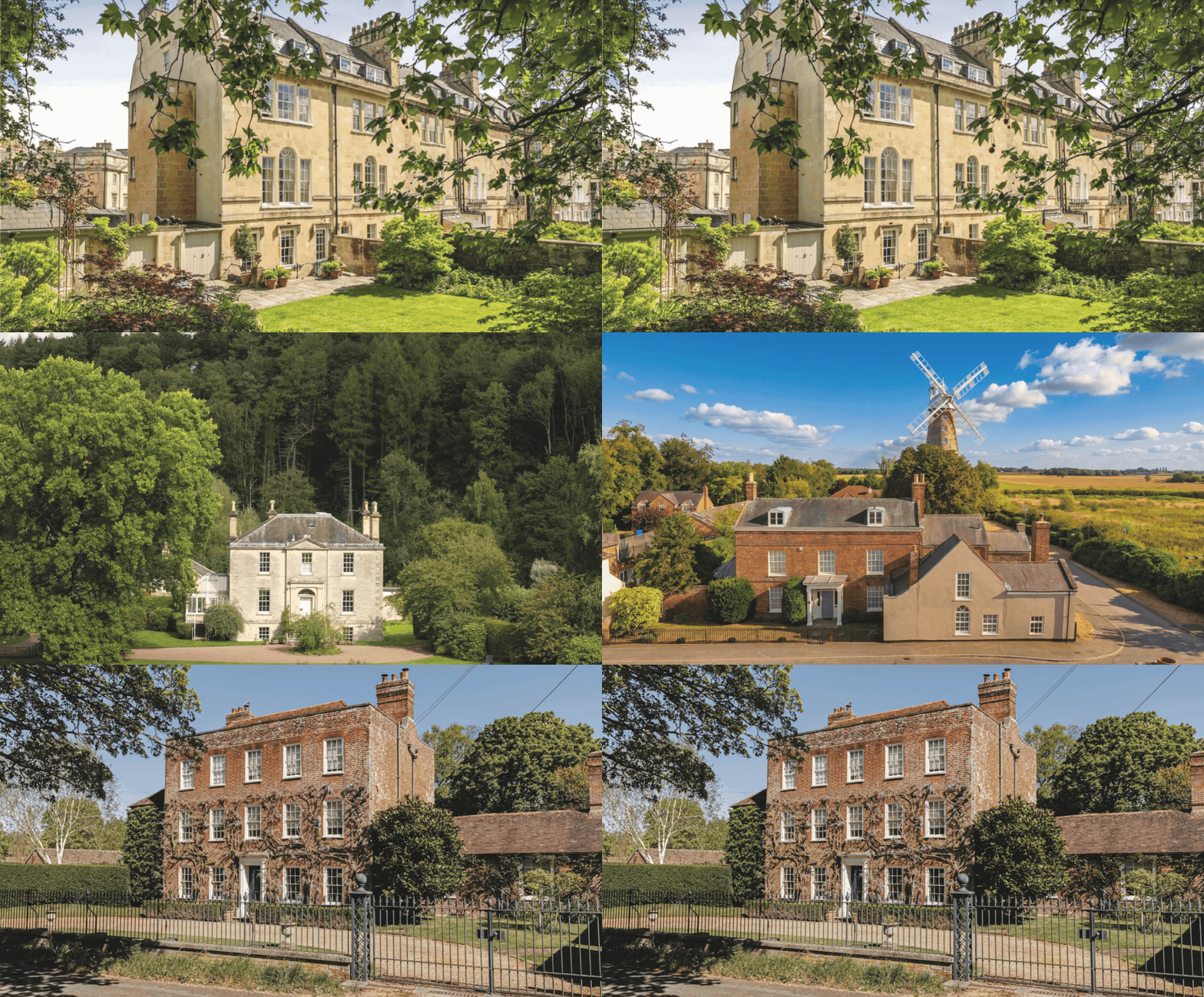
    Properties of the week: idyllic Italian retreats

    Tuscany: Siena
    Enchanting villa set in approx. 20 acres. 8 beds, 10 baths, kitchen, 2-bed annexe, swimming pool, garden. €2.35 million; Dreamer Luxury Real Estate.

    Sicily: Cala Zimmari, Panarea
    Stunning pied dans-l’eau retreat. 1 bed, family bath, kitchen, recep, terrace, garden, parking. €795,000; Engel & Völkers.

    Marche: Contrada Ciafone, Offida
    A former convent built in 1915 and perched on one of the highest hills in the area, with spectacular views from the Gran Sasso to the sea. The property, which is set in approx. 5 acres, also includes a wonderful 17th-century church and is just a few minutes’ drive from the renowned beaches of San Benedetto del Tronto. 10 beds, 7 baths, kitchen, 5 receps, garden, outbuilding, parking. €950,000; Coldwell Banker.

    Piedmont: Palazzo Nigri Vercellone, Turin
    A magnificent flat in a converted palazzo with plenty of period features including original frescoed ceilings. 3 beds, 2 baths, kitchen, 2 receps, lift. €880,000; Berkshire Hathaway Home Services.

    Puglia: Morciano di Leuca
    Handsome stone villa with fine sea views. 7 beds, 3 baths, kitchen, 3 receps, garden, parking. €1.5 million; Temiño Premium Properties.

    See more


    QUOTE OF THE DAY

    “Truth is becoming an ever more valuable commodity, especially in our technological age of deepfakes, AI slop and misinformation, but some truths only survive because somebody else is willing to carry them.”

    Sarah Wynn-Williams, the Meta whistleblower, delivers the 2026 Orwell Lecture at London’s Southbank Centre. She wasn’t permitted to mention the tech company or “Careless People”, her book about her time as a senior Facebook executive, due to a gagging order.


    instant opinion

    Today’s best commentary

    The inheritance millennials like me are dreading
    Pravina Rudra in The i Paper
    My parents are pensioners, writes Pravina Rudra, and “I worry about their demise not just for the usual reasons” but also because “I dread clearing out” a house crammed with furniture, “porcelain figures” and, “inexplicably, miniature owls”. Where does a millennial like me, in a small rented flat, put my “parents’ sideboard”? I don’t want this “intergenerational transfer” of junk; just a recipe in my mum’s handwriting and my dad’s “unwashed jumpers so I can cuddle them and hold onto his smell”.

    The world must choose between nuclear abolition and nuclear catastrophe
    Melissa Parke on Al Jazeera
    Donald Trump, Vladimir Putin and Xi Jinping “recently reaffirmed that a nuclear war” must “never be fought”, writes Melissa Parke of the International Campaign to Abolish Nuclear Weapons. But they didn’t “say anything new” about how “we deal with the constant threat these weapons pose to humanity”. Over 100 countries “have already signed or ratified” the UN’s nuclear ban treaty. The world has a choice: “continue to blindly believe in deterrence dogma” or “agree to the total elimination of these weapons for good”.

    The invisible strength of the UK economy
    John Gapper in the Financial Times
    Policymakers “shocked” by Britain’s recently upgraded productivity growth need “to get out more”, writes John Gapper. The current “vibrancy of the economy” has “been driven by business investment in technology and AI”, and “momentum” in our “high-value services sector”. It’s not properly understood “how much of the UK economy runs on services”. Andy Burnham “should understand”, though, “given the way Manchester grew”, and “the country might feel more at ease with itself if the prime minister let others in on the secret”.


    word of the day

    Pizza

    The first purchase to be made in the UK using an AI agent, as part of the Financial Conduct Authority’s trials of the technology. Nine mini margheritas were ordered from Papa Johns using the retailer’s AI agent, which had permission to access the FCA’s Lloyds bank account and request payment.


    Evening Review was written and edited by Harriet Marsden, Jamie Timson, Chas Newkey-Burden, Irenie Forshaw, Adrienne Wyper, David Edwards and Helen Brown, with illustrations by Stephen P. Kelly.

    Image credits, from top: Illustration by Stephen P. Kelly / Shutterstock / Getty Images; KCNA / EPA / Shutterstock; Chris J. Ratcliffe / Bloomberg / Getty Images; Hisam Hac Omer / Anadolu / Getty Images; Dreamer Luxury Real Estate; Engel & Völkers; Coldwell Banker; Temiño Premium Properties
     

    Recent editions

    • Morning Report

      Nvidia scandal shifts toward White House

    • Evening Review

      Defeating measles once again

    • Morning Report

      Trump engineers Huang’s restoration

    VIEW ALL
    TheWeek
    • About Us
    • Contact Future's experts
    • Terms and Conditions
    • Privacy Policy
    • Cookie Policy
    • Advertise With Us
    • FAQ
    Add as a preferred source on Google Add as a preferred source on Google

    The Week US is part of Future US Inc, an international media group and leading digital publisher. Visit our corporate site.

    © Future US, Inc. Full 7th Floor, 130 West 42nd Street, New York, NY 10036.